Introduction
Esports, short for electronic sports, represents one of the most transformative revolutions in modern entertainment. What once started as casual gaming among friends has evolved into a billion-dollar industry commanding millions of passionate fans, professional players, and massive international tournaments. Esports has bridged the gap between technology, sportsmanship, and digital culture, creating an entirely new form of competition. In this extensive exploration, we’ll dive deep into the evolution, impact, structure, and cultural importance of Esports while understanding how it continues to shape the future of global entertainment.
The Origins of Competitive Gaming
The story of Esports begins long before high-speed internet and modern gaming consoles. The first recorded video game competition dates back to 1972 at Stanford University, where students played “Spacewar!” for a year’s subscription to a magazine. It was a small step, but it marked the birth of competitive gaming. During the 1980s, arcade machines became the heart of gaming communities. Titles like “Pac-Man,” “Donkey Kong,” and “Space Invaders” inspired competitions across the United States, drawing crowds and introducing the concept of leaderboards and high scores.
As technology advanced, the 1990s saw the dawn of network-based multiplayer gaming. Titles like “Doom,” “Quake,” and “StarCraft” allowed players to compete against one another via local networks or online, setting the foundation for the Esports scene we recognize today. This era also saw the birth of the first professional gaming tournaments, particularly in South Korea, where gaming culture exploded.
The Growth of Esports in the 2000s
The early 2000s were a turning point for Esports. Broadband internet became more accessible, and online gaming communities flourished. Multiplayer titles such as “Counter-Strike,” “Warcraft III,” and “Halo” grew in popularity, enabling players from across the world to compete in real time. Professional organizations began forming teams, creating leagues, and hosting large-scale tournaments with sponsors and cash prizes.
South Korea stood at the forefront of this revolution. The country established professional leagues, built dedicated Esports stadiums, and turned players into national celebrities. Television channels broadcasted matches, and Esports began to be recognized as a legitimate career. The rest of the world soon followed, with Europe, North America, and China establishing their own circuits. This era was marked by the professionalization of Esports, where teams were not just collections of players but structured organizations with managers, coaches, and marketing staff.
The Modern Era of Esports
Today, Esports has grown beyond anyone’s expectations. It’s a fully-fledged global industry with multi-million-dollar prize pools, international competitions, and massive audiences. Games like “League of Legends,” “Dota 2,” “Fortnite,” “Call of Duty,” and “Valorant” dominate the scene, drawing tens of millions of viewers. Tournaments like The International, the League of Legends World Championship, and the Fortnite World Cup are watched by audiences larger than those of traditional sports finals.
The Esports ecosystem has matured into a complex web of teams, sponsors, developers, broadcasters, and fans. Streaming platforms have played a vital role in this expansion. Players no longer depend solely on tournament winnings; many have built personal brands through streaming and social media, connecting directly with their audiences. The rise of platforms dedicated to gaming has transformed players into entertainers and influencers.
The Rise of Esports Athletes
Esports professionals are athletes in their own right. They dedicate countless hours to practice, studying strategies, analyzing opponents, and refining their reflexes. Unlike casual gamers, professional players maintain strict schedules, train in team facilities, and work with coaches who specialize in strategy, performance, and even mental health. Reaction time, coordination, and teamwork are critical, much like in physical sports.
The public perception of Esports players has also evolved. Once dismissed as hobbyists, they are now respected professionals with lucrative sponsorships and endorsement deals. Top players earn millions annually through salaries, prize money, and brand partnerships. The recognition of Esports athletes has also sparked discussions about health, training balance, and long-term career sustainability.
Global Esports Tournaments
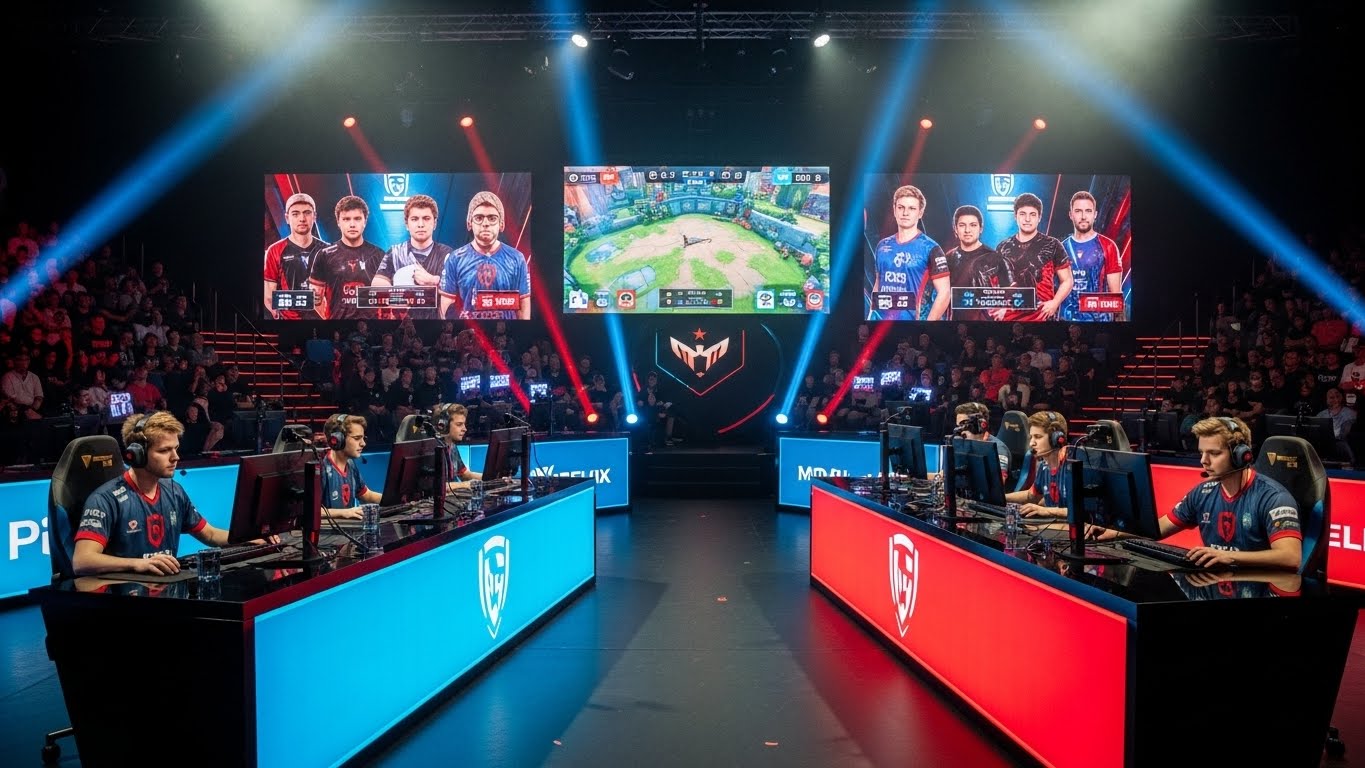
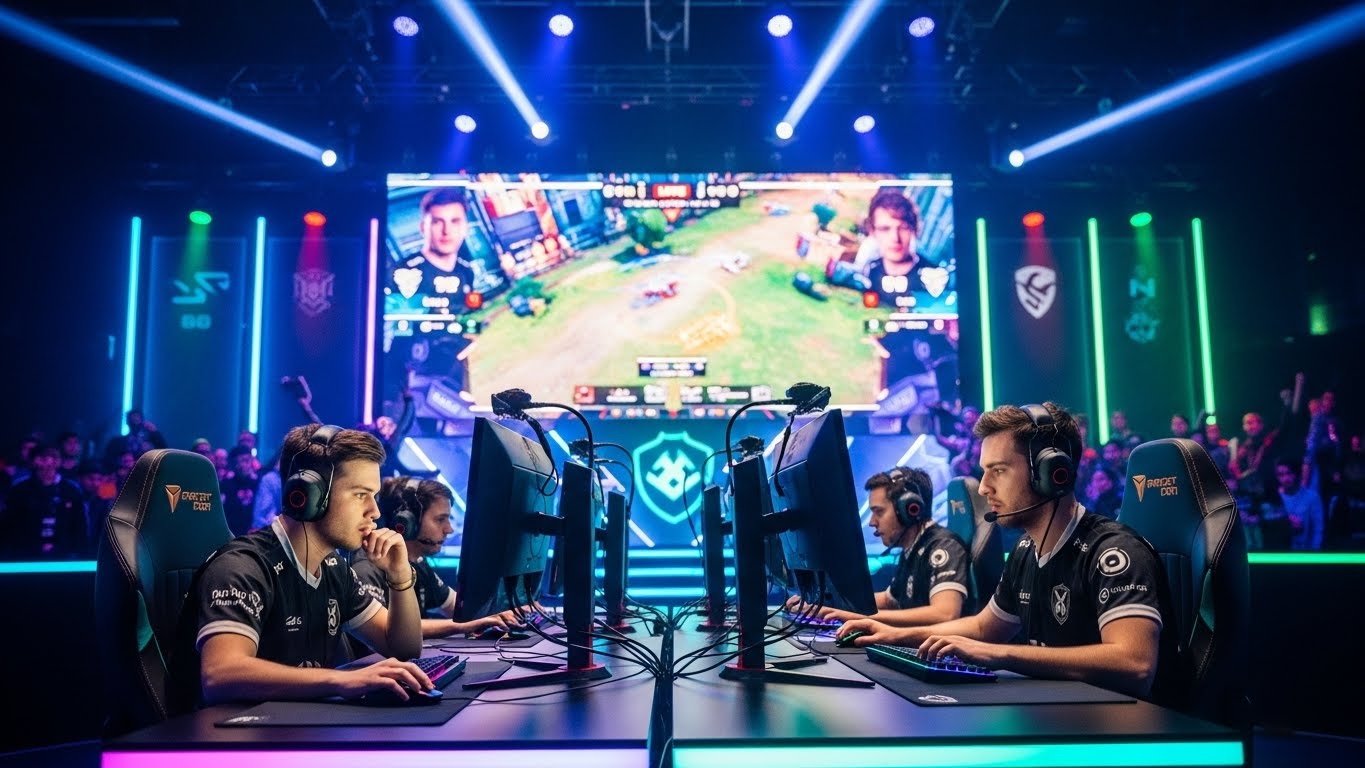
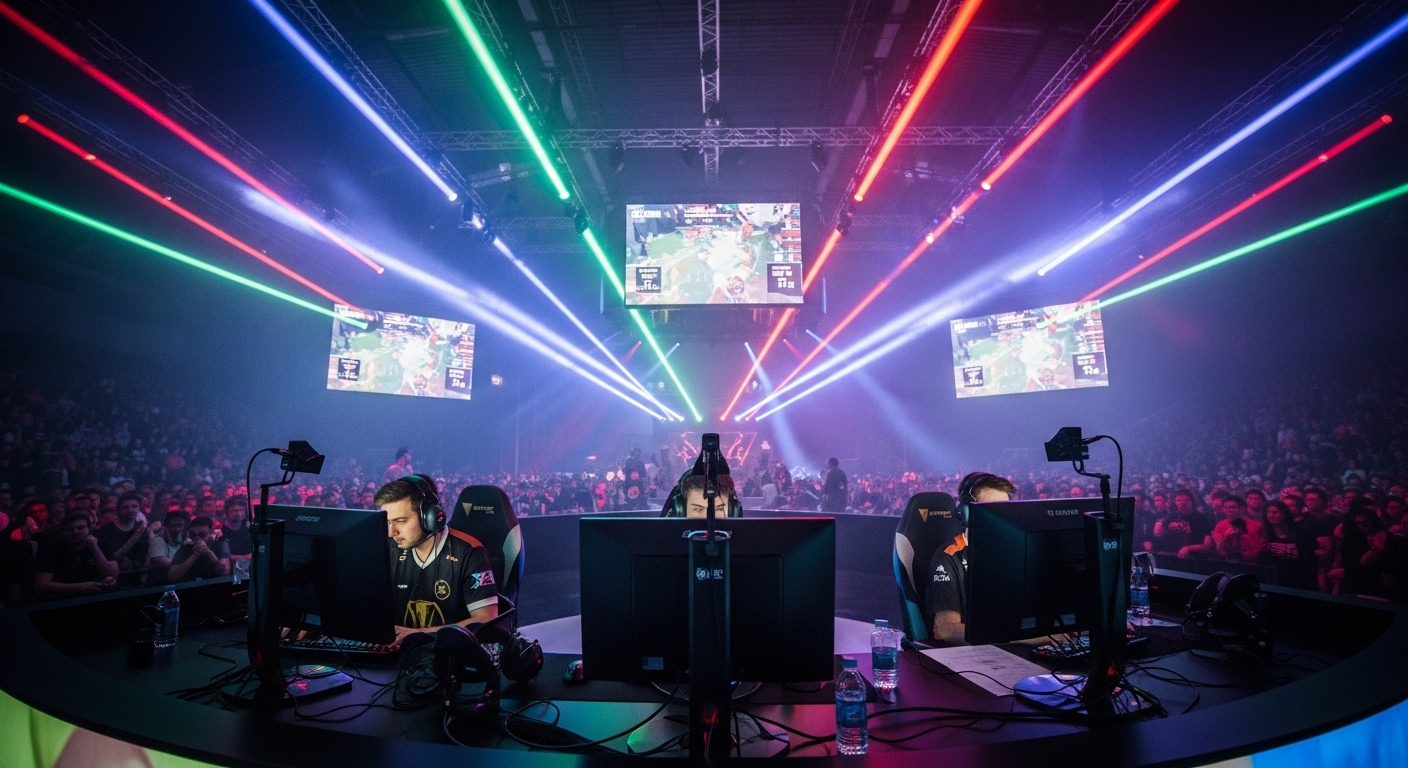
Tournaments lie at the heart of Esports. They are the stages where legends are made and communities unite. Major tournaments are often held in massive arenas filled with cheering fans, complete with professional production, commentary, and live broadcasts. The atmosphere is electrifying, with fans waving team banners and chanting for their favorite players.
Some of the most iconic tournaments have set benchmarks for the industry. “The International,” hosted by the creators of Dota 2, offers some of the largest prize pools in history, often exceeding tens of millions of dollars. The “League of Legends World Championship” draws viewers from every continent, with elaborate opening ceremonies that rival Olympic events. Other titles such as “Counter-Strike: Global Offensive,” “Fortnite,” and “Valorant” have their own global competitions that elevate the spirit of digital competition.
The Role of Technology in Esports
Technology is the backbone of Esports. High-performance computers, ultra-fast internet, and advanced gaming peripherals enable precise gameplay and seamless online experiences. Developers continually optimize games to ensure fair competition, while event organizers rely on sophisticated broadcasting technology to deliver smooth, high-quality streams to millions of viewers.
Virtual reality (VR) and augmented reality (AR) are also making their way into Esports, introducing immersive experiences that blur the line between player and spectator. As cloud gaming technology evolves, the accessibility of Esports is set to expand further, allowing anyone with a device and a stable connection to participate.
The Business of Esports
Esports is not just a passion-driven activity—it’s a thriving business ecosystem. Sponsors, advertisers, and investors have recognized the potential of this growing industry. Esports teams function like traditional sports franchises, complete with branding, merchandise, and fan engagement strategies. Corporations from outside the gaming world—ranging from beverage companies to automobile manufacturers—have entered Esports sponsorships to reach younger audiences.
Media rights and streaming deals have also become significant revenue streams. Just as traditional sports networks pay for broadcasting rights, online platforms and networks compete for exclusive access to popular tournaments. The financial structure of Esports mirrors that of conventional sports, with multiple sources of income ensuring stability and growth.
The Esports Community and Culture
One of the most remarkable aspects of Esports is its vibrant and diverse community. Gaming transcends borders, languages, and cultures. Fans from around the world connect over shared passions, strategies, and memorable plays. Online forums, fan art, and cosplay all contribute to a thriving digital culture surrounding Esports.
Social media has amplified this connection, allowing fans to interact directly with players and teams. Esports fandom mirrors traditional sports in intensity and loyalty, with dedicated fan clubs, jerseys, and chants. However, it also carries a unique digital identity that thrives on memes, streaming clips, and virtual events.
The Educational and Career Impact of Esports
The growth of Esports has expanded beyond entertainment into education and professional development. Universities and colleges now offer scholarships for Esports athletes, recognizing their competitive achievements. Academic programs focusing on Esports management, game design, and event production are preparing the next generation of professionals to contribute to this expanding field.
Career opportunities in Esports go far beyond playing. Event management, broadcasting, marketing, coaching, and content creation are all vital roles within the industry. This diversification ensures that Esports continues to grow sustainably while fostering innovation and creativity.
Challenges Facing the Esports Industry
Despite its rapid growth, Esports faces several challenges. One of the primary concerns is player burnout. The intense training schedules and competitive pressure can lead to fatigue and mental health struggles. Additionally, maintaining fair play in online environments poses difficulties, as cheating, hacking, and match-fixing incidents occasionally occur.
Another major issue is financial stability. While top organizations thrive, smaller teams and players often struggle to secure consistent income. The industry also faces questions about governance and regulation, as there is no single authority overseeing global Esports standards. Gender inequality and inclusivity are also ongoing discussions within the community, as efforts continue to create a more welcoming environment for all players.
The Influence of Esports on Traditional Sports
Interestingly, Esports has begun to influence traditional sports as well. Major sports franchises have invested in Esports teams, recognizing the crossover potential between audiences. The integration of gaming elements in sports broadcasting and fan engagement strategies demonstrates how Esports innovations are reshaping the entertainment landscape.
Esports has also redefined what it means to be an athlete. The focus on strategy, teamwork, and mental agility highlights that competition comes in many forms, both physical and digital. The cooperation between sports and gaming industries signals a future where these two worlds coexist and complement each other.
The Future of Esports
The future of Esports appears brighter than ever. With technological advancements, global connectivity, and growing mainstream acceptance, Esports is poised to become a dominant force in entertainment. The rise of mobile gaming has further democratized access, allowing people from all backgrounds to participate in competitive gaming.
As artificial intelligence, virtual reality, and interactive media evolve, Esports experiences will become even more immersive. The possibility of hybrid events, where fans can experience live and digital engagement simultaneously, opens new horizons for global participation.
Moreover, the continued push for inclusivity, diversity, and sustainability within the industry ensures that Esports will not only grow but also evolve responsibly. Governments, educational institutions, and private organizations are recognizing its potential as both an economic driver and a cultural force.
Conclusion
Esports stands as one of the most dynamic and inspiring movements of the 21st century. From small arcades and local tournaments to massive global events filling arenas, it represents the spirit of competition, innovation, and digital connection. Esports has proven that passion, skill, and strategy can transcend traditional boundaries, uniting millions under the shared excitement of gaming.
What began as a niche hobby has transformed into a global culture, shaping how we perceive entertainment, sports, and community. As technology continues to evolve, so too will Esports, pushing the boundaries of what’s possible in both the virtual and real worlds. Its future promises not only more thrilling competition but also greater opportunities for creativity, inclusion, and global unity. The rise of Esports is not just a story of gaming—it’s a testament to human progress in the digital age.