Introduction
In the past few decades, the world of entertainment has undergone an extraordinary transformation. From the rise of digital streaming platforms to the spread of virtual reality, technology has redefined how people play, watch, and connect. Among these sweeping changes, one of the most revolutionary movements has been the evolution of Esports—a form of competitive gaming that has emerged as both a cultural and economic powerhouse. Esports is no longer just a niche hobby for gaming enthusiasts; it is a global phenomenon that rivals traditional sports in audience size, prize pools, and fan engagement.
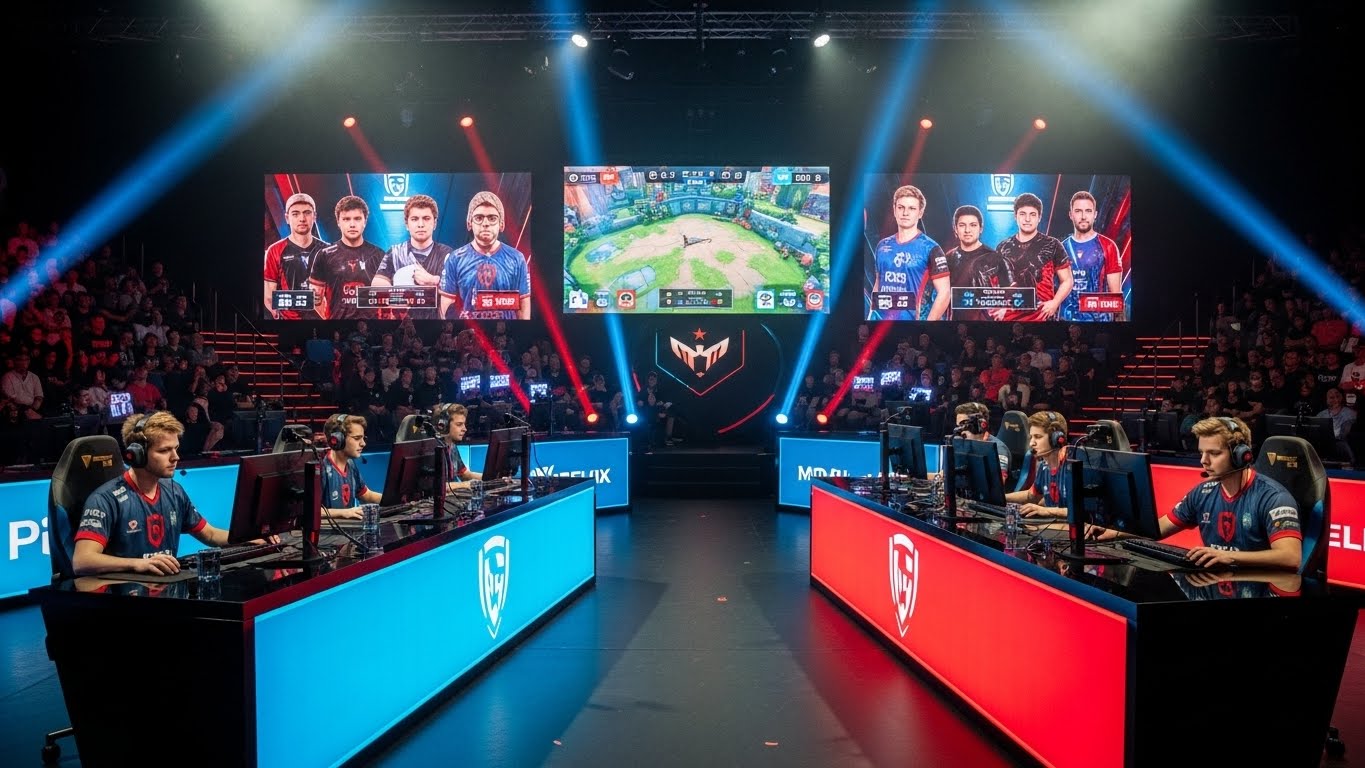
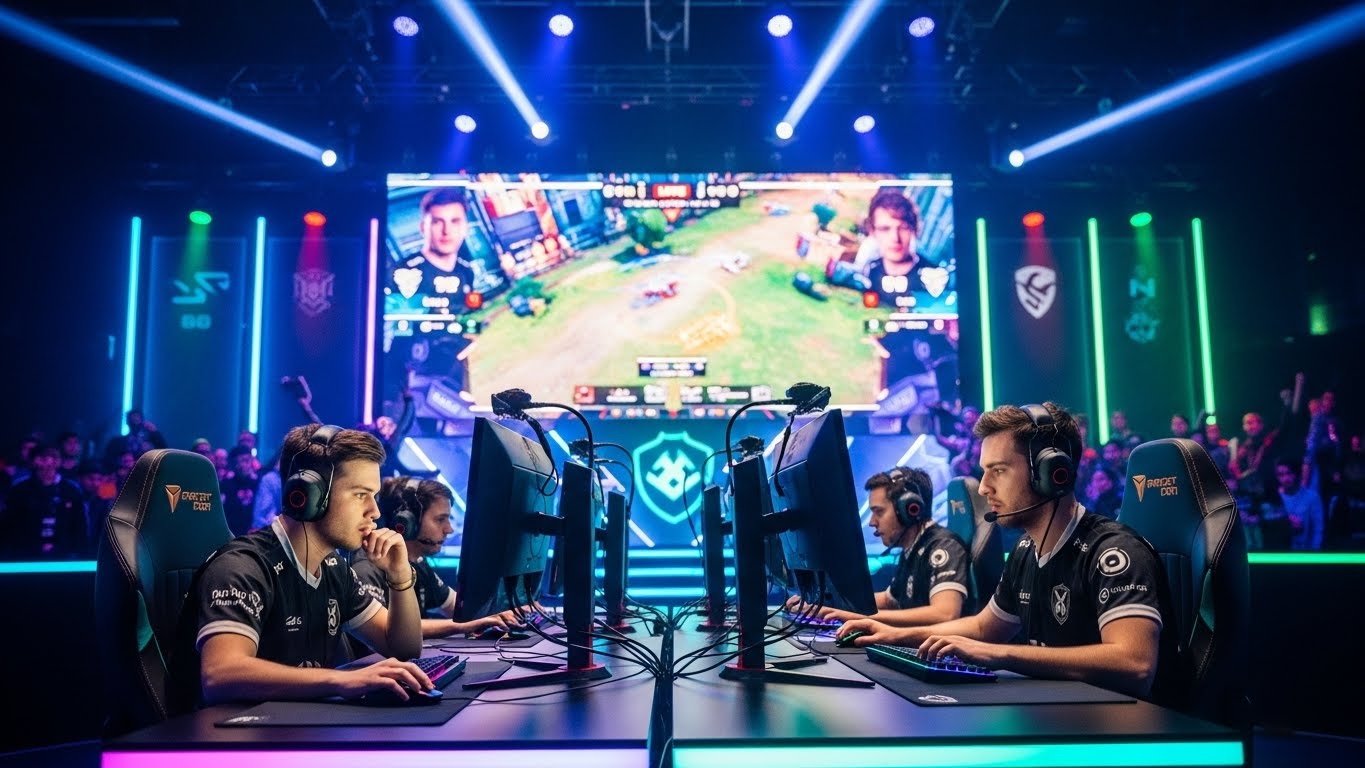
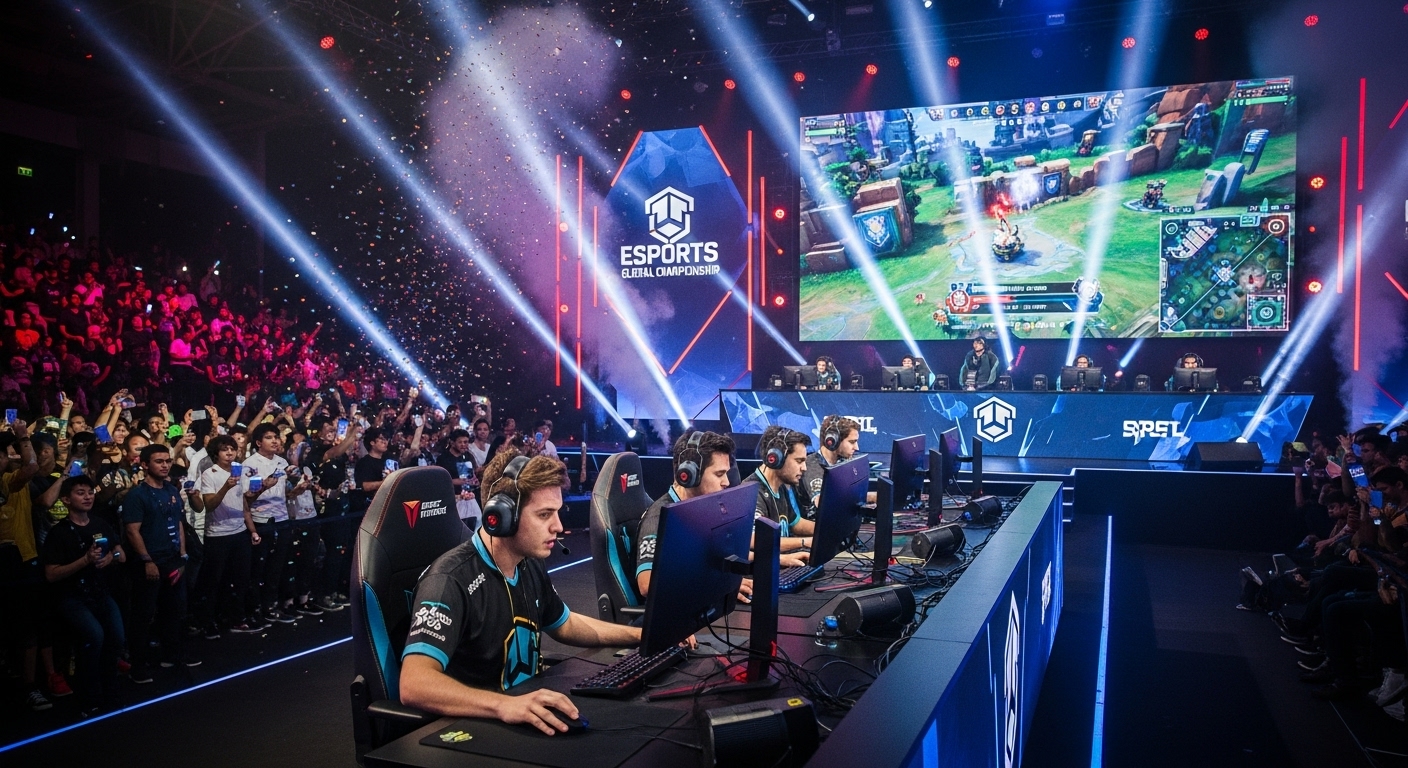
Today, millions of viewers tune in to watch professional gamers compete in games such as League of Legends, Counter-Strike, Dota 2, and Fortnite. Stadiums fill with cheering fans, online platforms host live tournaments with millions of spectators, and sponsors invest heavily in teams and players. This is the story of how Esports became a global industry—how it evolved, where it stands today, and where it is headed next.
The Origins of Esports
The concept of competitive gaming dates back much further than most people realize. In 1972, at Stanford University, a group of students participated in a small competition playing the video game “Spacewar.” The winner received a year’s subscription to Rolling Stone magazine. It might have been a humble beginning, but that event is widely regarded as one of the first Esports tournaments in history.
By the 1980s, with the introduction of arcade machines, competitive gaming started becoming more widespread. High-score competitions in games like Pac-Man and Donkey Kong drew attention, with players competing to have their names at the top of leaderboard screens. Television programs in some countries began showcasing gaming contests, and the idea of gaming as a competitive activity started to gain traction.
However, it was not until the 1990s that Esports began to resemble the form we know today. The rise of the internet, local area network (LAN) parties, and multiplayer games such as Quake, StarCraft, and Counter-Strike allowed players from around the world to compete directly against each other. This connectivity gave birth to organized tournaments, online leagues, and professional players who devoted their lives to mastering their chosen games.
The Growth of Professional Esports
As the 2000s arrived, Esports grew from a small subculture into a legitimate professional industry. Games like StarCraft became national obsessions in countries like South Korea, where professional gamers were treated as celebrities. Stadiums filled with fans eager to watch their favorite players compete live, and television networks began broadcasting matches.
The establishment of major tournaments such as the World Cyber Games and the Electronic Sports World Cup helped standardize Esports competitions. Prize pools began to climb, sponsors started to invest, and gaming companies saw the immense potential of supporting professional play.
By the 2010s, the industry experienced explosive growth. The emergence of streaming platforms, particularly Twitch, allowed fans worldwide to watch competitions from their own homes. Millions of viewers began tuning in to watch live broadcasts, creating new opportunities for advertising, brand partnerships, and content creation. Major corporations such as Intel, Coca-Cola, and Red Bull began sponsoring tournaments, and Esports organizations formed around the world.
The Economic Impact of Esports
The financial growth of Esports has been nothing short of astonishing. What began as a small subculture now generates billions of dollars annually. Major tournaments often offer prize pools in the tens of millions. For example, international events in games like Dota 2 and Fortnite have awarded record-breaking sums to winners, attracting global attention and inspiring a new generation of gamers.
But the economic influence of Esports extends far beyond tournaments. Entire ecosystems have developed around the industry. Esports organizations manage teams across different games, sign players to contracts, and negotiate sponsorship deals. Streaming platforms profit from advertising revenue and subscriptions, while equipment manufacturers produce specialized hardware designed for professional-level gaming performance.
Moreover, Esports has created jobs in broadcasting, marketing, coaching, event management, and even psychological support for players. The professionalization of gaming has given rise to a vast network of skilled workers who keep the industry running smoothly. Universities have also recognized this growth, with many now offering degrees and scholarships in Esports management, game design, and related fields.
The Culture of Esports
At its heart, Esports is about more than just competition—it’s a cultural movement that bridges communities, ages, and nationalities. Unlike traditional sports that may be limited by geography or physical ability, Esports invites participants from all corners of the globe to connect through digital spaces.
Fans form online communities centered around their favorite teams and players. They share strategies, highlight moments, and celebrate victories together. Social media has amplified this connection, allowing fans to interact directly with professionals, join discussions, and stay updated on upcoming events.
The storytelling aspect of Esports also plays a huge role in its popularity. Narratives of underdog teams overcoming odds, legendary rivalries between regions, and dramatic championship victories captivate audiences in the same way that traditional sports do. The emotional connection between fans and players is powerful and enduring, making Esports a deeply engaging form of entertainment.
Esports and Technology
Esports owes much of its success to the advancement of technology. From high-speed internet connections to powerful gaming hardware and streaming platforms, every technological breakthrough has propelled Esports forward.
Modern games are optimized for competitive play, with precise balance, low-latency servers, and spectator-friendly features. Developers design titles specifically with Esports in mind, ensuring that they are engaging for both players and viewers. Virtual reality and augmented reality technologies are also starting to influence how people experience competitions, potentially opening the door to even more immersive events.
Streaming technology has been perhaps the most influential factor in modern Esports. The ability to broadcast matches in real-time to global audiences has democratized access to professional gaming. Anyone with an internet connection can now watch the world’s best players compete live, interact with commentators, and even donate to support their favorite streamers or organizations.
The Psychological and Social Aspects
While Esports may appear to be purely about reflexes, precision, and game knowledge, it also demands mental strength and teamwork. Professional gamers train for hours each day, refining their skills, studying opponents, and improving their strategic thinking.
Psychological resilience is a key factor in success. Like athletes in traditional sports, Esports players must manage stress, maintain focus under pressure, and work effectively as part of a team. Many organizations now employ sports psychologists and wellness coaches to help players manage burnout and maintain mental health.
Socially, Esports has created spaces for inclusion and diversity. Players from different countries and backgrounds come together in shared virtual spaces, breaking cultural and linguistic barriers. Women and nonbinary players have also begun to carve out greater representation in what was once a predominantly male industry, leading to greater inclusivity and broader appeal.
Esports as a Career
One of the most remarkable developments in recent years is the recognition of Esports as a legitimate career path. Professional players earn salaries, prize money, and sponsorships that can rival those of traditional athletes. Streamers and content creators also form part of this ecosystem, generating revenue through advertising, merchandise, and fan support.
Beyond playing professionally, there are numerous career opportunities in Esports. Coaching, shoutcasting, event production, journalism, game design, and marketing all play crucial roles. Educational programs now train students for these roles, preparing them for the growing number of professional positions within the industry.
The professionalization of Esports has also led to the creation of player unions and contract regulations, ensuring that players are protected and fairly compensated. This shift toward legitimacy has been vital in securing Esports’ position as a serious global industry.
The Role of Esports in Education
Esports is finding its place in educational institutions around the world. Many schools and universities now host their own competitive gaming teams and offer scholarships to talented players. These programs not only promote teamwork and strategic thinking but also foster interest in technology-related careers.
Educational Esports programs teach valuable life skills such as communication, leadership, and problem-solving. Students involved in Esports often develop technical proficiency in hardware, software, and broadcasting, making them well-prepared for future careers in tech or media industries.
Furthermore, universities are using Esports as a means to engage students socially and academically. By offering programs in Esports management, game development, and digital marketing, educational institutions are helping to shape the next generation of professionals who will continue to grow the industry.
Esports and Global Reach
One of the most impressive aspects of Esports is its truly global nature. Unlike traditional sports that may be tied to specific countries or regions, Esports transcends borders. Tournaments attract players from Asia, Europe, North America, South America, and beyond.
South Korea is often regarded as the birthplace of modern Esports, but today, countries such as China, the United States, and Sweden are also major centers of competition. International tournaments feature teams from around the world, creating a spirit of global collaboration and rivalry.
Esports also fosters international diplomacy and cultural exchange. Players and fans from different nations interact in virtual spaces, sharing ideas and building friendships. This level of global connectivity has made Esports not only a competitive pursuit but also a unifying cultural force.
Challenges Facing Esports
Despite its remarkable growth, Esports faces several challenges. Player burnout, inconsistent regulations, and lack of standardized governance remain ongoing issues. The intense training schedules and competitive pressure can take a toll on mental and physical health.
Cheating and match-fixing have also posed problems, prompting organizers to implement strict anti-cheat technologies and ethical standards. Another major challenge is the sustainability of careers—many players retire young due to the fast-paced and demanding nature of professional gaming.
Additionally, as Esports continues to grow, there is an ongoing debate about its classification. Some argue that it should be recognized as a legitimate sport, while others see it as a unique digital entertainment category. Governments and international organizations are still developing frameworks for Esports regulation, athlete visas, and tournament oversight.
The Future of Esports
Looking ahead, the future of Esports is incredibly promising. The integration of advanced technologies like virtual reality, artificial intelligence, and cloud gaming will likely reshape how competitions are played and experienced. Virtual arenas could allow fans to attend matches as avatars, creating immersive environments that merge the digital and physical worlds.
Esports may also continue expanding into mainstream culture. Already, major sports organizations such as the NBA, FIFA, and Formula 1 have invested in Esports divisions, blending digital and traditional competition. With growing media coverage, corporate sponsorships, and grassroots support, Esports is positioned to become one of the defining cultural pillars of the 21st century.
Educational and career opportunities will also increase, making Esports an integral part of future economies. More countries are expected to recognize Esports players as professional athletes, granting them similar rights and recognition as their traditional sports counterparts.
Conclusion
Esports has come a long way from its humble beginnings in university basements and arcade halls. What was once a small hobby for gamers has transformed into a global industry, uniting millions of people across cultures and continents. It has become a symbol of how technology can create new forms of entertainment, community, and opportunity.
From the early days of local tournaments to today’s multimillion-dollar international competitions, Esports has proven that digital competition is just as thrilling and inspiring as any physical sport. The passion, skill, and dedication of players and fans alike continue to drive the industry forward, shaping the future of entertainment.
As technology evolves and society becomes ever more connected, Esports will remain at the forefront of innovation—a dynamic, inclusive, and powerful force redefining what it means to play, watch, and compete in the digital age.