In recent years, esports has transformed from a niche hobby into a global phenomenon that captivates millions of viewers and players worldwide. This new form of competitive entertainment combines the excitement of traditional sports with the dynamic appeal of video gaming, creating a unique cultural and economic powerhouse. But what exactly is esports, and why has it grown so rapidly? Let’s explore the fascinating world of esports and its impact on the modern entertainment landscape.
Understanding Esports: More Than Just Gaming
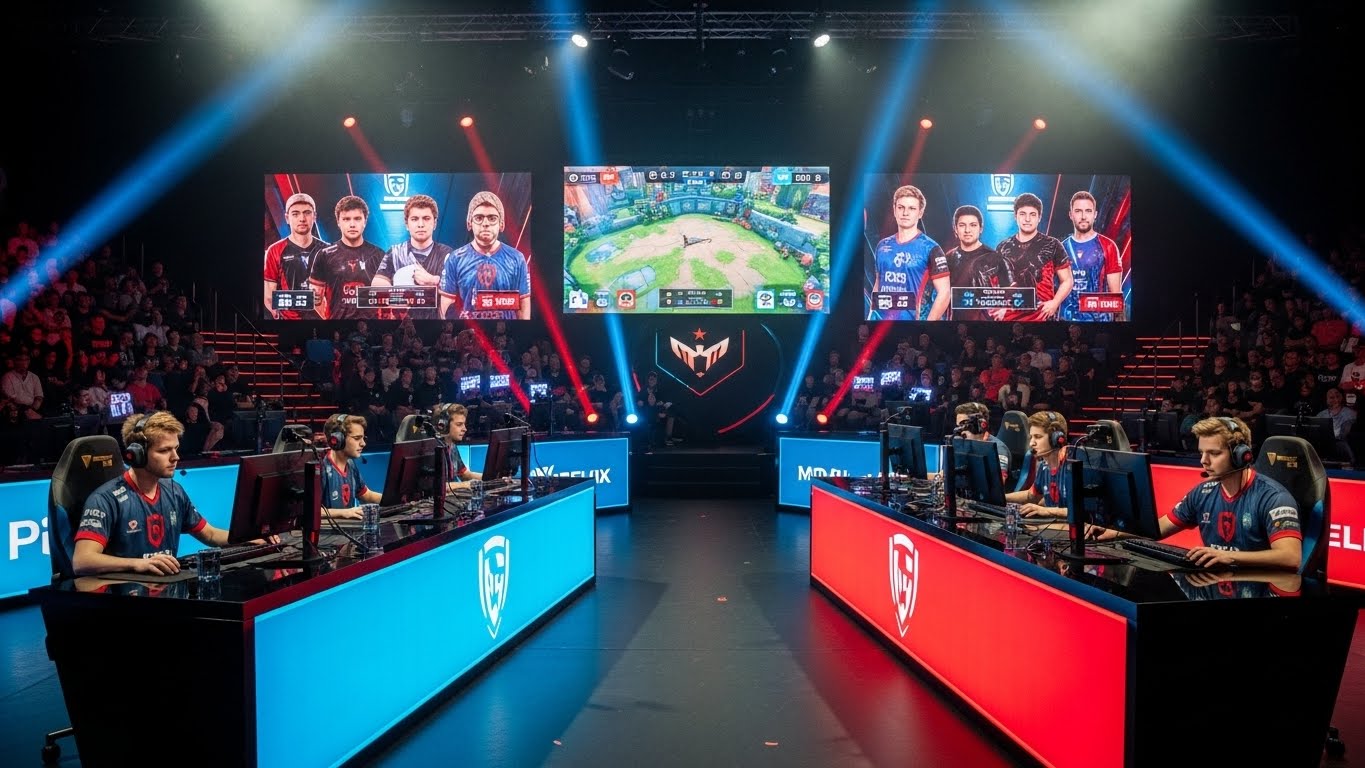
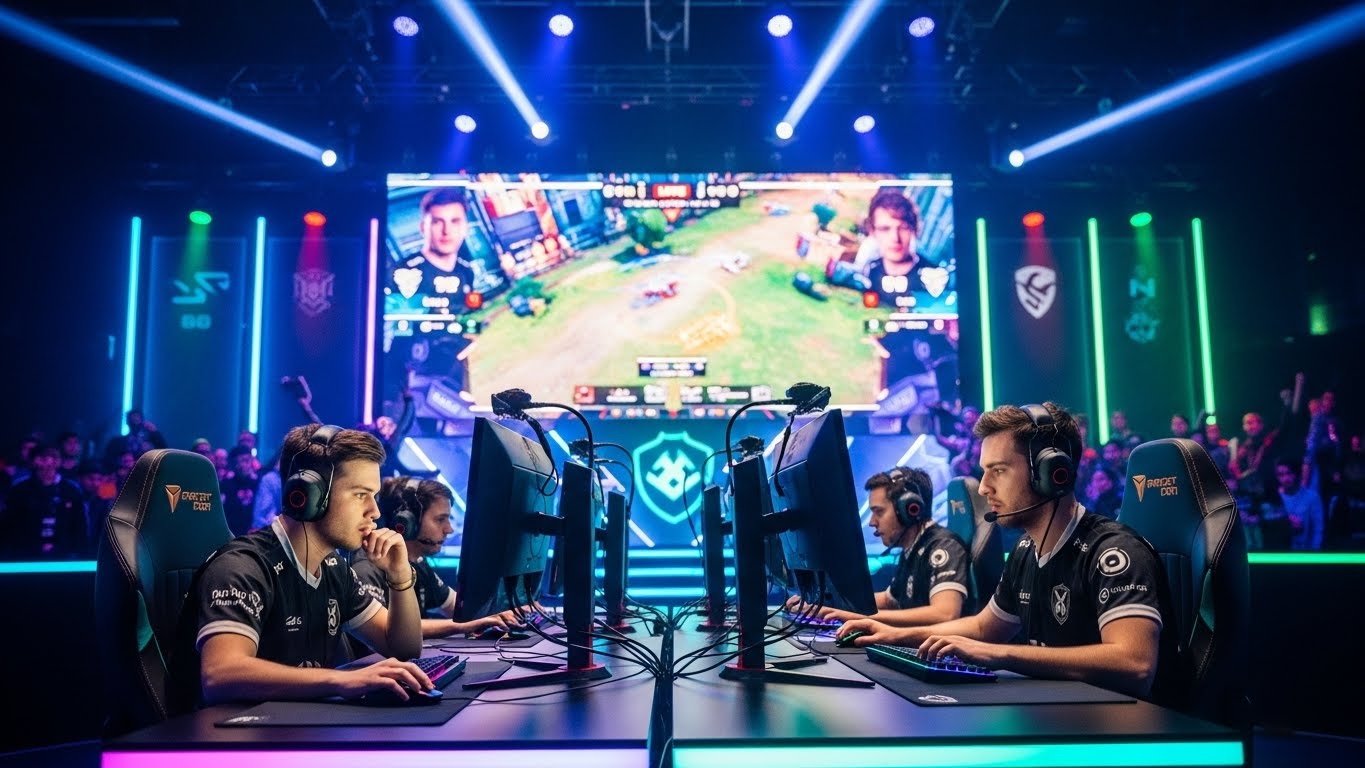
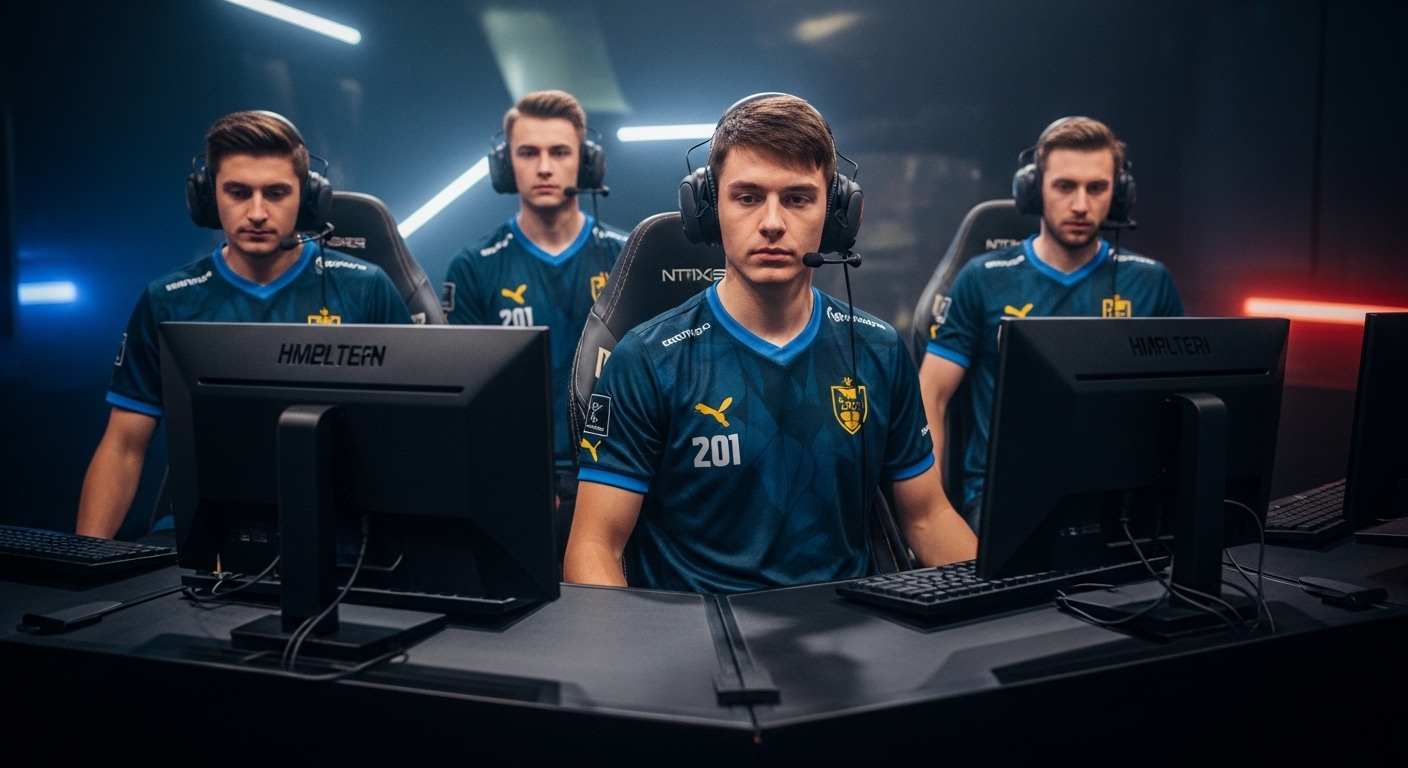
Esports, short for electronic sports, refers to organized, competitive video gaming where individuals or teams compete in popular games such as League of Legends, Dota 2, Counter-Strike, and Fortnite. Unlike casual gaming, esports involves professional players who train rigorously, often backed by sponsorships, teams, and leagues similar to traditional sports. These competitions are broadcasted live, drawing millions of viewers globally.
The games featured in esports are often complex, requiring strategic thinking, quick reflexes, and teamwork. This elevates esports beyond mere entertainment, positioning it as a serious competition that demands dedication and skill.
The Global Growth of Esports
Esports has witnessed explosive growth over the past decade. This expansion is fueled by advances in internet connectivity, streaming platforms, and the increasing popularity of gaming among younger generations. Tournaments now attract audiences comparable to major sporting events, with prize pools reaching millions of dollars.
Regions such as South Korea and China were early adopters of esports, building strong professional scenes and cultivating a vibrant fan base. Today, North America, Europe, and Southeast Asia also host numerous tournaments and leagues, making esports a truly international phenomenon.
The Business of Esports: Opportunities and Challenges
With its rise, esports has created a booming industry encompassing sponsorship deals, advertising, merchandise, and media rights. Brands from outside the gaming industry are investing heavily, recognizing the potential to reach engaged and diverse audiences.
However, the esports industry also faces challenges. Issues such as player burnout, maintaining competitive integrity, and ensuring sustainable career paths for players require attention. Additionally, as the industry matures, standardizing regulations and improving support systems become crucial for long-term success.
The Cultural Impact of Esports
Esports has reshaped entertainment culture, blending technology, competition, and social interaction in ways never seen before. It provides a platform where fans and players connect through shared passion, forming communities that transcend geographic boundaries.
Moreover, esports has opened doors for new forms of creativity and content creation, from streaming gameplay to commentary and fan art. It has also inspired conversations about digital skills, teamwork, and the evolving nature of sportsmanship in the digital age.
Looking Ahead: The Future of Esports
The future of esports looks promising, with emerging technologies like virtual reality and augmented reality poised to enhance the gaming experience further. As more educational institutions and governments recognize esports’ potential, investment in infrastructure, training, and research is likely to increase.
Esports is no longer just a pastime; it’s a dynamic and influential sector that continues to redefine entertainment, competition, and community in the 21st century.