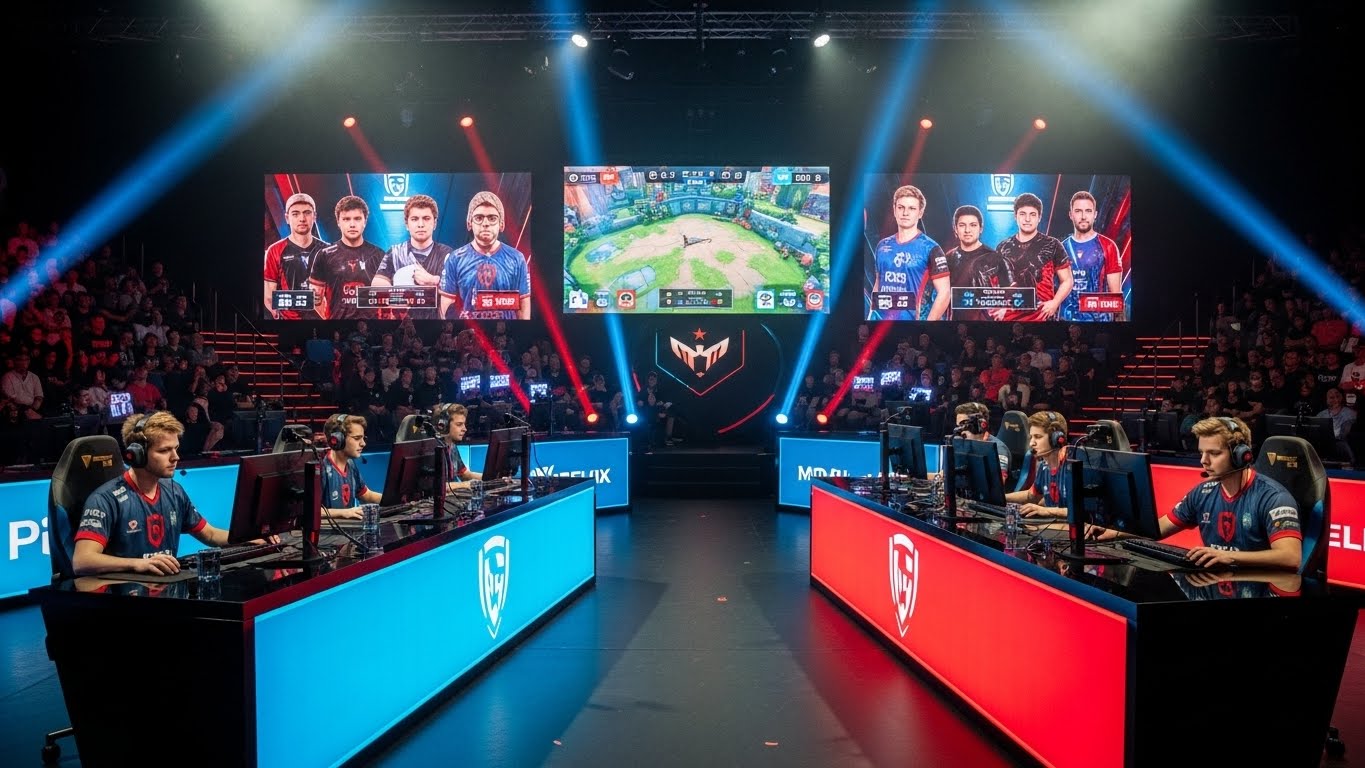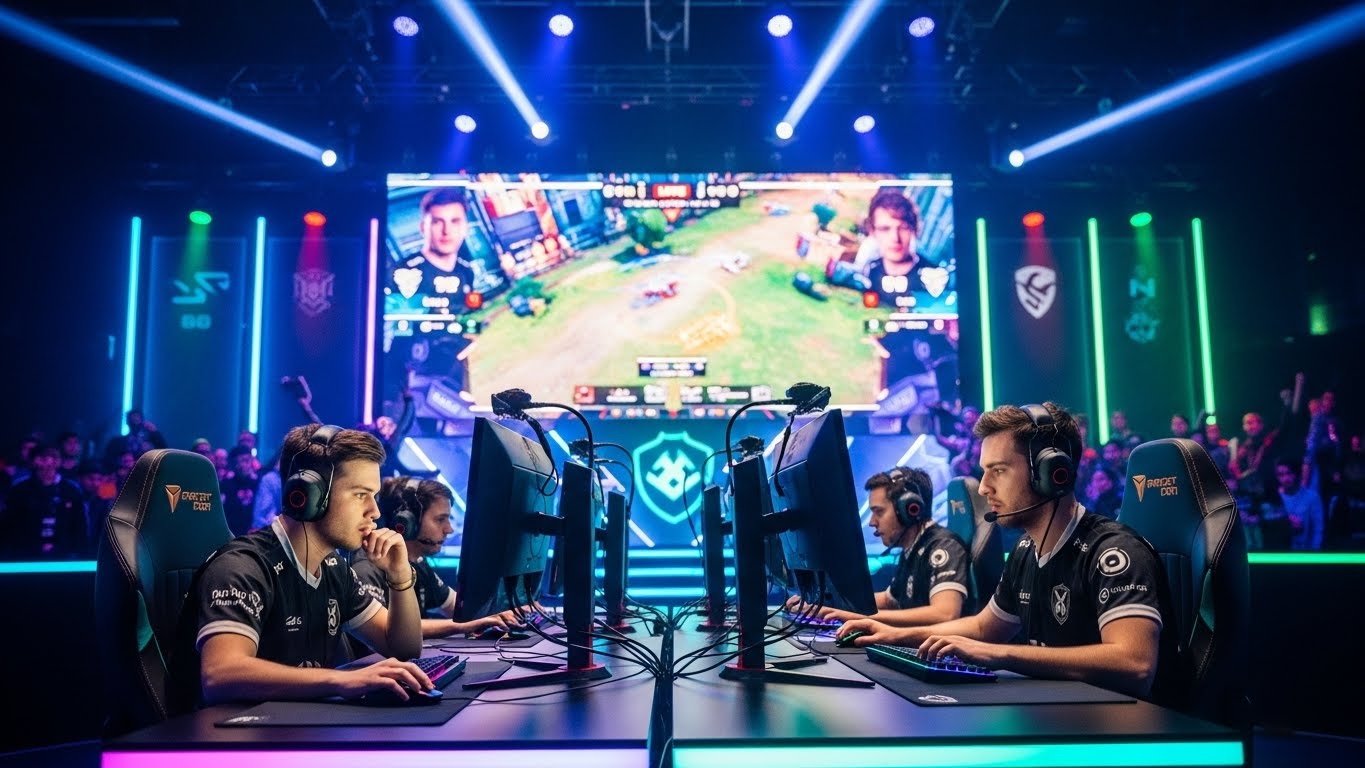
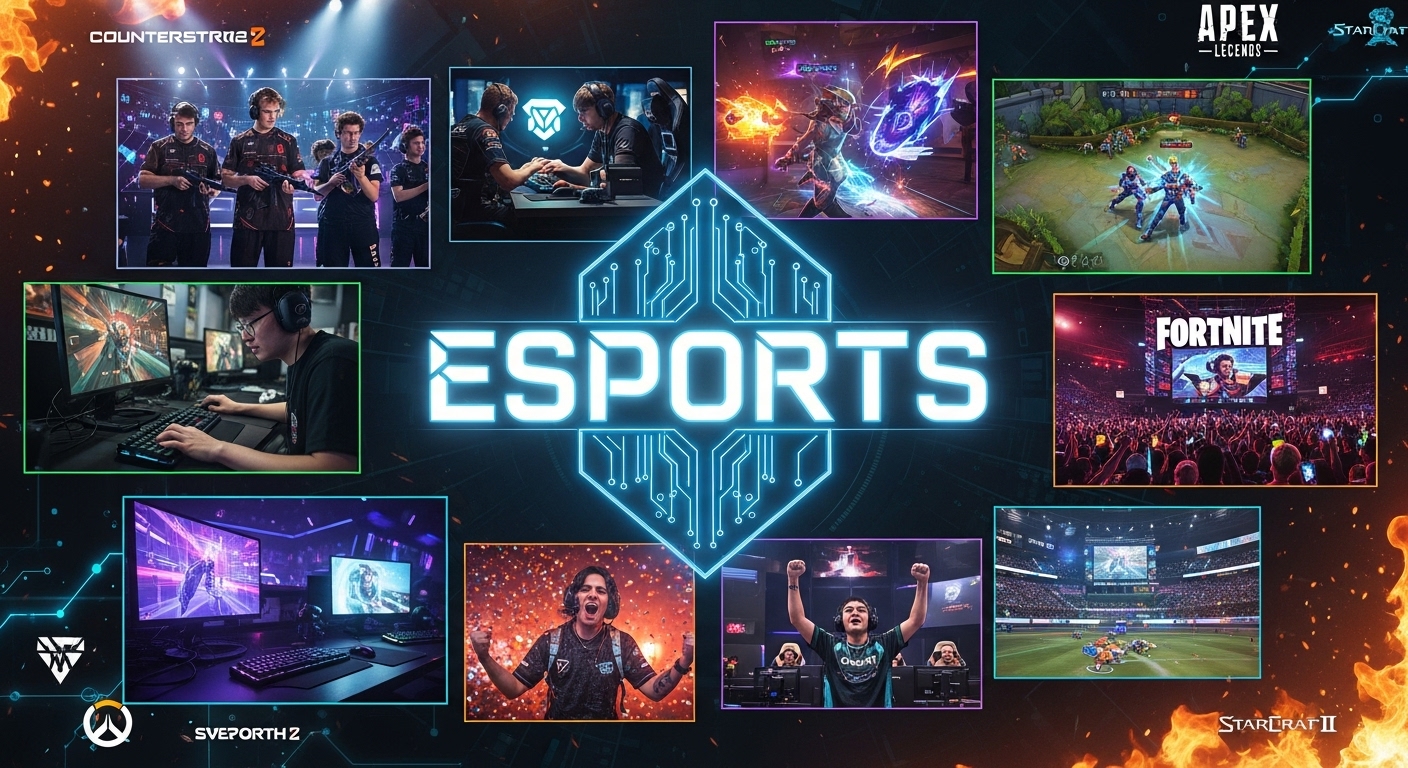
Esports has rapidly evolved from a niche hobby into a global phenomenon that rivals traditional sports in popularity, viewership, and economic impact. Competitive gaming, once limited to small communities of enthusiasts, now fills stadiums, attracts millions of online viewers, and provides professional players with lucrative careers. With technological advancements, the rise of online streaming platforms, and increasing corporate investment, esports has become an entertainment and cultural powerhouse, reshaping the landscape of competitive gaming.
This blog explores the world of esports, examining its history, growth, key games, professional structure, economic influence, technological underpinnings, and the societal impact of this dynamic industry. It also delves into the future potential of esports as it continues to expand worldwide.
The Origins of Esports
Esports, short for electronic sports, traces its roots back to the early days of competitive video gaming. In the 1970s and 1980s, simple arcade competitions and tournaments for games like Space Invaders and Pac-Man drew enthusiastic crowds. Early gaming magazines and communities helped spread awareness of these competitions, cultivating a culture of competition among players.
The 1990s brought a significant evolution with the advent of networked PC gaming. Titles like Quake, Counter-Strike, and StarCraft allowed players to compete online, establishing the foundation of competitive gaming leagues. The emergence of LAN parties and local tournaments further cemented the concept of organized esports.
By the early 2000s, esports began to gain legitimacy, with professional teams, sponsors, and dedicated tournaments. The rise of online platforms and streaming technologies accelerated growth, turning esports into a global entertainment industry.
The Explosion of Esports in the 2010s
The 2010s marked a turning point for esports, transitioning from niche competitions to mainstream recognition. Streaming platforms like Twitch, YouTube Gaming, and Facebook Gaming allowed millions of viewers to watch live competitions, connecting players and fans worldwide. Esports events began to rival traditional sports in terms of production quality, prize pools, and audience engagement.
Major tournaments such as The International for Dota 2, the League of Legends World Championship, and Overwatch League Finals attracted millions of viewers and multi-million-dollar prize pools. Sponsorships from major brands, media coverage, and broadcast deals further legitimized esports as a professional and profitable industry.
The accessibility of online gaming also contributed to esports’ rapid growth. Players could now compete from home, participate in regional and global tournaments, and build careers without the need for physical arenas. This democratization of competition expanded the player base and nurtured the rise of professional esports athletes.
Key Genres and Games in Esports
Esports encompasses a diverse range of game genres, each with its unique appeal, mechanics, and competitive structure. Understanding these genres provides insight into why esports captivates millions of players and viewers.
Multiplayer Online Battle Arenas (MOBAs)
Games like League of Legends and Dota 2 dominate esports viewership. MOBAs require strategic planning, teamwork, and fast reflexes. Players control characters with unique abilities, working as a team to defeat opponents and achieve objectives. The complexity and depth of these games create compelling competitions for both players and spectators.
First-Person Shooters (FPS)
FPS games such as Counter-Strike: Global Offensive, Call of Duty, and Overwatch emphasize precision, reflexes, and strategic positioning. FPS esports attract high viewership due to the fast-paced, action-packed nature of gameplay. Competitive FPS tournaments showcase skill, teamwork, and tactical ingenuity.
Sports Simulations
Sports simulation games like FIFA, NBA 2K, and Madden NFL translate real-world sports into virtual competitions. These games appeal to both traditional sports fans and gamers, providing a familiar context while offering strategic depth and competitive play.
Battle Royale Games
Titles like Fortnite, PUBG, and Apex Legends brought battle royale games into esports prominence. These games combine survival, strategy, and shooter mechanics, creating tense, unpredictable matches. The large-scale competitive format attracts viewers eager to witness the drama of high-stakes elimination rounds.
Fighting Games
Fighting games like Street Fighter, Tekken, and Super Smash Bros. offer intense one-on-one or team battles. Competitive fighting games emphasize skill, timing, and reaction speed. They have a dedicated esports following, supported by regional and global tournaments such as EVO (Evolution Championship Series).
The Structure of Professional Esports
Professional esports operates with a structure similar to traditional sports, including teams, leagues, tournaments, and governing bodies. Top esports teams consist of highly trained players, coaches, analysts, and support staff. Training schedules, strategic planning, and performance analysis are integral to maintaining competitive excellence.
Leagues and tournaments provide a platform for organized competition. For example, the League of Legends Championship Series (LCS) and Overwatch League operate on franchise models with seasonal schedules, playoffs, and finals, similar to professional sports leagues.
Prize pools have grown exponentially, with some tournaments offering tens of millions of dollars in winnings. Beyond prize money, players often receive sponsorship deals, streaming revenue, and merchandising opportunities.
The Economic Impact of Esports
Esports has become a major economic force, generating revenue from multiple streams. These include tournament prize money, sponsorships, media rights, merchandise, and in-game purchases. Corporations recognize esports’ marketing potential, targeting a young, digitally engaged audience that traditional sports sometimes struggle to reach.
The industry also creates employment opportunities for players, coaches, content creators, tournament organizers, and technical professionals. In addition, esports contributes to tourism and local economies through live events and conventions.
Global esports revenue has continued to grow at an unprecedented rate, signaling a sustainable future. Analysts predict continued expansion as technology, viewership, and investment converge to drive further growth.
The Role of Streaming Platforms
Streaming platforms are the backbone of esports’ popularity. Platforms like Twitch allow players to broadcast matches live, interact with viewers in real time, and build personal brands. This accessibility has created a culture where fans can follow their favorite players, learn strategies, and participate in communities.
Streaming also enables amateur players to gain recognition and sponsorship opportunities. Rising stars can showcase their skills, attract fans, and eventually join professional teams, creating a talent pipeline for the industry.
The integration of chat, subscriptions, and donations adds a social and financial dimension, allowing fans to support players directly and engage with esports content on a personal level.
Esports and Technology
Esports relies heavily on cutting-edge technology to ensure fair competition, immersive experiences, and global connectivity.
High-Performance Hardware
Competitive gaming demands powerful computers, monitors with high refresh rates, precise input devices, and stable internet connections. This ensures that players can perform at their best and that matches are decided by skill rather than technical limitations.
Game Analytics
Professional teams leverage analytics to study gameplay patterns, evaluate opponents, and optimize strategies. Data-driven insights enhance performance, creating a higher level of competition.
Broadcast Technology
Advanced production techniques, including multiple camera angles, instant replays, overlays, and live commentary, elevate esports broadcasts to the level of traditional sports. This immersive presentation enhances the viewing experience and draws larger audiences.
Virtual Reality and Augmented Reality
Emerging technologies such as VR and AR have the potential to transform esports, offering new forms of immersive competition and audience engagement. VR esports tournaments are beginning to appear, blending physical movement with digital gameplay.
Community and Social Impact
Esports has a profound social impact, fostering global communities united by shared interests. Players and fans connect across borders, cultures, and languages through games, forums, social media, and streaming platforms.
Esports also encourages inclusivity and accessibility. Unlike traditional sports, which may require physical prowess or access to facilities, esports allows individuals of varying abilities and locations to compete on an equal footing.
Furthermore, esports inspires youth engagement with technology, teamwork, and critical thinking. Many players develop strategic thinking, communication, and problem-solving skills that extend beyond gaming.
Challenges Facing Esports
Despite its explosive growth, esports faces challenges that must be addressed to sustain its long-term success.
Health and Wellness
Professional players often face physical and mental strain due to long training hours, travel, and competitive pressure. Maintaining a healthy balance is essential to prevent burnout.
Regulation and Governance
The lack of universal governing bodies for esports leads to inconsistent rules, standards, and ethical guidelines. Establishing uniform regulations will help legitimize the industry further.
Cheating and Fair Play
Ensuring fair play remains critical. Platforms must implement anti-cheat software, monitoring systems, and strict rules to prevent cheating, hacking, and manipulation of outcomes.
Market Saturation
With an increasing number of games, tournaments, and teams, esports faces the risk of oversaturation. Maintaining quality and competitive integrity is crucial to sustaining fan interest.
The Future of Esports
The future of esports is bright, with innovation, investment, and growing cultural influence shaping its trajectory. Some trends to watch include:
Global Expansion
Esports will continue to expand in emerging markets, increasing viewership and participation worldwide.
Integration with Traditional Sports
Collaborations between esports and traditional sports leagues will grow, with cross-promotional events and joint initiatives enhancing fan engagement.
Mobile Esports
Mobile gaming is becoming a significant driver of esports, particularly in regions with high smartphone penetration and limited access to PCs or consoles.
Virtual and Augmented Reality Competitions
VR and AR technologies will create new competitive formats, blending physical and digital skill, and expanding the possibilities for immersive esports experiences.
Educational and Career Opportunities
Esports programs in schools and universities are growing, providing pathways for education, career development, and professional training in gaming, broadcasting, and game development.
Conclusion
Esports has emerged as a transformative force in global entertainment. By combining skill, strategy, technology, and community, esports captivates millions of fans worldwide and provides professional opportunities for players and content creators.
Its evolution from niche competitions to a global phenomenon illustrates the power of digital connectivity and the universal appeal of competitive play. With ongoing innovation in technology, broadcasting, and game design, esports is poised to continue reshaping the landscape of gaming and entertainment.
As esports matures, it will not only entertain but also inspire, educate, and connect people globally, creating a dynamic culture where virtual competition has real-world impact. The future of esports promises even greater immersion, inclusivity, and excitement, making it one of the most influential entertainment industries of the 21st century.