Introduction: The Rise of a New Sporting Era
In the last two decades, the world has witnessed an extraordinary shift in how people perceive sports and competition. Gone are the days when athleticism was confined to physical arenas. Today, with the rise of esports, digital platforms have become battlegrounds where strategy, skill, and teamwork converge in the virtual world. Esports, short for electronic sports, refers to organized competitive gaming where individuals or teams play against each other in video games for prestige and prize money. What once started as a niche hobby for gaming enthusiasts has now evolved into a billion-dollar industry captivating millions around the globe.
The Origins of Esports
The story of esports began modestly in the early 1970s when gaming competitions were held at universities and local arcades. One of the earliest recorded video game tournaments took place in 1972 at Stanford University, where students competed in a game called Spacewar. As technology advanced, the 1980s and 1990s introduced more accessible gaming consoles and home computers, allowing video games to reach mainstream audiences. The introduction of multiplayer games and local area network (LAN) competitions paved the way for organized gaming tournaments. The turn of the millennium marked a pivotal era for esports, with games like Counter-Strike, StarCraft, and Warcraft III becoming the cornerstones of competitive gaming culture.
The Growth of Esports into a Global Industry
What truly propelled esports into global recognition was the integration of the internet and live streaming platforms. With online connectivity, players could now compete across continents, creating international rivalries and expanding the competitive scene beyond local events. Esports transitioned from being a hobby to a structured industry with professional teams, sponsorships, and dedicated leagues. Massive tournaments began filling stadiums, and millions of fans tuned in to watch their favorite players compete in real-time. Esports organizations began to function like traditional sports clubs, with training facilities, coaching staff, analysts, and even fitness programs to keep players in peak condition.
Popular Games that Shaped Esports
Esports thrives on diversity, with various games representing different genres and styles of play. Titles like League of Legends, Dota 2, and Counter-Strike: Global Offensive have long dominated the esports landscape due to their competitive balance and community support. Games such as Overwatch, Valorant, and Call of Duty brought new audiences into the fold with fast-paced action and innovative gameplay mechanics. Meanwhile, sports simulation games like FIFA and NBA 2K bridge the gap between traditional sports and digital competition, allowing fans of football and basketball to experience their favorite sports virtually. Battle royale games such as Fortnite and PUBG added a new dimension to esports with massive multiplayer environments and unpredictable gameplay dynamics. Each of these games has contributed to expanding the global esports audience and diversifying the kinds of competitions available.
The Professional Esports Athlete
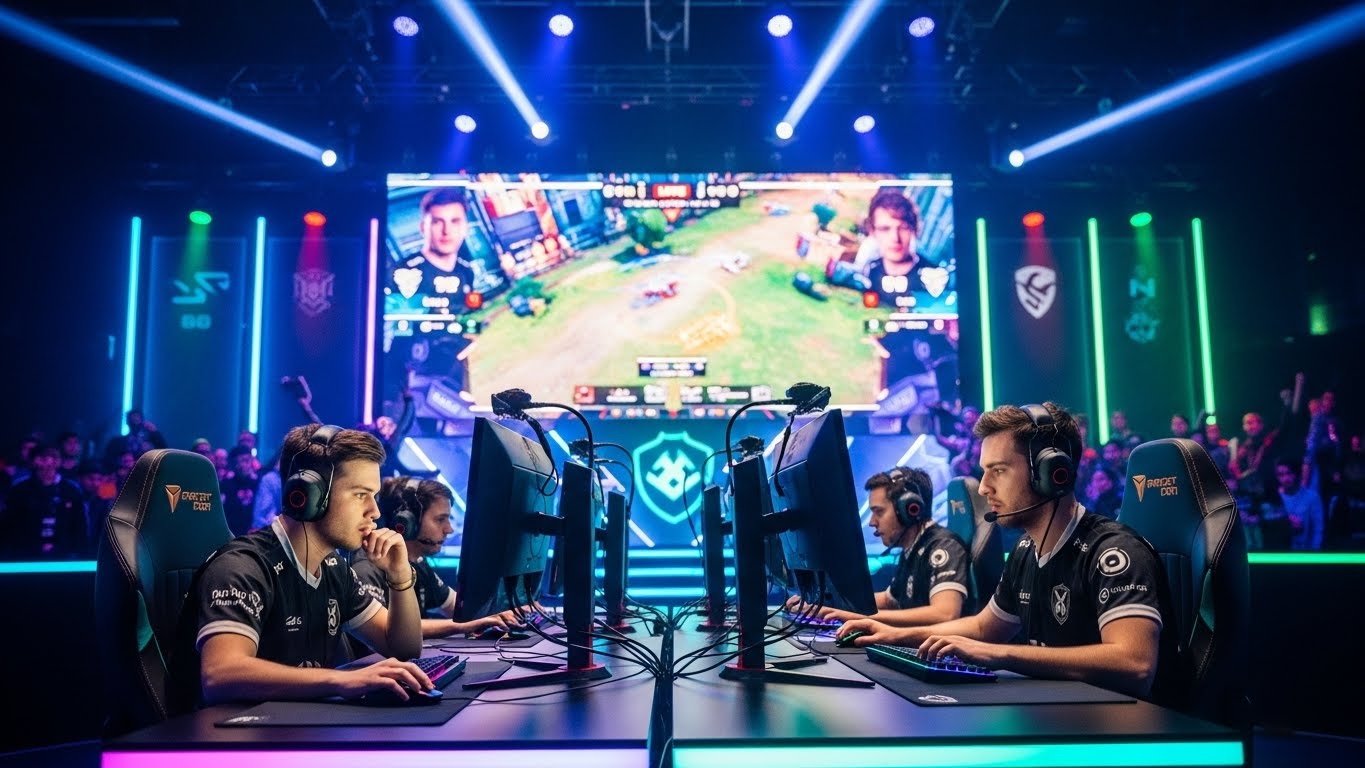
Contrary to the stereotype of a casual gamer, professional esports players undergo rigorous training regimens comparable to those of traditional athletes. They spend hours each day practicing strategies, improving reflexes, and studying their opponents’ tactics. Mental fortitude plays a crucial role, as even a split-second decision can determine the outcome of a match. Team communication and coordination are equally important, especially in games that require real-time decision-making under intense pressure. Many esports teams employ sports psychologists and nutritionists to ensure their players maintain focus and a healthy lifestyle. The professionalization of esports has elevated gaming from a pastime to a career path, inspiring countless young individuals to pursue their passion competitively.
The Role of Technology in Esports Evolution
Technology has been the driving force behind esports’ rapid growth. High-performance gaming computers, advanced graphics, and fast internet speeds have enabled smoother gameplay experiences. Virtual reality (VR) and augmented reality (AR) are now being explored to bring even more immersive experiences to competitive gaming. Moreover, streaming platforms have revolutionized audience engagement, allowing fans to watch their favorite players live from anywhere in the world. Artificial intelligence and data analytics are also influencing esports training, helping players analyze gameplay patterns and improve performance. As technology continues to advance, the boundaries of what esports can achieve seem limitless.
Esports and Education
A fascinating development in recent years is the integration of esports into educational systems. Many universities now offer esports scholarships, treating gaming talent with the same recognition as traditional sports abilities. Esports programs in schools focus not only on gaming skills but also on teamwork, leadership, and digital literacy. Students learn about event management, broadcasting, and marketing, preparing them for careers in the broader gaming and entertainment industries. This academic inclusion of esports signifies its acceptance as a legitimate and valuable field of study and professional pursuit.
The Economics of Esports
The esports industry has become a financial powerhouse, attracting sponsors, advertisers, and investors worldwide. Prize pools for major tournaments often reach millions of dollars, drawing in elite competitors. Beyond tournaments, revenue streams come from sponsorship deals, merchandise sales, brand endorsements, and media rights. Game publishers benefit through increased engagement, while streaming platforms generate advertising revenue from millions of live viewers. Esports’ economic impact extends further, contributing to tourism through large-scale events hosted in major cities. This multi-layered ecosystem demonstrates the commercial potential and sustainability of esports as a global industry.
The Spectator Experience: Fans at the Core
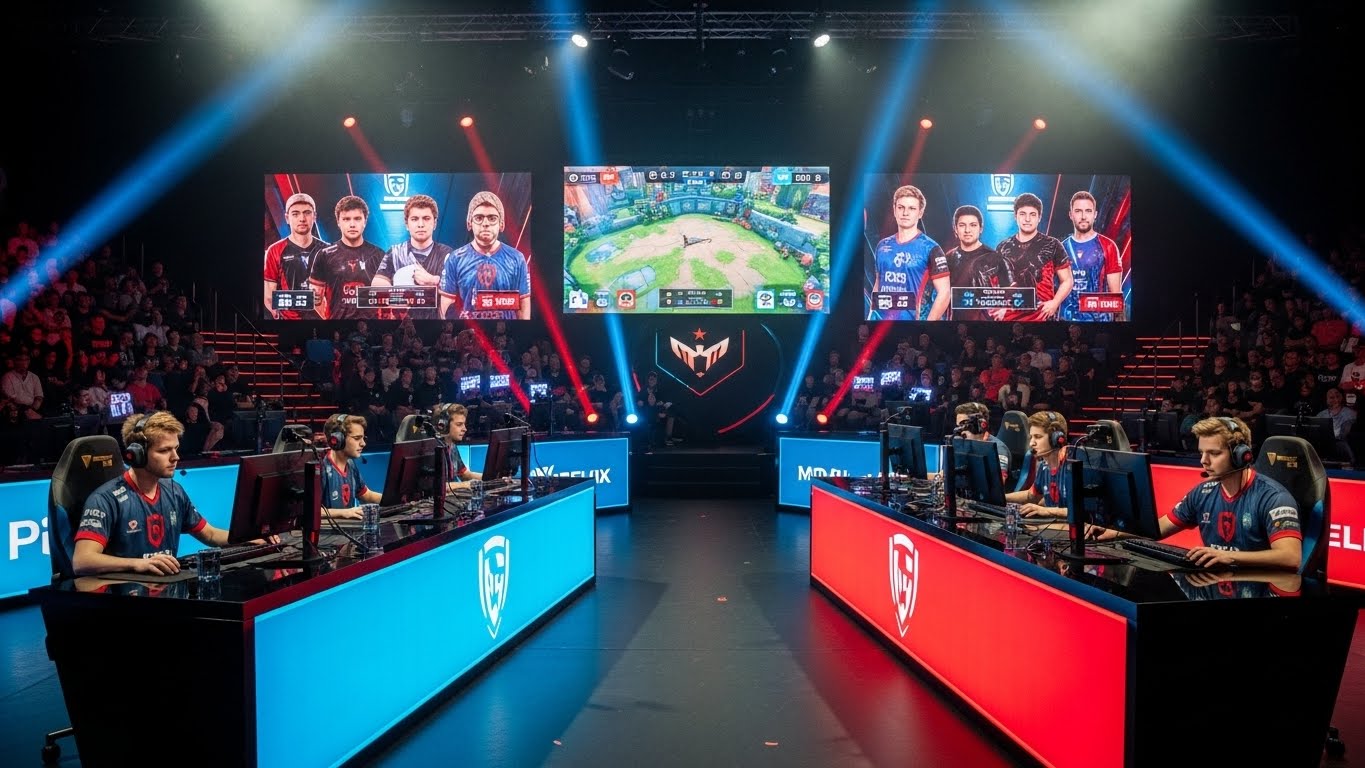
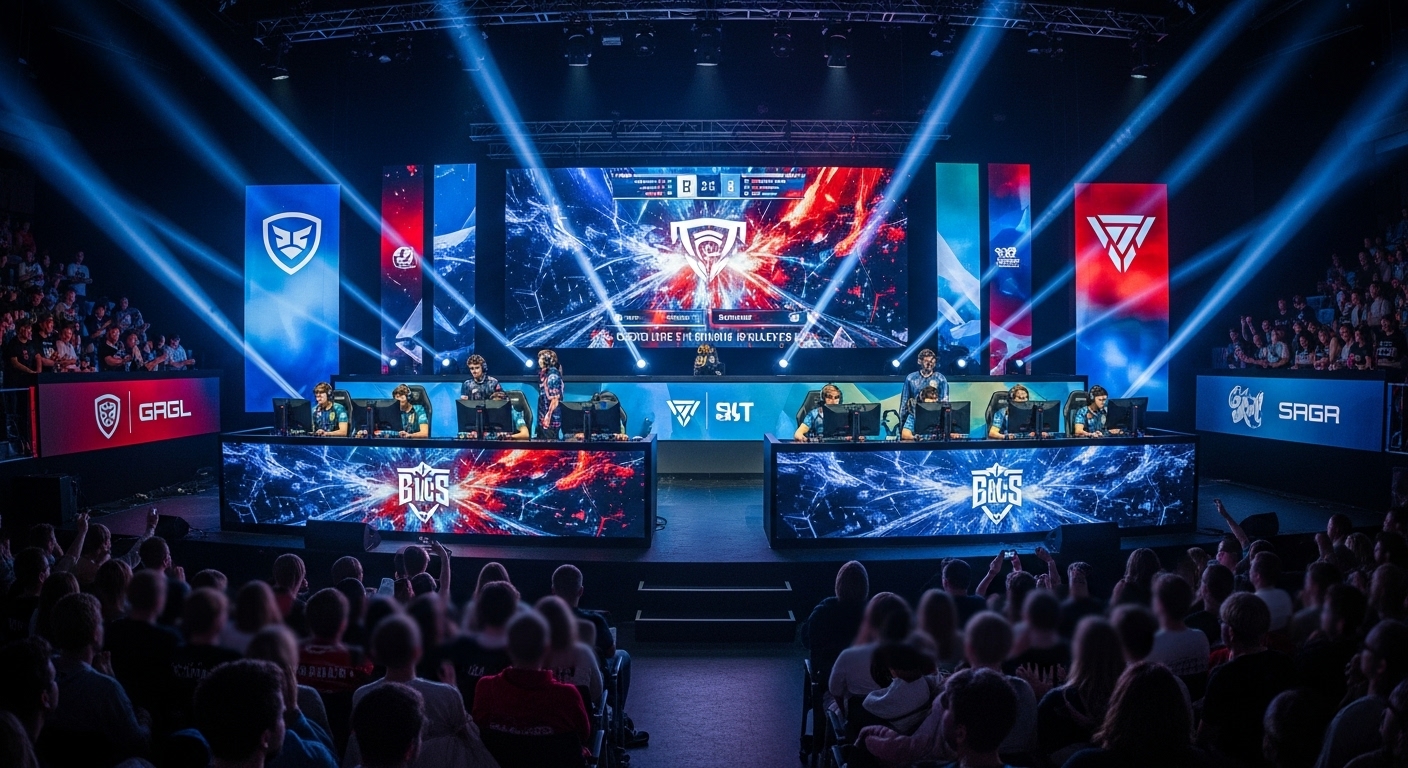
At the heart of esports lies its passionate fanbase. Esports fans are highly interactive, engaging through live chats, fan forums, and social media communities. Live events create electric atmospheres where thousands of fans gather to cheer for their favorite teams. The production quality of esports broadcasts rivals that of major television sports networks, complete with commentary, analysis, and cinematic camera angles. Fans often develop emotional connections with players, following their careers across teams and tournaments. The sense of community within esports is one of its defining strengths, bridging cultural and linguistic divides.
Cultural Impact and Global Reach
Esports has become a cultural phenomenon that transcends borders. It unites people from diverse backgrounds under a shared passion for gaming. Countries like South Korea, China, and the United States have become powerhouses in esports, with national pride often attached to international competitions. Esports events now attract viewership numbers rivaling major sporting events such as the Super Bowl or the Olympics. The influence of esports has even permeated popular culture, inspiring fashion trends, music collaborations, and entertainment content. Through esports, digital culture has gained mainstream recognition and legitimacy.
Challenges Faced by the Esports Industry
Despite its success, esports faces several challenges. Player burnout is a serious concern due to the intense training and competitive schedules. Maintaining mental health and work-life balance is crucial for longevity in the industry. Another issue is the lack of standardized regulations, as different games and regions operate under varying rules. Concerns over cheating, match-fixing, and online toxicity also need constant attention to maintain fair competition and community safety. Additionally, gender disparity remains a topic of discussion, with efforts being made to promote inclusivity and equal opportunities for all players. Addressing these challenges is essential for the long-term sustainability of the esports ecosystem.
The Future of Esports
Looking ahead, the future of esports appears brighter than ever. The continued growth of technology, coupled with increasing mainstream recognition, will further cement esports as a central pillar of global entertainment. Virtual reality may introduce new competitive formats, while cross-platform integration could allow players from different devices to compete seamlessly. As more traditional sports organizations and media companies invest in esports, the lines between digital and physical sports will blur. The dream of seeing esports as part of the Olympic Games, once unimaginable, now feels within reach. Esports is not just a passing trend; it is a defining element of the modern digital age.
Conclusion: The Power of Digital Competition
Esports has redefined what it means to be an athlete, a fan, and a competitor in the 21st century. It combines technology, creativity, and human skill to create an experience that resonates with millions worldwide. From small university competitions to international tournaments watched by millions, the journey of esports reflects the boundless potential of digital innovation. It proves that passion, strategy, and teamwork can thrive in any arena, physical or virtual. As esports continues to evolve, it will undoubtedly inspire new generations to embrace competition not just for victory, but for the love of the game itself.