Introduction
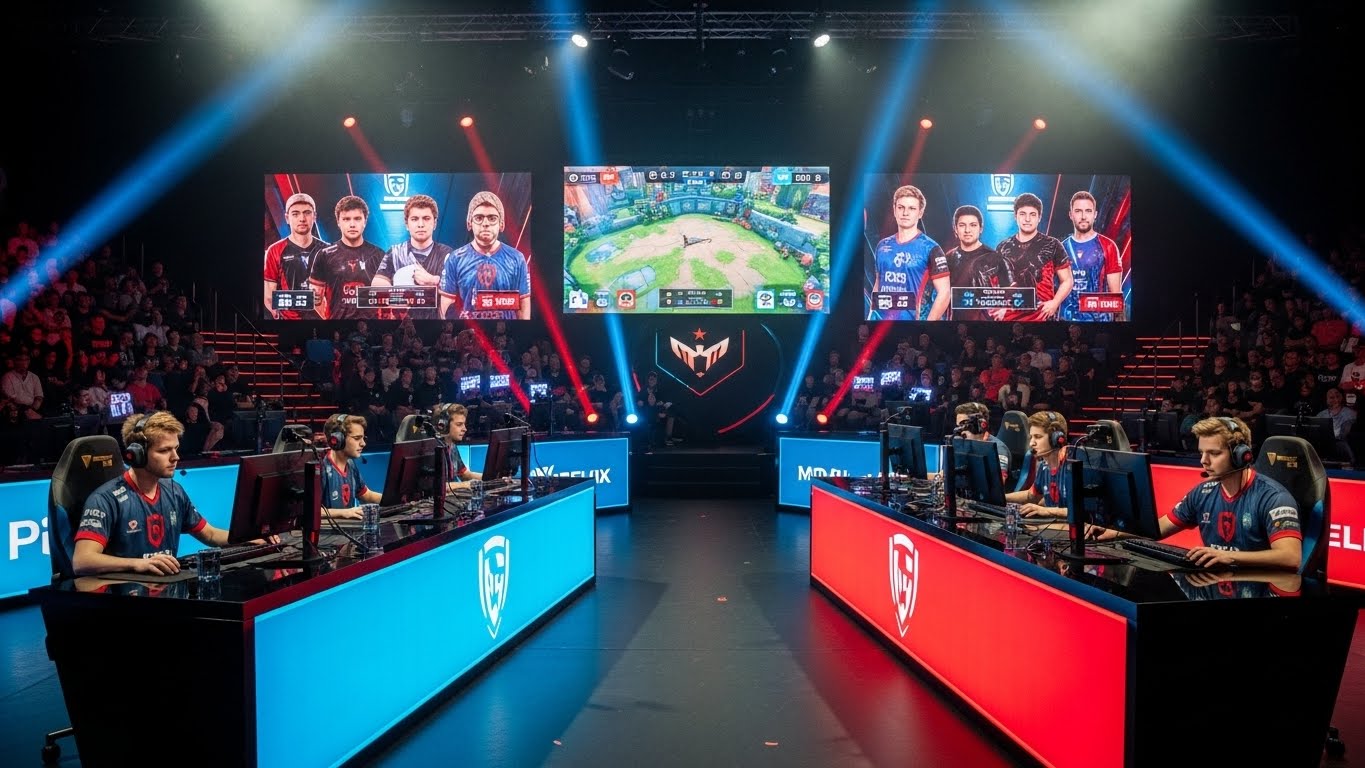
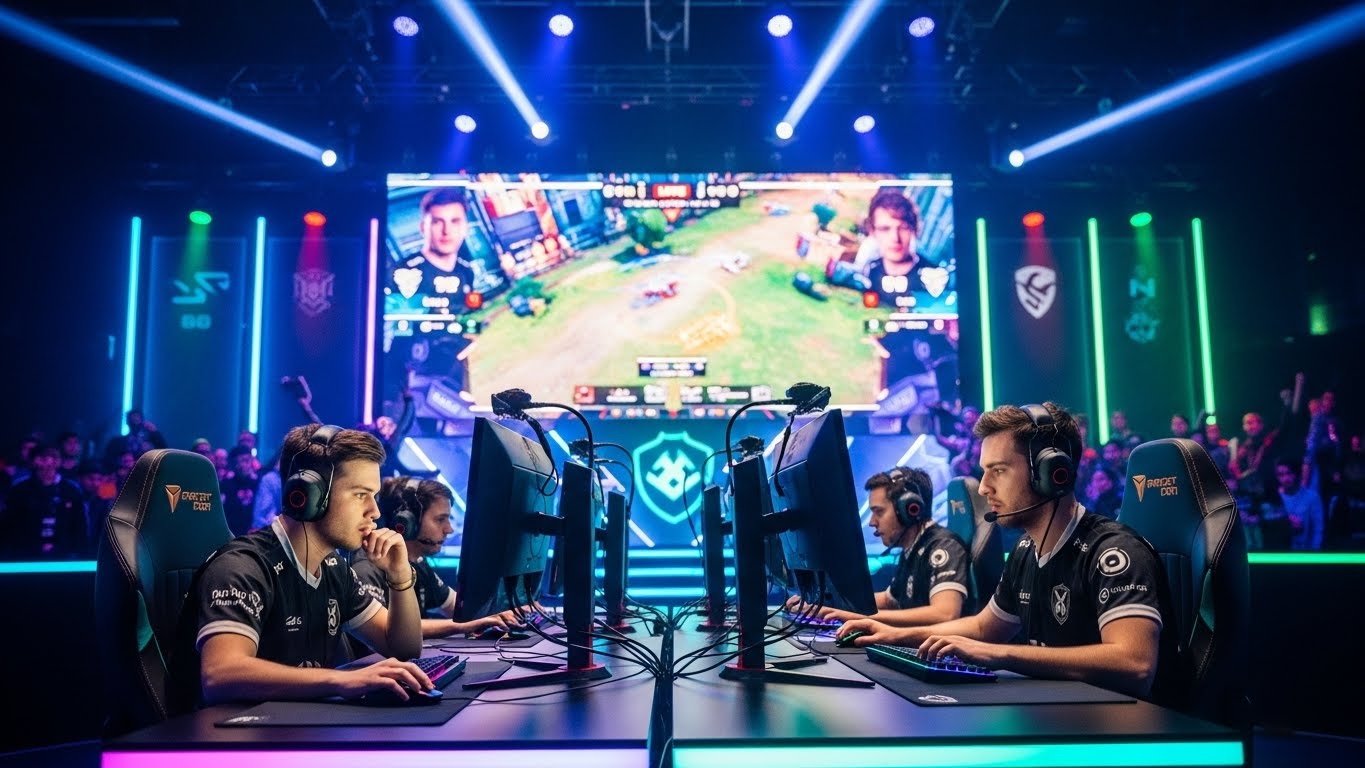
In the modern age of technology, few industries have seen such explosive growth as Esports. What began as friendly competitions among friends in local gaming cafés has transformed into a billion-dollar global phenomenon. Esports — short for electronic sports — refers to organized, competitive video gaming where players or teams face off in popular titles such as League of Legends, Counter-Strike, Dota 2, Valorant, and Fortnite. These competitions are broadcasted online, attracting millions of fans who tune in to watch their favorite players battle for fame, glory, and often, life-changing prize pools.
Esports has evolved from a niche hobby to a mainstream cultural and economic powerhouse. It represents not only the future of entertainment but also the redefinition of sports in a digital age. This article explores the journey of Esports — its history, growth, impact, and what lies ahead for this dynamic industry.
The Early Days of Competitive Gaming
The 1970s and 1980s: The Birth of Gaming Competitions
The origins of Esports can be traced back to the early 1970s. The first known video game competition took place at Stanford University in 1972, where students competed in a game called Spacewar!. The winner received a one-year subscription to Rolling Stone magazine — a humble prize compared to today’s multi-million-dollar tournaments.
By the 1980s, arcade gaming had taken the world by storm. Titles like Pac-Man, Donkey Kong, and Space Invaders became cultural icons. Arcades became battlegrounds where players competed for high scores, and leaderboards were the measure of skill and prestige. Competitive gaming at that time was informal, but it laid the foundation for the Esports industry that would later emerge.
The 1990s: The Rise of PC and Console Competitions
The 1990s saw the advent of personal computers and gaming consoles, which revolutionized how people played. Games like Street Fighter II and Mortal Kombat introduced the concept of head-to-head player combat. Meanwhile, the rise of multiplayer PC games such as Doom and Quake allowed players to connect via local networks (LANs), creating communities that competed in organized settings.
This period marked the beginning of professional gaming tournaments. Events like the Cyberathlete Professional League (CPL) and QuakeCon drew attention from both players and spectators. Competitive gaming began to move out of basements and into event halls.
The Internet Era: Online Competition Takes Over
Early 2000s: The Online Gaming Revolution
The early 2000s brought broadband internet to millions of homes, transforming gaming forever. For the first time, players could compete with opponents from around the world in real time. Online matchmaking systems and ranking ladders emerged, allowing players to measure their skills globally.
Games such as StarCraft, Counter-Strike 1.6, and Warcraft III became pioneers of online competitive gaming. South Korea, in particular, became a global leader in Esports. Televised gaming matches, professional teams, and sponsorship deals became common in Korean Esports long before the rest of the world caught up.
The Birth of Major Esports Titles
The 2000s also saw the emergence of games that would shape the future of competitive gaming. Dota, a mod for Warcraft III, introduced the concept of team-based multiplayer online battle arenas (MOBAs). Counter-Strike continued to evolve, setting the standard for tactical first-person shooters. Meanwhile, Halo, Call of Duty, and FIFA brought Esports to console players.
These games had one thing in common — a balance of skill, strategy, and teamwork that made them ideal for competition. Developers began to see the potential of Esports not just as a marketing tool, but as a sustainable business model.
The Professionalization of Esports
The 2010s: The Decade of Mainstream Growth
The 2010s were the turning point for Esports. Streaming platforms such as Twitch and YouTube Gaming allowed fans to watch matches live from anywhere in the world. This accessibility transformed Esports from a subculture into a spectator sport.
Tournaments like The International (for Dota 2), League of Legends World Championship, and Intel Extreme Masters filled entire stadiums. Prize pools reached millions of dollars, with players becoming celebrities in their own right. Organizations like Team Liquid, Fnatic, Cloud9, and T1 built global brands around their competitive rosters.
Corporate Investment and Sponsorships
As audiences grew, corporations took notice. Brands such as Intel, Red Bull, and Coca-Cola began sponsoring tournaments and teams. Esports events were streamed to tens of millions of viewers, rivaling traditional sports broadcasts. Media networks signed deals to air tournaments, and universities even began offering scholarships for Esports athletes.
This influx of money and recognition marked the full professionalization of the Esports industry. Teams had coaches, analysts, nutritionists, and training facilities — mirroring traditional sports organizations.
The Culture and Community of Esports
A New Kind of Athlete
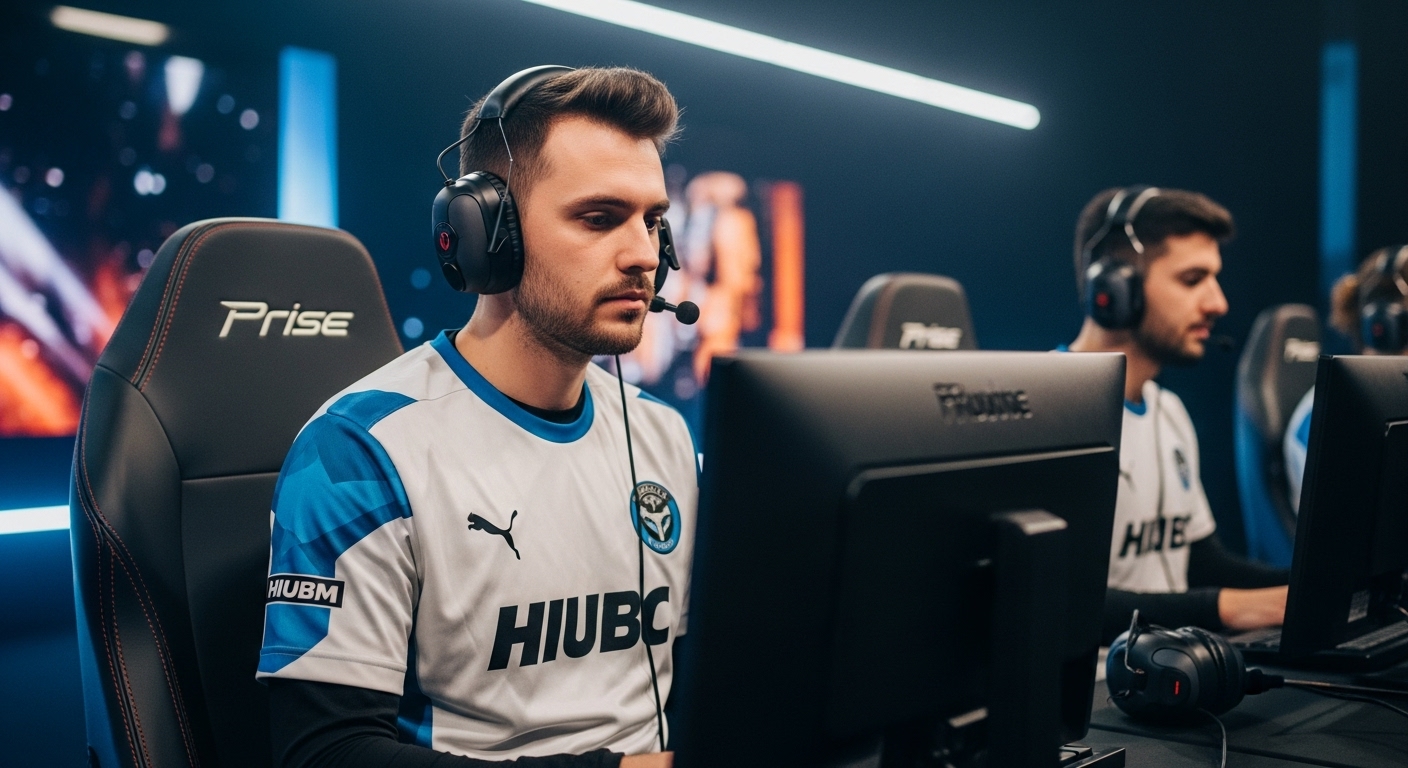
Esports players are often compared to traditional athletes, and while they may not rely on physical strength, they demonstrate incredible mental agility, reaction time, and teamwork. Professional gamers train for hours daily, studying strategies, analyzing opponents, and refining their mechanics.
The dedication required to compete at the top level is immense. A single mistake in a match can cost a team millions. Players often retire young, as the mental strain and rapid evolution of games make it difficult to maintain peak performance for long.
The Fans and Global Community
Esports fandom is unlike any other. Fans not only support teams but also actively engage with players through live chats, social media, and community events. Unlike traditional sports where fans watch passively, Esports fans can directly participate in the same games as their idols.
Online platforms have allowed Esports to transcend language and geography. A fan in Brazil can cheer for a team from Europe while playing with friends in Asia. The shared passion for gaming has built a truly global community that celebrates skill, creativity, and digital connection.
Esports as a Business Empire
Tournament Economics
The economics of Esports are complex but fascinating. Revenue streams include sponsorships, media rights, merchandise, ticket sales, and digital items. Major tournaments, such as The International, are crowdfunded through in-game purchases, allowing fans to directly contribute to prize pools.
Game publishers have also created their own leagues — for example, Overwatch League, Call of Duty League, and Valorant Champions Tour. These leagues operate like traditional sports franchises, with structured seasons, player contracts, and profit-sharing models.
Esports Organizations and Franchises
Teams have evolved into full-fledged organizations managing multiple rosters across different games. These organizations are not just competing for trophies but also building brands through content creation, apparel, and social media presence. Some even collaborate with celebrities and musicians to expand their audience.
Esports organizations have become business ventures attracting investors from sports, entertainment, and technology sectors. Figures like Michael Jordan, Drake, and David Beckham have all invested in Esports, signaling its long-term potential.
The Role of Technology
Streaming and Broadcasting
Technology has been the backbone of Esports’ growth. High-quality streaming has made it possible for anyone to broadcast their gameplay or watch global tournaments. Advances in production, camera angles, commentary, and augmented reality have made Esports events visually spectacular.
Spectator tools, instant replays, and live statistics enhance the viewing experience, giving fans a deeper understanding of strategies and player performance. The production value of top-tier tournaments now rivals that of traditional sports events.
Virtual Reality and AI in Esports
Emerging technologies such as virtual reality (VR) and artificial intelligence (AI) are beginning to shape the future of Esports. VR games introduce new dimensions of physicality and immersion, while AI is used for training players, analyzing gameplay data, and optimizing strategies.
Machine learning models can predict outcomes, evaluate performance, and even generate insights that human coaches might overlook. As these technologies advance, Esports will continue to push the boundaries of what competitive entertainment can be.
Esports Education and Career Opportunities
Beyond Playing: Careers in Esports
While professional players often take the spotlight, Esports offers a wide range of career paths. Commentators (known as “casters”), analysts, event organizers, marketers, content creators, and developers all contribute to the industry’s ecosystem.
Universities around the world now offer degrees in Esports management, game design, and digital media. Educational institutions recognize that Esports combines elements of business, psychology, communication, and technology — making it a multidisciplinary field.
The Future Workforce of Gaming
As the industry matures, professionalism and structure are becoming crucial. Contracts, player unions, and legal frameworks are being developed to protect players’ rights and ensure fair play. The need for skilled professionals in marketing, data analytics, and event production will only grow as Esports expands.
The Global Impact of Esports
A Cultural Phenomenon
Esports has reshaped modern entertainment. It’s not just about watching others play; it’s about participating in a global culture that values creativity, collaboration, and innovation. Gaming conventions, cosplay, and fan art are integral parts of the Esports community.
Countries have started recognizing Esports as legitimate sports. South Korea, China, and several European nations officially classify Esports athletes as professionals. The inclusion of Esports in multi-sport events, such as the Asian Games, demonstrates its growing legitimacy.
The Economic and Social Impact
The Esports industry contributes billions of dollars to the global economy. It creates jobs, fosters technological innovation, and drives tourism through major events. Moreover, it provides an inclusive space for people of all backgrounds to connect and compete on equal footing.
Esports has also become a tool for social change. Charitable tournaments, mental health awareness campaigns, and diversity initiatives have emerged within the gaming community. Esports champions are using their platforms to inspire positive social impact.
Challenges Facing the Industry
Player Burnout and Mental Health
Behind the glamour of Esports lies an intense and demanding lifestyle. Players often face extreme pressure, long practice hours, and online scrutiny. Burnout and mental health issues have become serious concerns. Organizations are increasingly prioritizing mental well-being through therapy, breaks, and better working conditions.
Cheating and Fair Play
As in any competition, fairness is essential. Cheating, match-fixing, and the use of unauthorized software pose significant challenges. Developers and tournament organizers are investing in anti-cheat systems, stricter regulations, and monitoring to maintain integrity.
Balancing Commercialization and Community
As Esports becomes more commercial, there’s a growing concern about losing the authenticity that made it special. Some fans fear that franchising and corporate involvement could stifle grassroots competition. Maintaining a balance between profit and passion will be crucial for the industry’s future.
The Future of Esports
Mainstream Integration
Esports is no longer an outsider in the world of sports. It is increasingly integrated with mainstream culture. Traditional sports organizations are investing in Esports teams, and broadcasters are dedicating airtime to tournaments. In the coming years, Esports may share the same global stage as football, basketball, or the Olympics.
Technological Evolution
The next phase of Esports will be defined by new technologies — 5G connectivity, virtual reality, blockchain, and cloud gaming. These innovations will enhance interactivity, accessibility, and audience engagement. The line between playing and watching may blur completely as virtual worlds evolve into massive shared spaces for competition and entertainment.
A Generation Redefining Sports
For younger generations, Esports is more than just a pastime; it’s a lifestyle. It symbolizes creativity, digital skill, and community. As digital natives grow up in a world where gaming is as common as traditional sports, Esports will continue to redefine how humanity experiences competition and entertainment.
Conclusion
Esports represents one of the most remarkable transformations in modern culture. From small gatherings of passionate players to global tournaments filling arenas, its journey has been driven by technology, creativity, and the universal human love for competition.
More than just a sport, Esports is a movement — a symbol of how digital innovation can bring people together across borders, languages, and generations. Its future shines brightly, not only as an entertainment industry but as a cultural force that continues to inspire millions worldwide.
As we look forward, one thing is certain: the Esports revolution has only just begun.