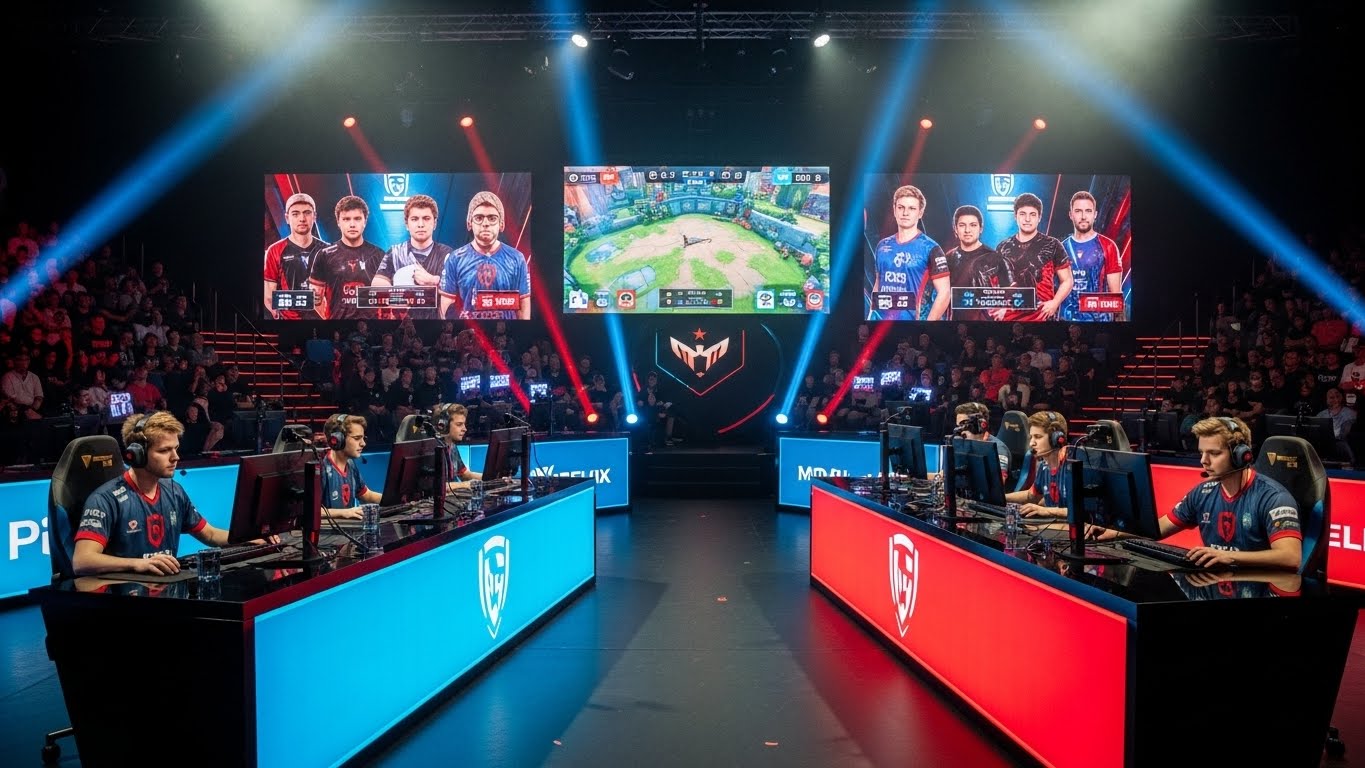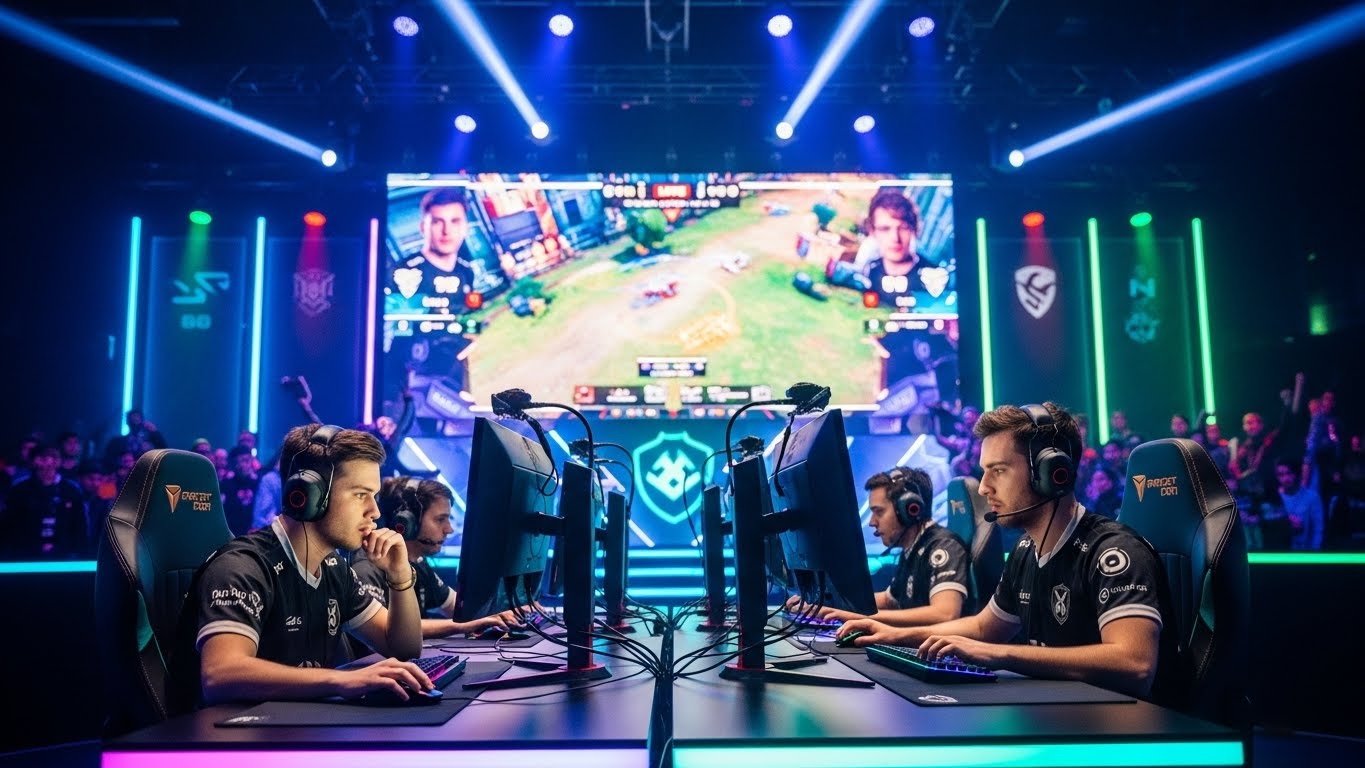
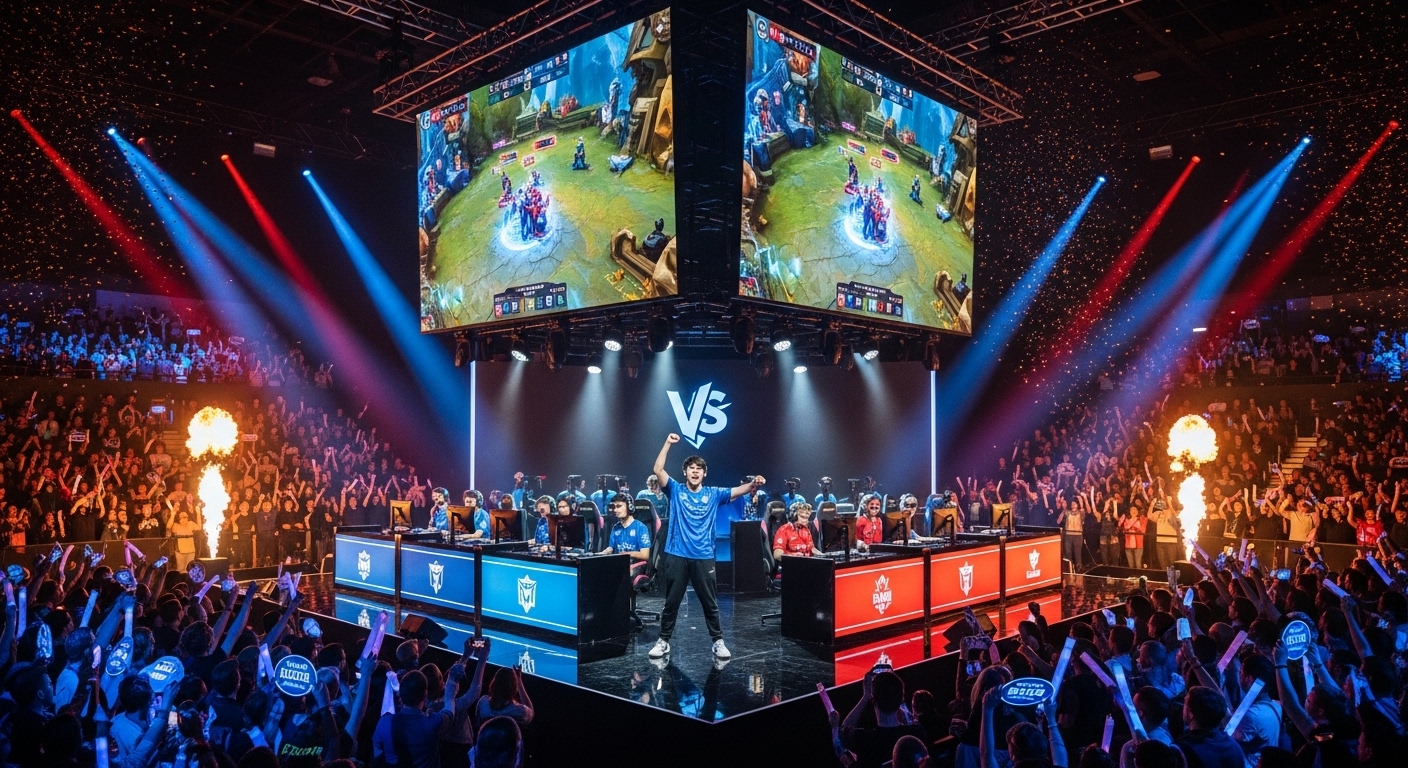
Esports, short for electronic sports, has transformed from a niche pastime into a global cultural and economic phenomenon. What began as small competitions among gamers has exploded into a billion-dollar industry, with millions of viewers, professional players, and large-scale events that rival traditional sports. Today, esports is not just about playing video games—it’s about performance, strategy, entertainment, and community.
In this blog post, we will explore the rise of esports, its impact on entertainment, the challenges it faces, and what the future holds for this rapidly growing industry.
The Humble Beginnings of Esports
Esports, as we know it today, has humble origins. The earliest known video game competition took place in 1972 at Stanford University, where students competed in a game called Spacewar. Though the prize—a year’s subscription to a science magazine—was modest, it marked the beginning of competitive gaming. The concept of organized competition around video games grew in the 1980s with the rise of arcade gaming. Games like Pac-Man and Donkey Kong became cultural icons, and players began competing for high scores in arcades across the globe.
However, it was the 1990s and the arrival of online multiplayer games that truly set the stage for modern esports. Titles like Warcraft II, StarCraft, and Quake allowed players from different parts of the world to compete against each other in real-time, laying the foundation for the global esports scene we see today. In the early days, esports tournaments were relatively small, but the idea of professional competition was beginning to take shape.
The Rise of Professional Esports
By the late 1990s and early 2000s, competitive gaming began to gain a larger following. In South Korea, StarCraft became a national obsession, with professional leagues, television broadcasts, and sold-out arenas for tournaments. South Korea’s pioneering investment in high-speed internet and its deep gaming culture made it the perfect incubator for esports, and it remains the global epicenter of esports today.
In the West, competitive gaming continued to grow through games like Counter-Strike, Warcraft III, and Dota. The introduction of online platforms like Battle.net and Steam facilitated the rise of online gaming communities, enabling gamers to compete globally. Major tournaments, such as The International for Dota 2, offered large prize pools, attracting professional players who were able to turn their passion for gaming into full-time careers.
The growth of esports in the 2000s helped transform it into a professional industry. Teams were formed, sponsorships were secured, and players signed contracts. Esports began to be recognized not just as a hobby but as a legitimate career path, with players receiving salaries and competing in organized leagues.
The Explosion of Streaming and Digital Platforms
One of the key catalysts behind the explosive growth of esports has been the rise of streaming platforms, particularly Twitch. Founded in 2011, Twitch revolutionized how gaming content was shared. The platform allowed players to broadcast their gameplay live, attracting a global audience. Esports tournaments were streamed live, bringing professional gaming into millions of homes. The interactivity of Twitch allowed viewers to engage directly with players, ask questions, and even contribute through donations or subscriptions. This level of audience engagement was a game-changer, not just for esports but for all forms of live entertainment.
Streaming has made esports more accessible than ever before. Fans no longer have to attend live events to watch their favorite players and teams compete; they can tune in from anywhere in the world. As streaming technology improved, so did the viewing experience. High-definition broadcasts, multiple camera angles, and live commentary made watching esports exciting and engaging. The success of Twitch and similar platforms has fueled the rapid growth of esports as a spectator sport, attracting audiences that rival those of traditional sports.
The Esports Economy: A Billion-Dollar Industry
Esports has quickly become a multi-billion-dollar industry, with revenue streams coming from a variety of sources, including sponsorships, advertising, ticket sales, merchandise, and media rights. Major brands, ranging from tech companies to beverage makers, have invested heavily in the esports ecosystem. Companies like Intel, Coca-Cola, and Red Bull sponsor teams and events, while game developers and tournament organizers generate significant revenue from broadcasting deals.
The economic impact of esports is substantial, with major tournaments offering prize pools that rival traditional sports. The International for Dota 2 is one of the most significant examples, with prize pools reaching over $30 million in recent years. Teams compete not only for the prize money but also for sponsorships, advertising deals, and the opportunity to expand their brand.
Players, too, have benefited from the economic growth of esports. Top-tier players can earn substantial salaries through contracts with esports organizations, prize money from tournaments, and revenue from streaming their gameplay. Many players also build personal brands, streaming on platforms like Twitch and YouTube, where they can make money through subscriptions, donations, and advertising revenue.
Esports has also given rise to new job opportunities beyond the players themselves. The industry now employs managers, coaches, analysts, broadcasters, event organizers, and content creators. The rapid growth of esports has created a self-sustaining ecosystem that offers opportunities for people with a wide range of skills, from marketing to engineering.
The Global Appeal of Esports
Esports is no longer a phenomenon limited to a single country or region. It has become a global sport with massive audiences in North America, Europe, Asia, and beyond. The accessibility of online gaming and streaming platforms has brought esports into the homes of millions, allowing fans to watch and engage with their favorite games, players, and teams from anywhere in the world.
The appeal of esports is universal. While traditional sports often rely on physical abilities, esports focuses on skill, strategy, and teamwork—qualities that can be appreciated by anyone, regardless of age, gender, or background. Whether it’s League of Legends, Overwatch, or Fortnite, esports transcends borders and brings together a diverse and inclusive community.
In countries like South Korea, esports is treated like a national sport, with dedicated training facilities, university programs, and a clear path to professional competition. In China, esports is becoming increasingly mainstream, with government recognition and investment. Meanwhile, in North America and Europe, large-scale tournaments and leagues are drawing huge crowds and broadcast audiences.
The Social Impact of Esports: Building Communities and Connections
One of the most compelling aspects of esports is its ability to bring people together. Whether through online forums, social media, or live events, esports has fostered a vibrant and engaged global community. Fans from different countries and cultures come together to cheer on their favorite teams, share their love of gaming, and participate in the growing culture of esports.
For many, esports provides a sense of belonging. It allows people to connect over shared interests and passions, breaking down geographical and cultural barriers. Esports has created a social space where fans and players can engage with each other directly, forming lasting friendships and collaborations.
Moreover, esports has provided a platform for underrepresented groups to have a voice in gaming. Initiatives aimed at increasing diversity and inclusion in esports have gained momentum in recent years. Women’s esports leagues, as well as programs aimed at promoting gaming among minorities, are helping to ensure that esports remains an open and welcoming environment for all.
The Challenges of Esports: Mental Health and Sustainability
While esports has seen rapid growth, it is not without its challenges. One of the most pressing issues is the mental health of players. The pressure to perform at the highest level, combined with long hours of practice, can take a toll on a player’s emotional and psychological well-being. Burnout is a real concern for professional gamers, and many organizations are starting to prioritize mental health, offering counseling and support services for their players.
Another challenge is the sustainability of the esports ecosystem. With so much money being invested in tournaments, teams, and players, there is concern that the industry is growing too quickly, leading to an oversaturation of the market. Many esports games experience bursts of popularity followed by declines in player and viewer interest, leading to potential instability. However, major players in the industry are actively working to mitigate these risks by diversifying their investments, creating long-term leagues, and developing strategies to maintain fan engagement.
The Future of Esports: What Lies Ahead?
The future of esports looks incredibly promising. With continued advancements in technology, the growth of 5G networks, and increasing mobile gaming, the possibilities for esports are endless. Virtual reality (VR) and augmented reality (AR) are beginning to play a role in enhancing the esports experience, offering fans and players a more immersive and interactive environment.
Esports is also becoming more integrated into traditional sports. Many professional sports teams, including those from the NBA and NFL, have entered the esports market, either by forming their own teams or sponsoring existing ones. This trend is expected to continue as esports and traditional sports increasingly complement one another.
Furthermore, esports is expanding its footprint in education. Universities are offering scholarships for esports athletes, and specialized programs in esports management and game design are becoming more common. This academic recognition of esports suggests that it is no longer just a passing trend but a legitimate career path for future generations.
Finally, esports is likely to continue its growth as a mainstream form of entertainment. With large-scale tournaments being broadcast to millions of viewers worldwide and new games emerging to captivate audiences, esports is positioned to become an essential part of the entertainment landscape, alongside traditional sports, television, and film.