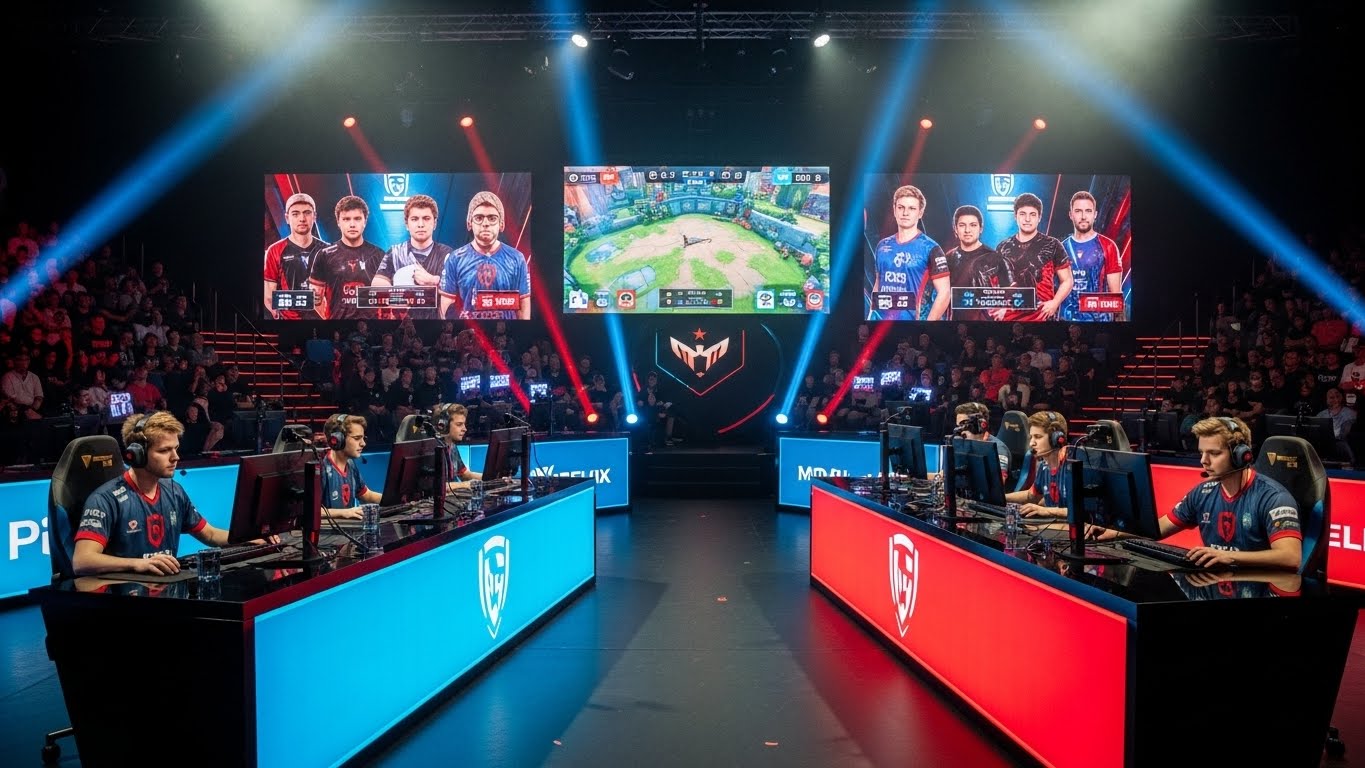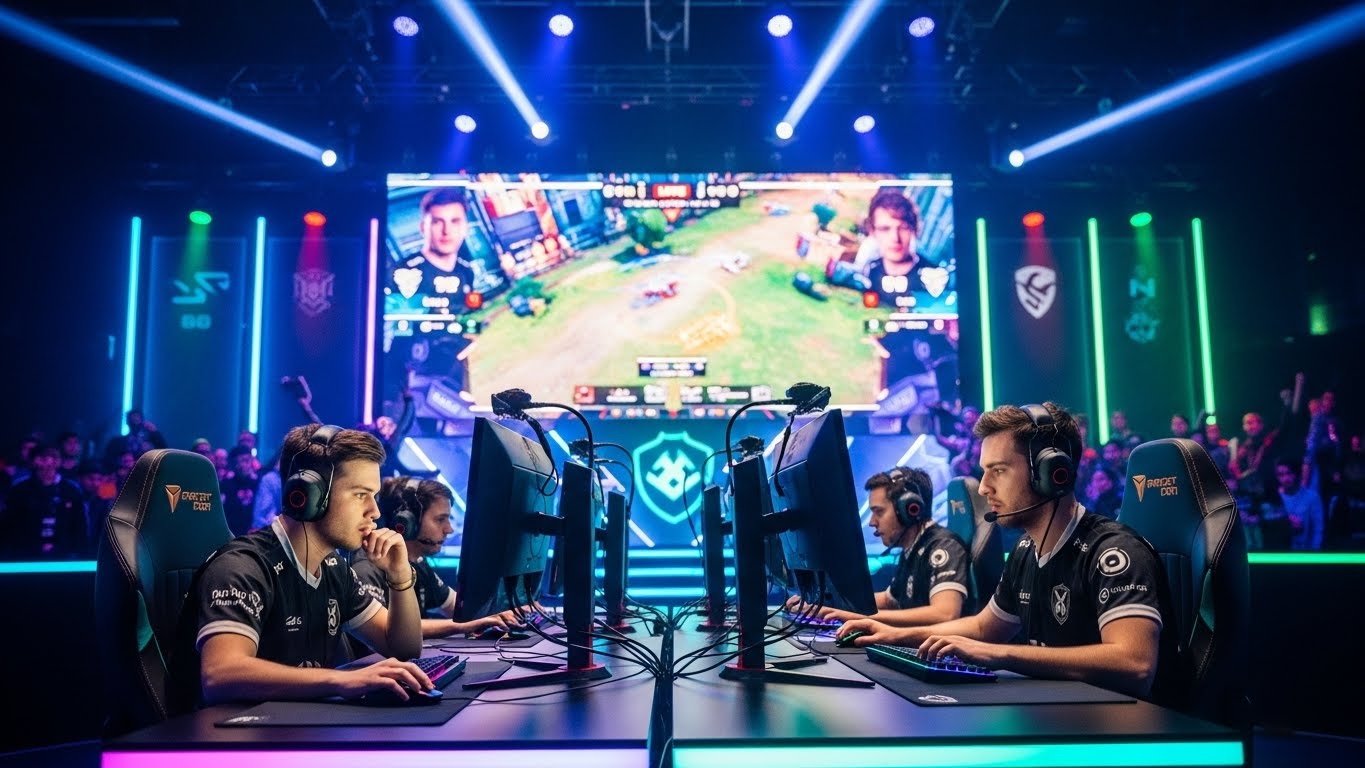

Esports, or competitive video gaming, has emerged as one of the most influential and rapidly growing sectors of modern entertainment. What began as casual gaming among friends has evolved into a global industry with professional players, international tournaments, lucrative sponsorships, and a massive fanbase. Today, esports transcends geography and culture, offering competitive excitement, social engagement, and a new kind of professional sportsmanship. This phenomenon has transformed not only gaming but also entertainment, media, and even education.
The Origins of Competitive Gaming
The roots of esports can be traced back to the early days of video games. In the late 1970s and 1980s, arcade games such as Space Invaders and Pac-Man introduced competitive play through high scores. These early competitions were small-scale, local events, often organized by arcade owners or gaming clubs. Players competed for bragging rights, tokens, or prizes, setting the stage for structured competition.
With the arrival of home consoles and personal computers in the 1980s and 1990s, competitive gaming expanded. Titles like Doom, Quake, and StarCraft introduced multiplayer gameplay, allowing players to compete locally and eventually online. The growth of internet connectivity made it possible for players to connect globally, laying the foundation for modern esports.
The Birth of Professional Esports
The 2000s marked the birth of professional esports. Games such as Counter-Strike, Warcraft III, and later League of Legends and Dota 2 became the cornerstones of competitive gaming. These titles offered depth, strategy, and skill-based competition, attracting players who dedicated significant time to mastery. Organized leagues and tournaments formalized competition, with professional players, coaching teams, and structured rankings.
Professional esports teams emerged, backed by organizations and sponsors. Players trained full-time, honing skills through rigorous practice schedules, strategic planning, and team coordination. Tournaments offered substantial prize pools, sometimes exceeding millions of dollars, drawing international attention and legitimizing esports as a serious profession.
Popular Esports Genres and Games
Esports spans multiple genres, each with unique competitive dynamics. Multiplayer Online Battle Arenas, or MOBAs, such as League of Legends and Dota 2 emphasize teamwork, strategy, and coordination. First-Person Shooters like Counter-Strike: Global Offensive and Overwatch prioritize reflexes, precision, and fast-paced decision-making. Fighting games, including Street Fighter and Super Smash Bros., focus on one-on-one skill, timing, and strategy.
Other popular genres include battle royale games such as Fortnite and Apex Legends, which combine strategy, survival, and action, and sports simulations like FIFA and NBA 2K, which recreate real-world competition digitally. Each game cultivates its own community, culture, and competitive ecosystem, attracting millions of dedicated players and fans worldwide.
The Role of Streaming Platforms
Streaming platforms have played a pivotal role in the growth of esports. Services like Twitch, YouTube Gaming, and Facebook Gaming allow tournaments, leagues, and individual gameplay to reach global audiences instantly. Fans can watch live matches, engage in chat communities, and follow their favorite players, creating interactive experiences that strengthen loyalty and engagement.
Streaming also democratizes content creation. Aspiring esports personalities can build followings without traditional sponsorship, sharing gameplay highlights, tutorials, and commentary. This direct connection between players and audiences fosters a sense of community, where fans are actively involved in shaping the esports culture.
The accessibility of streaming has also contributed to the mainstream recognition of esports. Sponsors, advertisers, and media outlets recognize the value of a digitally connected, engaged audience, driving further investment and growth in the industry.
The Economics of Esports
Esports is not only a cultural phenomenon but also a rapidly expanding industry. Professional players earn salaries, prize money, and sponsorship deals, while organizations generate revenue from merchandise, advertising, and broadcasting rights. Major tournaments such as The International and the League of Legends World Championship feature prize pools of several million dollars, attracting top talent from around the world.
Beyond players and teams, the esports ecosystem includes event organizers, production companies, streaming platforms, hardware manufacturers, and marketing agencies. Each stakeholder contributes to the growth of the industry, creating diverse career opportunities and driving economic impact.
Investments in esports have increased significantly, with organizations building dedicated training facilities, hiring coaches, and providing health and fitness support for players. The professionalization of esports mirrors traditional sports, emphasizing discipline, teamwork, and strategic development.
The Cultural Influence of Esports
Esports has reshaped modern culture by redefining what it means to be an athlete and a fan. Players are celebrated for their skill, strategy, and dedication, while fans follow competitions with the same intensity as traditional sports. Online communities, social media engagement, and fan content create a global network where gaming culture thrives.
The influence of esports extends beyond gaming. Music, fashion, and media frequently intersect with esports culture, creating collaborative events, merchandise lines, and crossover content. Major tournaments often feature live music performances and celebrity appearances, blending entertainment and competitive gaming into a comprehensive cultural experience.
Esports also fosters inclusivity, offering opportunities for players of diverse backgrounds, genders, and regions to compete on an equal platform. This accessibility strengthens community engagement and encourages participation from a broader audience.
Training, Strategy, and Player Development
Professional esports requires more than raw talent; it demands disciplined training, strategic thinking, and continuous improvement. Players spend hours practicing mechanics, analyzing gameplay, studying opponents, and developing strategies. Team-based games emphasize communication, synergy, and coordination, while individual competitions test reflexes, mental resilience, and adaptability.
Coaching has become integral to professional esports. Analysts study gameplay data, provide tactical insights, and help players optimize performance. Physical fitness and mental health are increasingly prioritized, reflecting the holistic approach needed to sustain peak performance in a high-pressure competitive environment.
The professionalization of training has elevated esports, making it comparable to traditional sports in terms of preparation, commitment, and dedication.
Esports as Spectator Entertainment
Watching esports is a unique experience that blends elements of traditional sports, theater, and gaming. Commentary teams enhance viewer understanding, providing play-by-play analysis, strategy breakdowns, and entertainment. Tournaments feature live crowds, elaborate staging, and production quality rivaling conventional sporting events.
Spectators experience tension, excitement, and narrative arcs similar to those in sports competitions. Rivalries, comebacks, and upsets create emotional investment, while fan interaction through social media and live chat adds an interactive dimension. Esports spectatorship transforms viewers into active participants, fostering loyalty and community engagement.
Challenges in the Esports Industry
Despite its growth, esports faces significant challenges. Player burnout, mental health concerns, and the pressure to perform consistently are major issues. High-profile controversies, such as cheating scandals and unsportsmanlike behavior, have highlighted the need for regulatory oversight.
Global tournaments must navigate cultural, legal, and logistical differences. Regions have varying regulations regarding gambling, sponsorship, and broadcasting rights. Ensuring fairness and maintaining competitive integrity is critical to sustaining trust in the industry.
Efforts to professionalize esports, establish governance structures, and prioritize player welfare are ongoing. Organizations are implementing standards, providing mental health resources, and creating sustainable practices to support long-term growth.
The Educational and Social Impact of Esports
Esports has also influenced education and social engagement. Many universities now offer esports programs, scholarships, and competitive teams, recognizing the discipline, teamwork, and strategic skills developed through gaming. Academic research on esports explores cognitive benefits, social interaction, and career pathways, reflecting the industry’s growing legitimacy.
Esports provides opportunities for social connection. Online communities, fan clubs, and tournaments foster collaboration, communication, and cultural exchange. Players develop leadership, decision-making, and problem-solving skills, while fans experience shared excitement and identity formation through team support.
The social dimension of esports enhances its value beyond entertainment, positioning it as a meaningful and inclusive cultural phenomenon.
The Future of Esports
The future of esports is poised for continued growth and innovation. Emerging technologies such as virtual reality and augmented reality will create more immersive experiences, allowing players and spectators to engage with digital worlds in unprecedented ways. Artificial intelligence may enhance training, analysis, and audience engagement, further elevating competitive play.
Esports will continue to expand globally, reaching new markets and communities. Collaboration with traditional sports, media, and entertainment sectors will create innovative crossover events, integrating competitive gaming with broader cultural trends. Educational institutions and professional development programs will cultivate new talent, ensuring that esports remains a viable and sustainable career path.
As technology evolves, esports will continue to redefine competition, entertainment, and community engagement, solidifying its place as a central pillar of modern culture.
Conclusion
Esports represents a transformative convergence of technology, creativity, and competition. From its humble origins in arcades to its current status as a global industry, esports has demonstrated the power of digital competition to captivate audiences, create careers, and foster community. It is both a spectator sport and a participatory culture, blending skill, strategy, and entertainment in ways that rival traditional athletic pursuits.
The growth of esports illustrates the evolving nature of entertainment in the digital age. It emphasizes skill, strategy, discipline, and connection, providing a platform for players and fans to engage meaningfully. The future promises continued innovation, broader cultural influence, and deeper integration with education and professional development.
Esports is more than a trend; it is a defining aspect of modern entertainment and global culture. Its impact will continue to expand, offering new opportunities, experiences, and stories for players, fans, and communities around the world.