
Introduction: The Rise of a Cultural Phenomenon
When Fortnite first launched in 2017, few could have predicted the global sensation it would become. What started as a simple survival game quickly evolved into a cultural juggernaut, blending creativity, competition, and community in ways that forever transformed gaming and esports. Fortnite didn’t just create a new kind of battle royale—it created an entirely new ecosystem where gaming, entertainment, and digital identity merged into one.
The game’s unique mix of accessibility, colorful visuals, and constantly evolving content attracted millions of players worldwide. But what truly set Fortnite apart was how it changed the way people viewed esports. It wasn’t just about shooting skills or survival tactics—it was about personality, creativity, and adaptability. Fortnite redefined what it meant to compete and what it meant to entertain.
The Birth of the Fortnite Esports Scene
Epic Games quickly recognized Fortnite’s potential as a competitive title. Its simple mechanics combined with a deep skill ceiling made it a natural fit for esports. The early days saw countless grassroots tournaments organized by fans and small organizations, but it didn’t take long for Epic to step in with massive investments.
The introduction of official tournaments, such as the Fortnite Summer Skirmish and the Fall Skirmish, marked the beginning of Fortnite’s structured esports ecosystem. These events offered massive prize pools that instantly drew attention from both players and media outlets. Unlike many other games that took years to establish professional circuits, Fortnite’s competitive scene exploded almost overnight.
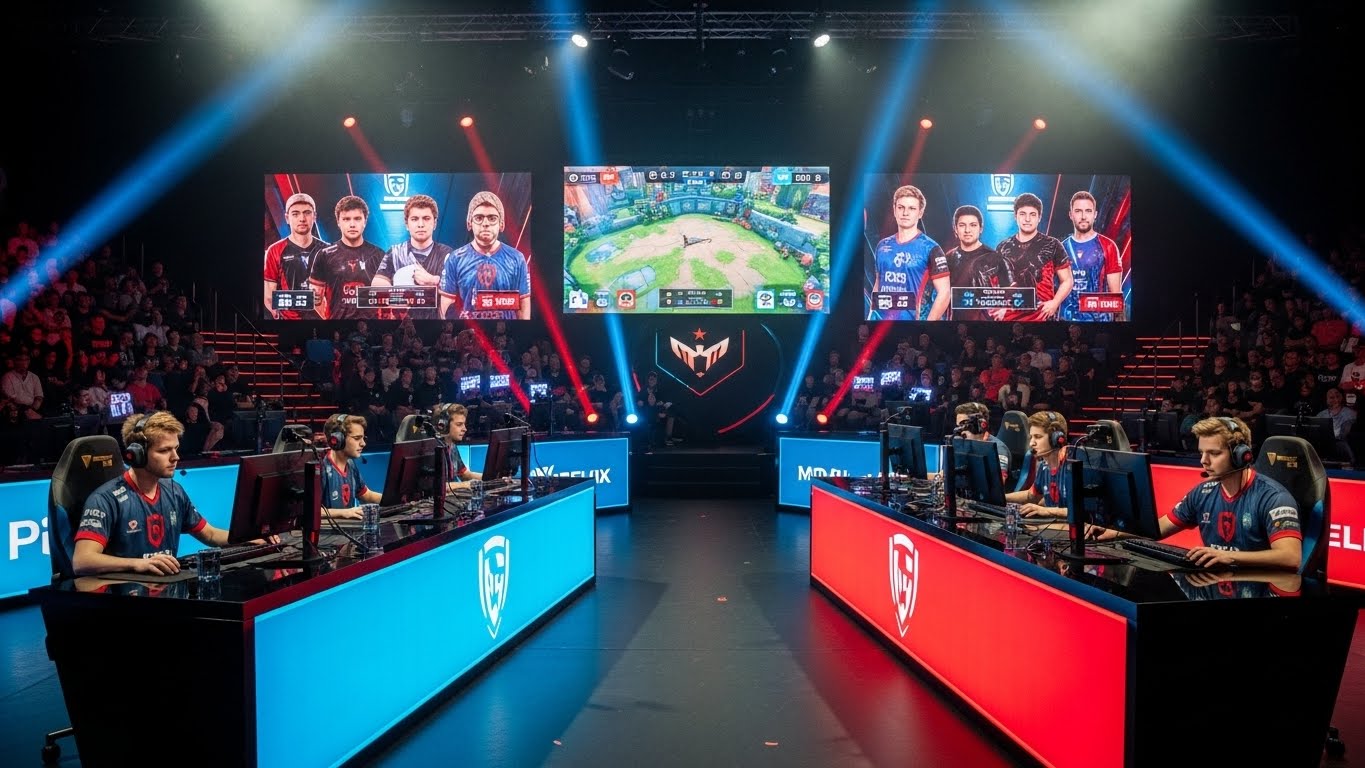
The Fortnite World Cup in 2019 was the pinnacle of this momentum. With a staggering $30 million prize pool, it became one of the most talked-about esports events in history. Teenager Kyle “Bugha” Giersdorf’s victory in the solo category turned him into an overnight celebrity, cementing Fortnite’s place in esports history.
Innovation Through Accessibility
One of Fortnite’s most groundbreaking contributions to esports was its accessibility. Unlike many competitive titles that required high-end PCs or deep mechanical mastery, Fortnite was designed for everyone. Available on consoles, PCs, and even mobile devices, the game allowed players from all backgrounds to participate and compete.
This accessibility democratized esports participation. It wasn’t just about being a professional gamer anymore—anyone with a console and a dream could climb the ranks. Players from different continents and socioeconomic backgrounds had a chance to prove their skills. Fortnite made esports feel more inclusive and less elitist, inspiring a new generation of players.
Building, Strategy, and the Skill Gap
What truly set Fortnite apart from other battle royale games was its innovative building mechanic. The ability to construct walls, ramps, and forts in real time added an entirely new layer of strategy and skill expression. It wasn’t just about aiming or survival—it was about creativity and resourcefulness.
The building mechanic turned Fortnite into a unique esport where reflexes, spatial awareness, and problem-solving blended seamlessly. Players needed to balance offense and defense while constantly adapting to unpredictable situations. This complexity pushed players to practice tirelessly, invent new building techniques, and master editing mechanics that could turn the tide of battle in seconds.
As a result, Fortnite’s top players weren’t just gamers—they were innovators. They developed strategies and techniques that influenced the entire player base, elevating the competitive meta and inspiring countless tutorials, discussions, and debates across the gaming community.
Epic Games’ Role in Shaping the Competitive Scene
Epic Games’ approach to esports was unlike anything the industry had seen before. Instead of focusing solely on professional leagues or exclusive tournaments, Epic prioritized open competitions. Players could qualify for major events directly through in-game tournaments, giving everyone an equal opportunity to compete on the world stage.
This open format blurred the lines between amateur and professional play, making the competitive experience more exciting and unpredictable. Epic’s massive financial commitment also raised the stakes—hundreds of millions of dollars were invested into prize pools and production value, signaling that Fortnite wasn’t just a game; it was a long-term esports commitment.
Furthermore, Epic continually adjusted the game to keep the competitive environment balanced. Regular updates, new weapons, and seasonal changes meant that no two tournaments were ever exactly the same. While this constant evolution frustrated some pros, it also ensured that Fortnite’s esports scene never stagnated.
Fortnite and the Spectator Experience
A major reason for Fortnite’s success in esports lies in its entertainment value. Fortnite matches are visually stunning, fast-paced, and unpredictable. Unlike traditional shooters with static maps, Fortnite’s destructible environments and creative mechanics made every match a spectacle.
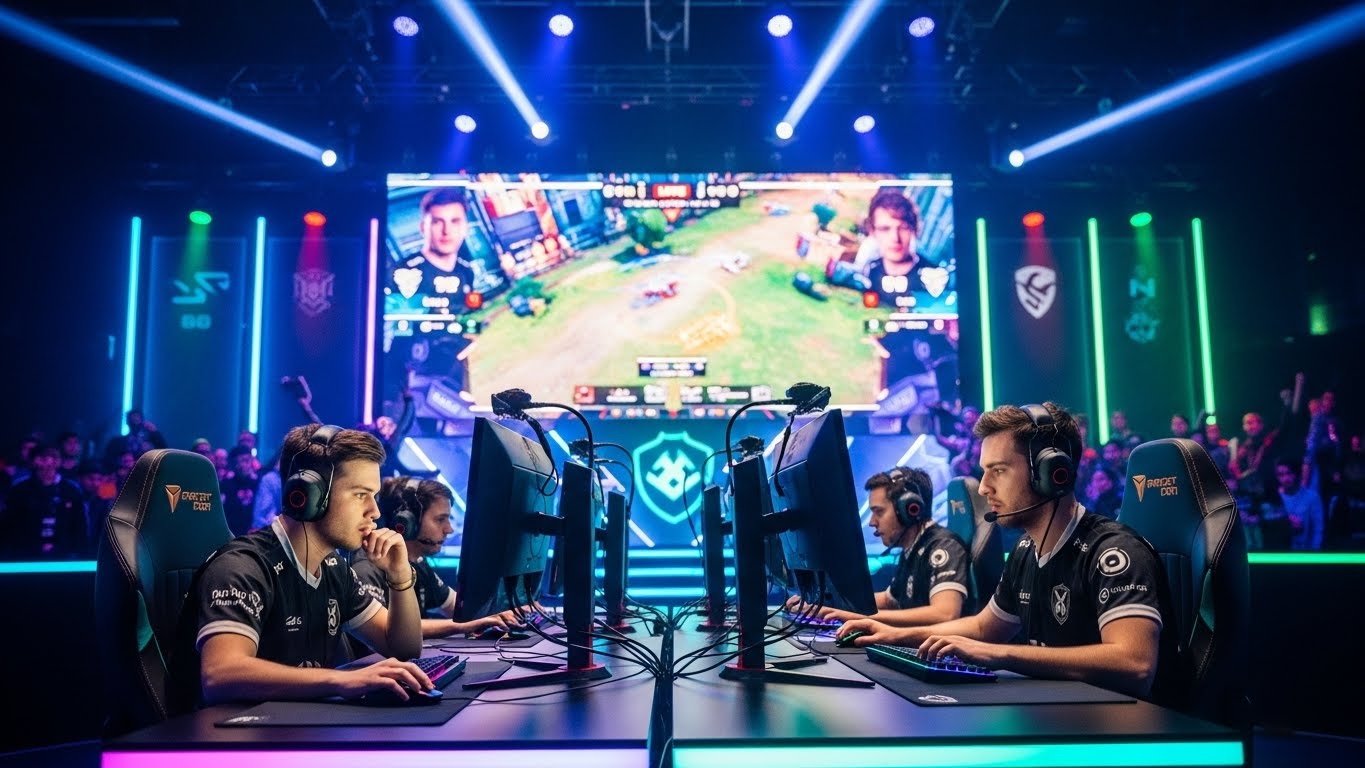
The combination of intense gameplay and expressive emotes made Fortnite one of the most watchable esports in history. Viewers could connect emotionally with players who danced after a victory, built skyscraper forts in seconds, or pulled off daring clutches. Every match felt like a story unfolding in real time.
Streaming platforms such as Twitch and YouTube played a crucial role in this phenomenon. Fortnite became one of the most-watched games globally, with creators like Ninja, Tfue, and Nick Eh 30 drawing millions of viewers. These streamers not only competed but also entertained, turning competitive gaming into performance art. Fortnite proved that esports could be both thrilling to play and captivating to watch.
Cultural Crossovers and Mainstream Appeal
Fortnite’s impact wasn’t limited to gaming—it infiltrated mainstream culture like few games ever had. From live in-game concerts featuring artists like Travis Scott and Marshmello to collaborations with Marvel, Star Wars, and countless other franchises, Fortnite turned into a global entertainment platform.
These collaborations didn’t just enhance the casual player experience; they elevated Fortnite’s esports events as well. Themed tournaments, special skins, and event tie-ins made competitions more engaging for both players and audiences. Fortnite bridged the gap between gaming, music, film, and fashion, showing how esports could transcend traditional boundaries.
The game’s ability to stay relevant through cultural integration is a key reason for its enduring success. It wasn’t just about winning—it was about being part of something bigger, a constantly evolving cultural movement that celebrated creativity and individuality.
The Rise of Young Prodigies
Fortnite’s accessibility and global reach gave rise to a new type of esports star—the young prodigy. Players like Bugha, Mongraal, Benjyfishy, and Clix became household names before they were even adults. This new wave of young talent brought fresh energy and perspective to competitive gaming.
Unlike older esports such as Counter-Strike or Dota 2, where players typically peaked in their twenties, Fortnite saw teenagers dominating the world stage. This shift highlighted how quickly gaming skills could develop in younger generations, and how the esports ecosystem could support youth talent like never before.
These young pros became inspirations to millions, showing that age was no barrier to success in the digital age. Fortnite not only reshaped the esports scene—it reshaped the very idea of what an athlete could look like.
The Influence on Other Games and Esports Titles
Fortnite’s success didn’t happen in isolation. It set new standards for the entire industry. Its blend of accessibility, constant updates, and massive events inspired countless other games to follow similar models. Titles like Apex Legends, Call of Duty: Warzone, and even traditional shooters like Valorant adopted live-service elements to keep players engaged.
Moreover, Fortnite’s open approach to esports and content creation encouraged other developers to embrace community-driven competition. The concept of building a scene around creators, influencers, and casual competitors became a blueprint for modern esports ecosystems.
In many ways, Fortnite blurred the line between casual gaming and professional competition, influencing how other publishers approached the relationship between players, viewers, and content creators.
Challenges in the Fortnite Esports Scene
Despite its massive success, Fortnite’s esports journey hasn’t been without challenges. The constant updates and evolving metas, while exciting, made it difficult for players to maintain consistent performance. Pros often had to relearn mechanics or adjust to new items that completely changed gameplay.
Additionally, the lack of a structured, year-round league system made it hard for teams and sponsors to plan long-term investments. Many organizations entered and exited the scene, unsure of how to navigate Epic’s unpredictable event schedule.
Another major challenge has been maintaining the balance between fun and competition. Fortnite’s playful, unpredictable nature sometimes clashed with the precision and stability professional players desired. Balancing entertainment for viewers and fairness for competitors remains a unique challenge for Fortnite esports.
The Role of Community and Creators
Fortnite’s community has been one of its strongest pillars. Content creators, casters, and fans have helped sustain the game’s energy and visibility. Streamers played an essential role in growing the esports audience by broadcasting their tournament experiences and sharing their passion for the game.
Epic Games also supported community-driven tournaments, allowing creators to host their own events with official backing. This decentralized model helped Fortnite’s competitive scene remain vibrant even outside major events.
The creative mode also expanded the ecosystem beyond traditional competition. Map creators, designers, and storytellers could showcase their work and even design custom maps used in esports training or show matches. Fortnite’s openness to community participation became a model for engagement in modern gaming.
The Future of Fortnite Esports
As Fortnite continues to evolve, its role in esports shows no sign of fading. With Unreal Engine 5 integration, Creative 2.0 tools, and regular collaborations, Fortnite remains one of the most innovative platforms in gaming. Future esports events are likely to expand beyond traditional battle royale modes into new competitive formats built within the game itself.
Fortnite’s future may lie not just in direct competition but in being a hub for all types of gaming expression—competitive, creative, and cultural. Its ability to adapt to new trends and technologies will keep it at the forefront of gaming for years to come.
Esports as an industry has learned valuable lessons from Fortnite’s approach: accessibility, community inclusion, and entertainment-first competition are key to long-term success. Whether you’re a casual player or a professional competitor, Fortnite has shown that gaming can be more than just a pastime—it can be a global stage for creativity and excellence.
Conclusion: Fortnite’s Lasting Legacy
Fortnite didn’t just change the esports landscape—it redefined it. By blending gameplay innovation, community engagement, and cultural relevance, it proved that esports could be inclusive, dynamic, and mainstream. It broke barriers between gaming and entertainment, empowering players and creators alike.
The impact of Fortnite can be felt across the entire gaming world. It inspired developers to think bigger, pushed esports into the mainstream spotlight, and showed that the future of competition lies not just in winning but in connecting, creating, and evolving together.
Fortnite’s story is far from over, but one thing is certain—it will forever be remembered as the game that turned esports from a niche competition into a global celebration of skill, creativity, and culture.