Introduction
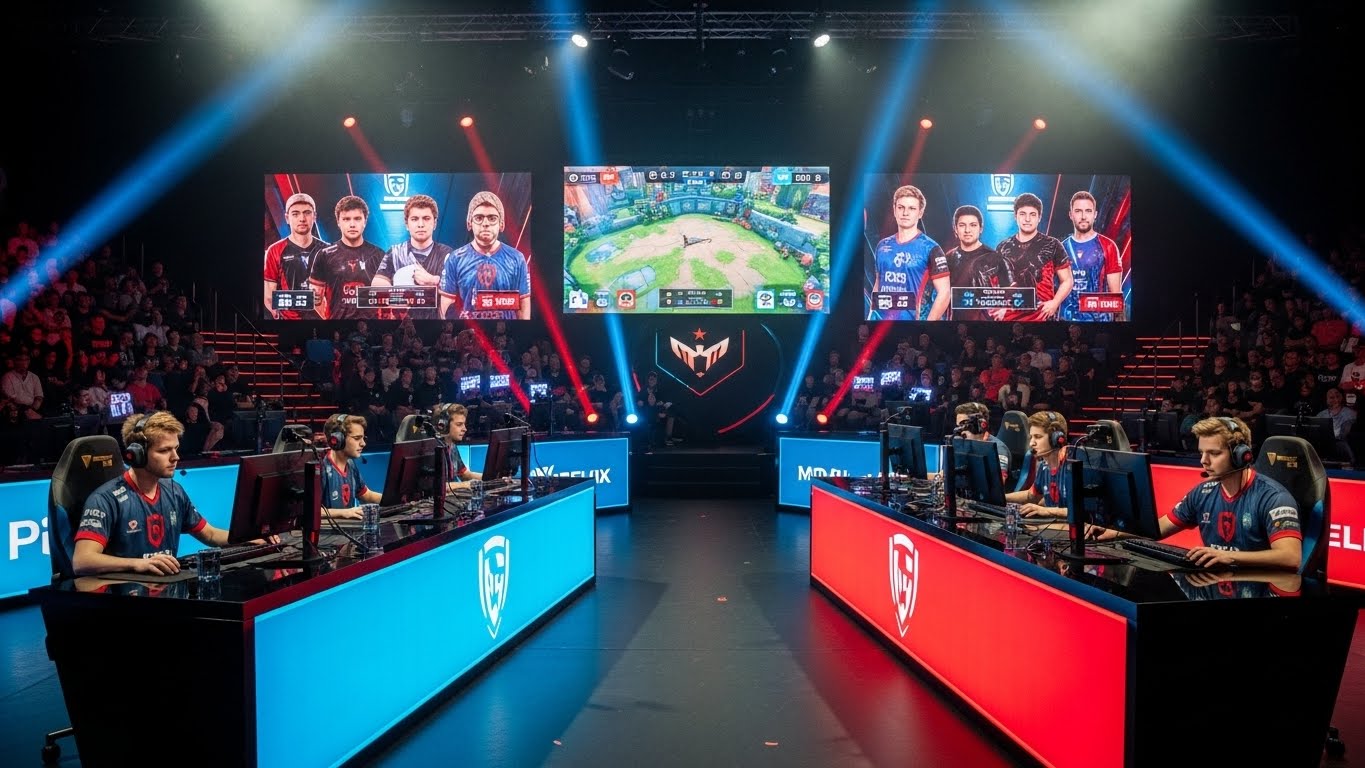
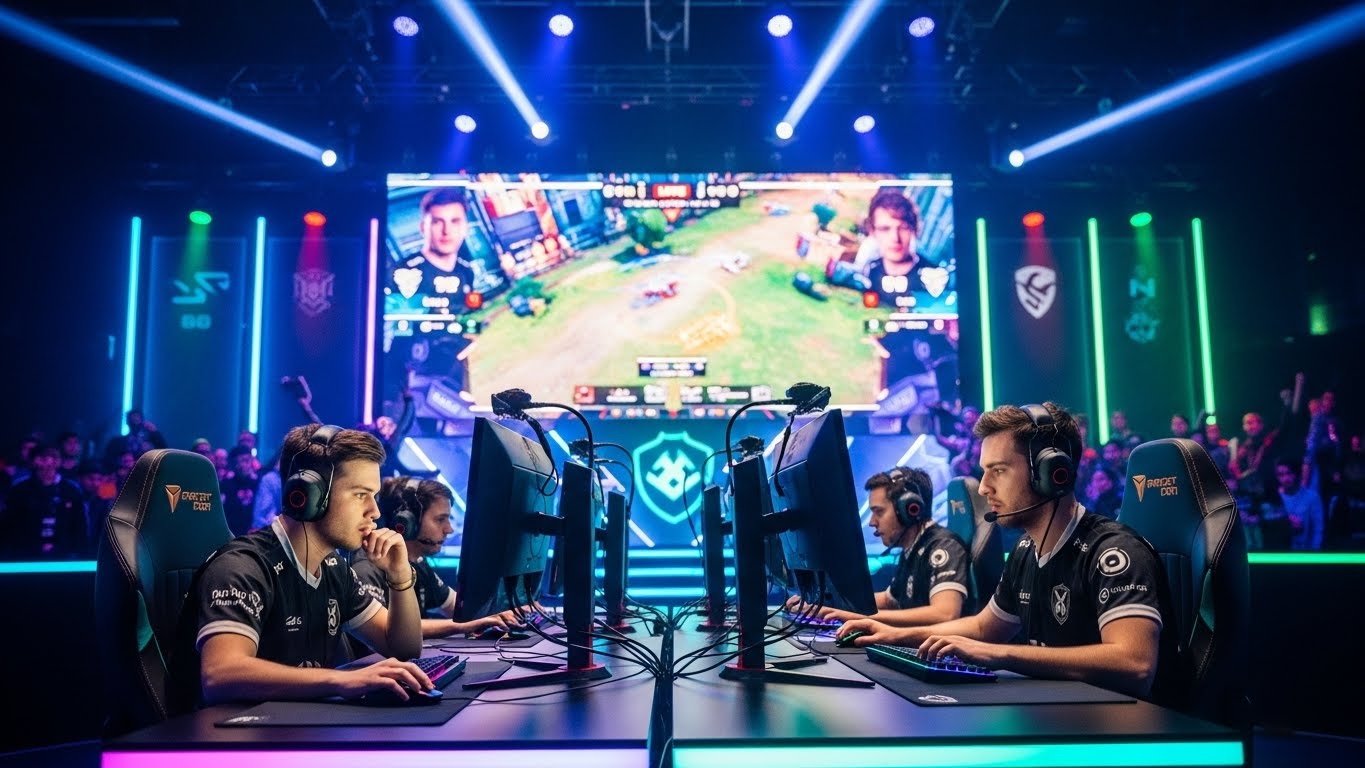
Not too long ago, playing video games was mostly seen as a hobby or a way to pass time with friends. Fast forward to today, and that same pastime has grown into a billion-dollar industry known as Esports — short for “electronic sports.” What began as friendly competitions in dimly lit arcades or college dorms has evolved into massive international tournaments filling entire stadiums and streaming to millions online.
Esports is no longer just about gaming; it’s a cultural phenomenon that sits at the intersection of technology, entertainment, and sports. Its rapid growth has reshaped how people view competition, entertainment, and even career opportunities.
This blog dives deep into the journey of Esports — its history, rise to prominence, industry structure, global impact, and what the future might hold.
The Origins of Competitive Gaming
Before Esports became a global spectacle, it started small. The first known video game competition dates back to October 19, 1972, at Stanford University. Students gathered to play a game called Spacewar! — the prize was a one-year subscription to Rolling Stone magazine. It may sound humble now, but that event marked the beginning of organized video game competition.
Throughout the 1980s, as video game arcades spread worldwide, competition naturally followed. Titles like Pac-Man, Donkey Kong, and Space Invaders introduced high-score leaderboards — the earliest form of competitive ranking. Players aimed to etch their names at the top, turning local arcades into informal battlegrounds.
Then came 1990, when Nintendo launched the Nintendo World Championships. It was one of the first large-scale gaming tournaments, touring across cities in the United States. Participants played games like Super Mario Bros. and Tetris, competing for the highest scores. This event gave competitive gaming its first real taste of mainstream exposure.
The Birth of Modern Esports
The 1990s were a pivotal decade. Personal computers and the internet revolutionized how people played and connected. Titles like Doom, Quake, and StarCraft turned online multiplayer gaming into a cultural staple. Players could now challenge others across the globe, no longer limited to local arcades.
The first true Esports organizations and tournaments emerged during this time. Notably:
- Cyberathlete Professional League (CPL) was founded in 1997, one of the first professional gaming leagues.
- QuakeCon, launched the same year, became an annual festival that blended community and competition.
- StarCraft, released by Blizzard in 1998, became a phenomenon in South Korea, laying the foundation for professional gaming as we know it today.
Korea, in particular, deserves special mention. As broadband internet spread rapidly across the country, gaming cafés (called “PC bangs”) became cultural hubs. Young gamers began training like athletes, and by the early 2000s, professional StarCraft players were treated like celebrities. Television networks even broadcasted matches live — a move that would influence Esports globally.
The 2000s: The Era of Online Expansion
By the early 2000s, Esports started gaining structure. More leagues, sponsors, and international competitions emerged. Games like Counter-Strike, Warcraft III, Halo 2, and Call of Duty created global communities.
Organizations such as Major League Gaming (MLG) in the United States and World Cyber Games (WCG) in South Korea formalized professional competition. Players were no longer just enthusiasts — they were athletes with contracts, salaries, and endorsement deals.
Streaming and broadband technology transformed how fans consumed gaming content. Platforms like Twitch (launched in 2011, though its precursor Justin.tv started in 2007) gave fans direct access to live matches and player personalities. Esports was no longer confined to physical arenas; it became accessible to anyone with an internet connection.
This decade also saw the rise of team-based competition, with structured organizations, training schedules, and dedicated coaching — much like traditional sports.
The Explosion of Esports in the 2010s
The 2010s were the golden years of Esports’ global explosion. What had once been a niche community became a full-fledged entertainment powerhouse.
Major Games That Defined the Era
- League of Legends (LoL) – Released in 2009, Riot Games’ League of Legends became one of the most-watched Esports titles. Its World Championship drew millions of live viewers worldwide.
- Dota 2 – Valve’s successor to Defense of the Ancients redefined tournament prize pools. Its annual The International became famous for record-breaking community-funded rewards, surpassing tens of millions of dollars.
- Counter-Strike: Global Offensive (CS:GO) – Continuing the legacy of tactical shooters, CS:GO brought stability, skill, and legacy to the Esports arena.
- Overwatch, Fortnite, and PUBG added new flavors, attracting younger audiences and introducing new competitive formats.
Prize Pools and Professionalization
By mid-decade, Esports tournaments were offering massive prize pools. The International 2019 featured more than $34 million in rewards. Top players and teams signed sponsorships with global brands like Coca-Cola, Intel, and Mercedes-Benz.
Professional training houses became common, especially in South Korea, China, and the U.S. Teams hired nutritionists, psychologists, and coaches. Esports athletes began receiving recognition comparable to traditional sports stars.
Esports Enters the Mainstream
Television networks like ESPN began covering major tournaments. Universities introduced Esports scholarships, acknowledging it as a legitimate competitive pursuit. Cities hosted international events in stadiums that once held football or basketball games.
By the end of the 2010s, the global Esports audience exceeded 450 million viewers, rivaling some traditional sports leagues.
The Business of Esports
Behind the flashing lights and roaring crowds lies a complex business ecosystem. Esports thrives on multiple revenue streams — sponsorships, media rights, merchandise, ticket sales, and streaming revenue.
Revenue Sources
- Sponsorships: Brands see Esports as a gateway to younger, tech-savvy audiences. Companies from energy drinks to tech giants sponsor teams and events.
- Advertising and Media Rights: Platforms compete for streaming rights, and sponsors pay for product placements within games or broadcasts.
- Merchandise and Ticket Sales: From jerseys to collectibles, Esports fans show their support much like traditional sports fans.
- In-game Purchases: Game publishers generate huge profits from cosmetic items or event passes tied to Esports tournaments.
The Role of Game Developers
Unlike traditional sports, where the game is a public domain (like soccer or basketball), in Esports, the game is intellectual property. Publishers like Riot Games, Valve, and Activision Blizzard not only create the game but also own and regulate the competition structure. This gives them immense control over rules, branding, and monetization.
Esports Organizations
Teams like Team Liquid, Fnatic, T1, and Cloud9 are not just gaming squads — they are full-fledged companies. Each has marketing departments, content teams, and global fan bases. Players sign multi-year contracts and can even be traded between teams.
The Cultural Impact of Esports
Esports is more than competition — it’s culture. It has reshaped entertainment, communication, and even how society views gaming.
Breaking the Stereotypes
Once stereotyped as a solitary hobby, gaming now represents teamwork, discipline, and creativity. Esports athletes train rigorously, often practicing 8 to 10 hours a day. Their commitment has changed perceptions of what it means to be a “gamer.”
Global Unity Through Gaming
Esports bridges geographic and linguistic gaps. Players from Europe, Asia, and the Americas face off on the same stage, with fans cheering in multiple languages. This global inclusivity has fostered cultural exchange and understanding unlike any other entertainment form.
Esports and Education
Many universities worldwide now offer Esports degrees, focusing on game design, event management, and marketing. Scholarships reward top players, and academic programs explore the business and psychology behind gaming performance.
Representation and Diversity
While Esports still faces challenges regarding gender representation, there’s a growing movement toward inclusivity. Female players, commentators, and organizers are carving spaces for themselves, proving that gaming transcends gender barriers.
The Technology Behind the Scenes
Esports wouldn’t exist without technological innovation.
High-Speed Internet and Streaming
Reliable, low-latency internet has made global matches possible. Streaming platforms have allowed fans to tune in instantly from any device, democratizing access.
Advanced Gaming Hardware
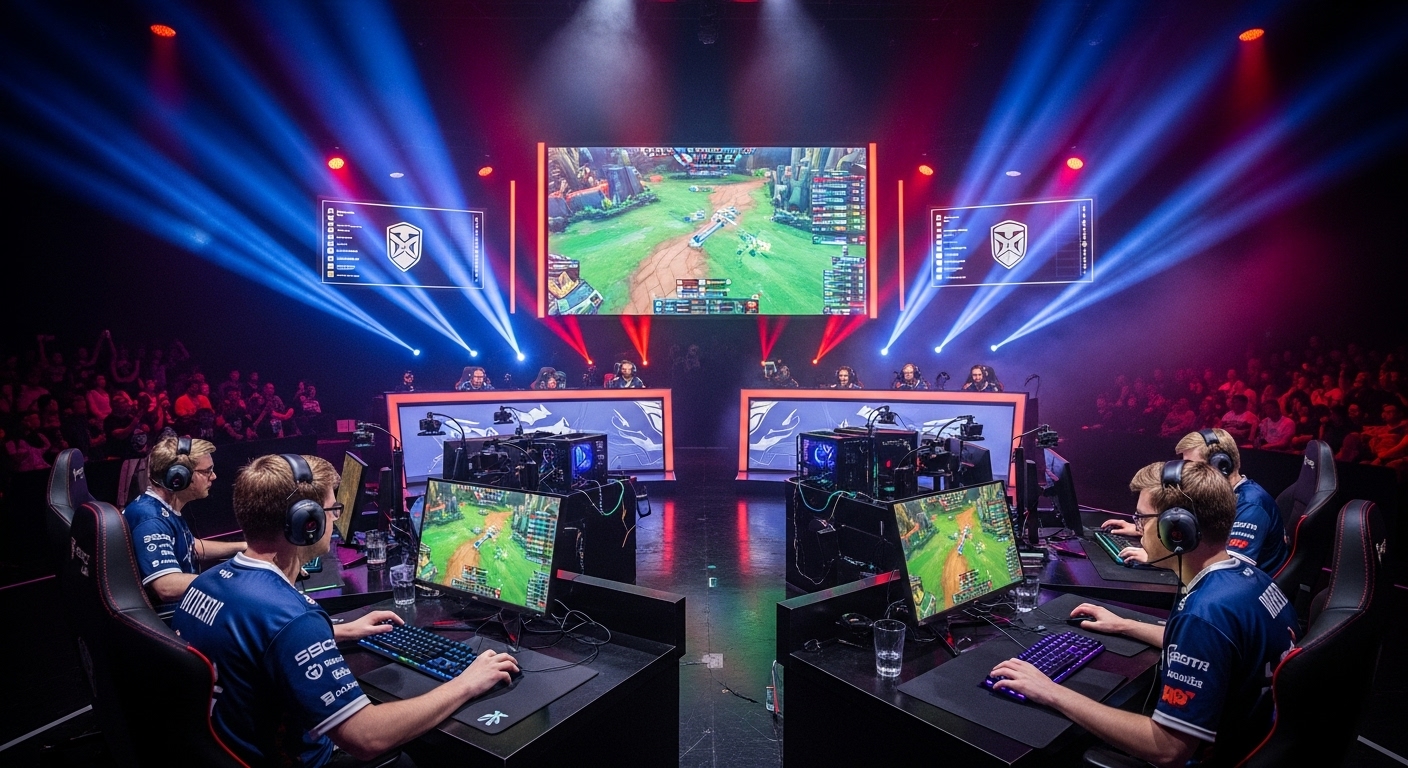
From powerful GPUs to ultra-fast monitors, the evolution of gaming tech has elevated player performance and viewer experience. Esports arenas now feature cutting-edge setups rivaling Hollywood studios.
Data and Analytics
Just like traditional sports use analytics for performance optimization, Esports uses data to track player behavior, reaction times, and strategies. This data-driven approach enhances team performance and enriches viewer experience with real-time stats and insights.
Challenges in the Esports Industry
Despite its rapid growth, Esports faces hurdles that must be addressed for sustainable success.
Player Burnout
With demanding training schedules and high expectations, many players retire young — often before 25. The industry is working to improve mental health support and work-life balance.
Financial Stability
Not every team or game finds equal success. While top-tier tournaments thrive, smaller events often struggle with funding, making it hard for new players to break in.
Regulation and Integrity
Because Esports operates globally, maintaining consistent rules and anti-cheating measures is challenging. Match-fixing scandals and doping concerns have occasionally shaken public trust.
Diversity and Inclusion
Efforts to make Esports more welcoming continue, but issues like online harassment and gender imbalance still need addressing. Industry leaders are implementing better moderation systems and community standards.
Esports and Traditional Sports: Convergence or Rivalry?
Rather than competing, Esports and traditional sports increasingly complement each other.
Sports organizations like the NBA, FIFA, and Formula 1 have launched official Esports leagues. The NBA 2K League, for instance, operates under the NBA’s umbrella, allowing fans to engage digitally with their favorite sport.
Traditional athletes — from soccer stars to basketball legends — have invested in Esports teams. They recognize the potential and reach of this new entertainment frontier.
Meanwhile, during events like the COVID-19 pandemic, Esports kept fans engaged while physical sports were paused, proving its resilience and adaptability.
The Future of Esports
As we look ahead, Esports shows no signs of slowing down. Its future promises even greater integration with technology and mainstream culture.
Virtual Reality (VR) and Augmented Reality (AR)
Immersive experiences could redefine Esports viewing and participation. Imagine stepping virtually into an arena or playing in an environment that feels physically real.
Artificial Intelligence and Coaching
AI-powered analytics will help teams refine strategies, simulate opponents, and prevent burnout. Personalized training programs will become the norm.
Esports in the Metaverse
As virtual worlds expand, Esports may become the central form of entertainment within digital spaces — hosting tournaments, fan interactions, and entire economies built around virtual identities.
Olympic Recognition
The conversation about including Esports in the Olympics continues. While not officially part of the Games yet, exhibitions and partnerships have already begun, hinting that the line between physical and digital sports is blurring fast.
Conclusion
Esports has come a long way — from the cramped corners of 1970s arcades to dazzling global arenas watched by millions. It’s not just about video games anymore; it’s about community, innovation, and human connection.
At its heart, Esports embodies the same principles as any traditional sport — passion, teamwork, skill, and perseverance. What makes it unique is its accessibility: anyone, anywhere, can pick up a controller or keyboard and compete on the same stage as the world’s best.
As technology continues to evolve, so will Esports. Whether you’re a casual gamer, a dedicated fan, or someone just curious about this digital revolution, one thing is clear: Esports isn’t the future — it’s the present, and it’s here to stay.