Introduction: The Rise of Competitive Gaming
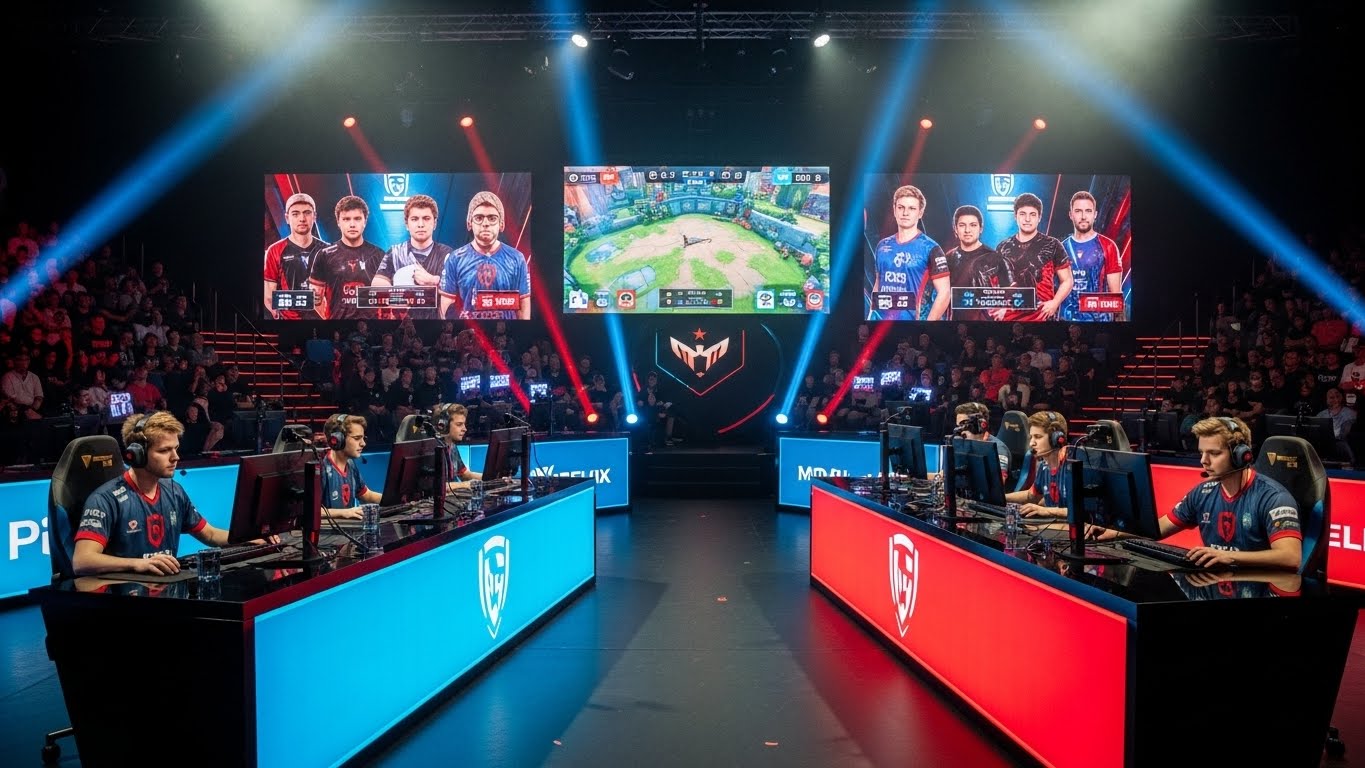
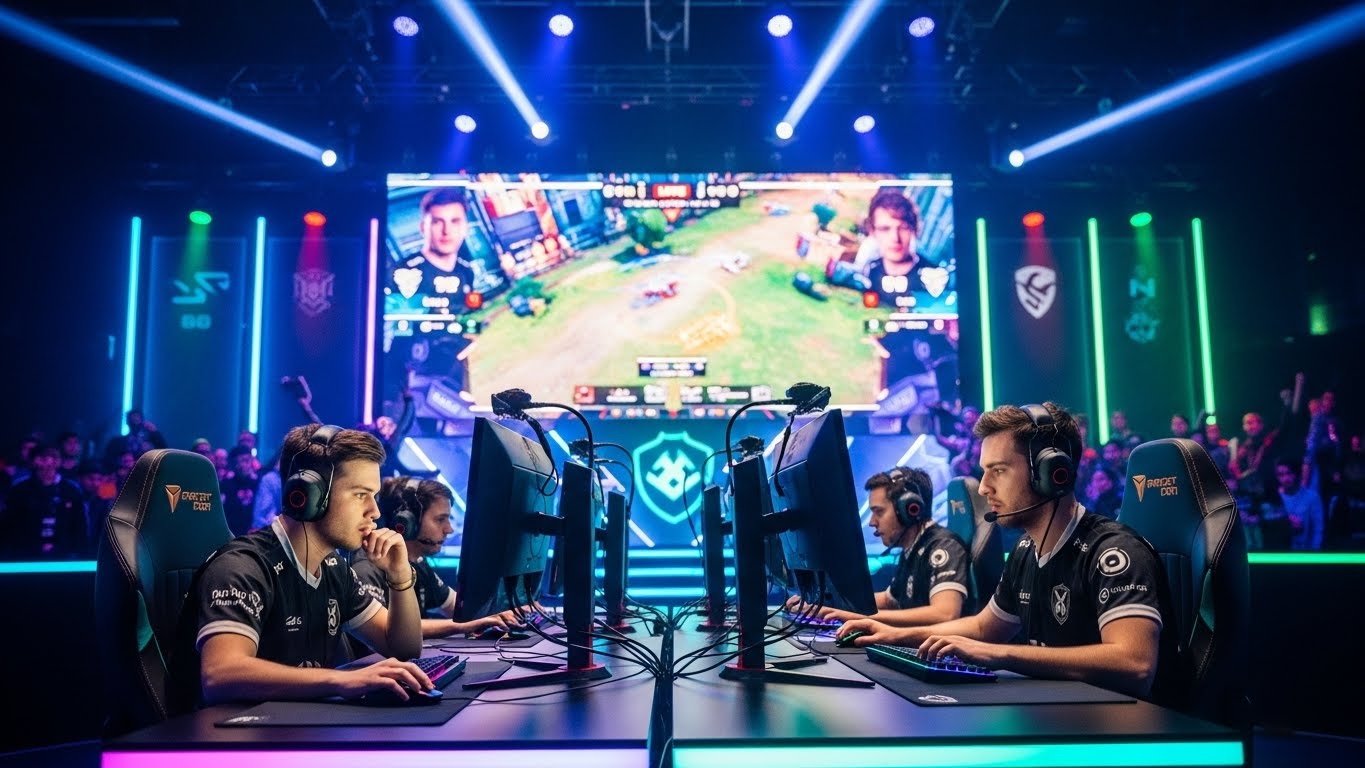
In the past two decades, one of the most remarkable cultural transformations has occurred not on a physical playing field, but on digital battlegrounds. What was once considered a casual pastime for teenagers in dimly lit rooms has evolved into a multi-billion-dollar global industry. Esports, short for electronic sports, refers to organized, competitive video gaming where individuals or teams compete in popular games before live audiences and millions of online viewers. Today, esports fills massive arenas, commands sponsorships from global brands, and is recognized as a legitimate sport by several nations and organizations.
The rise of esports reflects not just the growth of gaming but also a fundamental shift in how entertainment, competition, and technology intersect in the modern world. To understand its magnitude, we must explore its origins, development, cultural impact, and the vast ecosystem that sustains it.
The Early Days: The Birth of Competitive Gaming
Esports did not appear overnight. The roots of competitive gaming can be traced back to the early 1970s when the first known video game competition took place at Stanford University. The game was “Spacewar!”, and the prize for the winner was a one-year subscription to a magazine. While modest by today’s standards, this event marked the beginning of something extraordinary.
During the 1980s, arcade culture flourished, and games like “Pac-Man,” “Donkey Kong,” and “Space Invaders” became household names. Competitive gaming began to take shape in the form of high-score contests at arcades, where players would strive to etch their initials onto the leaderboards. The 1980 Space Invaders Championship, organized by Atari, is often regarded as one of the first major gaming tournaments, attracting over 10,000 participants across the United States.
These early competitions were mostly about individual glory, but they laid the groundwork for organized play and community-building around games. As technology advanced, so did the sophistication of the games and the competitiveness of their players.
The 1990s: The Internet Revolution and the Birth of Modern Esports
The 1990s brought the rise of personal computers and the Internet, which changed the gaming landscape forever. Multiplayer gaming moved from local arcades and living rooms to online arenas, allowing players from different parts of the world to compete in real-time.
Games such as “Doom,” “Quake,” and “StarCraft” became cornerstones of early esports. The “Quake” series, in particular, introduced the concept of professional gaming when John Carmack, the developer of the game, offered a brand-new sports car as the grand prize for a tournament in 1997. Around the same time, South Korea began investing heavily in broadband internet infrastructure, and this gave rise to a culture of online gaming unlike anything the world had seen before.
South Korea quickly became the epicenter of competitive gaming. Internet cafés, known as “PC bangs,” became gathering places for gamers. Television channels began broadcasting “StarCraft” matches, turning professional players into celebrities. By the late 1990s, esports was not just entertainment; it was a career path for talented and dedicated gamers.
The 2000s: Professionalization and Global Expansion
The 2000s marked a turning point where esports began to take on the characteristics of traditional sports. The establishment of leagues, teams, and structured tournaments brought legitimacy and organization to the field. Major international tournaments like the World Cyber Games and the Electronic Sports World Cup began to draw players and audiences from across the globe.
This era saw the emergence of legendary games that continue to influence esports today. “Counter-Strike,” “Warcraft III,” and “Defense of the Ancients” (the precursor to “Dota 2”) all became competitive staples. The introduction of streaming platforms in the late 2000s, particularly YouTube and Twitch, revolutionized how fans consumed esports content. For the first time, anyone with an Internet connection could watch professional players compete live, learn strategies, and engage with the community.
During this time, esports began attracting corporate sponsorships and professional management. Teams started to resemble traditional sports clubs with coaches, analysts, and sponsors. Players trained for hours each day, and tournaments began offering prize pools in the hundreds of thousands of dollars.
The 2010s: The Golden Age of Esports
The decade of the 2010s can rightfully be called the golden age of esports. Streaming platforms, high-speed internet, and the growth of social media combined to create a global audience that rivaled traditional sports in scale and enthusiasm. Major titles like “League of Legends,” “Dota 2,” and “Counter-Strike: Global Offensive” became household names, each building massive international followings.
The “League of Legends” World Championship transformed into a spectacle watched by tens of millions, complete with elaborate stage productions, musical performances, and sold-out stadiums. “Dota 2” introduced “The International,” an annual tournament known for its record-breaking prize pools funded by community contributions. Meanwhile, first-person shooters like “Overwatch” and “Call of Duty” developed their own franchise leagues modeled after the structure of the NBA or NFL.
The rise of streaming personalities and professional players created new types of celebrities. Esports athletes began signing endorsement deals, and some even became brand ambassadors for luxury companies. Universities started offering scholarships for esports players, and academic programs began studying the phenomenon from business, sociological, and psychological perspectives.
The Ecosystem of Esports: Players, Teams, and Fans
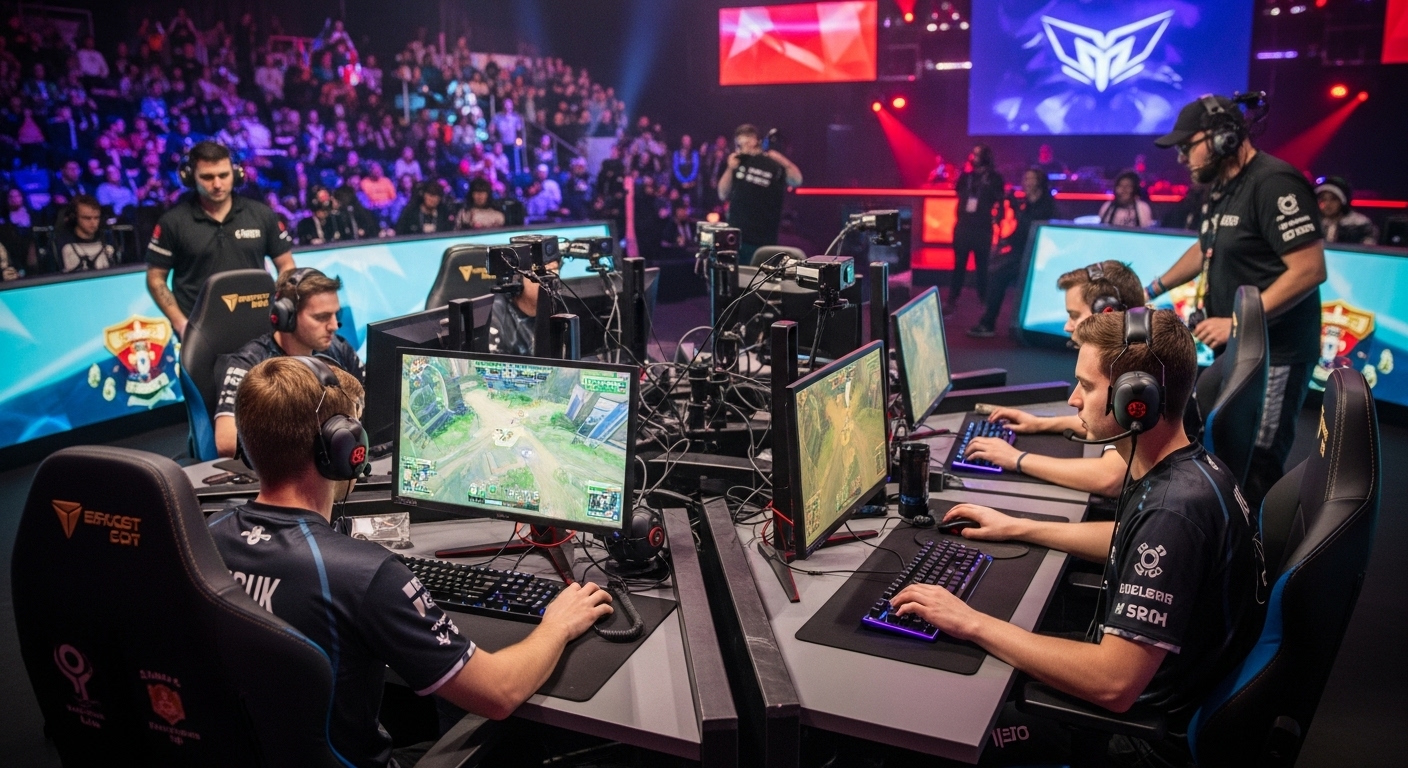
At the heart of esports is a complex ecosystem involving multiple stakeholders. Players are the central figures, often training for more than eight hours a day to master their craft. Like traditional athletes, they focus on teamwork, communication, and physical well-being, with many incorporating fitness and mental coaching into their routines.
Teams play a critical role by providing infrastructure, support staff, and sponsorship opportunities. Major organizations such as Team Liquid, Fnatic, T1, and Cloud9 have become globally recognized brands with fan bases that span continents. These teams participate in various tournaments, manage player contracts, and create content to engage their audiences year-round.
Fans form the lifeblood of esports. They attend live events, buy team merchandise, and engage in vibrant online communities. What makes esports fandom unique is its accessibility; fans can directly interact with their favorite players through social media and live chat platforms. This level of connection fosters loyalty and creates a sense of belonging that few other entertainment industries can match.
The Business of Esports: A Billion-Dollar Industry
Esports has grown into a thriving industry that encompasses game developers, tournament organizers, streaming services, advertisers, and investors. According to industry estimates, esports revenue has surpassed one billion dollars annually, driven by sponsorships, media rights, ticket sales, and merchandise.
Game publishers play a significant role in shaping the esports landscape. Companies like Riot Games, Valve, and Blizzard not only develop popular competitive titles but also organize large-scale tournaments that attract millions of viewers. Sponsorship deals from global brands such as Coca-Cola, Intel, and Mercedes-Benz have validated esports as a mainstream entertainment avenue.
Streaming remains the lifeblood of esports economics. Platforms like Twitch, YouTube Gaming, and regional streaming services generate revenue through ads, subscriptions, and donations. The digital nature of esports also allows for innovative forms of engagement, including virtual tickets, digital collectibles, and in-game viewing experiences.
Esports organizations have evolved into multifaceted media companies. They produce documentaries, lifestyle content, and behind-the-scenes features that showcase the personal stories of players. This content-driven approach not only strengthens brand identity but also attracts new audiences beyond core gamers.
The Social and Cultural Impact of Esports
Beyond the business and entertainment aspects, esports has had a profound social and cultural influence. It has redefined what competition and athleticism mean in the digital age. For many young people, esports represents a path to self-expression, community, and even professional success.
Esports has also played a role in breaking down geographical and cultural barriers. Players from countries as diverse as South Korea, Sweden, the United States, and Brazil compete on the same virtual stages, fostering a sense of global unity. Language differences often fade as players communicate through the universal language of gameplay.
Furthermore, esports has helped challenge stereotypes about gaming. The old image of gamers as isolated individuals has given way to a new perception of dedicated professionals and creative innovators. Many schools and community programs now use esports as a tool for teaching teamwork, problem-solving, and strategic thinking.
The inclusivity of esports is another major strength. People of different genders, backgrounds, and physical abilities can participate on an equal playing field. Although gender representation remains an ongoing challenge, initiatives promoting women’s leagues and mixed-gender teams are gaining traction worldwide.
Challenges Facing the Esports Industry
Despite its tremendous growth, esports faces several challenges that threaten its long-term sustainability. One of the most pressing issues is player burnout. Professional players often start their careers as teenagers and train for grueling hours, leading to physical and mental exhaustion. The lack of structured player unions and standardized contracts in some regions also creates vulnerability and instability.
Another challenge is regulation and governance. Unlike traditional sports, esports lacks a centralized authority. Each game developer typically governs its own competitive ecosystem, leading to inconsistencies in rules, disciplinary measures, and player rights. The absence of a unified governing body makes it difficult to address issues such as cheating, match-fixing, and doping.
Monetization and profitability also pose concerns. While esports viewership is massive, not all organizations and tournaments are financially sustainable. Balancing revenue between developers, teams, players, and organizers is an ongoing debate.
Additionally, esports must navigate the complex relationship between gaming and health. Prolonged screen time, sedentary lifestyles, and mental stress have prompted discussions about the well-being of professional gamers. Industry leaders are increasingly focusing on promoting physical exercise, balanced diets, and mental health support as essential components of a player’s career.
The Role of Technology in Shaping Esports
Technology has been the driving force behind esports’ evolution. Advances in graphics, online connectivity, and streaming have enabled experiences that were unimaginable a few decades ago. Cloud gaming, artificial intelligence, and virtual reality are poised to shape the next era of competition.
Artificial intelligence can analyze player performance, helping teams develop strategies based on data-driven insights. Virtual reality esports, though still emerging, promises immersive experiences that blend physical and digital elements. Meanwhile, blockchain technology and digital collectibles are transforming how fans engage with their favorite teams and players.
5G connectivity and high-performance hardware have also made esports more accessible to mobile gamers. Mobile esports titles such as “PUBG Mobile” and “Mobile Legends” have attracted hundreds of millions of players, particularly in regions like Southeast Asia and South America. This democratization of competitive gaming ensures that esports continues to grow across diverse economic and cultural landscapes.
The Future of Esports: Mainstream Recognition and Beyond
The future of esports looks brighter than ever. Many experts believe that within the next decade, esports will rival traditional sports not only in viewership but also in cultural influence. Some countries have already recognized professional gamers as athletes, and discussions about including esports in multi-sport events such as the Olympics have gained traction.
Education systems are beginning to embrace esports as a legitimate discipline. Universities around the world now offer degrees and scholarships in esports management, marketing, and coaching. These programs reflect a broader acknowledgment that esports is not just about playing games but about building a sustainable industry around them.
As technology continues to evolve, so will the ways people experience esports. Augmented reality, interactive streaming, and personalized viewing options will create even deeper levels of engagement. Fans may soon find themselves virtually stepping into their favorite arenas or controlling camera angles in real-time.
However, the future success of esports will depend on maintaining its integrity, ensuring player welfare, and fostering inclusivity. If the industry can strike a balance between commercial success and ethical responsibility, it will secure its place as one of the defining cultural movements of the 21st century.
Conclusion: The Digital Arena of Tomorrow
Esports has come a long way from the humble “Spacewar!” competition at Stanford to packed stadiums and millions of global viewers. What started as a niche hobby has evolved into a powerful cultural and economic force that bridges technology, entertainment, and human ambition. It exemplifies the spirit of the modern era—connected, creative, and constantly evolving.
The digital arena of esports is more than a stage for competition; it is a reflection of our collective desire to connect, create, and push boundaries. As new generations grow up watching their heroes not on grassy fields but on digital ones, the definition of sports continues to expand. Esports stands as a testament to how passion, innovation, and community can turn pixels into dreams and competition into global celebration.
In the end, esports is not just about winning or losing—it is about the shared experience of striving for excellence in a world where the line between the virtual and the real becomes ever more blurred. And as that line fades, one thing becomes clear: esports is not the future of gaming; it is the future of entertainment itself.