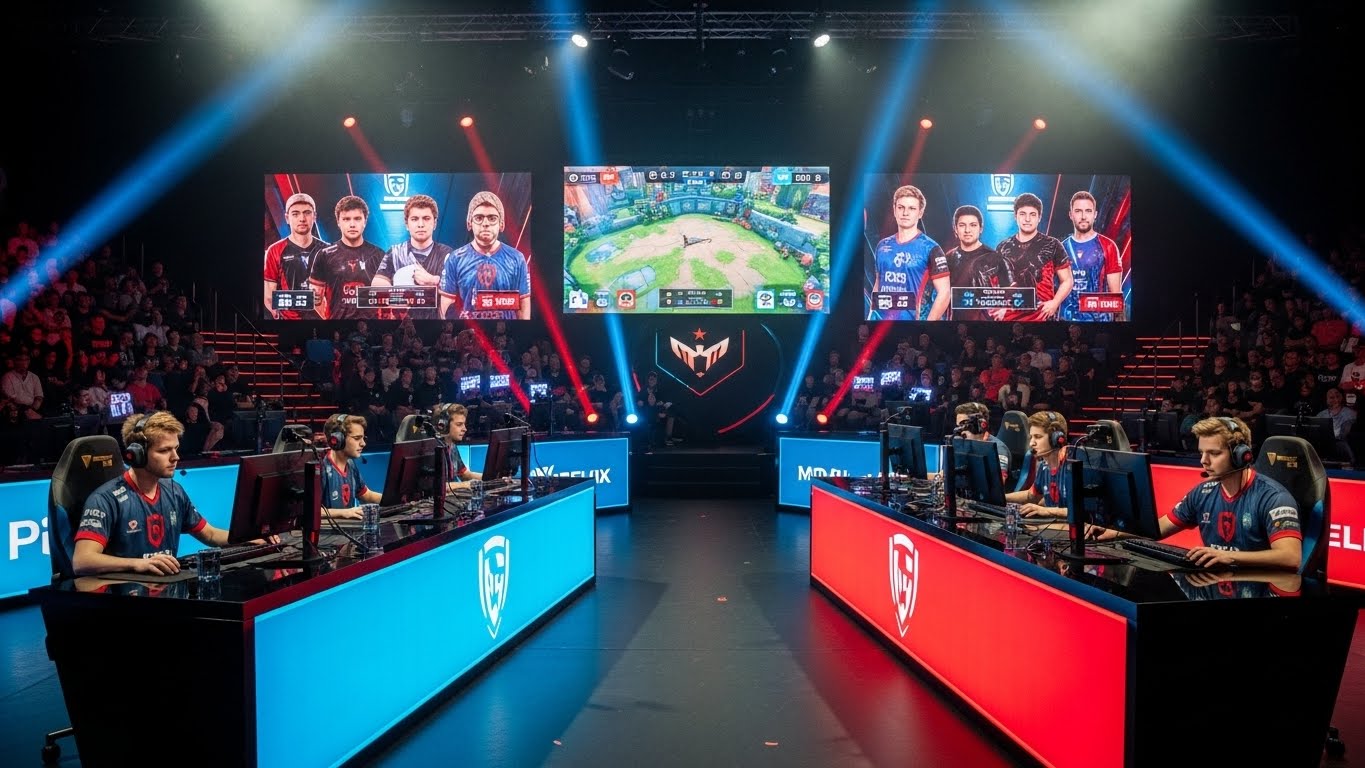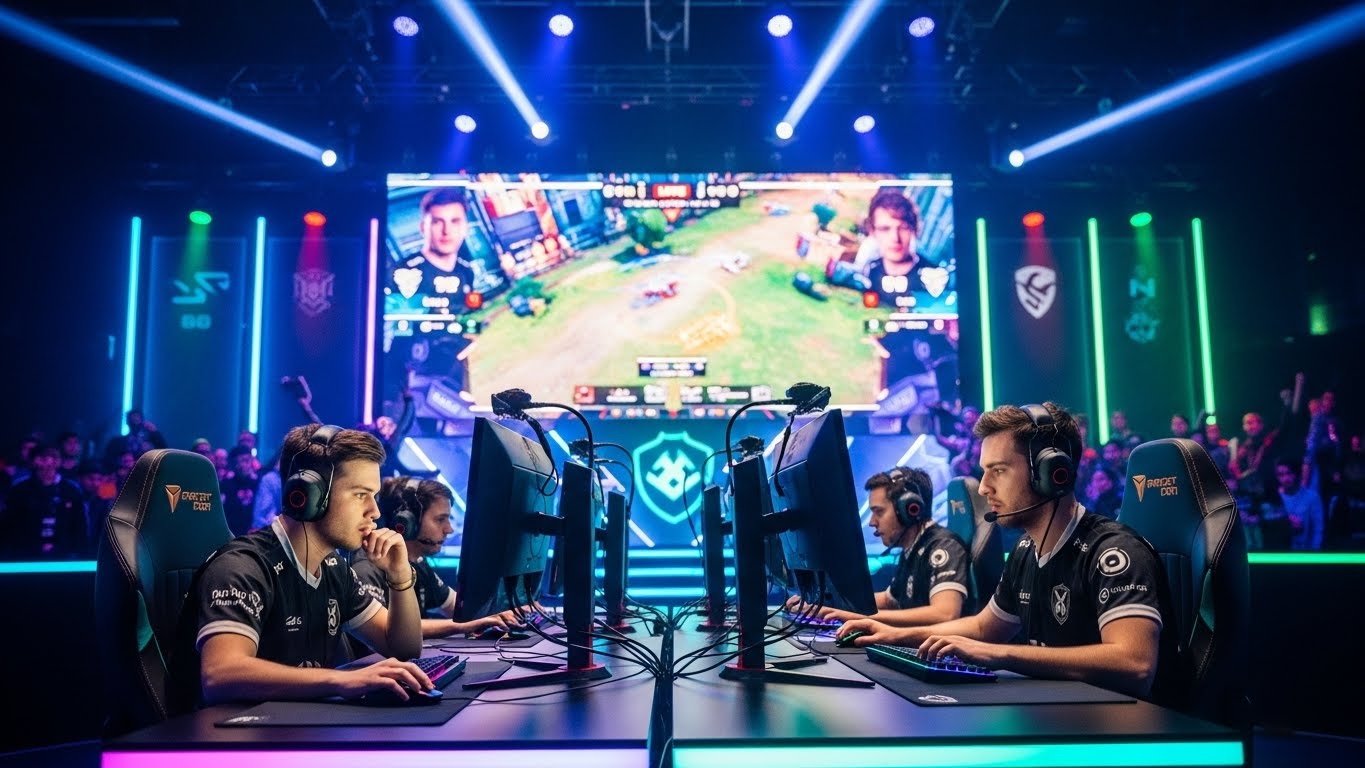
Esports, short for electronic sports, has grown from a niche hobby into a global phenomenon. What began as casual gaming competitions among friends has evolved into a multi-billion-dollar industry, attracting millions of viewers, professional players, and corporate sponsorships worldwide. The rapid rise of Esports highlights a shift in the way we perceive competition, entertainment, and even career opportunities in the digital age.
Understanding Esports: More Than Just Playing Games
Esports is not simply about playing video games; it is a structured form of competition. It includes organized tournaments, professional leagues, and online streaming platforms that bring players and fans together. The games played in Esports vary widely, including genres like first-person shooters, real-time strategy, multiplayer online battle arenas, sports simulations, and fighting games. Some popular titles include League of Legends, Dota 2, Counter-Strike: Global Offensive, Fortnite, and Overwatch.
Unlike traditional gaming, Esports requires players to exhibit high levels of skill, strategy, teamwork, and adaptability. Professional players train for hours daily, focusing on mechanics, tactics, communication, and mental resilience. This combination of dedication and talent has helped Esports gain legitimacy as a competitive discipline, often compared to traditional sports in terms of intensity and professionalism.
The History and Evolution of Esports
The roots of Esports can be traced back to the late 1970s and 1980s with arcade game competitions. One of the earliest recorded tournaments was the Space Invaders Championship in 1980, which attracted over 10,000 participants across the United States. Throughout the 1990s, competitive gaming expanded with the advent of networked multiplayer games and online gaming communities.
By the 2000s, Esports started gaining international attention. Games like StarCraft in South Korea transformed gaming into a spectator sport, with professional leagues, TV broadcasts, and passionate fanbases. South Korea became a pioneer in Esports culture, treating professional gaming as a serious career and establishing infrastructure to support players. The introduction of streaming platforms in the 2010s, most notably Twitch, brought Esports to a global audience, allowing fans to watch live matches, follow their favorite players, and engage with online communities in real time.
Today, Esports is a worldwide industry with tournaments offering multi-million-dollar prize pools, professional teams backed by investors, and events held in massive arenas with thousands of spectators. The growth trajectory of Esports is remarkable, showing no signs of slowing down.
The Economics of Esports: A Multi-Billion Dollar Industry
The financial landscape of Esports has grown exponentially over the past decade. According to industry reports, global Esports revenue exceeds billions annually, with income derived from multiple streams, including sponsorships, media rights, advertising, merchandise, and ticket sales. Corporate sponsors like tech companies, beverage brands, and fashion labels invest heavily in Esports teams and events, recognizing the marketing potential of reaching younger, digitally native audiences.
Professional players earn salaries, bonuses, and sponsorship deals, turning gaming from a hobby into a viable career. The top players in popular games can earn millions of dollars annually, while teams secure investments to compete in international leagues. The business side of Esports mirrors traditional sports, requiring managers, coaches, analysts, marketing teams, and event organizers to maintain operations.
Furthermore, the rise of streaming platforms has democratized content creation, allowing amateur players to build fanbases, monetize their gameplay, and even secure professional opportunities. This ecosystem has created a vibrant industry that blends entertainment, competition, and entrepreneurship.
Popular Esports Games and Their Impact
Multiplayer Online Battle Arena (MOBA)
Games like League of Legends and Dota 2 dominate the MOBA genre. These games require strategic planning, coordination, and fast decision-making. Players control unique characters with specific abilities, working with their team to achieve objectives and defeat opponents. MOBA games emphasize teamwork and individual skill, with tournaments offering some of the largest prize pools in Esports history.
First-Person Shooters (FPS)
FPS games, including Counter-Strike: Global Offensive, Call of Duty, and Valorant, focus on precision, reflexes, and strategic positioning. FPS competitions often feature fast-paced matches, tactical team play, and high-pressure scenarios that test a player’s focus and reaction time. FPS titles have a significant global following and are central to many Esports leagues.
Battle Royale Games
The rise of Battle Royale games like Fortnite and PUBG has brought a new style of competitive gaming. These games involve survival mechanics, exploration, and player-versus-player combat in a shrinking arena. The unpredictability and excitement of Battle Royale matches have attracted casual players and spectators alike, contributing to Esports’ mainstream appeal.
Fighting Games and Sports Simulations
Fighting games such as Street Fighter, Tekken, and Super Smash Bros., along with sports simulations like FIFA and NBA 2K, offer niche competitive communities. These games often emphasize individual skill, reflexes, and strategic thinking, providing unique entertainment value and specialized tournaments.
The Role of Streaming Platforms in Esports Growth
One of the key drivers behind the explosive growth of Esports is the rise of streaming platforms. Twitch, YouTube Gaming, and other services allow players to broadcast their gameplay live, building communities and fostering engagement. These platforms serve as the primary way fans consume Esports content, watch tournaments, and interact with players and commentators.
Streaming has also empowered amateur gamers to achieve recognition, offering pathways to sponsorships and professional careers. Influential streamers have become celebrities, shaping gaming culture and inspiring new generations of players. The interactive nature of streaming, with live chat and fan engagement, creates a unique connection between players and audiences that traditional sports cannot replicate.
Training and Professionalism in Esports
Esports is not just about playing games casually; professional players undergo rigorous training regimens. Training involves practicing game mechanics, studying opponents, analyzing strategies, and developing teamwork skills. Physical fitness, nutrition, and mental health are increasingly recognized as essential components for professional gamers to sustain performance.
Coaches, analysts, and support staff play a critical role in team development. Strategies are reviewed, gameplay is recorded and analyzed, and performance metrics are tracked to identify strengths and weaknesses. This level of professionalism has elevated Esports to a competitive discipline that rivals traditional sports in preparation, discipline, and strategy.
Esports Culture and Community
Esports is more than a competitive industry; it is a culture and community that brings together players and fans worldwide. Online forums, social media groups, and fan communities foster collaboration, discussion, and shared enthusiasm. Cosplay, fan art, and content creation further enrich the cultural ecosystem, turning gaming into a lifestyle.
Esports events often feature large-scale conventions, fan meetups, and interactive experiences. These gatherings create social connections, celebrate creativity, and offer opportunities for networking, learning, and collaboration. The community-driven aspect of Esports is a major reason for its enduring appeal, providing a sense of belonging and shared purpose for millions of people.
Challenges Facing the Esports Industry
Despite its rapid growth, Esports faces several challenges. Professional players often face high levels of stress, burnout, and mental health pressures due to intense competition and public scrutiny. The industry also struggles with issues related to regulation, fair play, and ethical concerns, including cheating, exploitation, and unequal opportunities.
Additionally, the financial sustainability of some teams and leagues can be precarious, relying heavily on sponsorships and fluctuating audience engagement. Esports organizers must balance commercial interests with the welfare of players and fans, ensuring long-term growth and credibility.
The Future of Esports
The future of Esports looks promising, with continued technological advancements and increasing global recognition. Virtual reality and augmented reality may introduce new immersive experiences, while mobile gaming expands access to competitive play worldwide. Esports is also gaining attention from educational institutions, with universities offering scholarships, courses, and programs dedicated to gaming and Esports management.
Furthermore, mainstream media coverage and the integration of Esports into traditional sports networks are likely to boost its visibility. Esports has the potential to become a permanent fixture in global entertainment, blending technology, competition, and community in unprecedented ways.
Conclusion: Esports as a Transformative Force
Esports represents more than a form of entertainment; it is a transformative force reshaping how we compete, connect, and engage in the digital age. From humble beginnings in arcades to massive international tournaments, Esports has demonstrated that gaming can be serious, profitable, and culturally significant.
As the industry continues to evolve, it will likely influence broader trends in entertainment, education, and technology. The rise of Esports signals a new era where digital skill, strategy, and creativity are celebrated on a global stage, proving that competitive gaming is here to stay.