
Introduction to Esports
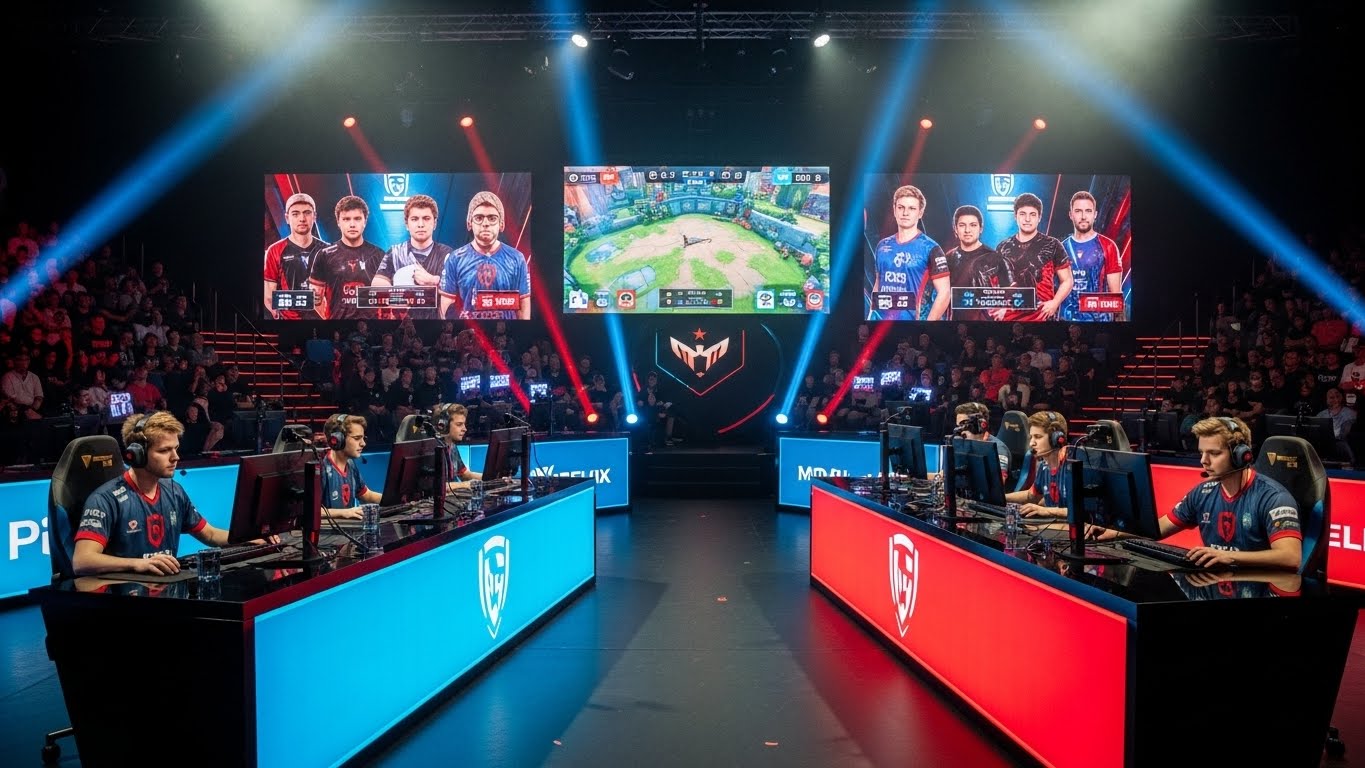
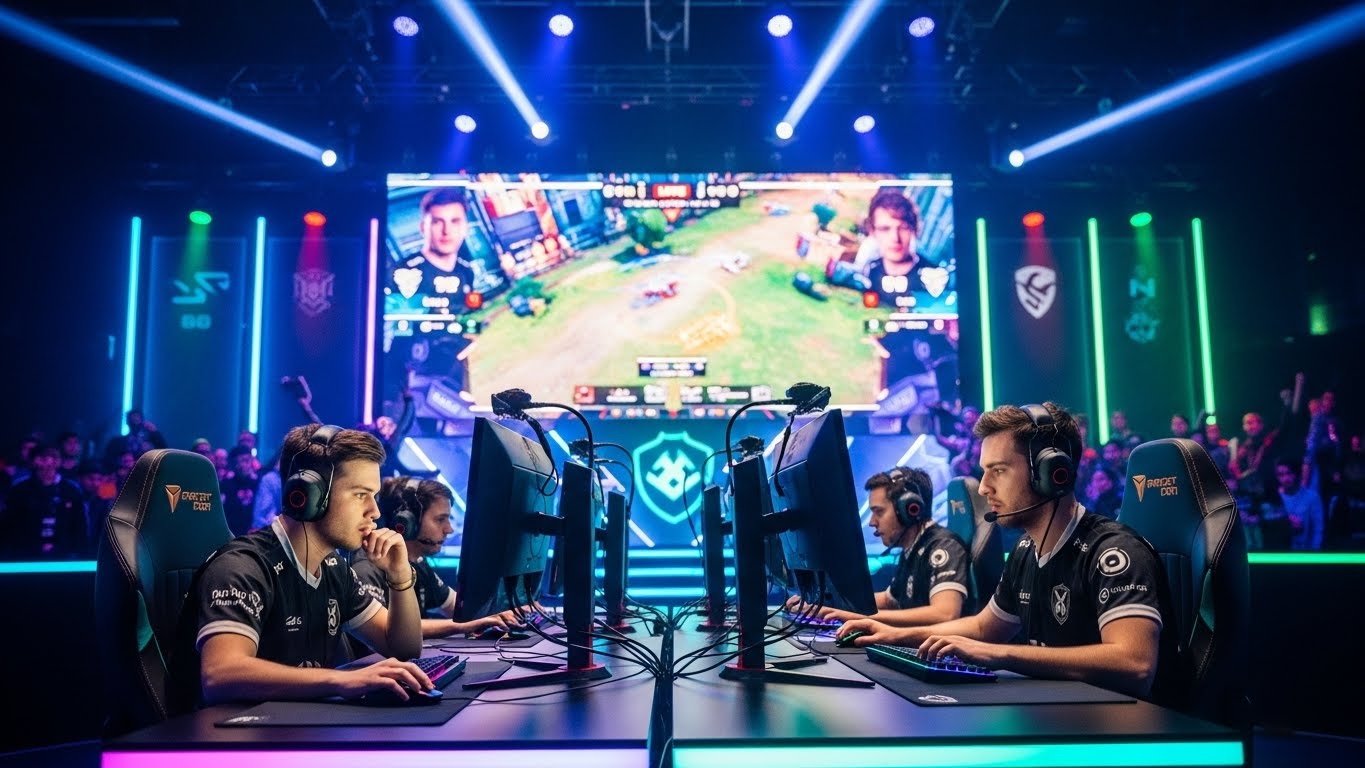
Esports, short for electronic sports, has become one of the most exciting and rapidly growing industries in the world. Once seen as a niche hobby, it has evolved into a global phenomenon that draws millions of fans, players, and investors. From small gaming competitions in local arcades to massive international tournaments filling entire stadiums, esports has transformed the way people view video games. It is no longer just about playing for fun—it’s about competition, strategy, teamwork, and the pursuit of greatness.
What began as friendly matches among friends has now become a multi-billion-dollar industry. Esports combines technology, entertainment, and athletic discipline in a unique way. It has created new professions, inspired communities, and reshaped the global entertainment landscape. The story of esports is one of passion, innovation, and the rise of a new generation of digital athletes.
The Early Days of Competitive Gaming
The roots of esports can be traced back to the early days of video gaming. In the 1970s, when games like Pong and Space Invaders first appeared, gaming was a simple pastime. However, even in those early years, players began to compete against each other for high scores. One of the first known gaming competitions took place at Stanford University in 1972, where students competed in the game Spacewar. The winner received a subscription to a magazine, but more importantly, it marked the birth of organized video game competition.
As arcade games gained popularity in the 1980s, so did the idea of competition. Players gathered in arcades to test their skills and challenge others. Titles like Pac-Man, Donkey Kong, and Street Fighter became arenas for players to prove their dominance. These early competitions laid the groundwork for what would later become a global industry.
By the 1990s, with the rise of the internet and multiplayer gaming, esports began to take a more organized shape. Games like Doom, Quake, and StarCraft introduced online multiplayer experiences, allowing players from different parts of the world to compete against each other. This connectivity was revolutionary—it turned gaming into a shared, competitive, and global experience.
The Turning Point: Esports Becomes a Spectator Sport
The 2000s marked a turning point in esports history. Competitive gaming began to attract not only players but also audiences. The introduction of streaming platforms and video-sharing websites allowed fans to watch their favorite players and teams in real time. Games like Counter-Strike, Warcraft III, and Dota became central to the competitive scene.
In South Korea, esports gained early recognition as a legitimate sport. Professional leagues were formed, players became celebrities, and televised matches drew millions of viewers. The country’s dedication to gaming helped establish the foundation for modern esports culture. South Korea’s StarCraft tournaments, in particular, played a vital role in showing the world that competitive gaming could be both professional and profitable.
Gradually, esports began to expand beyond Asia. Europe and North America saw the rise of competitive gaming organizations, sponsorship deals, and tournaments with growing prize pools. Esports events started filling convention halls and sports arenas. What had once been seen as a hobby was now being compared to traditional sports in terms of excitement, competition, and fan engagement.
The Role of Technology in Esports Growth
The incredible growth of esports would not have been possible without technological advancement. High-speed internet, powerful gaming computers, and streaming platforms have made esports accessible to anyone with a connection. Players can compete globally, coaches can analyze performance through data, and fans can watch live matches from anywhere in the world.
Streaming services have played a particularly important role. They have given esports a platform similar to television, allowing millions of fans to tune in for free. This accessibility has created a massive audience base and made professional gamers household names. With the rise of platforms dedicated entirely to live streaming, esports has reached a level of visibility that traditional sports took decades to achieve.
Virtual reality, artificial intelligence, and better graphics technology are now pushing the boundaries even further. Esports continues to evolve with every new innovation, making it one of the most dynamic industries of the digital age.
Popular Esports Titles and Their Impact
The esports landscape includes a wide variety of games across genres. Some of the most popular titles have shaped the industry and defined its competitive spirit.
League of Legends is one of the most successful esports titles in history. With a global player base and professional leagues across continents, it has built an ecosystem that mirrors traditional sports leagues. The League of Legends World Championship attracts millions of viewers every year, with prize pools reaching millions of dollars.
Counter-Strike: Global Offensive (CS:GO) has long been a favorite in the competitive scene. Known for its simplicity and skill-based gameplay, CS:GO tournaments are among the most intense in esports. The game’s long history and devoted fan base have helped maintain its popularity for over a decade.
Dota 2 is another monumental title. Its annual tournament, The International, boasts some of the largest prize pools in all of esports. Teams from around the world compete for prestige and millions in winnings. The game’s strategic depth and complex mechanics make it a favorite among hardcore fans.
Fortnite, while newer, revolutionized esports by appealing to a younger audience and blending gaming with entertainment. Its tournaments are known for their creativity and massive audiences. Fortnite’s success also showed that casual-friendly games could become competitive platforms.
Other notable titles like Valorant, Overwatch, and Call of Duty have also carved out significant spaces in the esports ecosystem. Each brings its own community, culture, and style of play, contributing to the diversity and richness of the industry.
The Professional Esports Athlete
Professional gamers are the heart of the esports world. These players dedicate countless hours to practice, refine strategies, and work with teammates. Just like traditional athletes, they follow strict routines, maintain fitness, and focus on mental health to stay at the top of their game.
Esports pros often start young. Many of them begin playing competitively in their teens, joining amateur leagues before being scouted by professional teams. Once part of a team, they train daily, analyze their opponents, and participate in tournaments worldwide.
The life of an esports professional is both challenging and rewarding. The pressure to perform is immense, as millions of fans watch every move during live events. However, the recognition, sponsorships, and earnings make it one of the most exciting career paths in modern entertainment. The best players are treated like stars, with fan followings rivaling those of traditional athletes.
Esports Organizations and Teams
Behind every successful player is a well-structured organization. Esports teams are now major businesses, complete with coaches, managers, analysts, and marketing teams. Some organizations even have their own training facilities where players live and train together.
Teams such as Fnatic, Cloud9, Team Liquid, and T1 have become iconic names in the industry. They not only compete across multiple games but also engage with fans through social media, merchandise, and live events. These organizations represent a blend of sports professionalism and entertainment marketing, driving the industry forward.
Sponsorship and branding have also become crucial. Major companies, including global brands from technology, fashion, and energy drink sectors, are heavily investing in esports. This corporate interest has helped stabilize the ecosystem and provide players with better financial security.
Esports as a Global Cultural Movement
Esports is not just about games; it is a cultural movement that connects people worldwide. It breaks barriers of geography, language, and background. Fans from different countries unite under their favorite teams, creating communities that transcend traditional boundaries.
The social aspect of esports has also grown through online platforms. Fans can interact with players, discuss matches, and share strategies. Esports events are filled with energy, excitement, and a sense of belonging. In many ways, esports has become the new gathering ground for the digital generation—a place where entertainment, competition, and community meet.
Esports Education and Career Opportunities
The rise of esports has opened new educational and professional opportunities. Universities around the world now offer esports scholarships, degrees in game management, and even dedicated arenas for competitions. This academic recognition has helped legitimize esports as a field of study and a potential career.
Beyond playing, the esports industry offers roles in event management, broadcasting, coaching, marketing, and game development. It has become an ecosystem that provides thousands of jobs globally. For young people passionate about gaming, it represents a future filled with possibilities.
Challenges Facing the Esports Industry
Despite its success, esports faces several challenges. Player burnout is a major concern, as the intense competition and long training hours can lead to physical and mental exhaustion. Ensuring player welfare is now a priority for many organizations.
Another challenge is maintaining fair play. Issues like cheating, match-fixing, and unethical sponsorships have occasionally damaged the industry’s reputation. Strict regulations and integrity programs are being implemented to protect the credibility of competitive gaming.
Additionally, there are ongoing debates about diversity and inclusivity in esports. While the community is vast and diverse, ensuring equal opportunities for all genders and regions remains an area for improvement.
The Future of Esports
The future of esports looks brighter than ever. As technology continues to advance, the industry will expand into new territories such as virtual reality gaming, mobile esports, and the metaverse. Esports could soon merge with other forms of entertainment, such as music and film, creating hybrid experiences.
Traditional sports organizations are also getting involved, forming esports divisions and partnerships. Governments and educational institutions are recognizing esports’ cultural and economic value. It is likely that esports will become a standard part of the global sports ecosystem in the coming decade.
Moreover, as younger generations grow up immersed in digital entertainment, the audience for esports will continue to increase. The line between physical and digital sports will blur, and the word “athlete” will encompass gamers as well.
Conclusion
Esports has grown from simple video game competitions into a global industry that rivals traditional sports in popularity and revenue. It represents the passion, creativity, and technological advancement of the digital age. What started in small rooms with a handful of players has become an international spectacle watched by millions.
The journey of esports is still unfolding, and its potential is limitless. It unites players, fans, and communities across the world, offering inspiration to a generation that sees no limits to what can be achieved through gaming. Esports is more than just competition—it is a celebration of skill, teamwork, and the power of connection in the modern world.