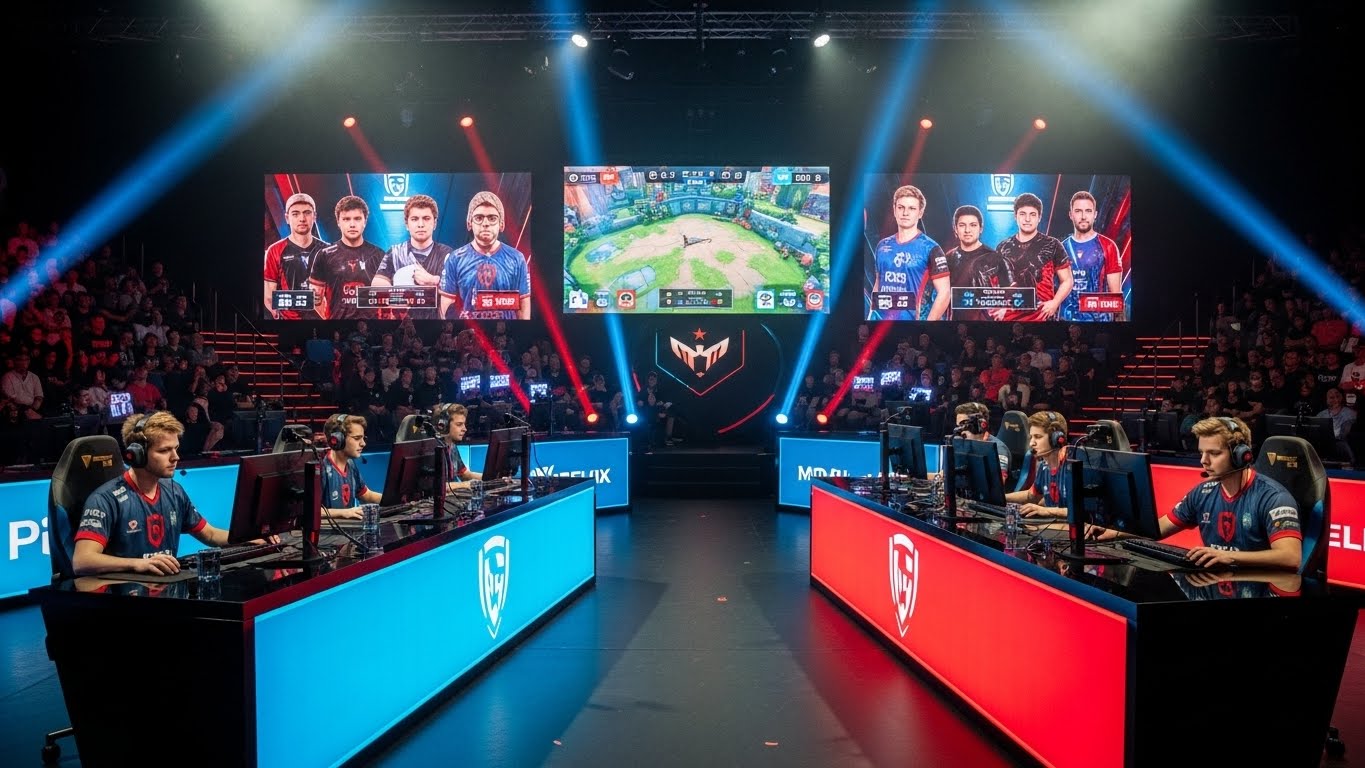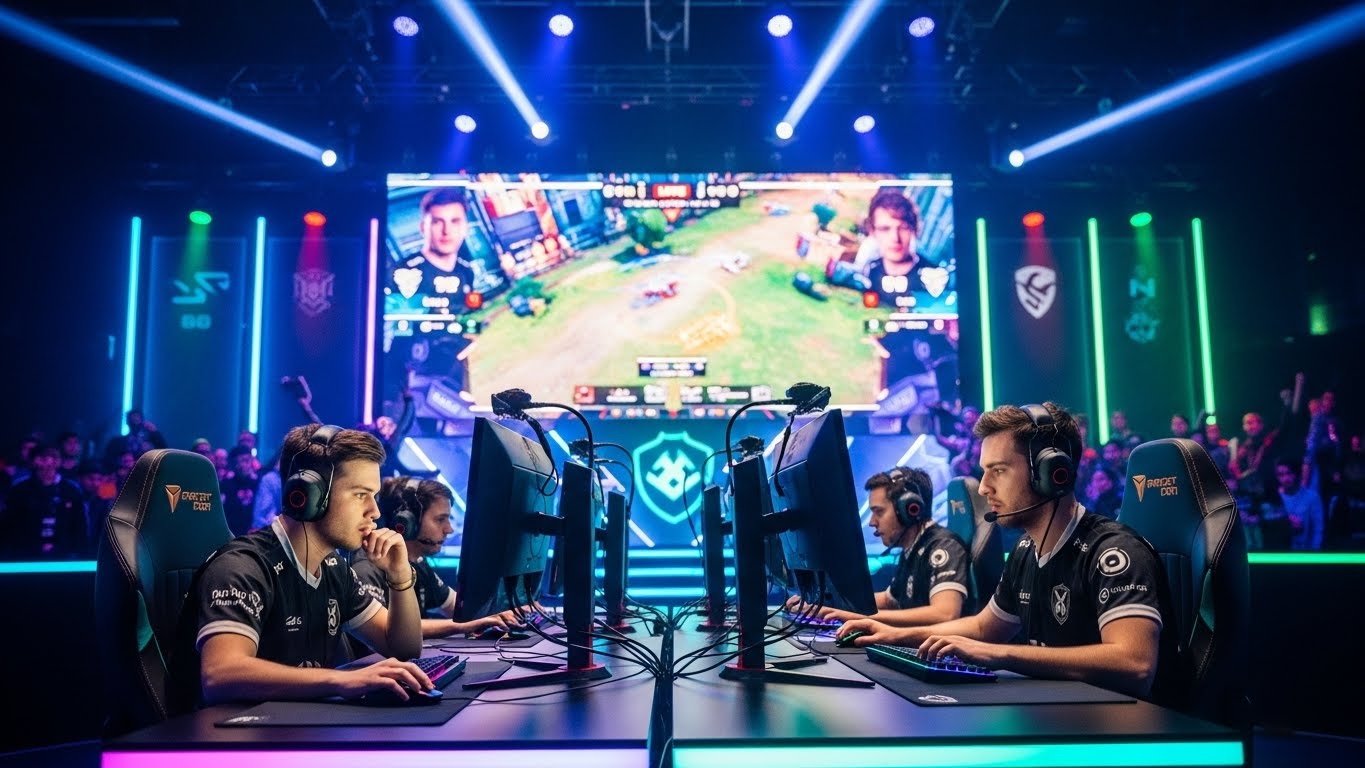
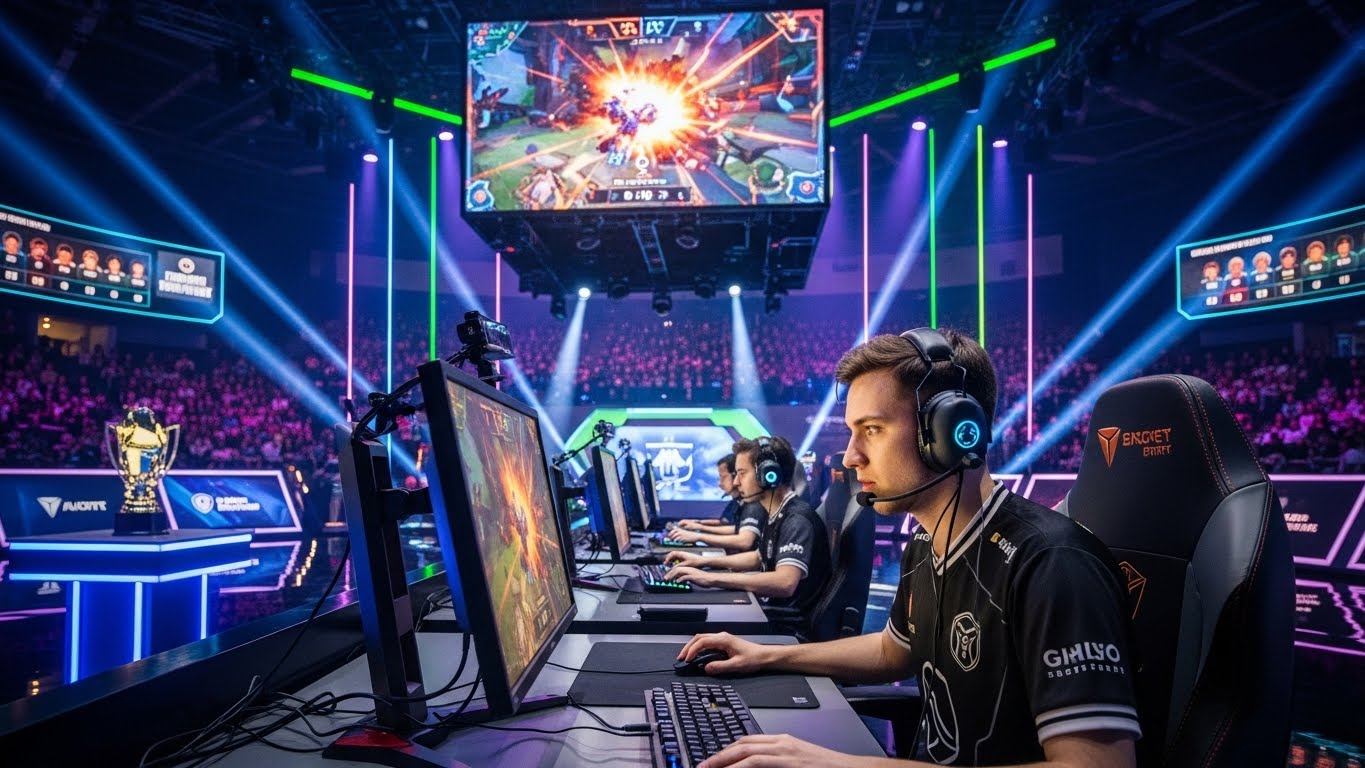
Esports has emerged as one of the most dynamic and influential forms of competition in the digital age. What once began as casual video game contests among friends has grown into a global industry featuring professional players, massive audiences, and international tournaments. Esports represents more than gaming; it reflects changes in technology, entertainment, and how people connect and compete in the modern world. This blog explores the journey of esports, its cultural and economic impact, and its role in shaping the future of competitive entertainment.
Defining Esports in Today’s World
Esports, short for electronic sports, refers to organized competitive video gaming played at a professional or semi-professional level. Players compete individually or in teams across structured leagues and tournaments. Unlike casual gaming, esports requires exceptional skill, strategic planning, teamwork, and consistent practice.
Professional esports players train with the same discipline as traditional athletes. They analyze gameplay, study opponents, and work with coaches to improve performance. Matches are often broadcast to live audiences, creating an environment where digital competition mirrors the excitement and pressure of physical sports.
The Early Roots of Competitive Gaming
The origins of esports can be traced back to arcade competitions in the late twentieth century. Players gathered to compete for high scores and recognition, turning simple games into informal contests. These early competitions created a sense of rivalry and community among players.
As home consoles and personal computers became widespread, competitive gaming expanded beyond local arcades. Online multiplayer technology allowed players from different regions to compete in real time. Early competitive titles laid the foundation for organized tournaments, attracting growing audiences and establishing the framework for modern esports.
Growth Through Online Connectivity
The rise of the internet played a crucial role in esports development. Online connectivity transformed gaming into a global activity, enabling players to compete across continents. Multiplayer platforms allowed teams to practice together, communicate instantly, and build long-term strategies.
Streaming technology further accelerated esports growth by allowing fans to watch live matches, follow professional players, and engage with communities. This accessibility helped esports gain mainstream recognition and attracted sponsorships, investments, and media attention.
Popular Esports Game Categories
Esports includes a wide range of game genres, each offering unique competitive experiences. Multiplayer online battle arena games emphasize teamwork, strategy, and coordination. Players must master specific roles while working together to achieve objectives.
First-person shooter games focus on precision, reaction speed, and tactical decision-making. These games reward quick thinking and strong communication. Real-time strategy games require long-term planning, resource management, and adaptability. Sports simulation games recreate real-world athletics in digital form, while battle-based games test survival instincts and situational awareness.
This diversity allows esports to appeal to players with different skills and interests, making the industry inclusive and dynamic.
The Life of a Professional Esports Player
Becoming a professional esports player requires dedication, discipline, and resilience. Players often train for many hours daily, refining mechanical skills, improving reaction times, and developing game knowledge. Team-based players must also practice communication and coordination to ensure smooth collaboration during matches.
Mental strength is a critical component of success. Players must handle pressure, recover from mistakes quickly, and maintain focus during intense competitions. Many teams employ coaches, analysts, and mental performance specialists to support player development and consistency.
Physical and Mental Health in Esports
Although esports is digitally based, physical health plays an important role in performance. Long hours of gaming can lead to issues such as eye strain, repetitive stress injuries, and poor posture. Professional players often follow fitness routines, stretching exercises, and ergonomic practices to maintain physical well-being.
Mental health is equally important. Competitive pressure, public scrutiny, and demanding schedules can cause stress and burnout. Awareness of these challenges has increased, leading many organizations to prioritize player wellness through balanced schedules, counseling, and rest periods.
Esports as a Social Experience
Esports thrives on community and connection. Fans gather to support teams, discuss strategies, and celebrate victories. Online platforms allow players and viewers to interact, creating strong bonds across cultures and regions.
Team-based esports encourage communication, leadership, and cooperation. Players learn to work together, resolve conflicts, and adapt to changing situations. For many individuals, esports communities provide a sense of belonging and shared identity that extends beyond the game itself.
Economic Impact of the Esports Industry
The esports industry has become a powerful economic force. Revenue is generated through tournaments, sponsorships, merchandising, and media coverage. Professional teams operate similarly to traditional sports organizations, employing players, coaches, analysts, content creators, and support staff.
Large tournaments attract massive audiences, both online and in physical venues. This popularity has drawn investments from major brands and organizations. Esports has also created opportunities in broadcasting, event management, marketing, and game development, contributing significantly to the global digital economy.
Education and Career Opportunities in Esports
Esports has evolved into a legitimate educational and career pathway. Many institutions now offer esports programs, scholarships, and training facilities. These programs focus not only on competitive play but also on industry-related skills such as management, marketing, and production.
Career opportunities in esports extend far beyond professional gaming. Roles include coaching, analysis, journalism, event organization, and digital content creation. The skills developed through esports, including teamwork, strategic thinking, and adaptability, are valuable across many professional fields.
Cultural Influence and Global Reach
Esports is a global phenomenon with strong regional identities. Different regions are known for distinct play styles, strategies, and competitive strengths. International tournaments bring players from around the world together, fostering cultural exchange and mutual respect.
The influence of esports extends into mainstream culture. It impacts fashion, language, entertainment trends, and digital media. Professional players have become public figures and role models, inspiring younger generations to pursue gaming with discipline and passion.
Challenges Facing the Esports World
Despite its success, esports faces several challenges. Issues such as cheating, unethical behavior, and lack of standardized regulations can threaten competitive integrity. Ensuring fair play and transparency remains a priority for the industry.
Inclusivity and diversity are also important concerns. Creating welcoming environments for players of all backgrounds is essential for sustainable growth. Addressing harassment, promoting representation, and supporting grassroots development are key steps toward a healthier esports ecosystem.
The Future of Esports Competition
The future of esports is filled with potential and innovation. Advancements in technology will continue to enhance gameplay, training methods, and spectator experiences. Improved analytics, immersive environments, and global connectivity will shape the next generation of competitive gaming.
As esports gains further recognition, it may become more integrated with traditional sports structures. With continued focus on player well-being, ethical standards, and community development, esports is poised to remain a defining force in digital competition.
Conclusion
Esports has grown from simple gaming competitions into a global industry that blends technology, entertainment, and human ambition. It has redefined what competition means in a digital world, offering new opportunities for players, fans, and professionals alike.
Through discipline, creativity, and collaboration, esports demonstrates that competition is not limited to physical arenas. It builds communities, drives economic growth, and influences culture on a global scale. As technology continues to evolve, esports will remain at the forefront of modern entertainment, proving that virtual arenas can deliver real glory.
Esports is not just the future of gaming. It is a powerful expression of how humans compete, connect, and create in the digital age.