Introduction: The Digital Revolution of Sports
Esports, or competitive video gaming, has evolved from a niche hobby to a global phenomenon that captivates millions of fans and players around the world. What started as informal competitions among friends has transformed into a multi-billion-dollar industry with professional leagues, sponsorships, and millions of viewers. The rise of esports is one of the most significant cultural shifts of the 21st century, reflecting the growing influence of digital entertainment and technology on the way we interact with the world. Esports is no longer just about gaming—it’s about community, competition, and the future of entertainment.
The Origins of Esports
The roots of esports can be traced back to the early days of video gaming in the 1970s and 1980s, when arcade games like “Pong” and “Space Invaders” sparked the first competitive gaming events. In the early 1990s, online multiplayer games such as “Doom” and “Warcraft” enabled gamers to connect and compete remotely, laying the foundation for modern esports.
However, it was the release of games like “StarCraft” and “Counter-Strike” in the late 1990s and early 2000s that turned competitive gaming into a serious sport. These games introduced the concept of organized tournaments and professional play, attracting skilled players and fans alike. As the internet became faster and more accessible, esports began to expand beyond small LAN (Local Area Network) parties to massive online competitions and global events.
The Rise of Esports Tournaments and Leagues
By the mid-2000s, esports tournaments were being held worldwide. Games like “League of Legends,” “Dota 2,” “Overwatch,” and “Fortnite” became staples of competitive gaming. These games offered players the chance to compete for substantial cash prizes, while the global reach of streaming platforms like Twitch and YouTube made it easier than ever for fans to watch and follow their favorite players and teams.
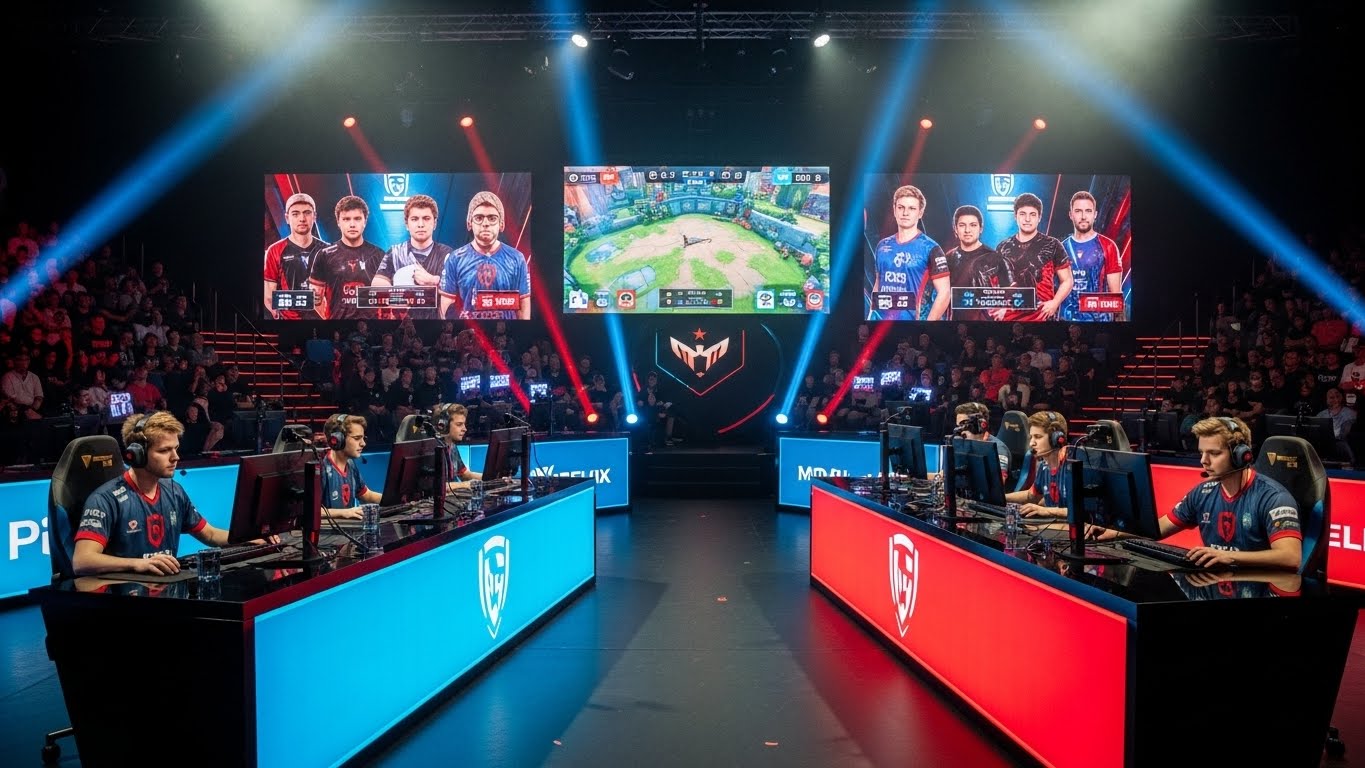
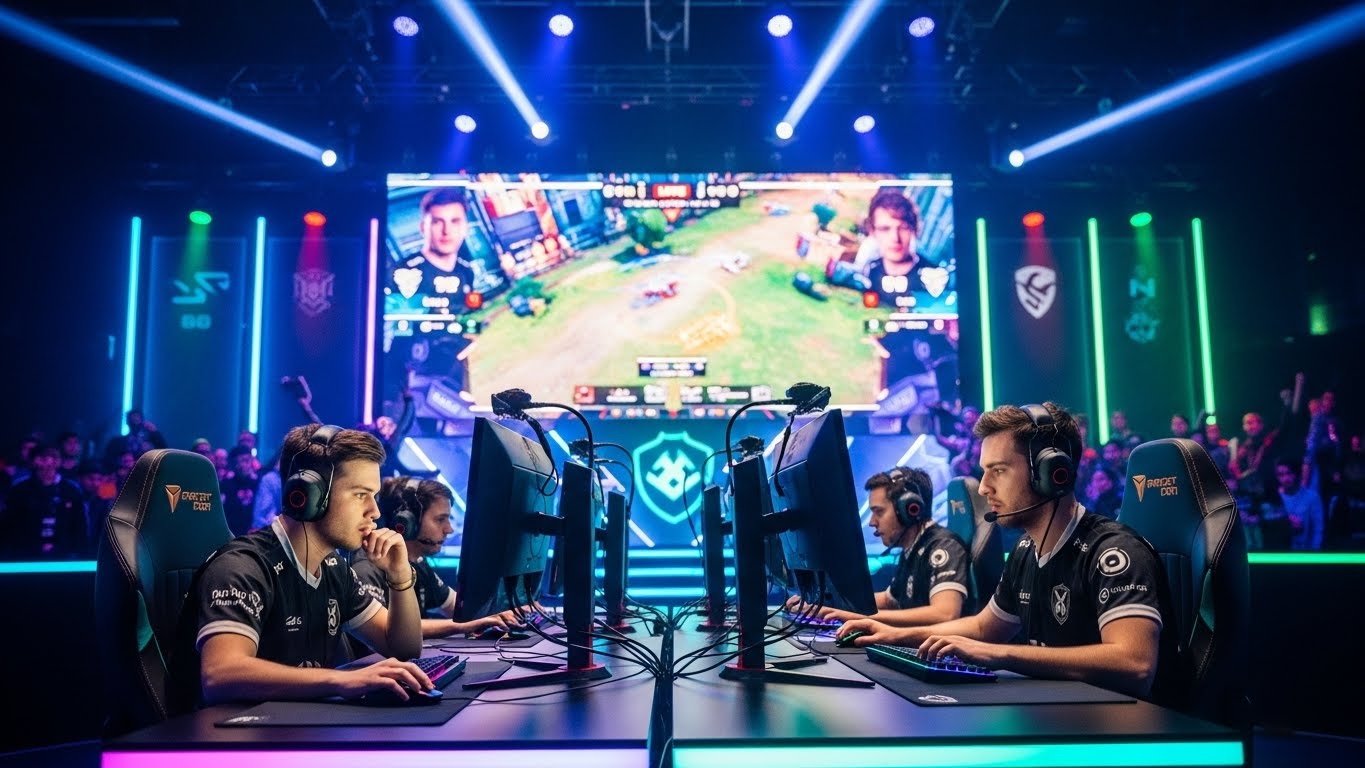
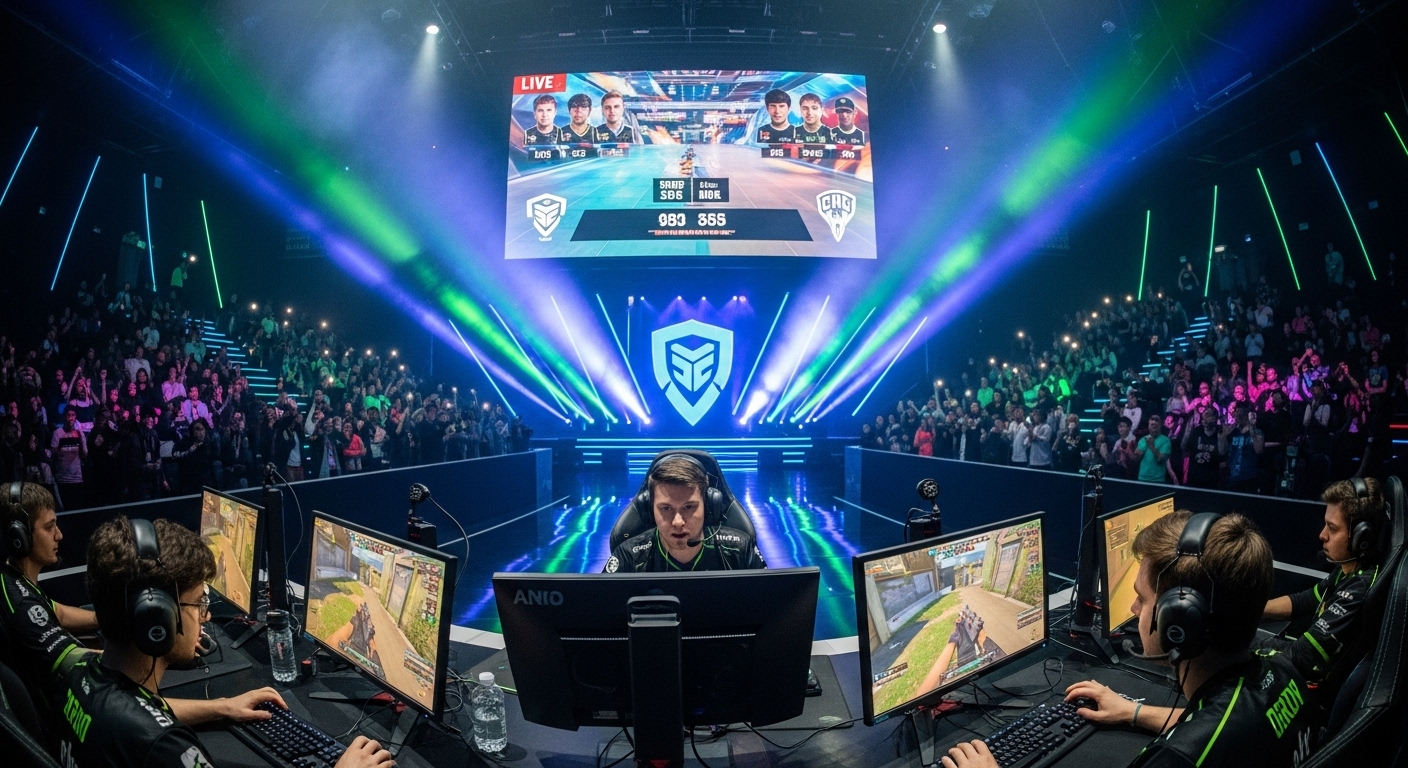
Esports tournaments are now a staple of global entertainment, with events such as “The International” (Dota 2), “World Championship” (League of Legends), and “The Overwatch League” drawing massive audiences both in person and online. These events often fill arenas with thousands of spectators and attract millions of viewers globally, rivaling traditional sports in terms of viewership and popularity.
In addition to large-scale tournaments, professional esports leagues have become a significant part of the industry. Teams and organizations are formed around popular games, and players sign contracts similar to traditional sports athletes. These leagues provide structure and regularity to esports competitions, offering fans a year-round schedule of games to watch and follow.
Esports: A Multi-Billion-Dollar Industry
The financial growth of esports has been staggering. What was once considered a hobby is now a massive industry worth billions of dollars. According to recent estimates, the global esports industry is expected to generate over $1 billion in revenue annually, with sponsorships, advertising, media rights, merchandise, and ticket sales contributing to this sum.
Sponsorship deals with major brands, such as Coca-Cola, Intel, and Adidas, have been a key driver of this growth. Esports organizations, teams, and players are now regularly featured in mainstream media, and esports events are broadcast on television networks like ESPN and Eurosport. This widespread visibility has helped esports break into the mainstream, attracting more corporate investment and making it a viable career path for talented gamers.
The Global Impact of Esports
Esports is a global movement that transcends geographical boundaries, connecting players and fans from all corners of the world. The ability to play and compete remotely, combined with the global popularity of certain games, has allowed esports to become a truly international phenomenon.
The appeal of esports lies in its accessibility. Unlike traditional sports, where physical attributes such as strength and speed play a significant role, esports levels the playing field by focusing on mental agility, strategy, and coordination. Players from all backgrounds, regardless of age, gender, or nationality, can participate and succeed in esports competitions.
Streaming platforms like Twitch have further enhanced esports’ global reach by allowing players to broadcast their games and interact with fans in real-time. Esports tournaments are also streamed on YouTube and other platforms, making them accessible to millions of viewers worldwide. This accessibility has made esports a powerful cultural force that resonates with people from diverse backgrounds and creates a sense of community across borders.
Esports as a Career Path
One of the most exciting aspects of esports is that it has opened up new career opportunities for players, coaches, analysts, broadcasters, and content creators. Professional esports players can earn substantial salaries through tournament winnings, sponsorships, and streaming deals. Top-tier players in games like “League of Legends,” “Dota 2,” and “Fortnite” can make millions of dollars each year, while smaller, up-and-coming players also have opportunities to break into the industry.
Beyond playing, many individuals find success in esports by taking on roles such as coaching, team management, or commentating. Esports broadcasters and analysts provide expert commentary and insights during live events, helping fans understand the intricacies of the games. Content creators, such as streamers on platforms like Twitch and YouTube, build loyal followings by producing entertaining and informative videos related to gaming and esports.
Moreover, esports has given rise to a whole ecosystem of jobs in marketing, event management, game development, and even sports psychology. Universities and colleges have recognized the potential of esports and have begun offering scholarships, degrees, and specialized programs to train the next generation of esports professionals.
Esports and Mental Health
As esports continues to grow, so too does the conversation around mental health in the gaming community. Competitive gaming can be incredibly demanding, with players spending long hours practicing, analyzing strategies, and competing in high-pressure environments. This intense focus on performance can lead to burnout, anxiety, and depression for some players.
Esports organizations and sponsors are increasingly recognizing the importance of mental health for their players. Many teams have started to hire sports psychologists, counselors, and mental health professionals to support players and ensure they maintain a healthy balance between gaming and personal well-being. Players themselves are becoming more open about their mental health struggles, and there is a growing movement to destigmatize mental health issues within the esports community.
As esports continues to grow, ensuring the mental health of players should remain a top priority. The pressures and challenges of competitive gaming are unique, and it is crucial that both organizations and fans create a supportive environment where players can thrive, not only as athletes but as individuals.
Esports and Education
Esports is not just about entertainment—it also has educational value. Many games require strategic thinking, problem-solving, and teamwork, making them excellent tools for developing cognitive skills. Schools and universities have recognized the potential of esports to engage students and teach valuable lessons in teamwork, leadership, and time management.
In recent years, schools have started to integrate esports into their curriculum and extracurricular activities. Competitive school esports leagues have become common, allowing students to participate in tournaments and learn about the gaming industry. Some universities have even launched esports programs, offering students the opportunity to pursue degrees in fields like game design, media production, and esports management.
Esports is not just a pastime for young people; it’s an industry that’s intertwined with education, creating pathways for students to pursue careers in technology, marketing, and business. The intersection of education and esports is just beginning to be explored, and it promises to be a key area of growth in the coming years.
The Future of Esports
As esports continues to evolve, its future is filled with potential. The growing popularity of mobile gaming, advancements in virtual and augmented reality, and the rise of new gaming platforms will all contribute to the future of esports. These technologies will create new opportunities for competition and entertainment, allowing esports to reach new audiences and explore new forms of gameplay.
Esports may also see further integration with traditional sports. Many professional sports teams have already invested in esports organizations, and some have even established their own esports teams. The fusion of traditional sports and esports could lead to exciting new formats for competition, blending physical and digital gaming in innovative ways.
As esports becomes an even more prominent part of the entertainment landscape, its impact will likely continue to extend beyond gaming and sports. It will shape culture, business, and technology in ways we can only begin to imagine.
Conclusion: The Enduring Legacy of Esports
Esports has evolved from a fringe hobby into a cultural and economic powerhouse. With millions of fans, professional leagues, and a growing industry, esports is here to stay. It has not only transformed how we view sports and entertainment but has also created new career opportunities, fostered global communities, and sparked important conversations about mental health.
The rise of esports reflects the changing nature of entertainment in the digital age. As technology continues to advance, esports will likely evolve into even more immersive and exciting forms of competition. Whether it’s through virtual reality, mobile gaming, or new forms of interactive content, the future of esports is bright.
Esports is not just a game—it’s a movement that is shaping the future of sports, entertainment, and technology. As it continues to grow, it will undoubtedly continue to inspire, entertain, and unite people around the world.