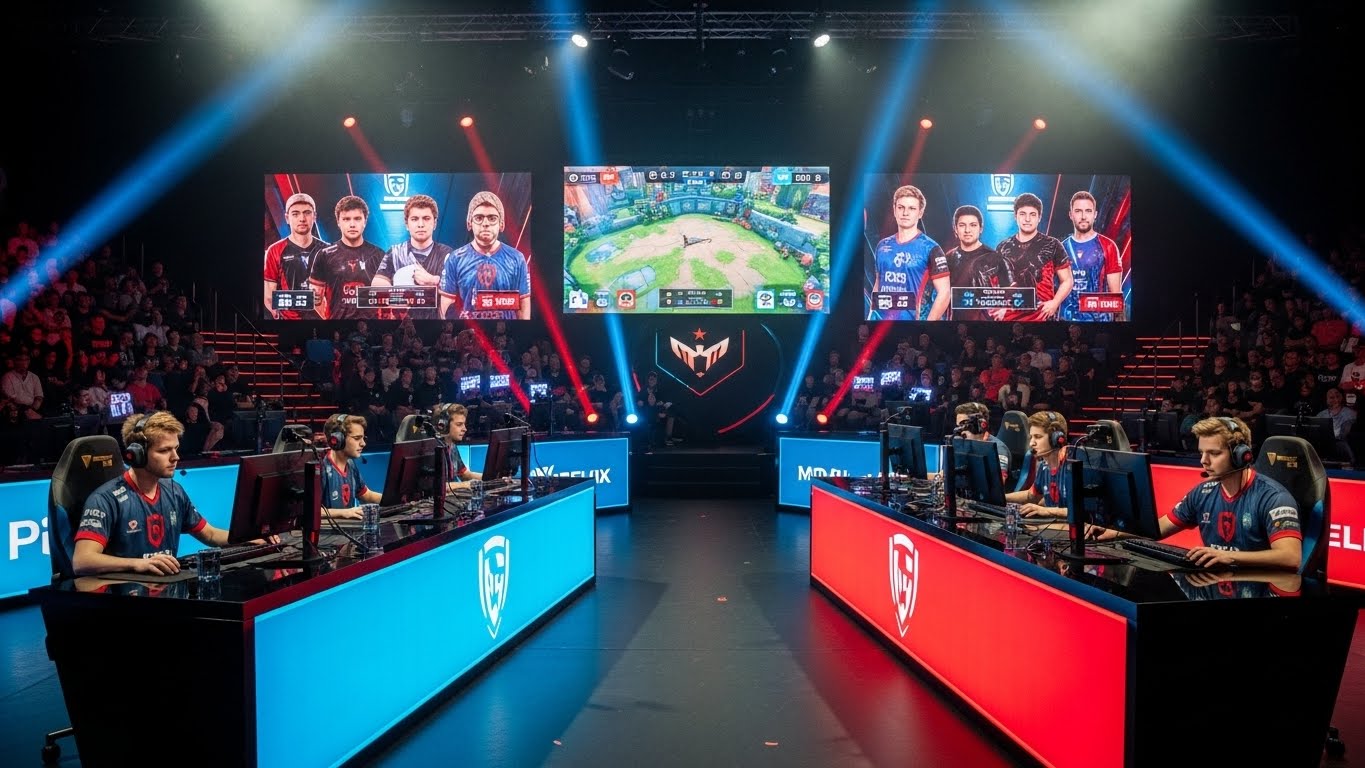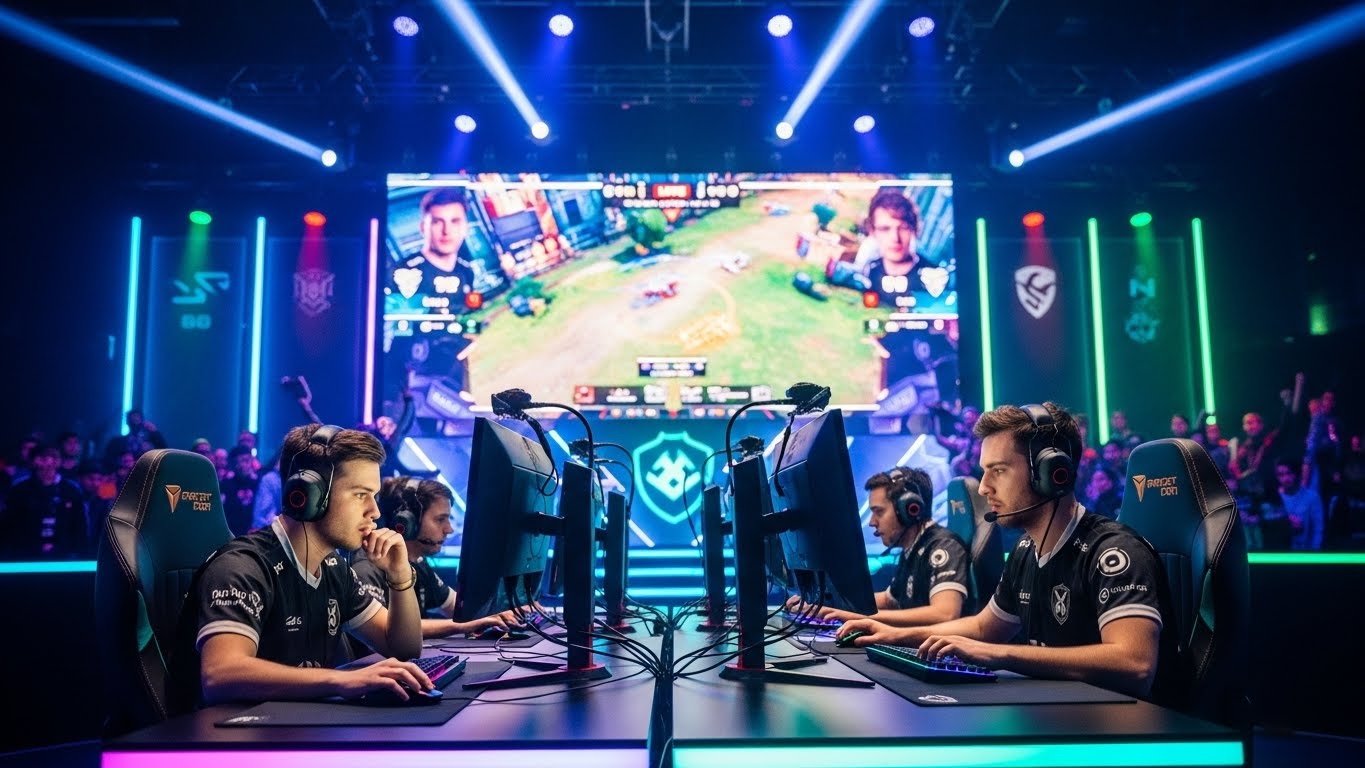
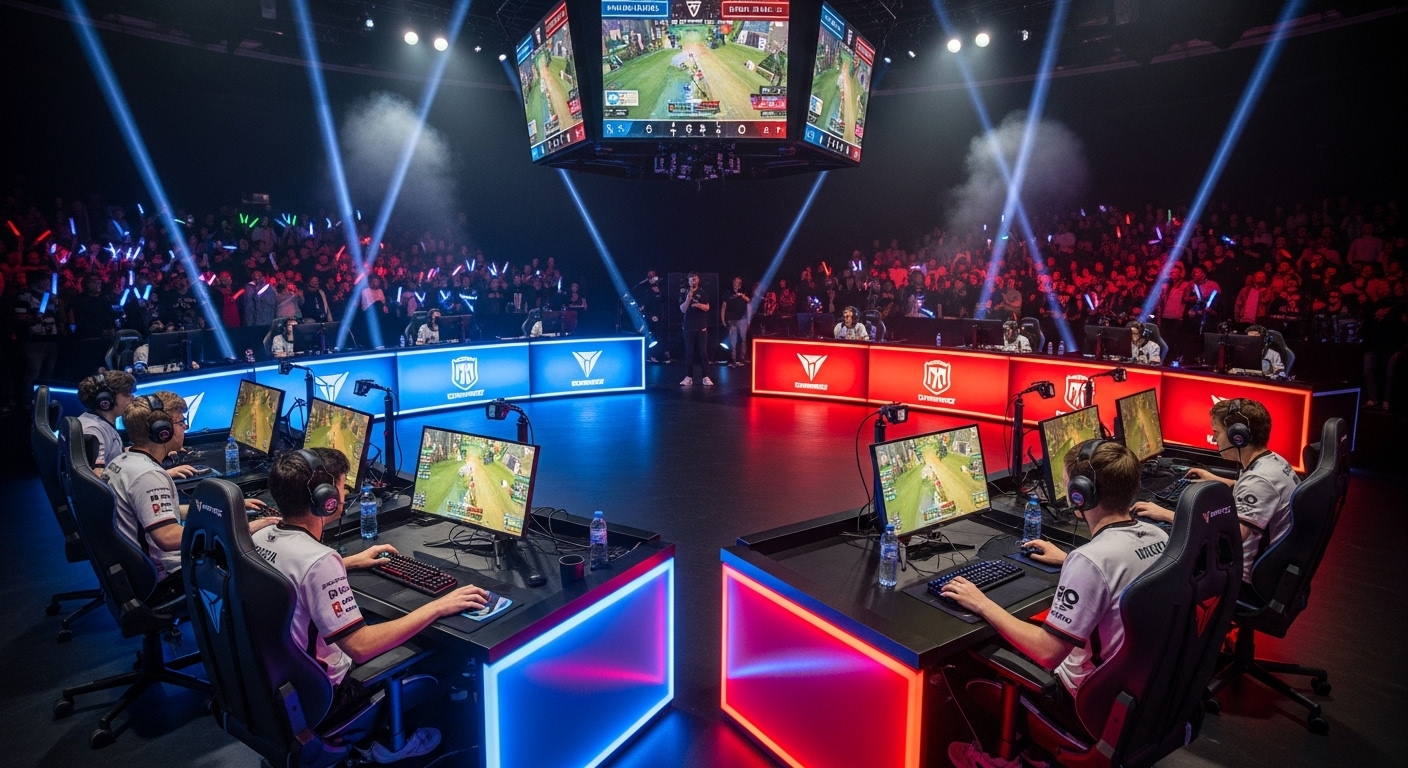
Esports, or competitive video gaming, has transformed from a niche hobby into a global phenomenon over the past two decades. What was once dismissed as simple entertainment for teenagers has evolved into a multi-billion-dollar industry with professional athletes, stadium events, and worldwide audiences. With tournaments broadcast on television and streaming platforms, sponsors investing heavily, and universities offering scholarships, esports now rivals traditional sports in popularity and cultural significance. Its rise reflects the intersection of technology, entertainment, and competitive spirit, offering insight into the modern digital era.
Understanding Esports: Beyond the Game
Esports encompasses organized competitions in video games, where players and teams face off at professional levels. While casual gaming remains popular, esports is distinct in its structure, professionalism, and global reach. Titles like League of Legends, Dota 2, Counter-Strike, Fortnite, and Overwatch have cultivated massive communities, with players dedicating thousands of hours to mastering their skills.
Competitive gaming requires strategy, teamwork, reflexes, and mental endurance. Unlike traditional sports, success in esports is not dependent on physical strength but on cognitive agility, communication, and quick decision-making. Players must study opponents, adapt strategies in real-time, and maintain focus under intense pressure, highlighting the skill and discipline required to succeed at the highest level.
The Growth of the Esports Industry
The growth of esports has been exponential, fueled by technology, accessibility, and cultural acceptance.
The Global Audience
Esports attracts hundreds of millions of viewers worldwide. Major tournaments fill arenas and draw online audiences in the tens of millions, rivaling traditional sporting events. Streaming platforms such as Twitch and YouTube Gaming provide live coverage and interactive experiences, enabling fans to connect with players and other enthusiasts. This global reach has made esports not just a game but a shared cultural phenomenon, bridging continents and communities through competition.
Revenue Streams
The esports industry generates revenue through sponsorships, advertising, merchandise, media rights, and tournament prize pools. Brands recognize the value of engaging with esports audiences, who are often young, tech-savvy, and highly engaged. Teams receive financial backing from global corporations, while tournament organizers create large-scale events that rival professional sports leagues in production quality and audience reach. Merchandise, such as team jerseys and gaming peripherals, adds another layer of economic activity, making esports a thriving commercial ecosystem.
Institutional Support
Universities and colleges are increasingly offering scholarships for esports athletes. Academic institutions recognize the potential of competitive gaming to teach teamwork, strategy, and discipline. Professional leagues and federations have also emerged, standardizing rules, rankings, and player contracts, which further legitimizes esports as a serious career path.
The Players: Modern-Day Athletes
Professional esports players dedicate their lives to mastering their craft, often practicing six to ten hours daily. Unlike casual gamers, these athletes follow rigorous routines that include physical exercise, strategic analysis, and mental conditioning. Nutrition, sleep, and stress management play critical roles in performance, similar to traditional sports.
Team Dynamics and Coaching
Esports is highly team-oriented. Success often depends on how well players communicate and coordinate during matches. Coaches, analysts, and support staff provide guidance on strategy, opponent tendencies, and performance improvement. This professional support system ensures that players can focus on honing skills while maintaining consistency at the highest competitive levels.
Challenges Faced by Players
While esports offers exciting opportunities, it also comes with challenges. The intense pressure and long hours can lead to burnout, stress, and mental health issues. The competitive environment is fast-paced, and players must constantly adapt to new game updates, meta shifts, and emerging talent. Additionally, the lack of long-term security in careers requires players to plan for life beyond active competition.
The Cultural Impact of Esports
Esports is reshaping entertainment and popular culture in significant ways.
Redefining Sports
Esports challenges traditional notions of athletics. While physical prowess is less central, the competition, dedication, and spectator appeal rival conventional sports. This redefinition has sparked debates about what constitutes a sport, ultimately expanding the cultural understanding of athleticism to include mental agility, strategy, and precision.
Community and Identity
Esports fosters global communities where fans share interests, strategies, and experiences. Online forums, streaming chats, and social media provide platforms for connection, debate, and celebration. Fans often develop a strong sense of identity around teams or players, mirroring traditional sports fandom, which strengthens engagement and loyalty.
Inclusivity and Accessibility
Unlike traditional sports, esports is highly accessible. Players of different ages, genders, and physical abilities can compete on equal footing. This inclusivity has contributed to the growing popularity of esports, breaking down barriers that limit participation in other competitive arenas.
Technology as the Backbone of Esports
Esports would not exist without the technology that supports it. Hardware, software, internet infrastructure, and streaming platforms all play crucial roles.
Gaming Hardware and Equipment
High-performance computers, gaming consoles, monitors, and peripherals such as specialized mice and keyboards provide players with the precision and speed required at professional levels. Advanced equipment ensures minimal latency, smooth graphics, and accurate input recognition, directly affecting performance in competitive matches.
Streaming and Broadcasting
Streaming technology has transformed esports into a spectator sport. Platforms allow viewers to watch live matches, interact with commentators, and even influence game experiences through community engagement. Broadcasting innovations, including high-definition video, multiple camera angles, and analytical overlays, enhance viewer immersion and excitement.
Game Development and Balance
Game developers play a crucial role in shaping esports. They ensure games remain balanced, competitive, and engaging. Updates, patches, and tournaments introduce new strategies, keeping the ecosystem dynamic and challenging. Developers often collaborate with professional players to refine gameplay, demonstrating a symbiotic relationship between creators and competitors.
Esports Events: The Modern Spectacle
Esports tournaments are now major events with production value rivaling traditional sports finals.
International Championships
Tournaments such as the League of Legends World Championship and The International for Dota 2 attract massive viewership, both in arenas and online. Prize pools often reach millions of dollars, reflecting the high stakes and intense competition. These events are not just about gameplay; they are media spectacles with music, stage design, commentary, and fan engagement that elevate esports into mainstream entertainment.
Local and Regional Leagues
Beyond global tournaments, local and regional leagues nurture talent and provide stepping stones for aspiring players. These competitions foster community engagement and create pathways for discovery, ensuring the growth and sustainability of the esports ecosystem.
Integration with Traditional Media
Television networks and mainstream media now cover esports extensively. Dedicated programming, documentaries, and feature stories introduce esports to audiences who may not be familiar with gaming, further expanding its reach and cultural legitimacy.
Challenges Facing Esports
Despite rapid growth, esports faces challenges that need to be addressed for long-term sustainability.
Regulation and Standardization
The absence of uniform regulations and governing bodies creates inconsistency across leagues and tournaments. Standardized rules, fair play policies, and player protections are essential for maintaining credibility and professional integrity.
Health and Well-being
The intense schedules and sedentary nature of gaming raise concerns about players’ physical and mental health. Initiatives promoting exercise, balanced nutrition, and mental health support are crucial for ensuring that esports athletes can perform at their best while maintaining overall well-being.
Public Perception
While acceptance is growing, some still view esports as a form of leisure rather than a legitimate sport or career. Education, awareness campaigns, and mainstream media coverage help bridge this perception gap, emphasizing the dedication and skill required to succeed.
The Future of Esports
Esports is poised for continued growth, fueled by technological innovation, cultural acceptance, and increasing investment.
Emerging Technologies
Virtual reality and augmented reality promise to revolutionize gameplay, providing immersive experiences that blend physical and digital worlds. Artificial intelligence may enhance training, analytics, and content creation, pushing the boundaries of competitive gaming further.
Expanded Accessibility
As technology becomes more affordable and internet infrastructure improves, esports will become accessible to even larger audiences and new regions. This democratization will diversify talent pools and create a truly global competitive ecosystem.
Integration with Education and Careers
Esports is increasingly integrated into education and professional development. From scholarships to career pathways in management, marketing, and broadcasting, esports offers diverse opportunities beyond playing, making it a viable long-term industry for passionate individuals.
Conclusion
Esports has grown from humble beginnings into a global force that shapes entertainment, culture, and technology. It challenges traditional definitions of sport, builds vibrant communities, and offers professional opportunities to talented individuals worldwide. The combination of skill, strategy, technology, and fan engagement has created a dynamic industry that continues to evolve. As esports matures, it is not just redefining competition but also inspiring new ways of thinking about connection, entertainment, and the potential of digital media in modern life. The rise of esports demonstrates that in the digital era, passion, precision, and perseverance can transcend screens and unite the world in thrilling competition.