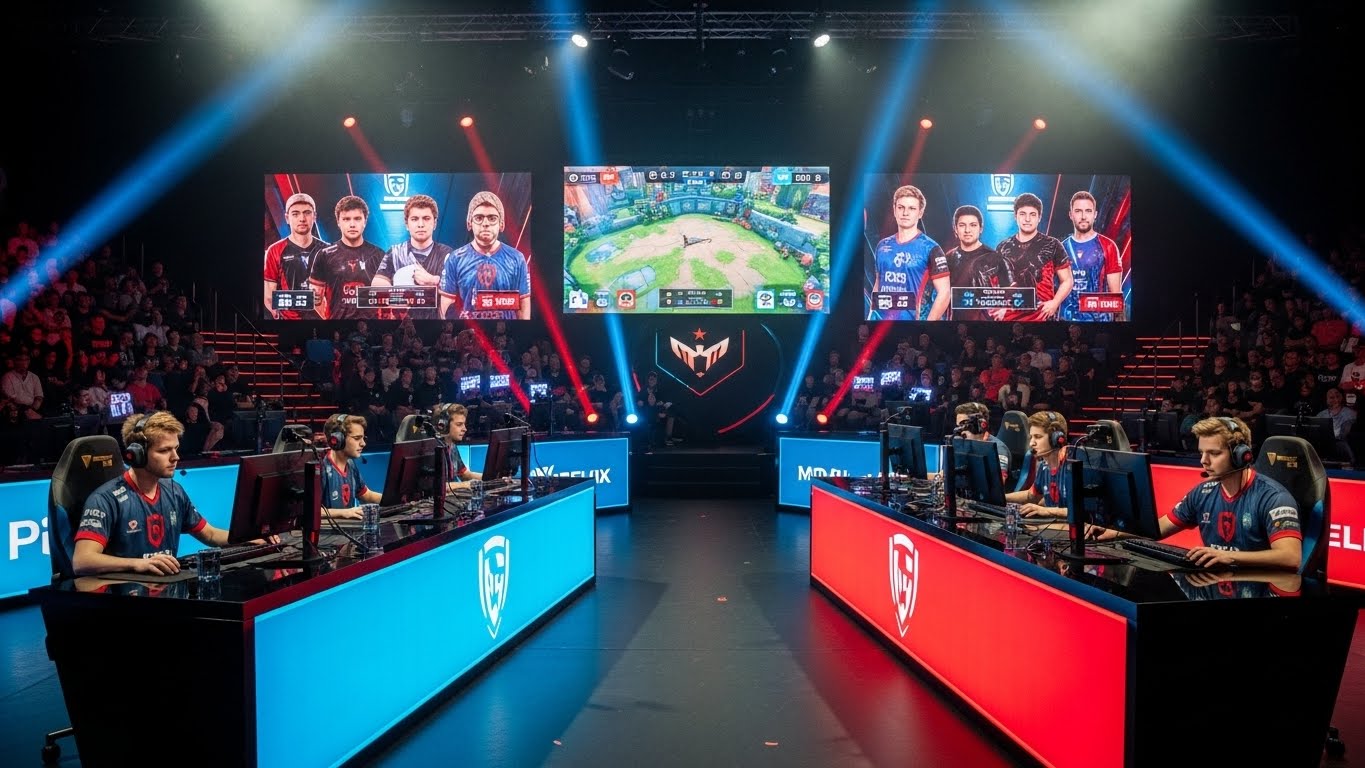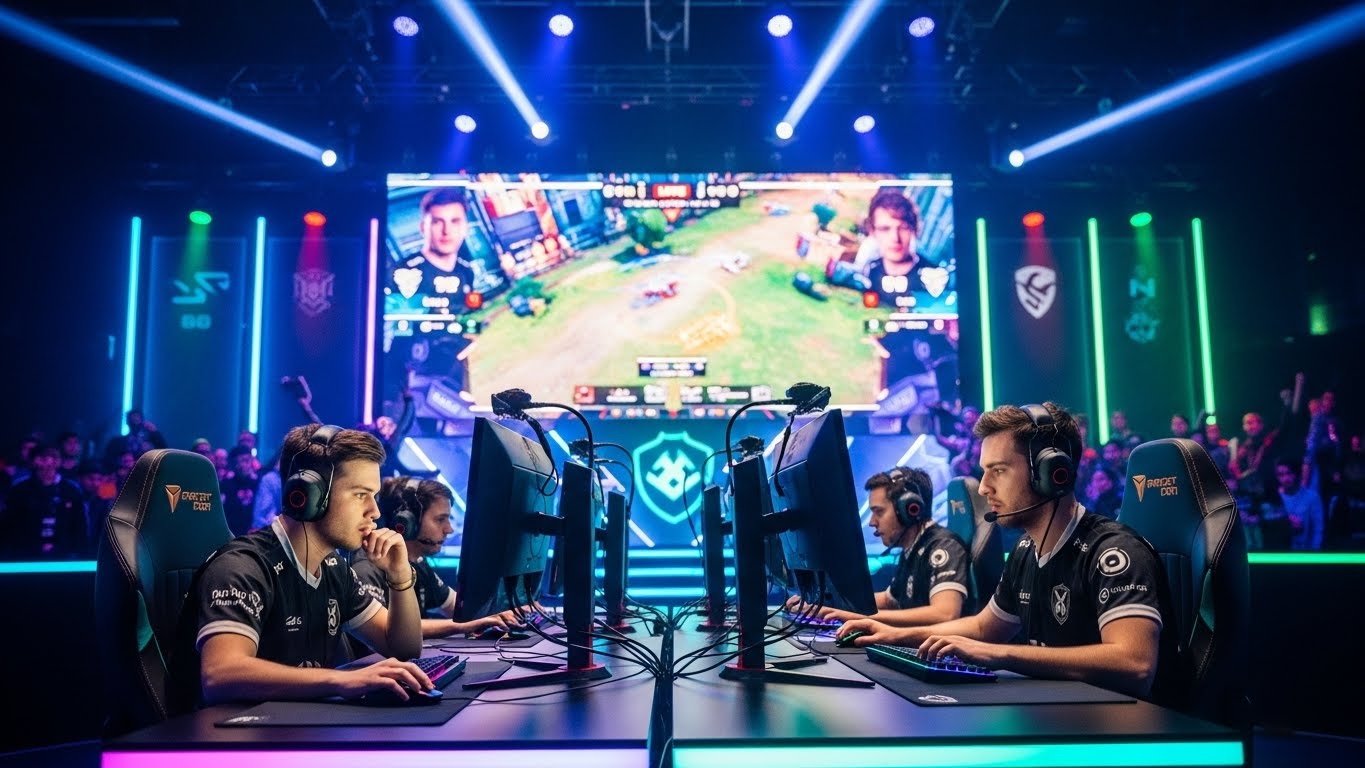
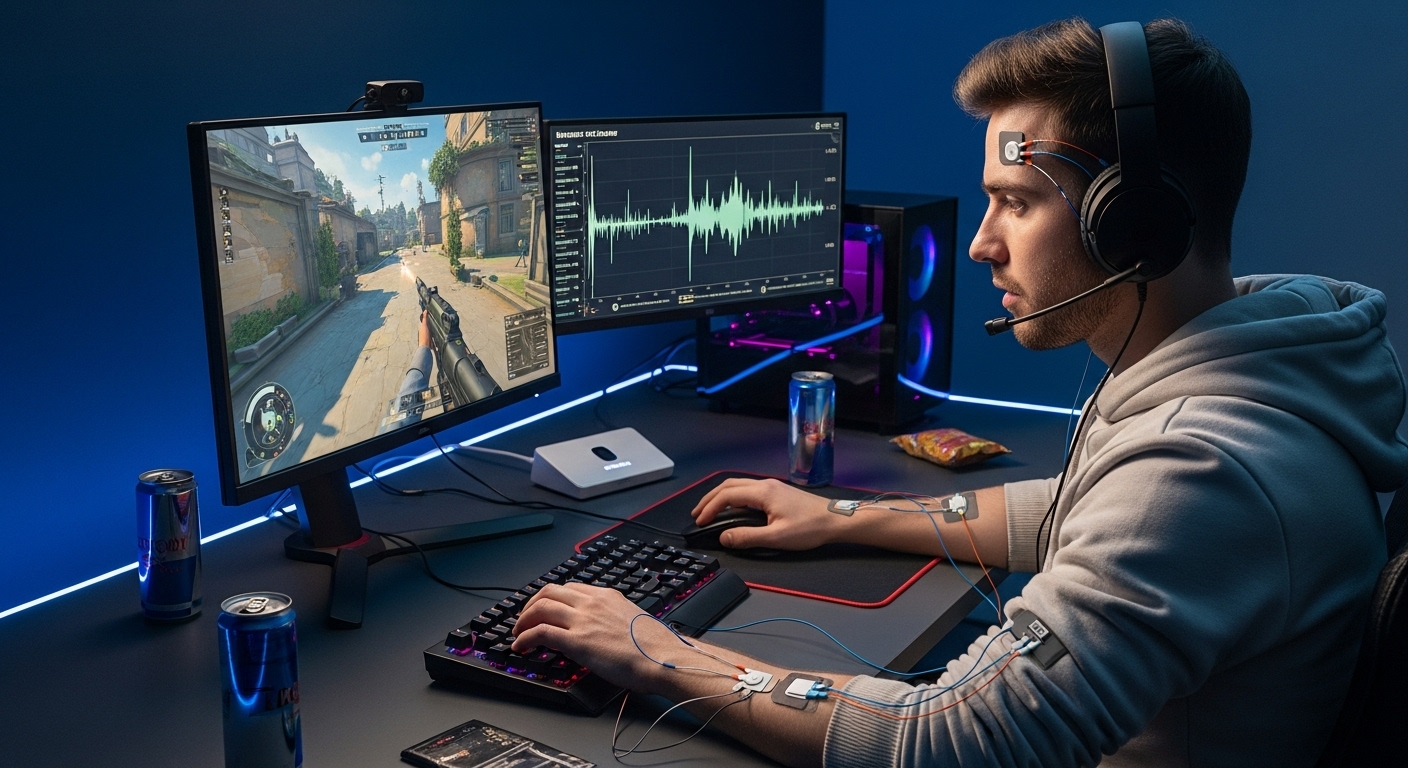
In the last decade, esports has transformed from a niche hobby into a global phenomenon, attracting millions of viewers and generating billions in revenue. While professional tournaments, elite teams, and high-stakes competitions have fueled this growth, another powerful force has significantly boosted esports’ popularity: streaming celebrities. These influencers, often content creators or professional gamers themselves, have become essential in shaping esports culture, bringing in massive audiences, and driving engagement across platforms.
This blog explores how streaming celebrities contribute to esports’ growth, their impact on fan engagement, and why their presence has become indispensable for the industry.
The Rise of Streaming Celebrities in Esports
Streaming celebrities are individuals who broadcast themselves playing games on platforms such as Twitch, YouTube Gaming, and Facebook Gaming. Some are former professional esports players, while others are entertainers who combine gaming skills with humor, commentary, and personality.
The rise of streaming celebrities parallels the growth of esports itself. As tournaments became more prominent, fans craved content beyond live matches. Streamers fill this gap by offering gameplay, commentary, tutorials, behind-the-scenes insights, and personal interactions with fans. Their personalities turn routine gameplay into entertaining content, often rivaling professional broadcasts in viewership.
How Streaming Celebrities Influence Esports Popularity
1. Expanding the Audience
Streaming celebrities attract viewers who may not have otherwise been exposed to competitive esports. Their massive followings, sometimes numbering in the millions, introduce casual audiences to esports titles, tournaments, and professional players.
For example, popular streamers like Ninja, Shroud, and Pokimane have brought games like Fortnite, Valorant, and League of Legends into mainstream culture. Their streams often showcase high-level gameplay, but in a format that is accessible and entertaining to casual fans. This exposure has contributed to record-breaking tournament viewership numbers worldwide.
2. Bridging Casual and Competitive Play
Many fans enjoy watching streamers for entertainment, but the same streamers often play competitive matches, tournaments, or scrims. This dual role bridges the gap between casual and professional gaming.
By participating in community tournaments or high-profile esports events, streamers demonstrate gameplay mechanics, strategies, and meta trends, making esports more understandable and relatable to new audiences. Fans can learn from them while also enjoying the excitement of competitive play.
3. Creating Emotional Connections
Unlike traditional sports, esports provides unique opportunities for direct interaction. Streaming celebrities often engage with viewers through live chats, Q&A sessions, or co-op gameplay. These interactions create a sense of personal connection and loyalty that traditional media rarely achieves.
This connection encourages viewers to follow tournaments, watch professional teams, and support esports events. A fan who enjoys a streamer’s content is more likely to tune into a competitive event if that streamer participates or collaborates with professional players.
4. Driving Tournament Viewership
Streaming celebrities often collaborate with esports organizations to broadcast tournament coverage or provide commentary. Their presence not only increases viewership but also enhances the entertainment value of competitive events.
For instance, when streamers participate in exhibition matches during major events like The International (Dota 2) or Fortnite World Cup, they attract tens of thousands of additional viewers who might not otherwise watch traditional competitive play. This influx helps tournaments reach record-breaking numbers, attract sponsors, and increase prize pools.
5. Promoting Esports Brands and Sponsorships
Streamers are powerful marketing channels for esports titles, teams, and tournaments. Their sponsorship deals often align with game publishers or esports organizations, creating mutually beneficial relationships.
For example, Ninja’s sponsorship with Fortnite and Shroud’s partnerships with hardware brands showcase how a streaming celebrity can boost both game popularity and commercial interest. These collaborations enhance brand visibility and drive participation, encouraging new players to try games and become long-term fans of the esports ecosystem.
6. Inspiring the Next Generation of Players
Streaming celebrities also serve as role models for aspiring esports players. By showcasing skill, strategy, and perseverance, they inspire viewers to pursue competitive gaming themselves.
Many professional players started as fans of popular streamers, learning mechanics, tactics, and decision-making from their streams. This cycle of inspiration expands the talent pool, ensuring that esports continues to grow and evolve.
Notable Streaming Celebrities Impacting Esports
- Ninja (Tyler Blevins): Popularized Fortnite, collaborated with professional teams, and boosted mainstream awareness of esports.
- Shroud (Michael Grzesiek): Former CS:GO professional, known for sharpshooting skills in FPS games, inspiring aspiring players.
- Pokimane (Imane Anys): Combines gaming skill with personality and community interaction, bridging casual and competitive audiences.
- xQc (Félix Lengyel): Former Overwatch League player turned full-time streamer, promoting esports culture across multiple games.
- Tfue (Turner Tenney): High-level Fortnite player who helped elevate competitive gameplay visibility.
These streamers demonstrate that personality, skill, and engagement can create a massive impact on esports’ reach and popularity.
The Symbiotic Relationship Between Streamers and Esports
The relationship between streaming celebrities and esports is mutually beneficial. Streamers gain credibility and content opportunities through competitive events, while esports benefits from increased visibility, broader audiences, and fan engagement.
Esports organizations increasingly recognize the value of streamers, inviting them to tournaments, exhibition matches, and content collaborations. Some teams even recruit streamers as ambassadors or influencers to expand brand recognition and attract sponsorships.
Future Trends
As technology advances, streaming and esports are likely to become even more intertwined:
- Virtual Reality (VR) and Augmented Reality (AR): Streamers may bring audiences immersive perspectives, offering real-time VR tournament experiences.
- Interactive Streaming: Viewers could influence matches, vote on strategies, or participate directly, creating hybrid entertainment.
- Cross-Platform Content: Streamers and esports professionals may collaborate across games, platforms, and media, reaching broader audiences.
- Global Collaborations: Streamers partnering with international teams and tournaments will continue to break regional barriers, expanding esports globally.
Conclusion
Streaming celebrities are not just entertainers; they are key drivers of esports’ growth and popularity. By bridging the gap between casual and competitive gaming, expanding audience reach, promoting tournaments, and inspiring future players, streamers play a critical role in shaping the industry.
Their influence ensures that esports is more than just a competition — it’s a global cultural phenomenon, connecting millions of fans through shared experiences, personalities, and gameplay. As streaming platforms evolve and audiences continue to grow, the synergy between streaming celebrities and esports will only become stronger, further solidifying esports as a mainstream form of entertainment and competition.