
Introduction
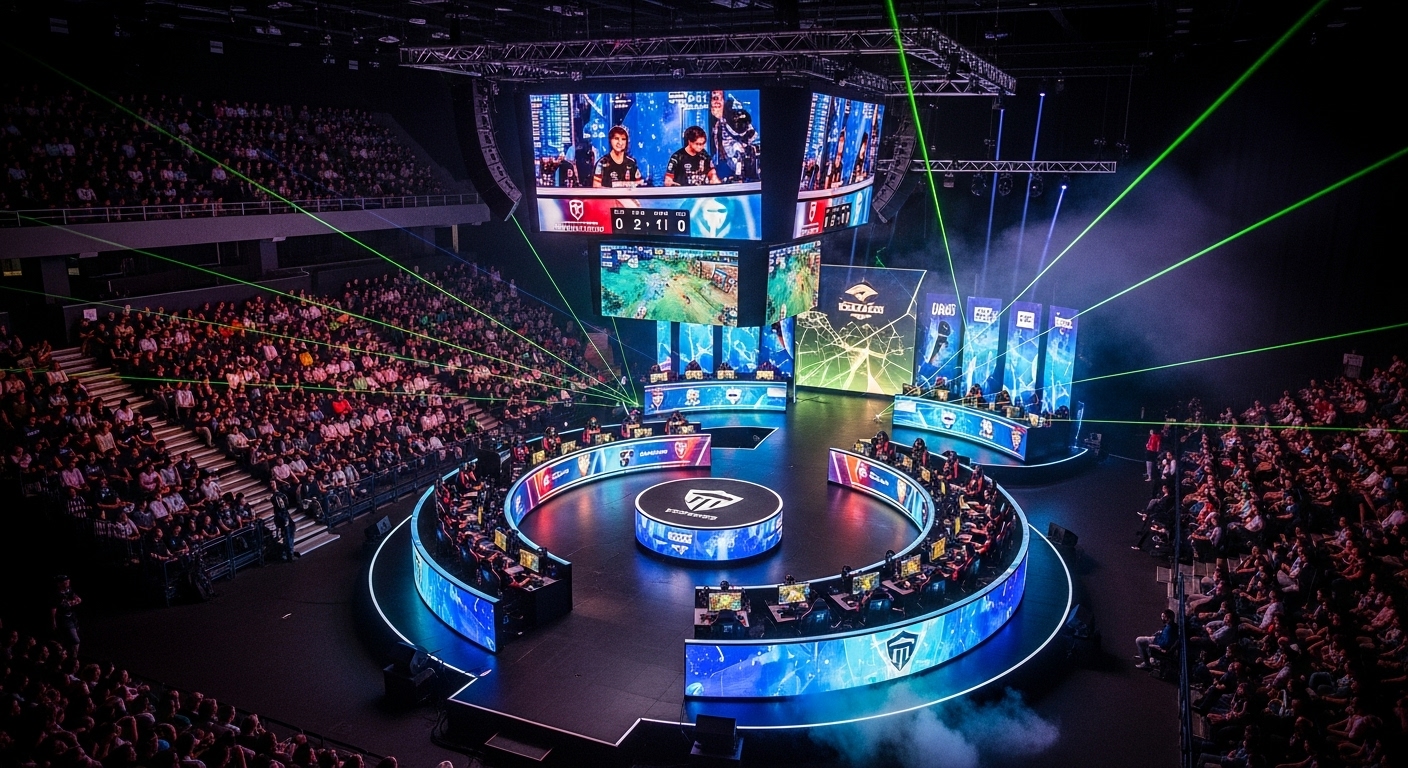
The rise of esports is one of the most fascinating phenomena of the digital age. What was once a niche hobby has grown into a global entertainment powerhouse, attracting millions of fans, professional players, and international tournaments with prize pools rivaling those of traditional sports. Esports has evolved from gamers competing in small LAN parties to filling entire stadiums with live audiences and millions more watching online.
Behind this explosive growth lies a crucial driving force: sponsorships. Just as traditional sports have long relied on sponsors to support athletes, teams, and leagues, esports depends heavily on sponsorships to sustain and expand its ecosystem. Sponsorships not only provide financial resources but also legitimize esports in the eyes of mainstream audiences, bridging the gap between gaming culture and corporate investment.
This blog explores in detail how sponsorships fuel the esports industry. We will examine their role in team funding, event organization, player development, brand integration, and global expansion. We will also analyze the symbiotic relationship between sponsors and esports entities, the challenges involved, and the future of sponsorship in the rapidly evolving gaming landscape.
The Importance of Sponsorship in Esports
Sponsorships in esports play a role far greater than mere financial backing. They form the foundation of the entire ecosystem, ensuring that players, teams, and tournaments can thrive. Unlike traditional sports that generate massive revenue from ticket sales, broadcasting rights, and merchandise, esports relies heavily on sponsorship to sustain growth.
For many teams, sponsorships account for the majority of their revenue. The funds provided by sponsors help cover player salaries, training facilities, travel expenses, and equipment. On the tournament side, sponsorships allow organizers to host large-scale events, secure venues, and offer attractive prize pools. Without sponsors, esports as we know it would not exist at its current scale.
Beyond money, sponsorships bring credibility. When well-established brands associate themselves with esports, they elevate the industry’s reputation and attract mainstream media attention. This validation is essential for esports to continue its transition from niche subculture to global phenomenon.
The Early Days of Esports Sponsorships
In the early years, esports was largely driven by passion rather than profit. Gamers would gather in internet cafés or small venues to compete for modest prizes, often supported by local businesses or small technology companies. The first sponsorships came from hardware and software brands, such as companies selling gaming PCs, graphics cards, or peripherals.
These early sponsors understood the direct connection between their products and the gaming community. Providing high-performance hardware to teams or tournaments was not only cost-effective but also a powerful way to market to a niche audience deeply invested in performance.
Over time, as streaming platforms like Twitch and YouTube expanded esports’ visibility, sponsorships grew beyond hardware and software companies. Non-endemic brands, including energy drinks, apparel, and even financial services, began investing in esports to reach young, tech-savvy audiences. This shift marked the beginning of esports as a mainstream business.
How Sponsorships Support Esports Teams
Player Salaries and Stability
One of the most direct impacts of sponsorship is in funding player salaries. Esports athletes dedicate countless hours to training, strategy development, and competition. Without stable incomes, professional gaming would be unsustainable for most players. Sponsorships ensure that players can focus on their performance without worrying about financial insecurity.
Top-tier esports players now earn salaries comparable to athletes in traditional sports, a reality made possible through sponsor contributions. These salaries, combined with prize winnings and streaming income, create viable careers for professional gamers.
Training Facilities and Resources
Just like traditional athletes, esports players require advanced training facilities to reach their peak. Sponsorships often provide the financial resources to build state-of-the-art team houses, practice centers, and boot camps equipped with the latest technology. These facilities help players develop teamwork, communication, and technical skills essential for competition.
Branding and Merchandise
Sponsorships also help teams develop their identity. Sponsors frequently fund the creation of branded merchandise, jerseys, and promotional campaigns that increase visibility for both the team and the brand. Fans proudly wear jerseys adorned with sponsor logos, creating a cycle of promotion and engagement that benefits both sides.
Sponsorships in Esports Tournaments
Prize Pools and Event Scale
Esports tournaments have become massive spectacles, and sponsorships are the backbone of their success. Major tournaments like The International in Dota 2 or the League of Legends World Championship offer multi-million-dollar prize pools, with sponsors contributing a significant share. These large rewards not only attract top talent but also generate hype that drives global viewership.
Without sponsors, it would be nearly impossible for organizers to rent stadiums, produce professional-grade broadcasts, and offer competitive prizes. Sponsorships elevate these tournaments from small gatherings to world-class sporting events.
Broadcasting and Production Quality
High-quality broadcasts are crucial for esports’ appeal. Sponsorships fund professional commentary teams, advanced camera systems, and cutting-edge graphics that enhance the viewing experience. Fans expect the same production value from esports broadcasts as they do from traditional sports, and sponsors help deliver that standard.
Global Reach and Accessibility
Sponsorships also enable tournaments to expand globally. International events require significant logistical planning, including travel arrangements, venue rentals, and multilingual broadcasting. Sponsors provide the necessary capital to make these events accessible to a worldwide audience.
The Symbiotic Relationship Between Sponsors and Esports
Why Sponsors Invest
Sponsors are drawn to esports for several reasons. The primary factor is the demographic: esports fans are young, engaged, and digitally connected. Brands see esports as a way to reach Generation Z and millennials, demographics that are increasingly difficult to capture through traditional advertising channels.
Moreover, esports offers unique engagement opportunities. Fans are not passive viewers—they actively engage with streams, social media, and community forums. This interactivity creates opportunities for deeper brand integration compared to traditional sports advertising.
Benefits for Esports
On the other side, esports benefits from sponsors’ marketing power. Large brands bring resources, visibility, and credibility that help elevate esports into mainstream culture. When globally recognized companies invest in esports, it signals to the broader public that gaming is more than just entertainment—it is a legitimate industry and cultural movement.
Non-Endemic Brands Entering Esports
One of the most striking developments in esports sponsorship is the involvement of non-endemic brands. While hardware companies and game developers were the earliest sponsors, industries like automotive, banking, telecommunications, and fashion are now heavily investing in esports.
Car manufacturers sponsor teams and events to reach young drivers of the future. Beverage companies align themselves with the energy and excitement of competitive gaming. Financial institutions sponsor tournaments to introduce banking services to digitally native consumers. Even luxury fashion brands have collaborated with esports teams, bridging the gap between gaming and high culture.
The influx of non-endemic brands demonstrates esports’ cultural and commercial value. It is no longer seen as a niche market but as a central part of modern entertainment.
Sponsorships and Player Branding
Sponsorships extend beyond teams and tournaments—they also focus on individual players. Esports stars with large fan followings often secure personal endorsement deals, similar to athletes in basketball, football, or tennis.
These sponsorships may include promoting gaming gear, apparel, or lifestyle products through live streams, social media, and interviews. For players, endorsements provide additional income streams and long-term career stability, especially once they retire from professional competition.
For sponsors, player partnerships offer direct access to loyal fan communities. Fans often trust their favorite players’ recommendations, making endorsements a powerful marketing strategy.
Challenges in Esports Sponsorship
Audience Fragmentation
Unlike traditional sports with centralized leagues, esports consists of many different games, each with its own community, tournaments, and rules. This fragmentation can make it difficult for sponsors to navigate the industry. Brands must carefully choose which games or events align best with their target audience.
Brand Misalignment
Not every sponsor is a natural fit for esports. If fans perceive a brand as insincere or irrelevant to gaming culture, it can lead to backlash. Authenticity is key, and sponsors must genuinely engage with the community rather than simply placing logos on jerseys.
Regulatory and Ethical Concerns
Esports is still evolving, and regulatory frameworks vary across countries. Issues like gambling sponsorships, player exploitation, and age restrictions can complicate brand partnerships. Sponsors must tread carefully to avoid reputational risks.
The Future of Sponsorship in Esports
Deeper Integration
In the future, sponsorships are likely to become more deeply integrated into the gaming experience. Instead of traditional ads, sponsors may appear as interactive elements within games, virtual arenas, or augmented reality features. This creates a seamless connection between gameplay and brand engagement.
Data-Driven Sponsorships
With esports being digital at its core, sponsors have access to vast amounts of data on viewer engagement, demographics, and behavior. This allows for highly targeted and personalized sponsorship strategies, maximizing return on investment.
Expanding into Emerging Markets
As esports continues to grow globally, emerging markets in Asia, Africa, and Latin America will attract new sponsorship opportunities. Brands seeking to build presence in these regions will increasingly turn to esports as a gateway to connect with young consumers.
Sustainability and Social Responsibility
Future sponsorships will also likely emphasize social impact. Companies may support initiatives related to diversity, inclusion, mental health, and sustainability within the esports ecosystem. This aligns with the values of younger audiences who expect brands to contribute positively to society.
Conclusion
Sponsorships are the lifeblood of the esports industry. They provide the financial support that fuels teams, tournaments, and player careers while also legitimizing esports in the eyes of the world. From early partnerships with hardware companies to today’s collaborations with global brands across diverse industries, sponsorships have been central to esports’ growth and success.
The relationship between sponsors and esports is mutually beneficial. Sponsors gain access to engaged, tech-savvy audiences, while esports gains the resources and credibility needed to expand globally. However, challenges such as fragmentation, authenticity, and ethical concerns must be carefully managed to ensure sustainable growth.
As the esports industry continues to evolve, sponsorships will only grow in importance. Deeper integration, data-driven strategies, and socially responsible partnerships will define the future. Ultimately, sponsorships do more than fuel esports financially—they shape its identity, drive its expansion, and solidify its place as one of the most exciting entertainment industries of the modern era.