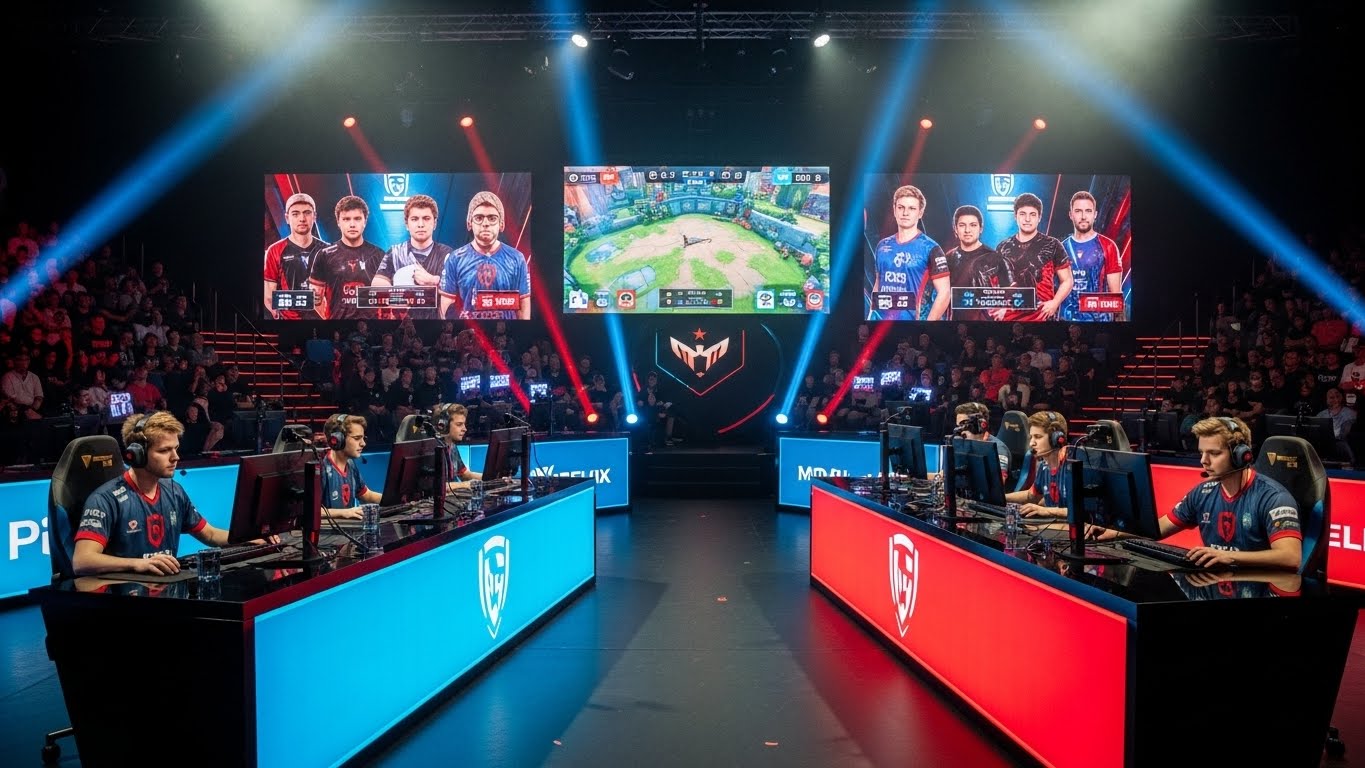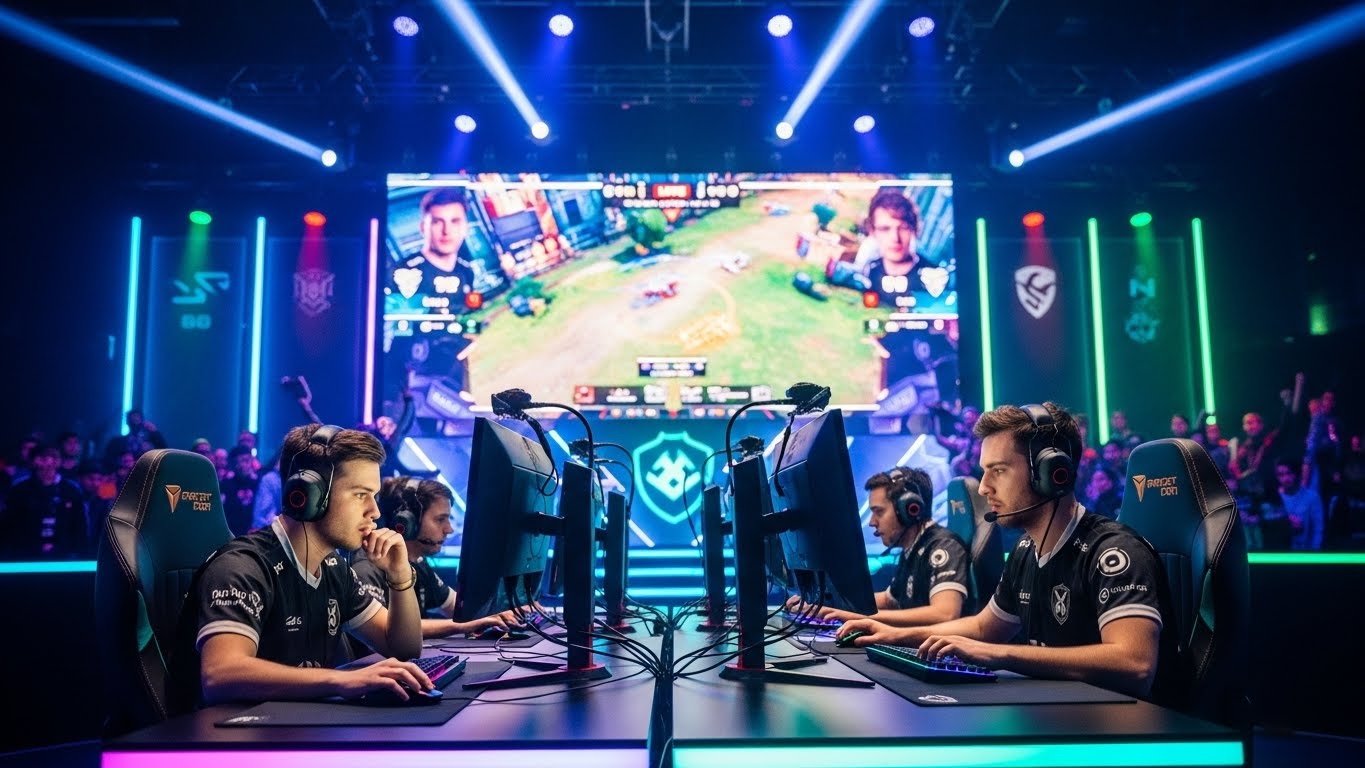
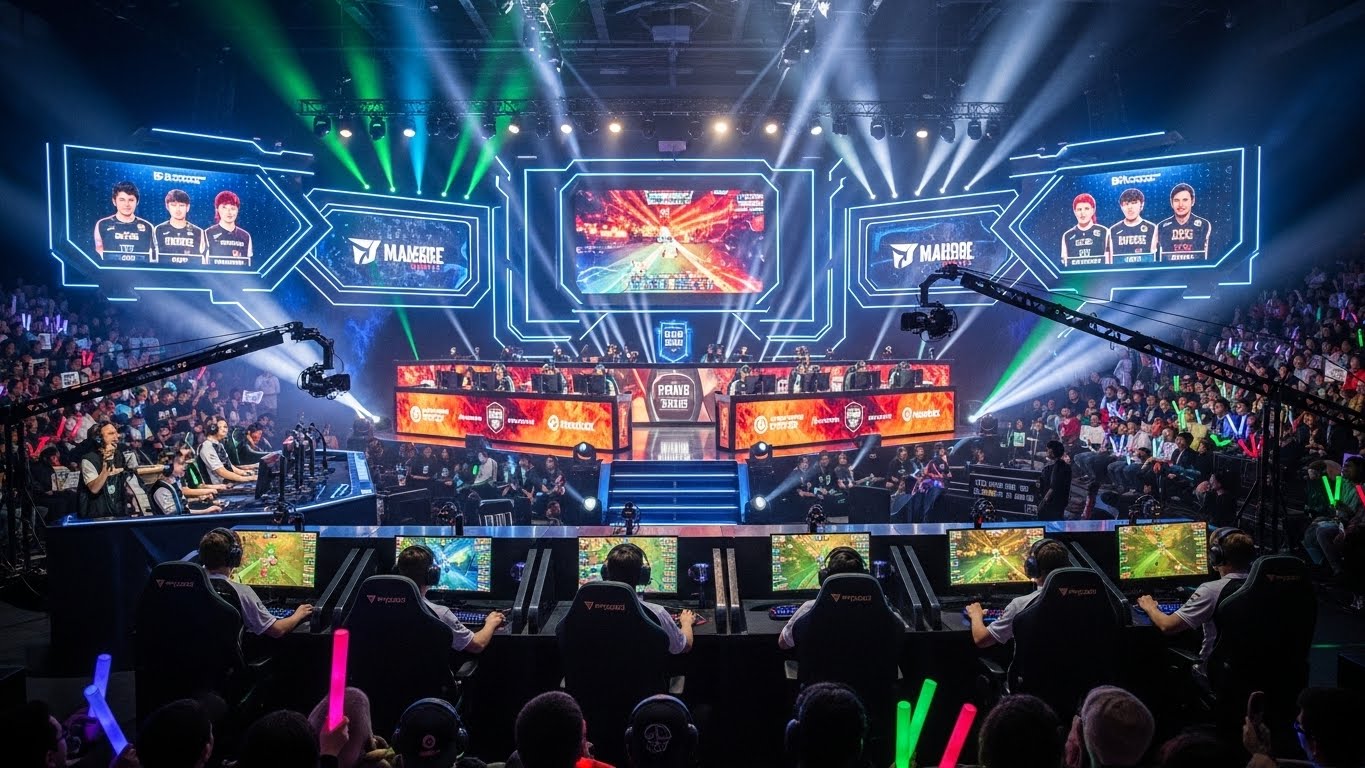
Esports has transformed from a casual form of digital entertainment into one of the most powerful and influential competitive industries in the modern world. What once began as friends competing in local gaming spaces has evolved into a global ecosystem of professional players, massive audiences, and organized tournaments watched by millions. Esports is no longer just about gaming; it represents innovation, ambition, and the changing nature of competition in a digital society. This blog explores the evolution of esports, its impact on individuals and communities, and its growing role in shaping the future of entertainment.
Understanding What Esports Truly Means
Esports, short for electronic sports, refers to organized competitive video gaming where players or teams compete in structured tournaments and leagues. Unlike casual gaming, esports requires high levels of skill, strategy, discipline, and consistency. Professional players train daily, analyze gameplay, and work closely with teammates and coaches to improve performance.
What makes esports unique is that competition takes place in virtual environments, yet the pressure, preparation, and rewards are very real. Matches demand intense focus, quick decision-making, and precise execution. Esports blends mental agility with teamwork, making it a modern competitive discipline suited to a technology-driven world.
The Early Days of Competitive Gaming
The origins of esports can be traced back to the early days of video gaming when players competed for high scores in arcades. These informal competitions sparked the idea that gaming could be competitive rather than purely recreational. As home consoles and personal computers became more common, local tournaments began to emerge.
The introduction of online multiplayer gaming marked a major turning point. Players from different cities and countries could now compete in real time. Early competitive titles laid the groundwork for organized leagues and professional play. As audiences grew and technology improved, competitive gaming began to resemble traditional sports in structure and scale.
Esports Game Genres and Competitive Diversity
Esports includes a wide variety of game genres, each requiring distinct skills and strategies. Multiplayer online battle arena games emphasize teamwork, map control, and strategic coordination. Players must master specific roles while contributing to a collective objective.
First-person shooter games focus on reflexes, precision, and tactical awareness. Success depends on fast reactions and clear communication. Real-time strategy games demand long-term planning, resource management, and mental endurance. Sports simulation games replicate real-world athletic competition in digital form, while battle-based survival games test adaptability and situational awareness.
This diversity allows esports to attract a broad audience and provides opportunities for players with different strengths and play styles.
The Discipline and Training of Professional Players
Becoming a professional esports player requires dedication and discipline. Top players train for many hours each day, refining mechanical skills, studying opponents, and practicing team coordination. Training often includes reviewing recorded matches, developing strategies, and participating in scrimmages against other teams.
Mental preparation is just as important as technical ability. Players must remain calm under pressure, adapt quickly to changing situations, and recover from mistakes without losing focus. Many teams employ coaches, analysts, and performance specialists to help players improve decision-making, communication, and consistency.
Physical and Mental Health in Esports
Although esports is digitally based, physical health plays an important role in performance. Long gaming sessions can strain the eyes, wrists, and posture if not managed properly. Professional players often follow fitness routines, stretching exercises, and ergonomic practices to maintain long-term health.
Mental health is equally critical. Competitive pressure, public scrutiny, and intense schedules can lead to stress and burnout. Maintaining balance between training, rest, and personal life is essential. As awareness grows, esports organizations are placing greater emphasis on player well-being, recognizing that health and performance are closely connected.
The Social Power of Esports Communities
Esports is deeply social. Players and fans form communities around shared interests, teams, and games. Online platforms allow people from different cultures and backgrounds to connect, discuss strategies, and celebrate achievements together.
Team-based games encourage communication, cooperation, and leadership. Players learn to work with others, resolve conflicts, and trust teammates. For many individuals, esports communities provide a sense of belonging and identity, demonstrating that competitive gaming is as much about people as it is about technology.
The Economic Growth of the Esports Industry
The esports industry has experienced rapid economic growth. Revenue comes from tournaments, sponsorships, merchandise, media coverage, and live events. Professional teams operate like sports organizations, employing players, coaches, analysts, and support staff.
Large tournaments fill arenas and attract millions of online viewers. This popularity has drawn investment from major brands and entertainment companies. Esports has also created new career opportunities in event management, broadcasting, content creation, and game development, making it a significant contributor to the global economy.
Education and Career Opportunities in Esports
Esports has become a recognized educational and career pathway. Many academic institutions now offer esports programs, scholarships, and training facilities. These programs focus on both competitive play and industry-related skills such as management, marketing, and technology.
Careers in esports extend far beyond professional play. Opportunities exist in coaching, analysis, event organization, journalism, and digital media. The skills developed through esports, including teamwork, strategic thinking, and adaptability, are valuable across many professions.
Global Reach and Cultural Influence
Esports is a truly global phenomenon. Competitive gaming thrives across continents, with different regions developing unique styles and strengths. International tournaments bring together players from around the world, promoting cultural exchange and shared experiences.
The influence of esports extends into mainstream culture. It affects fashion, language, entertainment, and digital media trends. Professional players have become role models for younger generations, inspiring them to pursue gaming with discipline and purpose.
Challenges Facing the Esports World
Despite its success, esports faces challenges that must be addressed for sustainable growth. Issues such as cheating, unfair practices, and toxic behavior can threaten competitive integrity. Establishing clear rules and ethical standards remains an ongoing effort.
Inclusivity is another important challenge. Ensuring equal opportunities for all participants and creating welcoming environments are essential for long-term success. Addressing health concerns, balancing commercialization, and maintaining community trust are key priorities for the future of esports.
The Future of Esports Competition
The future of esports is filled with potential. Advancements in technology will continue to enhance gameplay, training, and viewing experiences. More immersive environments, improved analytics, and greater accessibility will shape the next generation of competitive gaming.
As esports continues to integrate with mainstream entertainment, it will gain even broader recognition. Focus on player welfare, fair competition, and community values will help guide responsible growth. Esports has the power to redefine competition for future generations.
Conclusion
Esports has grown from a niche hobby into a global competitive movement that reflects the evolution of modern society. It combines technology, creativity, and human ambition in ways that traditional sports cannot replicate. Through discipline, teamwork, and innovation, esports demonstrates that competition is not limited to physical arenas.
For players, fans, and professionals alike, esports offers opportunities for growth, connection, and inspiration. It creates communities, drives economic development, and reshapes how people experience competition and entertainment. As technology continues to advance, esports will remain at the forefront of digital culture, proving that passion, skill, and dedication transcend screens.
Esports is not just the future of gaming. It is the future of competition in a digital world.