Introduction: From Niche Hobby to Global Phenomenon
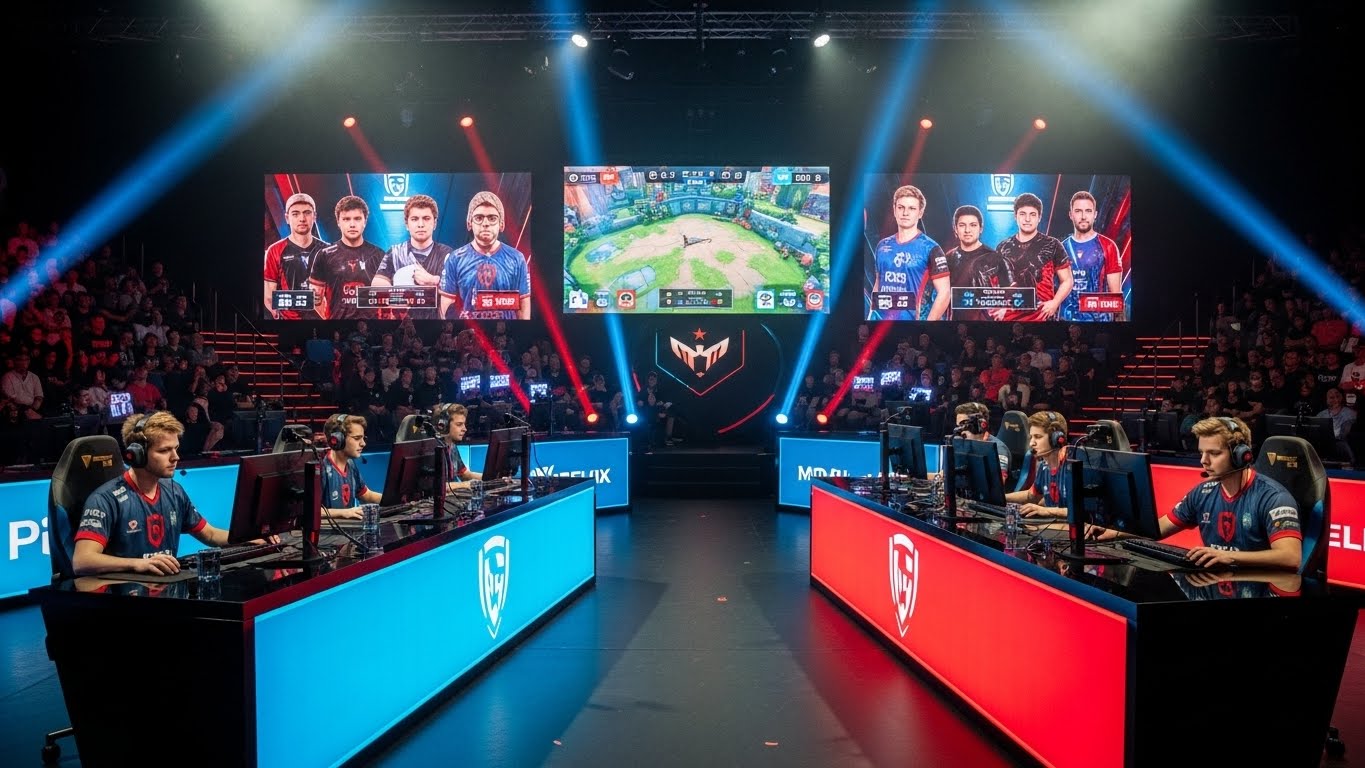
A little more than two decades ago, competitive gaming was seen as an unconventional pastime practiced mostly in small internet cafés and community halls. Today, esports has transformed into a massive global industry drawing millions of viewers, professional players, and major brands. Entire stadiums fill with cheering fans, online streams attract audiences that rival traditional sports broadcasts, and young players dream of joining pro leagues the way previous generations dreamed of becoming football stars. The rise of esports is not just a story about video games; it is a cultural shift that reshaped entertainment, competition, and career possibilities.
The Evolution of Competitive Gaming
Esports did not explode overnight. It started modestly with early LAN tournaments where players gathered locally to compete. Titles like StarCraft, Counter-Strike, Warcraft, and Quake were the foundations on which today’s esports world was built. These games inspired communities that trained together, created strategies, and traveled long distances just to face other top players.
The internet accelerated everything. Online play connected global competitors, enabling massive tournaments, structured leagues, and international rivalries. As gaming technology improved and broadband connections became common, esports became more polished, more organized, and more spectacular.
What began as small gatherings eventually grew into professional organizations governed by contracts, sponsorships, and production teams. By the mid-2010s, esports had matured into a mainstream entertainment form with professional commentary, large prize pools, and dedicated fans.
Why Esports Captures Today’s Audience
Several unique qualities make esports captivating in ways traditional sports sometimes cannot match.
Accessibility
Anyone with a computer, console, or smartphone can try the games their heroes play. This creates a strong emotional connection between players and fans because the audience understands the mechanics and excitement firsthand.
Global Participation
Esports transcends physical borders. Teams from different continents regularly face each other in international tournaments, fostering global communities that communicate through gameplay rather than language.
Constant Innovation
New games, updates, patches, and strategy shifts keep the competitive environment fresh. Unlike traditional sports with fixed rules, esports evolves rapidly, offering unpredictable and dynamic seasons.
Digital Convenience
Fans can watch matches live or on demand, interact with players through social platforms, and join communities instantly. This real-time engagement enhances the thrill of every match.
The Rise of Professional Esports Organizations
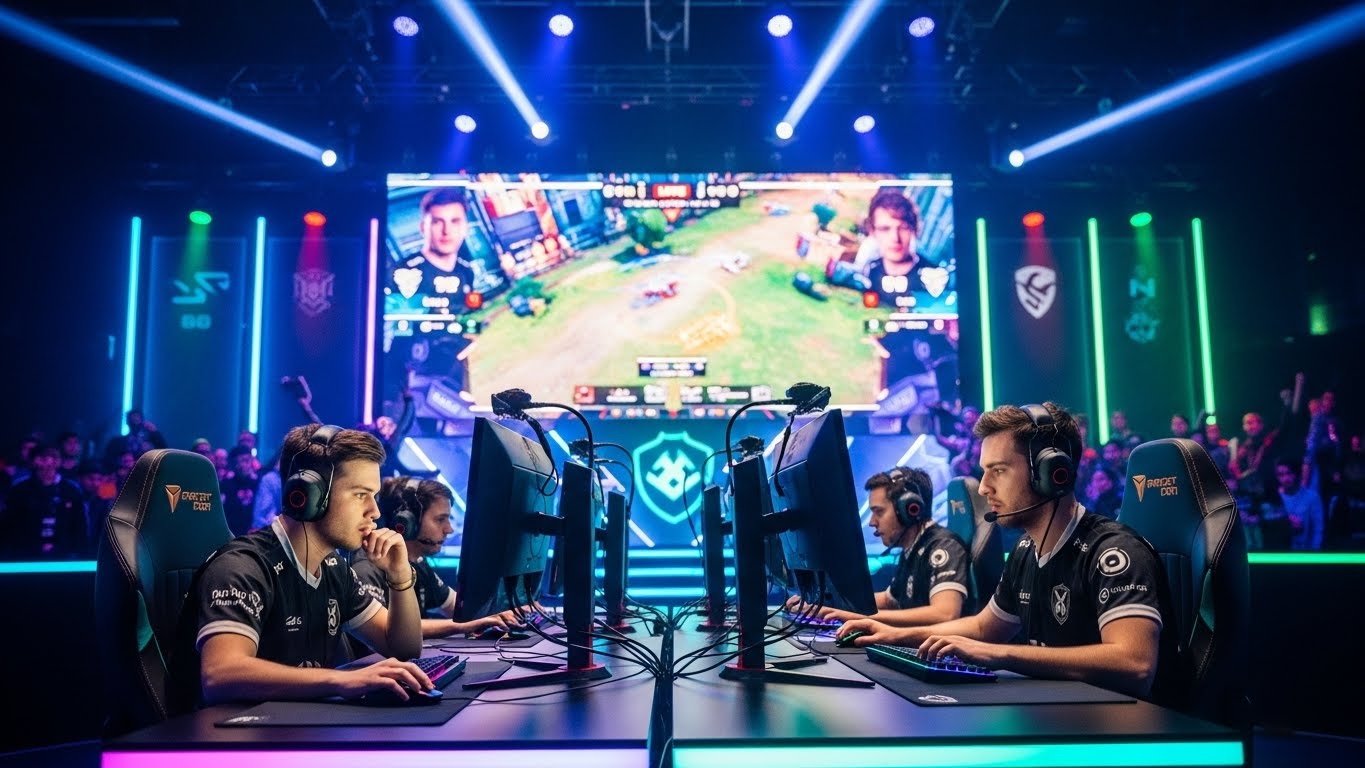
Modern esports organizations resemble traditional sports franchises. Teams are no longer just groups of friends playing together. Today’s pro organizations include dedicated coaches, analysts, nutritionists, and training staff. Players live in gaming houses or training facilities where they practice up to eight hours a day.
These organizations operate across multiple game titles, including multiplayer battle arenas, shooters, strategy games, and sports simulations. They invest in player development, youth academies, and brand-building to remain competitive in a rapidly growing industry.
Popular Games That Shape the Esports Landscape
Each esports title has its own culture, playstyle, and fanbase. Some focus on teamwork, some on individual skill, and others on strategy.
Multiplayer Online Battle Arenas
Games in this category feature teams battling to control areas, defeat opponents, and push objectives. Their complexity attracts fans who appreciate deep strategy and teamwork.
First-Person Shooters
These games emphasize precision, reaction time, and communication. They often have fast-paced gameplay and dramatic highlight moments that excite fans.
Battle Royale and Survival Games
These matches are unpredictable and intense. They can involve dozens of players fighting for survival in a shrinking map, creating suspense until the final minutes.
Sports Simulations
Digital versions of traditional sports also have competitive ecosystems, offering players the chance to test real-world sports strategies within a virtual environment.
Esports Careers: More Than Just Playing Games
The esports industry offers an incredible range of career opportunities far beyond being a player. While professional gamers are the most visible figures, the ecosystem includes numerous essential roles.
Shoutcasters and Analysts
These are the voices behind the matches. They provide commentary, break down strategies, and guide viewers through the action.
Coaches and Team Managers
Professional teams rely on structured leadership to improve performance, analyze gameplay, and maintain discipline.
Broadcast Crew and Production Staff
Behind every live tournament is a team of camera operators, producers, editors, and graphic designers working to deliver a polished viewing experience.
Game Developers and Balance Designers
These creators shape the competitive environment, adjusting gameplay elements to keep matches fair and exciting.
Event Organizers
From planning venues to managing player logistics, event teams bring esports spectacles to life.
The industry functions like a giant ecosystem where technology, entertainment, and sports converge, offering a wide variety of professional pathways.
Training Like an Athlete: The Life of a Pro Player
Many assume esports athletes simply play games all day, but the reality is more disciplined. Players maintain schedules that include strategy sessions, scrimmages, mechanical drills, fitness routines, and mental-health training.
Mental Skills
Competitive gaming requires quick decision-making, emotional stability, and adaptability under pressure.
Physical Health
Contrary to stereotypes, professional gamers must maintain strong posture, hand strength, and general fitness to avoid injuries.
Team Coordination
Success depends on communication, trust, and well-practiced strategies. Teams review replays, systems, and tactics in detail just like traditional athletes.
Esports demands both mental and physical commitment, proving that it is a legitimate form of competition requiring discipline and resilience.
Esports and Educational Opportunities
Schools and universities around the world now offer esports programs, clubs, scholarships, and training facilities. These programs help students learn leadership, teamwork, time management, and digital literacy. They also open the door to careers in game design, media production, business management, and software development.
Educational institutions recognize esports as a learning platform that supports modern skills and interests while preparing students for careers in a digital economy.
The Business Behind the Screens
The esports industry generates revenue through several key channels.
Sponsorships
Brands sponsor teams, tournaments, and broadcasts to connect with younger digital audiences.
Merchandising
Fans purchase jerseys, apparel, accessories, and collectibles that support their favorite teams and players.
Media Rights
Streaming platforms secure broadcasting rights for major competitions, contributing to revenue streams that sustain the industry.
In-Game Purchases and Virtual Items
Cosmetics, skins, and battle passes generate significant income and sometimes support competitive prize pools.
Ticket Sales
Live events attract huge crowds, turning venues into energetic arenas filled with music, lights, chants, and excitement.
Together, these elements create a multi-billion-dollar industry that continues to expand every year.
The Future of Esports: A Digital Horizon
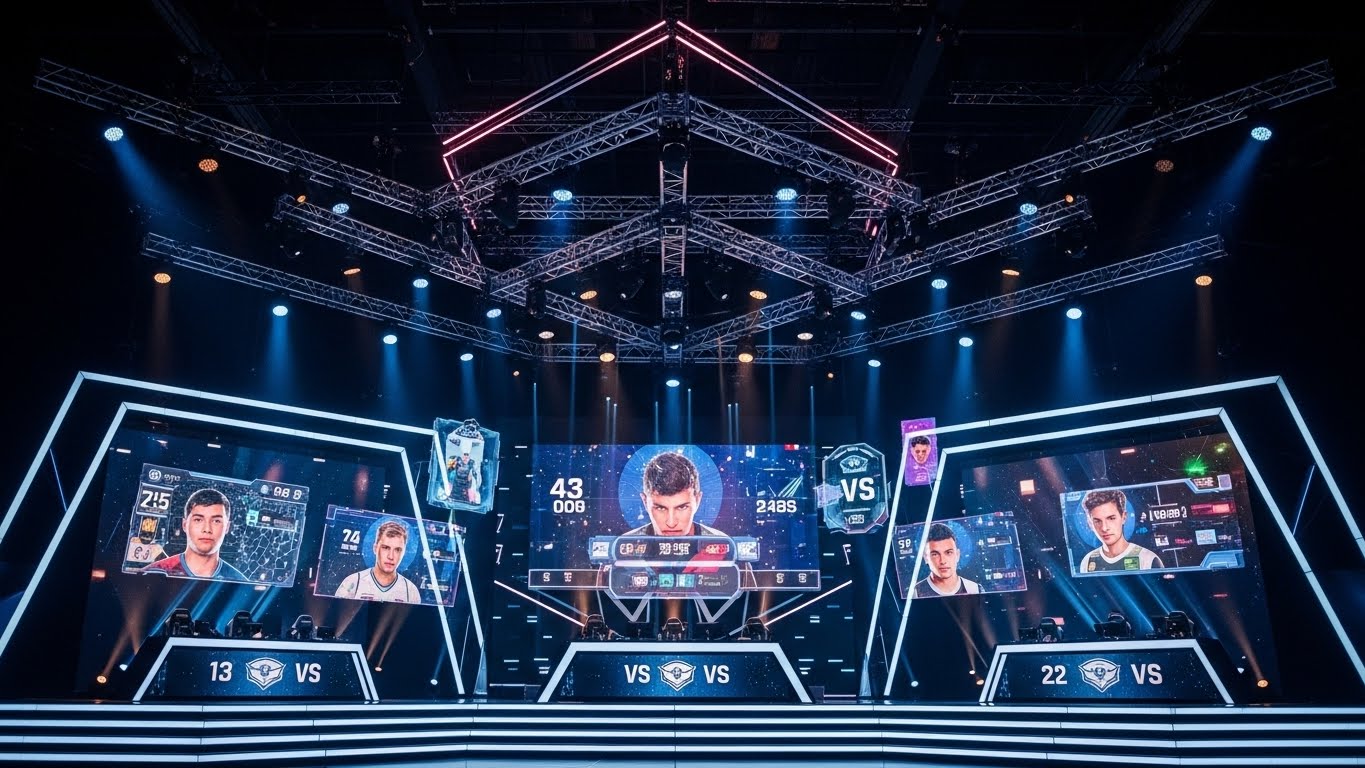
The future of esports is full of potential. Technology continues to push boundaries with augmented reality, virtual reality, high-speed connectivity, and advanced gaming platforms. These innovations will make competitive gaming even more immersive and accessible.
Professional leagues are expanding, new games are entering the scene, and broadcasters are developing more sophisticated ways to present matches. Governments and regulators are increasingly involved in supporting esports infrastructure, recognizing the industry’s economic and cultural impact.
Esports is on its way to becoming a long-term global sport with dedicated youth pipelines, international tournaments, standardized rules, and broader public recognition.
Conclusion: A New Era of Competitive Entertainment
Esports represents more than games. It symbolizes ambition, teamwork, innovation, and the merging of technology with human competition. Its growth reflects how entertainment and culture adapt to the digital age, offering young people opportunities to compete, connect, and build careers.
What once started in small, dimly lit rooms has grown into a vibrant global phenomenon. Esports has become a new kind of stadium, one where millions gather not by physical seats but through screens, communities, and shared passion. The digital arena is here to stay, and its evolution has only just begun.