Introduction: The Rise of a Digital Arena
In the last decade, esports has shifted from a niche hobby to a global phenomenon, captivating millions of fans and reshaping the landscape of competitive entertainment. Unlike traditional sports, esports exists entirely in the digital realm, yet it carries the same intensity, skill, and emotional highs and lows that define athletic competition. Professional teams, international tournaments, and multimillion-dollar sponsorships now drive an industry that rivals traditional sports in visibility and influence. This blog explores how esports has emerged as a cultural force, its impact on players and fans, and what the future may hold for this dynamic digital arena.
Understanding Esports: More Than Just Gaming
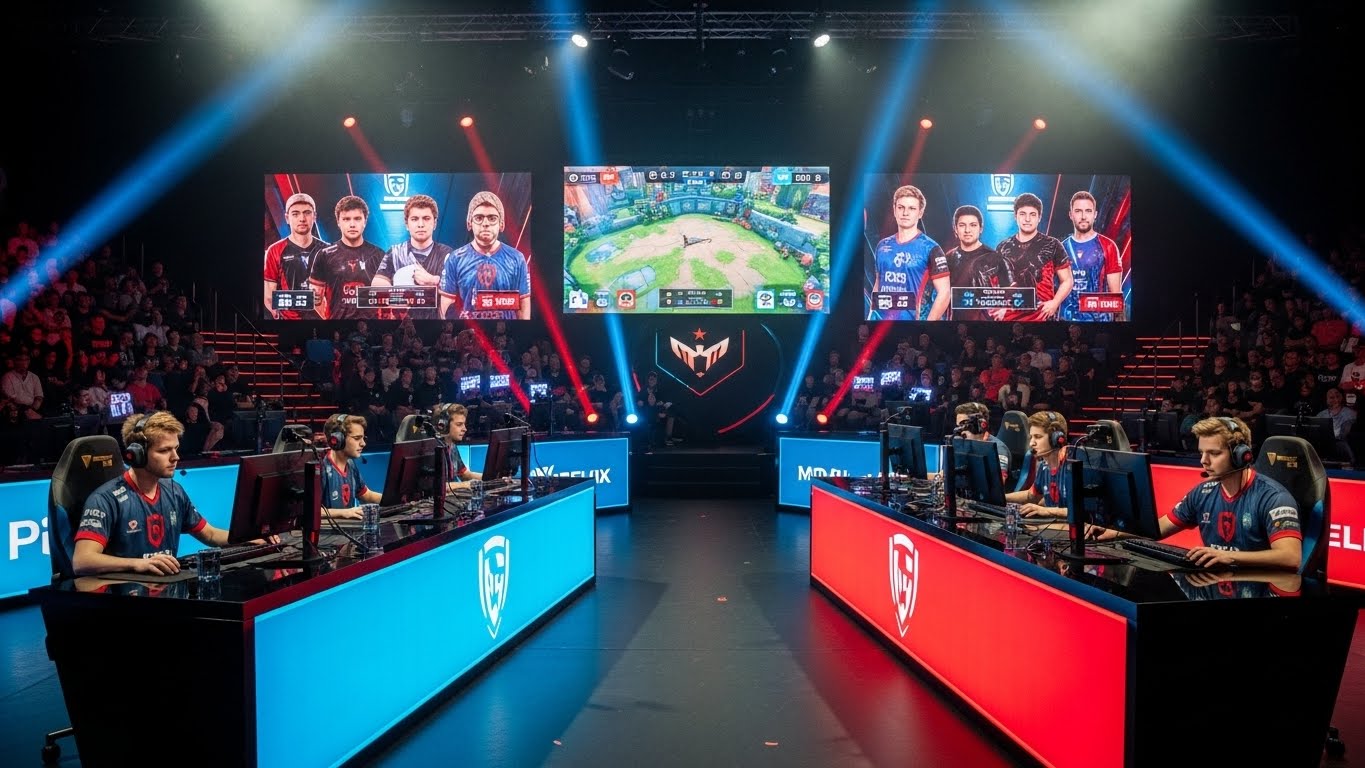
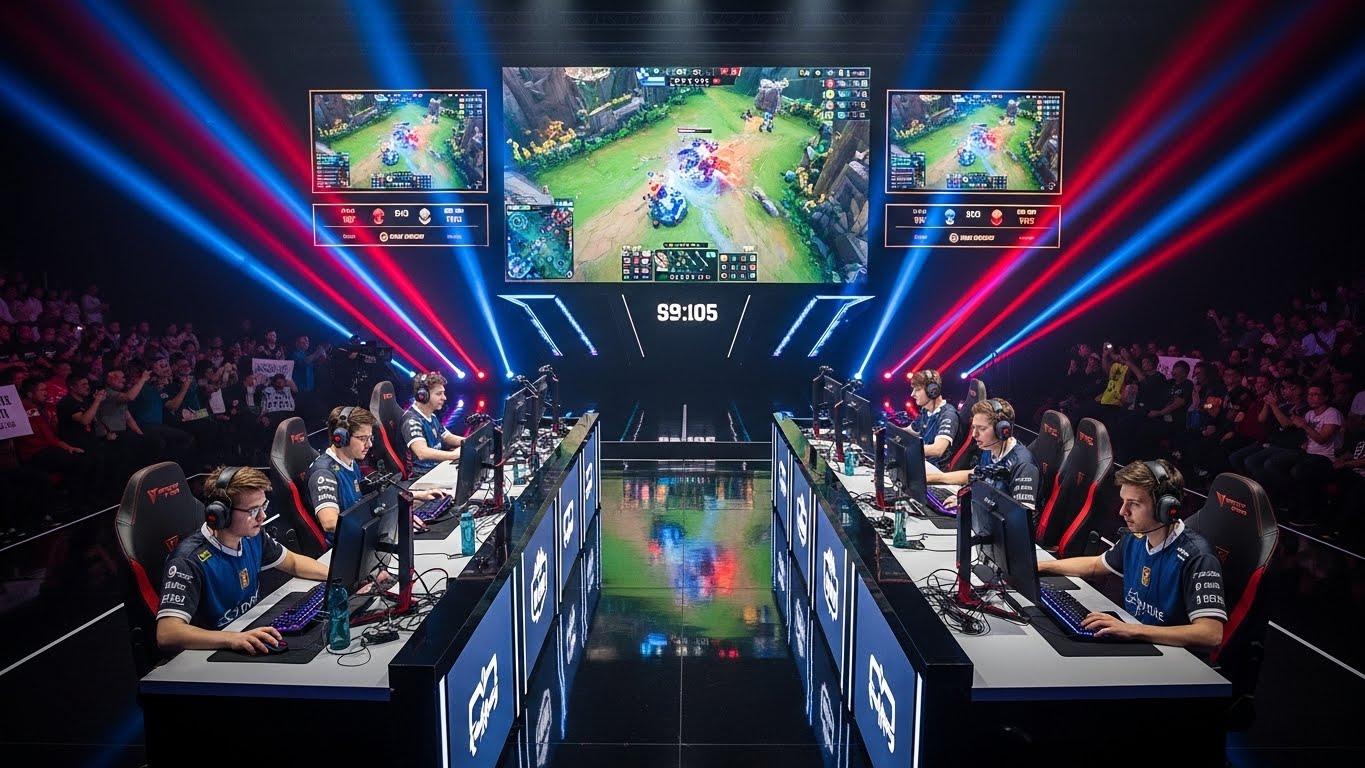
At its core, esports is competitive gaming. Players face off in video games ranging from strategy-based battles to fast-paced shooters. Popular titles like League of Legends, Dota 2, Counter-Strike, and Fortnite have become household names, each cultivating massive communities and professional leagues. Esports tournaments are structured similarly to traditional sports competitions, complete with team rosters, coaching staff, live audiences, and global broadcasting.
However, esports is more than mere entertainment. It demands precision, strategic thinking, rapid decision-making, and exceptional hand-eye coordination. Top-tier players dedicate hours to practice, much like professional athletes in traditional sports. The line between gaming as leisure and gaming as a professional pursuit has blurred, creating opportunities for players to make a living while pursuing their passion.
The Global Appeal of Esports
One of esports’ most remarkable features is its universal appeal. Unlike physical sports, which may be constrained by geography, age, or physical ability, esports can be accessed by anyone with a computer, console, or internet connection. This accessibility has allowed it to grow exponentially across continents, creating communities that span diverse cultures and languages.
Esports tournaments now draw audiences comparable to major traditional sporting events. Millions of viewers tune in to watch championships, often streaming on platforms dedicated to gaming content. Fans do more than spectate; they analyze strategies, debate decisions, and engage in online discussions that extend the excitement beyond the event itself. This level of global engagement has made esports a multi-billion-dollar industry, attracting investors, sponsors, and media companies eager to participate in its growth.
Esports as a Career: The Life of a Professional Gamer
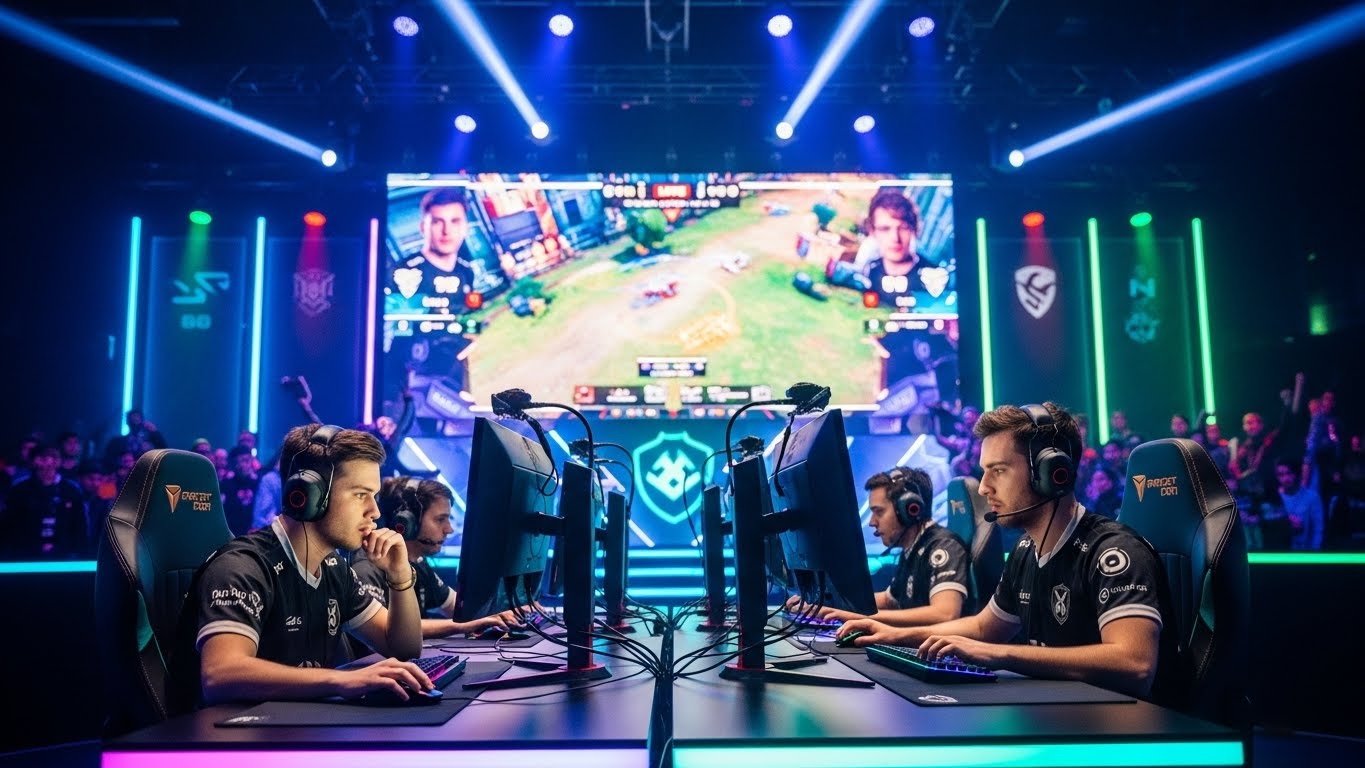
Professional esports players are modern-day athletes, and their lives mirror the intensity and discipline of traditional sports professionals. Training schedules are rigorous, often exceeding eight hours a day, and require both physical and mental stamina. Physical fitness has become essential, as maintaining health and reflexes directly impacts performance.
Beyond gaming skill, players must develop teamwork, communication, and resilience under pressure. Many esports athletes begin their careers in adolescence, honing their skills over years before entering professional leagues. Successful players often gain fame comparable to traditional sports stars, complete with sponsorship deals, merchandise lines, and social media followings.
Coaching and support staff play crucial roles in esports teams. Analysts break down gameplay footage to improve strategies, psychologists help players manage stress and maintain focus, and nutritionists ensure that players remain physically and mentally sharp. This holistic approach demonstrates that esports is not merely entertainment but a serious profession requiring dedication and expertise.
The Economics of Esports: An Industry in Motion
Esports is no longer a hobbyist’s pursuit; it is a thriving economic powerhouse. Revenue streams include sponsorships, tournament prize pools, merchandise sales, and media rights. Major tournaments offer prize money reaching millions of dollars, creating incentives for both established players and aspiring newcomers.
Sponsorships and partnerships are pivotal to the industry’s growth. Companies in technology, energy drinks, apparel, and even non-endemic brands invest in teams and tournaments, recognizing the massive influence esports has on younger audiences. Streaming platforms have also monetized viewership through advertisements, subscriptions, and donations, turning fans’ engagement into tangible revenue.
Esports’ economic impact extends beyond the players. Event organizers, broadcasters, content creators, and production teams all contribute to a complex ecosystem, proving that esports is not merely digital entertainment but a major business sector with global influence.
Mental and Physical Demands of Esports
While esports may appear sedentary, it places significant physical and mental demands on players. Prolonged hours in front of screens can lead to eye strain, poor posture, and repetitive strain injuries. Many players integrate exercise routines, stretching, and ergonomic practices to prevent long-term health issues.
Mental resilience is equally critical. Competitive gaming requires split-second decision-making, constant focus, and the ability to recover quickly from mistakes. Players often face high-pressure situations during live tournaments, where a single misstep can cost the game and impact rankings or earnings. To address this, many teams employ mental health professionals to help athletes manage stress, build confidence, and maintain peak performance.
The awareness of these challenges highlights that esports demands discipline, endurance, and strategy, much like traditional sports. It underscores the reality that competitive gaming is a serious pursuit requiring both physical and psychological preparation.
The Role of Technology in Esports
Technology is at the heart of esports, enabling the industry to flourish. High-performance computers, gaming consoles, and reliable internet connections form the foundation, but innovations extend far beyond hardware. Game developers constantly update titles to maintain competitive balance and introduce new mechanics, ensuring that the esports landscape remains dynamic and engaging.
Broadcasting technology also revolutionizes fan engagement. Spectators can watch matches live with professional commentary, in-game statistics, and multiple camera angles that enhance the viewing experience. Virtual reality and augmented reality hold potential for the future, offering immersive ways to participate in or spectate esports events.
Data analytics has become a cornerstone of competitive strategy. Teams use software to track performance metrics, analyze opponents, and refine gameplay strategies. This combination of technology, data, and human skill demonstrates that esports is a sophisticated, evolving arena that integrates innovation and competition seamlessly.
Community and Culture in Esports
Esports is more than just competition; it is a culture. Online forums, fan communities, and social media platforms allow players and spectators to interact, share content, and celebrate achievements. Cosplay, fan art, and commentary streams create a vibrant ecosystem that extends beyond gameplay itself.
Tournaments and live events foster a sense of belonging, where fans gather to cheer for their favorite teams and players. This culture nurtures creativity, collaboration, and social connection, offering participants a sense of identity and pride in their community.
The inclusivity of esports also sets it apart. Unlike many traditional sports, esports is accessible to individuals regardless of physical ability, making it an empowering space for diverse participants. This accessibility reinforces the idea that esports is a universal platform where talent, strategy, and dedication matter more than physical attributes.
Challenges Facing the Esports Industry
Despite its growth, esports faces significant challenges. Player burnout, lack of standardized regulations, and the pressure to maintain peak performance can lead to mental and physical strain. The rapid pace of the industry sometimes outpaces infrastructure development, creating issues with player welfare, tournament organization, and fair competition.
Monetization and sustainability are ongoing concerns. While top-tier players and organizations earn substantial incomes, lower-level competitors often struggle to secure stable earnings. Balancing profitability with fairness and accessibility remains a key issue for the industry’s long-term growth.
Furthermore, the competitive integrity of esports must be protected. Issues such as cheating, match-fixing, and exploit abuse require constant vigilance, as maintaining credibility is crucial for attracting sponsors and fans alike.
The Future of Esports
The future of esports is expansive and promising. Advancements in technology, broader mainstream recognition, and growing investment will continue to elevate the industry. Virtual reality competitions, mobile esports, and cross-platform tournaments are likely to increase accessibility and fan engagement.
Esports education programs and academies are emerging to train future professional players, coaches, and analysts. These programs mirror traditional sports development, highlighting esports’ maturation as a legitimate career path.
Moreover, the integration of esports into mainstream culture—through television, merchandising, and celebrity involvement—signals that digital competition will continue to redefine entertainment, social interaction, and professional sports for generations to come.
Conclusion: Redefining Competition in a Digital World
Esports represents a transformation in how we understand competition, skill, and entertainment. It challenges the traditional boundaries of sports while fostering a global community united by passion, strategy, and innovation. From professional athletes dedicating years to mastering their craft to fans engaging in vibrant online cultures, esports has become a multifaceted phenomenon with profound cultural, economic, and social impact.
As the industry evolves, one thing remains clear: esports is more than gaming. It is a reflection of human potential, a celebration of strategy and skill, and a powerful force shaping the future of competition. The digital arena has arrived, and its influence is only set to grow, inspiring new generations of players and fans around the world.