Introduction: The Rise of a Digital Phenomenon
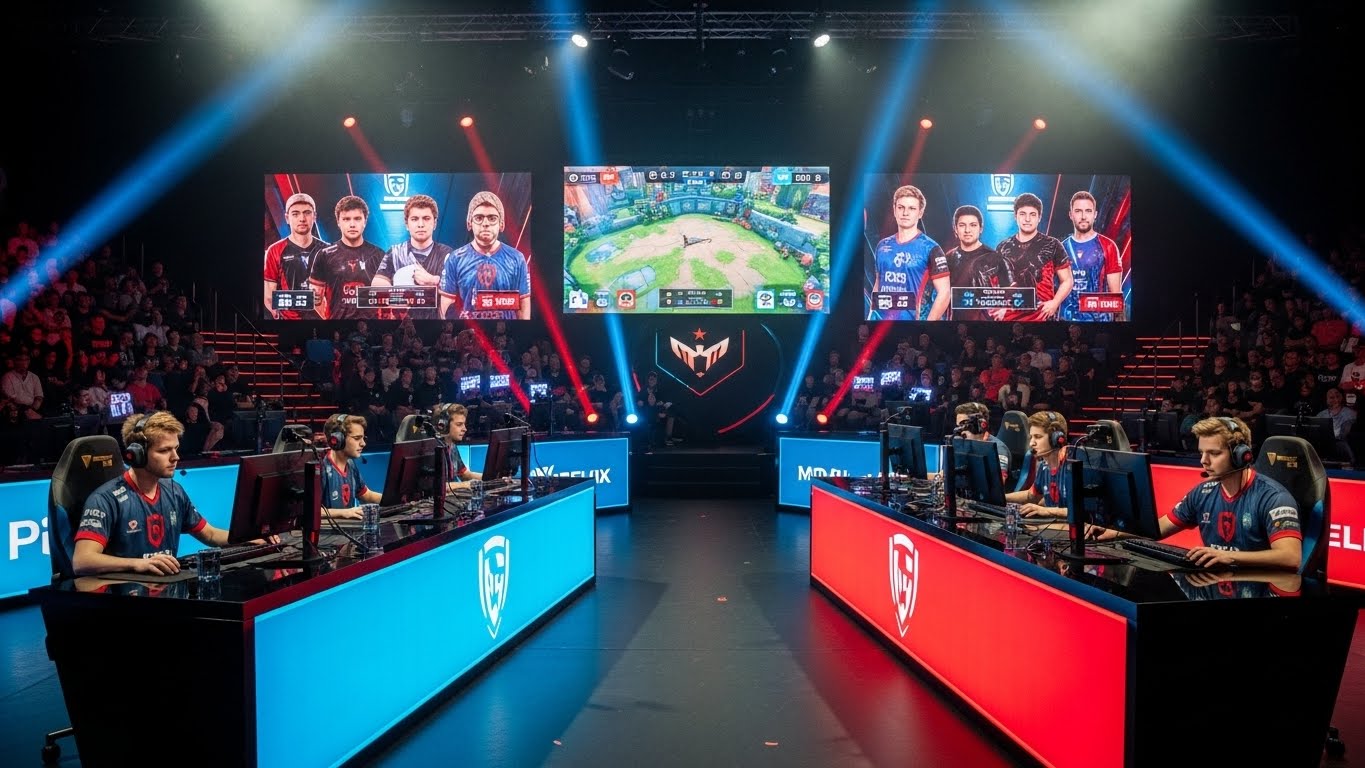
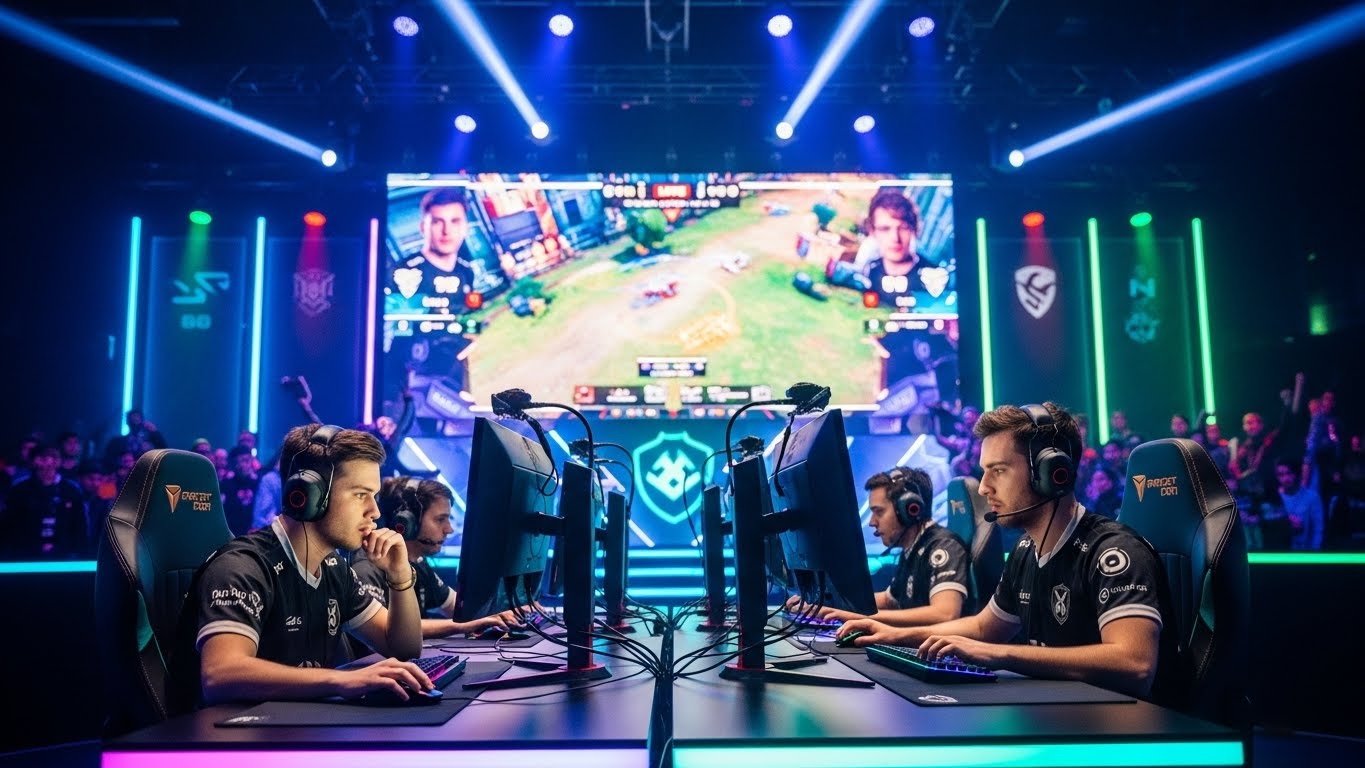
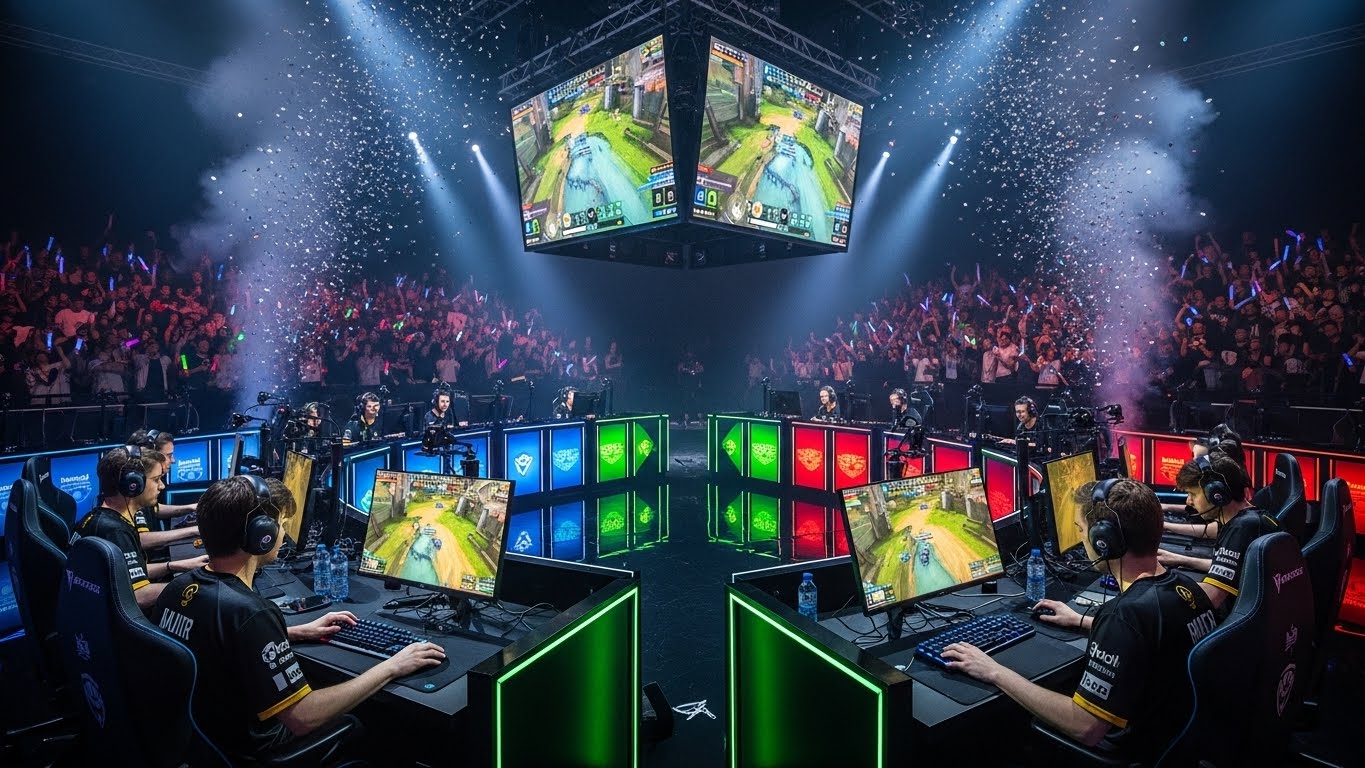
Esports, or electronic sports, has evolved from a niche hobby into a global phenomenon in just a few decades. What started as casual gaming competitions among friends has transformed into a multimillion-dollar industry, attracting professional players, massive audiences, and corporate sponsorships. With millions of fans tuning in to watch tournaments online and in arenas, esports has become more than just entertainment; it is now a legitimate career path and a cultural movement shaping the way we perceive competitive sports.
Unlike traditional sports, esports relies entirely on digital platforms and gaming skills. Competitions take place in various formats, from first-person shooters to multiplayer online battle arenas, each requiring intense strategy, precision, and teamwork. The rise of esports has blurred the line between physical sports and virtual competition, offering a new type of spectator experience where speed, reflexes, and tactical thinking determine the winners.
The History of Esports: From Arcades to Global Arenas
The origins of esports can be traced back to the late 1970s and early 1980s when arcade competitions and early video game tournaments began emerging. Titles like Space Invaders and Pac-Man became the first competitive games, with small-scale events attracting local audiences. By the 1990s, competitive gaming had moved online with the growth of the internet, allowing players from different regions to compete in games like Quake and StarCraft.
The real breakthrough came in the 2000s with the rise of professional leagues and organized tournaments. South Korea played a significant role in establishing esports as a mainstream phenomenon, especially with the popularity of games like StarCraft: Brood War. Dedicated esports stadiums, live broadcasts, and sponsorship deals started emerging, laying the foundation for the global esports ecosystem we know today.
Popular Esports Genres and Games
Esports encompasses a wide variety of game genres, each attracting different types of players and audiences. Understanding these genres helps explain why esports has gained such widespread appeal.
Multiplayer Online Battle Arenas (MOBA)
MOBA games are strategy-based and typically involve two teams competing to destroy the opponent’s base. Popular titles like League of Legends and Dota 2 require both individual skill and coordinated team play. MOBAs are known for their high strategic depth, making them a favorite among competitive gamers and viewers alike.
First-Person Shooters (FPS)
FPS games put players in a combat scenario where reaction time, aim, and map awareness are critical. Games like Counter-Strike: Global Offensive and Call of Duty have defined the FPS competitive scene. Tournaments in this genre often feature intense matches with fast-paced gameplay, drawing large audiences for both in-person events and live streams.
Battle Royale
Battle royale games, such as Fortnite and Apex Legends, involve large numbers of players fighting to be the last one standing. The unpredictability of these games, combined with high-stakes strategy and teamwork, makes them particularly exciting for both participants and spectators.
Sports Simulations and Fighting Games
Esports also includes simulations of traditional sports, like FIFA and NBA 2K, as well as fighting games like Street Fighter and Super Smash Bros. These genres appeal to fans of conventional sports and competitive gaming enthusiasts who enjoy one-on-one duels.
The Business of Esports: Careers and Economic Impact
The esports industry has grown into a lucrative global market, generating billions of dollars annually. Revenue streams include sponsorship deals, advertising, ticket sales for live events, merchandise, and broadcasting rights. Companies are increasingly investing in esports teams, tournaments, and platforms, recognizing the potential to reach younger, tech-savvy audiences.
Professional players can earn substantial incomes through salaries, tournament winnings, and sponsorships. Top players become celebrities in their own right, commanding fan followings rivaling those of traditional athletes. Beyond players, careers in esports also include coaching, broadcasting, event management, game development, and marketing, reflecting the industry’s broad ecosystem.
The Role of Streaming and Online Platforms
One of the key drivers of esports growth is streaming platforms. Sites like Twitch, YouTube Gaming, and specialized esports apps allow fans to watch live tournaments and interact with their favorite players in real-time. Streaming has democratized the esports experience, making it accessible to millions worldwide.
Streaming has also introduced new forms of community engagement. Fans can follow teams, participate in live chats, and even influence in-game events through interactive content. This interactivity enhances the overall spectator experience, creating a level of engagement unmatched in traditional sports.
The Psychology of Esports Players
Competitive gaming requires more than technical skill; mental endurance and psychological resilience are critical. Professional esports players often train rigorously, combining gameplay practice with physical fitness, strategy planning, and mental conditioning. Stress management, focus, and teamwork are crucial skills that can determine the difference between victory and defeat.
Esports also offers insights into human behavior under pressure. Reaction time, decision-making speed, and adaptability are constantly tested in high-stakes matches. Players must remain calm and composed, even during moments of extreme tension, highlighting the mental demands of competitive gaming.
Esports and Education: Learning Through Gaming
Contrary to the stereotype that video games are purely recreational, esports can have educational benefits. Many schools and universities have introduced esports programs and scholarships, recognizing the skills it develops, such as strategic thinking, communication, and problem-solving.
Esports also teaches time management, discipline, and teamwork. Participating in competitive gaming requires planning practice schedules, analyzing opponents’ strategies, and working collaboratively with team members. These transferable skills can benefit players in academic and professional settings.
Challenges Facing the Esports Industry
Despite its growth, esports faces several challenges. Player burnout is a significant issue, as the pressure to perform at peak levels can lead to mental and physical fatigue. Long hours of practice, travel for tournaments, and the competitive nature of the industry contribute to stress.
Another challenge is ensuring fair competition. Issues like cheating, doping, and game manipulation threaten the integrity of esports tournaments. Regulatory frameworks are still evolving, and governing bodies are working to implement standards for fair play and player welfare.
Additionally, the perception of esports as a “real sport” remains debated. While acceptance is growing, traditional sports enthusiasts sometimes underestimate the skill, strategy, and commitment required in professional gaming. Overcoming these stereotypes is crucial for the industry’s continued legitimacy.
The Global Impact of Esports
Esports has transcended cultural and geographic boundaries, creating a truly global community. Major tournaments attract players and audiences from around the world, fostering cross-cultural interaction and collaboration. The international appeal of esports has led to events being broadcast in multiple languages and countries, reflecting its universal reach.
Economically, esports contributes to job creation, tourism, and technological innovation. Cities hosting major tournaments benefit from increased tourism, while the demand for gaming hardware and software drives technological advancements. The industry has also inspired innovation in broadcasting, virtual reality, and artificial intelligence applications in gaming.
The Future of Esports
Looking ahead, esports is poised to grow even further. Advances in technology, such as virtual reality, augmented reality, and AI-driven analytics, will enhance gameplay experiences and spectator engagement. Esports is likely to integrate more closely with mainstream sports, media, and entertainment industries, creating hybrid events that combine physical and digital competition.
Education and career pathways in esports will continue to expand, offering structured opportunities for young talent. With increasing recognition from universities, corporations, and governments, esports is set to become a fully mainstream form of competitive entertainment, shaping culture and redefining what it means to be an athlete in the 21st century.
Conclusion: Redefining Competition for a Digital Era
Esports has transformed competitive gaming into a global cultural and economic force. From its humble beginnings in arcades to massive stadium events and live-streamed tournaments, it has challenged traditional notions of sport, skill, and entertainment. The combination of strategic gameplay, mental resilience, and global connectivity makes esports a unique phenomenon, engaging millions of players and fans worldwide.
As technology continues to evolve, esports will remain at the forefront of digital competition, inspiring new generations of players and redefining what it means to compete in a connected, virtual world. Beyond the screen, esports is not just a game—it is a movement, an industry, and a testament to the limitless potential of human skill and imagination.