Introduction: The Rise of a New Kind of Athlete
Once upon a time, competition was defined by sweat, turf, and stadium roars. Today, a new kind of arena has emerged—digital, global, and electric. Esports, short for electronic sports, has evolved from humble gaming tournaments into a billion-dollar industry rivaling traditional sports in audience size, sponsorship value, and cultural impact. The transformation has been swift and revolutionary, driven by technology, community, and the universal human desire to compete and belong.
In this new digital age, esports is no longer just a pastime; it’s a career, a spectacle, and a global phenomenon that unites millions under the glow of their screens.
The Origins: From Arcades to Global Arenas
The roots of esports can be traced back to the 1970s and 80s, when early video game competitions took place in local arcades or college computer labs. Games like Space Invaders and Pac-Man saw the first organized tournaments, where high scores meant fame among friends and a spot on the leaderboard.
By the 1990s, gaming technology had improved dramatically, giving rise to competitive titles such as Street Fighter II and Quake. LAN (Local Area Network) parties became the early battlegrounds where players would gather physically to compete in real-time, forming the first communities around competitive gaming. These gatherings planted the seeds of what would later become professional esports leagues.
The internet revolution of the 2000s changed everything. With global connectivity, players could now face opponents across the world, streaming platforms emerged, and spectatorship became central to the gaming experience. What was once niche entertainment turned into a full-scale digital sport.
The Growth: From Hobby to Global Industry
Esports exploded into mainstream consciousness in the 2010s. Major titles such as League of Legends, Counter-Strike: Global Offensive, Dota 2, Fortnite, and Overwatch became household names. Each of these games developed competitive ecosystems with professional players, teams, sponsors, and millions of fans.
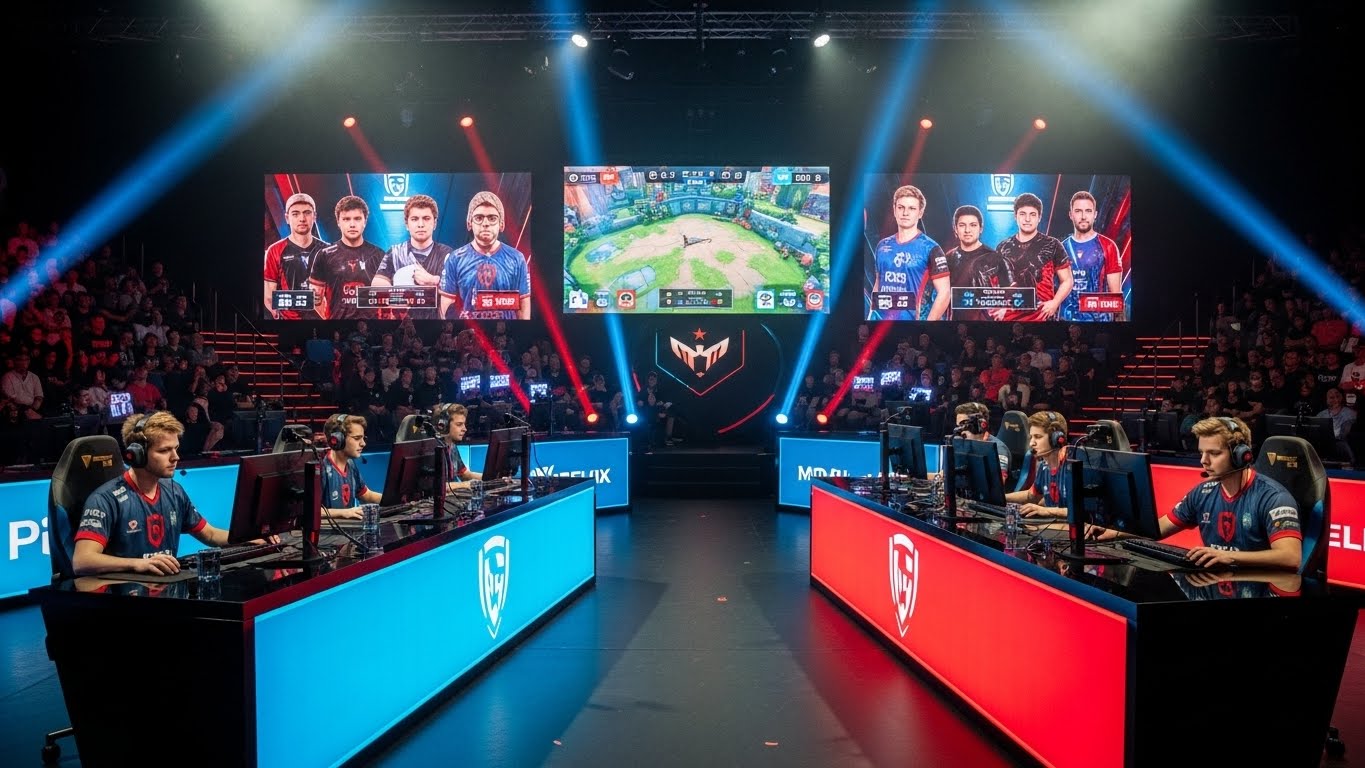
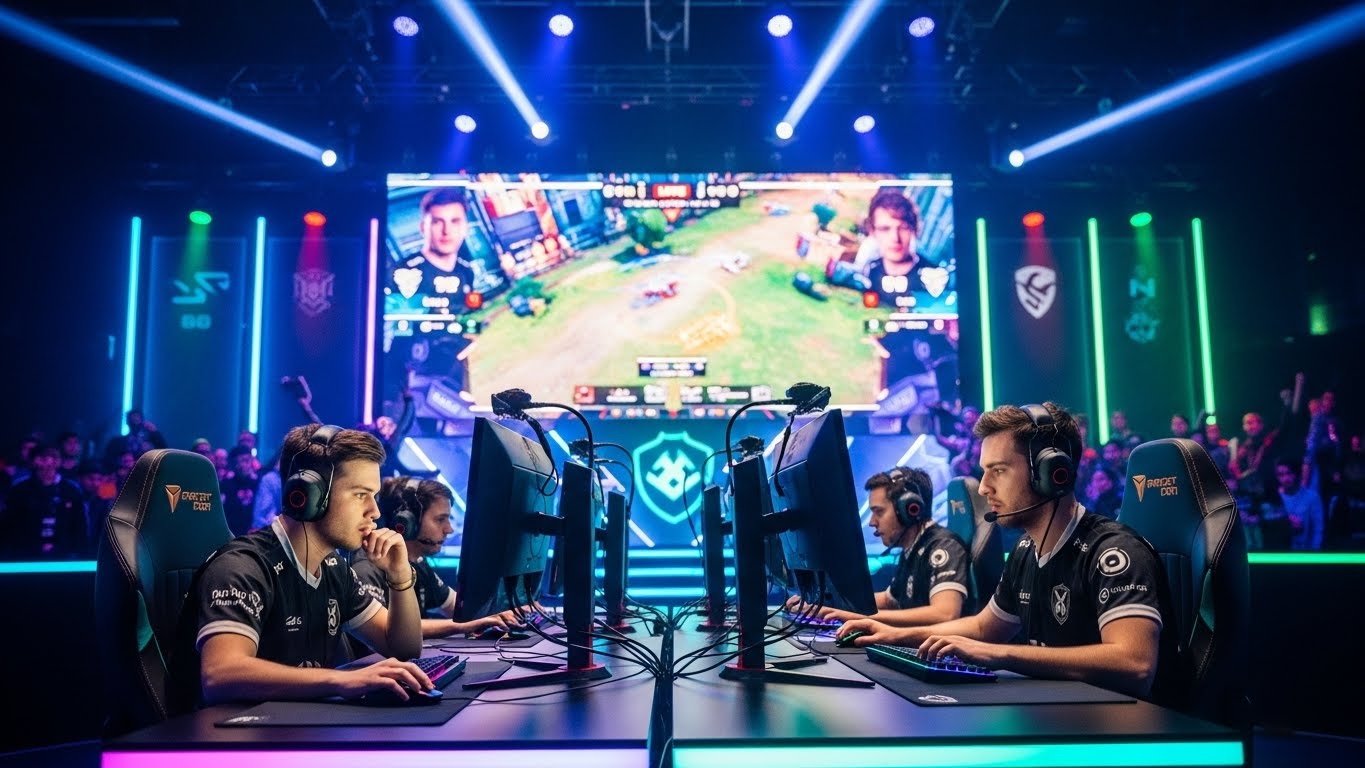
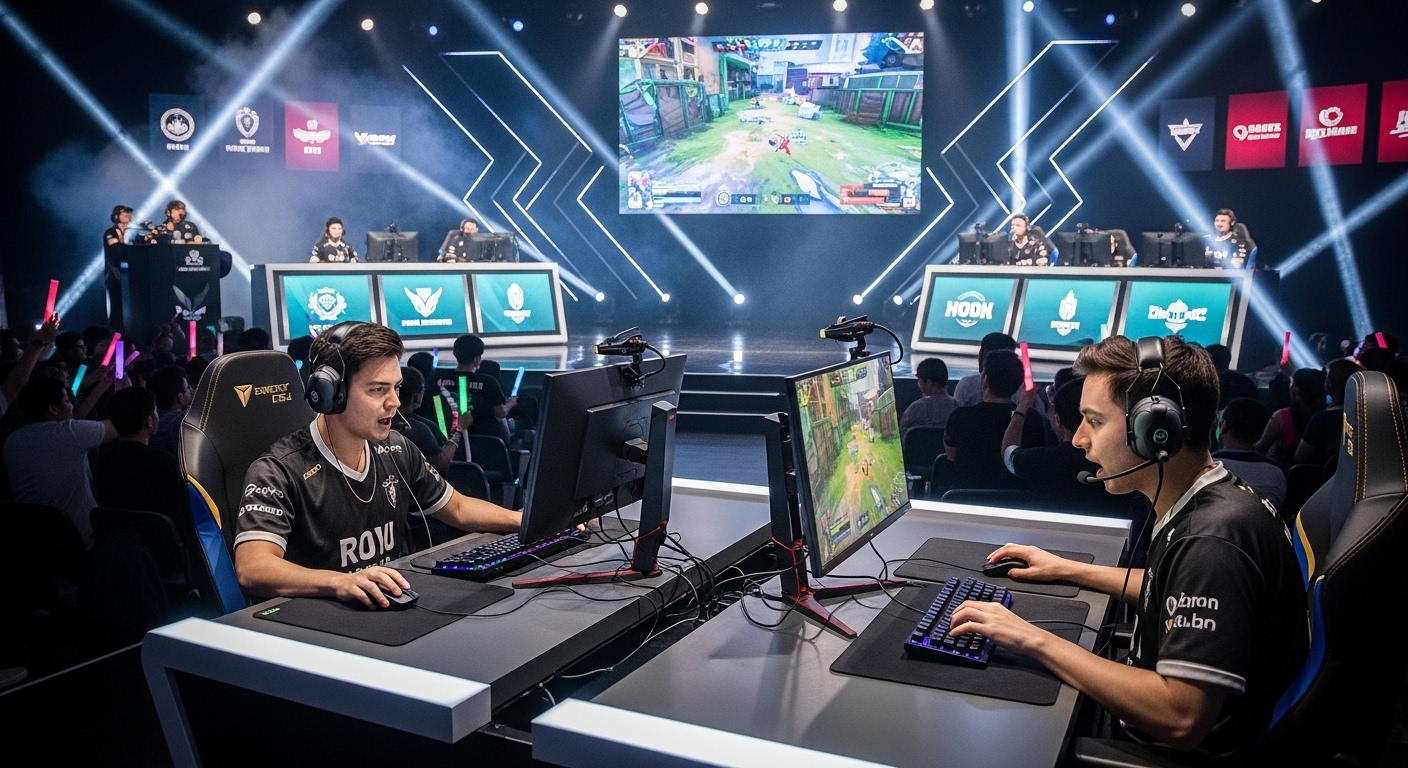
Tournaments filled arenas once reserved for rock concerts and basketball finals. In cities like Seoul, Los Angeles, and Shanghai, thousands gathered to watch digital battles unfold on massive screens. Millions more tuned in online from every corner of the planet. The largest tournaments now offer multi-million-dollar prize pools, rivaling some of the biggest sporting events in the world.
The business side of esports has evolved just as impressively. Sponsorships, merchandising, streaming rights, and brand deals contribute to an economic structure that supports teams, players, and production companies. The once casual pastime has matured into an ecosystem that fuels careers, creates stars, and generates global excitement.
The Esports Athlete: Redefining Skill and Discipline
Esports athletes are often misunderstood by those who view gaming as a leisure activity rather than a competitive discipline. But make no mistake—professional gamers are athletes in every sense of the word. Their reflexes, strategic thinking, communication, and endurance are honed through relentless practice and mental training.
A typical professional player trains for six to eight hours a day, analyzing gameplay, studying opponents, and refining strategies. Team-based games demand coordination, trust, and adaptability, much like football or basketball. Moreover, reaction times of top esports players are measured in milliseconds—faster than most traditional athletes.
Mental health and physical conditioning are also critical. Teams now employ coaches, psychologists, and fitness experts to ensure players maintain focus and resilience. The pressure of performing on a global stage, often in front of millions of viewers, demands an extraordinary balance of skill, confidence, and emotional control.
Technology: The Driving Force Behind the Digital Revolution
The rise of esports is inseparable from technological progress. High-speed internet, advanced graphics engines, and global streaming platforms have made real-time competition seamless and accessible.
Platforms dedicated to live streaming allowed fans to interact directly with players and teams, breaking down barriers between professionals and audiences. This interactivity turned viewers into participants, fostering a strong sense of community and engagement.
Virtual reality (VR) and augmented reality (AR) are the next frontiers that promise to reshape esports even further. Imagine spectators immersing themselves inside the game world, viewing matches from a player’s perspective, or interacting with 3D arenas in real-time. The potential for innovation in esports is vast, with technology constantly pushing the limits of what’s possible.
The Culture: Community, Identity, and Belonging
Esports has cultivated a culture that transcends language, geography, and age. It’s a digital melting pot where people come together through shared passion. Online forums, fan art, memes, and community events create a sense of belonging that traditional sports often struggle to match in the digital space.
Streaming personalities and content creators play a major role in shaping this culture. They act as ambassadors of gaming, blending entertainment with education and personality-driven storytelling. For many fans, watching a favorite streamer or team provides not just excitement but emotional connection—a digital form of camaraderie.
Importantly, esports communities have also become inclusive spaces for those who might not fit traditional molds of athleticism. Gender diversity and representation remain areas for improvement, but more women and nonbinary players are entering professional circuits, gradually reshaping the industry’s image and dynamics.
Education and Career Opportunities in Esports
Esports has opened doors to career paths beyond playing. Universities now offer esports scholarships, degrees in game design, event management, and broadcasting. Students study the business and psychology of gaming, exploring how esports influences marketing, technology, and media.
Career roles extend to coaches, analysts, commentators, event organizers, and content producers. Esports journalism and production teams have become as essential as the players themselves. The industry’s infrastructure mirrors that of any professional sport—complex, collaborative, and dynamic.
For aspiring youth, this presents a new world of possibilities. What was once dismissed as a hobby can now lead to legitimate and fulfilling careers. Schools and colleges increasingly recognize esports as a tool for teamwork, problem-solving, and cognitive development.
The Economic Impact: Beyond Entertainment
The economic influence of esports extends far beyond its own ecosystem. Gaming hardware companies, apparel brands, energy drink manufacturers, and even automotive giants have invested heavily in esports sponsorships. These partnerships reflect a recognition that esports commands one of the most engaged and youthful audiences in the world.
Cities have also embraced esports tourism. Hosting major tournaments attracts global visitors, generating revenue for local economies through hospitality, media coverage, and advertising. In some regions, esports has become a source of national pride and a symbol of technological progress.
The ripple effect of esports on related industries—such as content creation, digital marketing, and tech development—continues to shape the future of global entertainment economies.
Challenges Facing the Esports Industry
Despite its rapid growth, esports faces several challenges. Player burnout is a significant issue, as young athletes struggle to balance intense practice schedules with personal well-being. The fast-paced nature of games also means that professional careers can be short-lived, often ending in a player’s mid-twenties.
Another challenge lies in regulation and governance. With multiple publishers, leagues, and organizations involved, there’s no single governing body to oversee rules, contracts, and player welfare. This fragmentation can lead to inconsistencies and disputes.
Toxic behavior and online harassment also remain persistent problems. Competitive gaming communities must continue to evolve by promoting positive behavior, inclusivity, and mental health awareness.
Finally, sustainability is a concern. As games change and trends shift, esports organizations must adapt quickly to avoid obsolescence. The success of the industry depends on balancing innovation with stability.
The Future: Where Esports Is Headed
The future of esports looks brighter than ever. As technology advances, the line between physical and digital competition will blur even more. Esports is likely to be integrated into mainstream education, physical training programs, and even the Olympic movement.
We can expect more crossovers between gaming and entertainment industries, with concerts, films, and virtual experiences merging into a single ecosystem. Artificial intelligence may soon play a role in coaching, training, and strategic analysis, helping teams gain an even sharper competitive edge.
Esports is also expected to expand geographically. Emerging regions in Africa, South America, and Southeast Asia are becoming hotspots for talent and investment, signaling a truly global era for digital competition.
Conclusion: The Spirit of Competition in a Digital World
Esports represents more than just a new form of entertainment; it is a reflection of how society has evolved in the digital age. It combines creativity, technology, and human ambition into a single dynamic phenomenon that speaks to our innate desire to connect, compete, and excel.
From dimly lit arcades to massive international arenas, esports has transformed how the world views gaming. It’s a movement that transcends boundaries, unites communities, and redefines what it means to be an athlete.
In the grand narrative of human competition, esports is not just the next chapter—it’s an entirely new book, written by a generation that believes the greatest battles can be fought, won, and celebrated through pixels, passion, and the power of play.