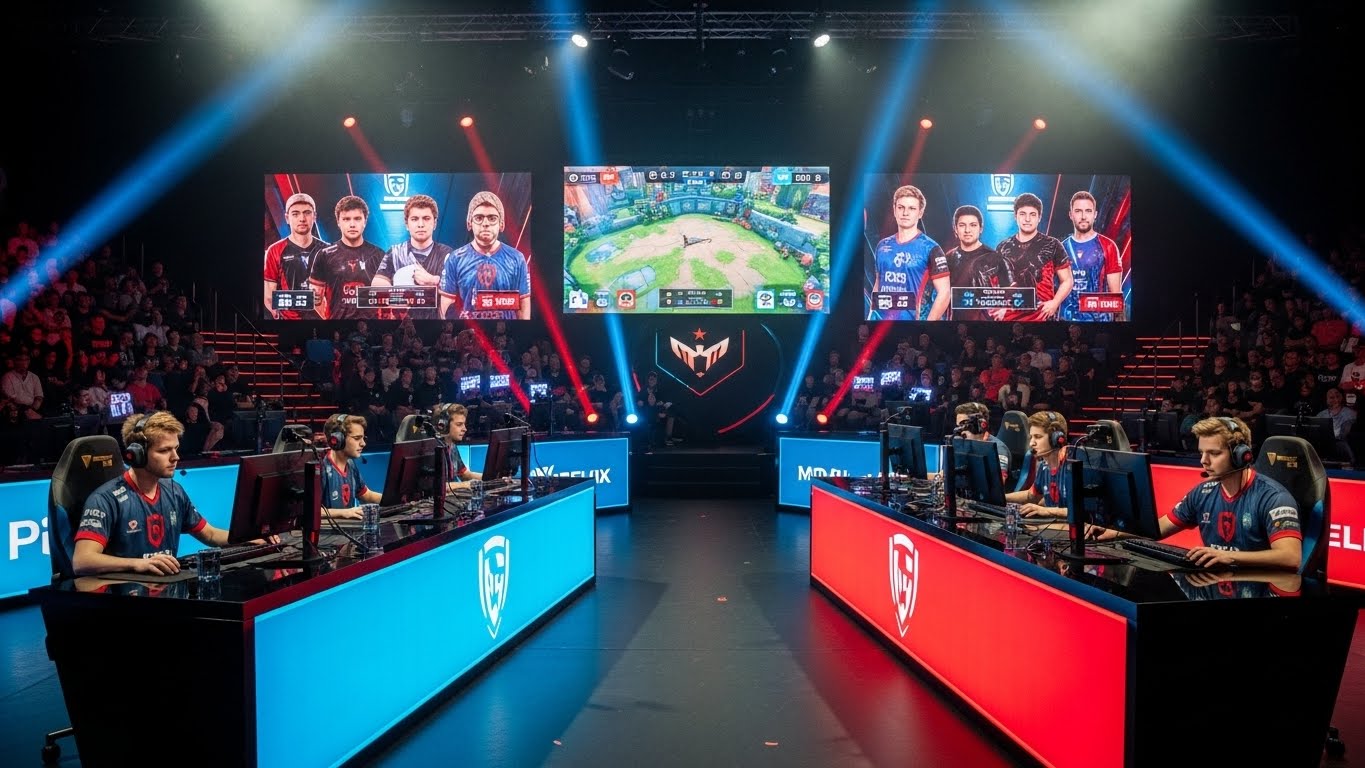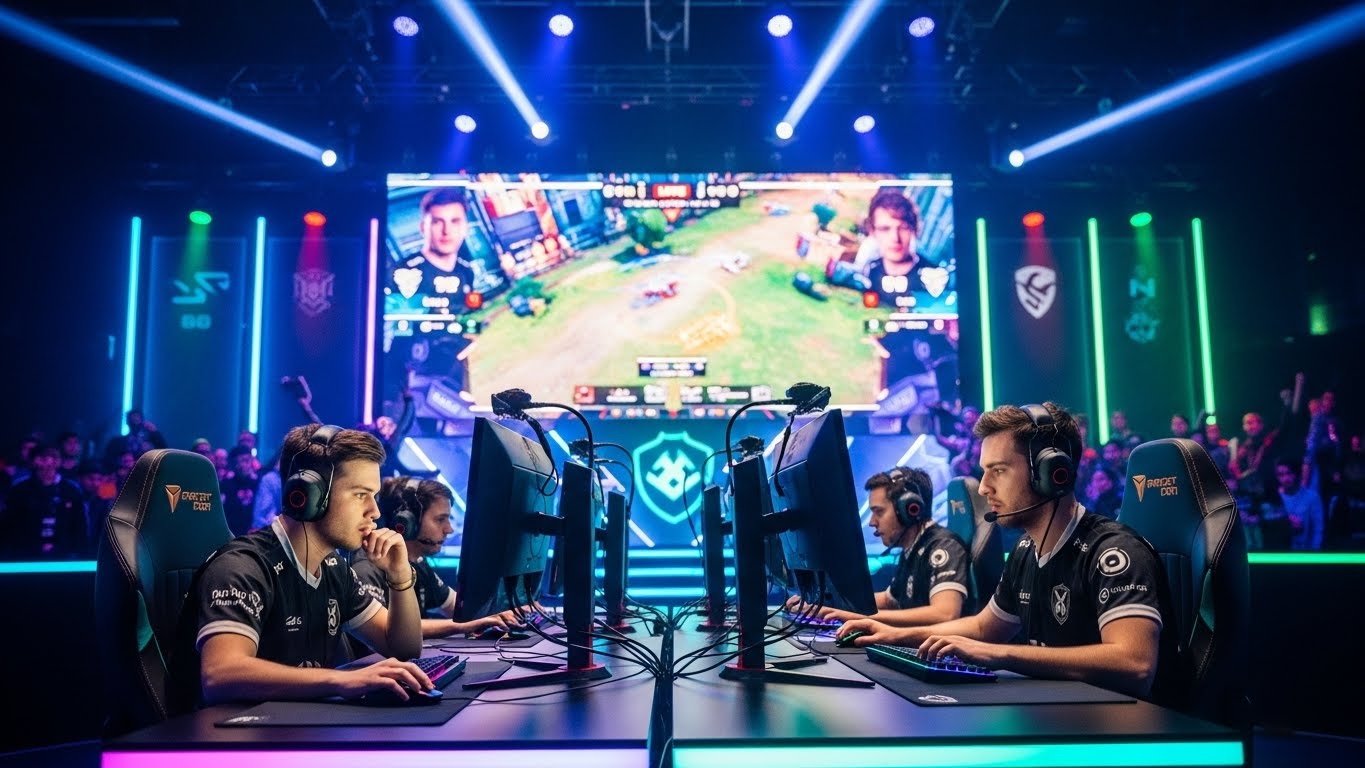
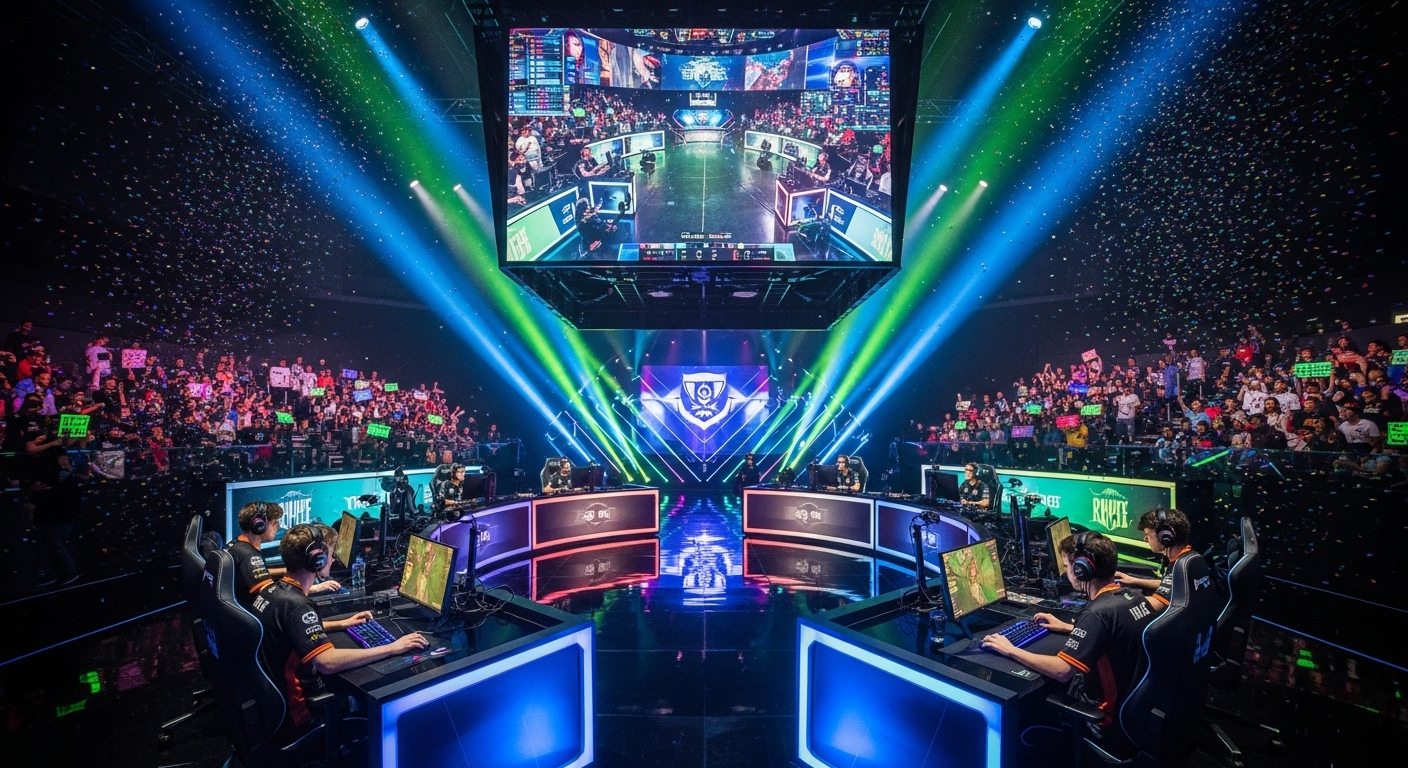
In the past decade, competitive gaming—known as eSports—has transformed from a niche pastime into a multi-billion-dollar industry with millions of dedicated fans, professional players, and organizations. What was once seen as a hobby for a select group of tech enthusiasts has now become a global phenomenon, with eSports events being broadcasted in arenas, on streaming platforms, and even on television networks. This blog post will explore the rapid growth of eSports, its cultural impact, the rise of professional players, and what the future holds for this dynamic industry.
The Origins of eSports: From Casual Competitions to Global Phenomenon
The roots of eSports can be traced back to the 1970s and 1980s when the first competitive gaming tournaments were held. One of the earliest recognized events was the Space Invaders Championship, organized by Atari in 1980. While these early competitions were small and localized, they paved the way for the more organized tournaments that would emerge in the 1990s.
During the rise of the internet in the late 1990s, online multiplayer games began to take off. Games like Quake and StarCraft introduced a new form of competition where players could compete against one another in real-time across vast distances. As broadband internet became more widely available, online gaming exploded in popularity, and the concept of organized online competitions began to take shape. StarCraft in particular became a cornerstone of early eSports, particularly in South Korea, where professional leagues were established and millions of fans tuned in to watch their favorite players compete.
By the early 2000s, eSports tournaments were becoming larger and more sophisticated, with events like the World Cyber Games (WCG) and The Electronic Sports World Cup (ESWC) attracting players from around the globe. The rise of platforms like Twitch in 2011 provided a new way for fans to watch their favorite games and players live, further fueling the growth of competitive gaming.
The Rise of eSports as a Profession
One of the most significant developments in the eSports industry over the past decade has been the professionalization of competitive gaming. What was once seen as a hobby or side activity is now a full-fledged career path for many gamers. The level of skill, dedication, and training required to compete at the highest level has turned eSports into a legitimate profession, with players earning significant incomes through sponsorships, tournament prizes, and streaming.
Today, top eSports players are akin to professional athletes in traditional sports. They train for hours every day, study game mechanics, and engage in team practices and scrims (practice matches) to hone their skills. As eSports has become more competitive, players must not only have exceptional reflexes and game knowledge but also the ability to work as part of a team and perform under pressure.
Many eSports players have garnered fame and recognition similar to that of athletes in traditional sports. Take, for example, the rise of players like Lee “Life” Seung Hyun, one of the most successful StarCraft II players, or Faker (Lee Sang-hyeok), widely considered the greatest League of Legends player of all time. These players, among others, have built massive followings, not only in their home countries but globally, with their skills and personalities becoming key parts of their brand.
Esports organizations also play a crucial role in supporting players, offering salaries, sponsorships, coaching, and other resources to help them succeed. Many professional players sign contracts with eSports teams and organizations, which provide them with the financial backing and infrastructure needed to compete at the highest level. Teams like Cloud9, Team Liquid, and Fnatic are household names in the eSports community, and their rosters are filled with some of the best players in the world.
The Economic Impact of eSports
The economic impact of eSports cannot be overstated. In 2021, the global eSports industry was estimated to be worth over $1 billion, and it continues to grow rapidly year over year. This growth is driven by multiple factors, including the increasing popularity of online gaming, the expansion of streaming platforms like Twitch and YouTube, and the influx of investments from traditional sports organizations and media companies.
One of the key sources of revenue for eSports is sponsorships. Major brands, including Coca-Cola, Intel, and Mercedes-Benz, have recognized the vast potential of eSports and have invested heavily in sponsorship deals. These brands sponsor tournaments, players, and entire teams, providing financial support in exchange for visibility and brand recognition. Sponsorships are one of the largest revenue streams for eSports organizations, and this trend is expected to continue as more companies recognize the marketing power of gaming and esports.
Another important source of revenue for the eSports ecosystem is media rights. Just as traditional sports leagues like the NFL and NBA sell broadcasting rights to television networks, eSports organizations and tournament organizers sell broadcasting rights to platforms like Twitch, YouTube, and Facebook Gaming. This allows fans to watch their favorite events live, while platforms generate revenue through advertising and subscriptions.
Ticket sales and live event attendance also contribute significantly to the eSports economy. Major tournaments like The International (for Dota 2), the League of Legends World Championship, and Counter-Strike: Global Offensive (CS:GO) events draw in massive crowds, with tickets often selling out within hours of release. Fans pay to attend these events in person, watch the action unfold live, and cheer on their favorite teams. In addition to ticket sales, these events often feature merchandising opportunities, offering fans the chance to purchase team gear, memorabilia, and other products.
Finally, the increasing popularity of eSports streaming has created a booming industry for content creators. Players, commentators, and influencers can earn money by streaming their gameplay on platforms like Twitch or YouTube, through viewer donations, subscriptions, and ad revenue. High-profile streamers like Ninja, Shroud, and Pokimane have turned their gaming channels into full-time careers, earning millions of dollars annually from their streams.
eSports in the Mainstream: Television, Media, and Audience Growth
As eSports has grown in popularity, it has begun to attract attention from traditional media outlets and even mainstream television. Major television networks like ESPN and TBS have started airing eSports events, bringing competitive gaming to a broader audience. ESPN, for example, has broadcasted The International Dota 2 tournament, and TBS aired ELEAGUE, a competition focused on games like CS:GO and Street Fighter V. These broadcasts help to legitimize eSports as a professional activity and expand its reach to viewers who might not be familiar with gaming.
The rise of live streaming platforms like Twitch and YouTube Gaming has also been instrumental in bringing eSports into the mainstream. Twitch, in particular, has become the go-to platform for eSports fans, offering live coverage of major tournaments, as well as live-streamed gameplay, interviews, and behind-the-scenes content. In 2020, Twitch reached over 17 billion hours of content watched, with a large portion of that being eSports-related content. The rise of YouTube Gaming and Facebook Gaming has also provided eSports content creators with more platforms to reach their audiences.
Additionally, eSports has become a form of social entertainment, allowing fans to interact with players and fellow fans in real-time. Streaming platforms offer live chat features, allowing viewers to discuss matches, share predictions, and engage directly with content creators. This level of interactivity has helped foster a sense of community around eSports, making it not just a spectator sport but an engaging, social experience.
The Future of eSports: Opportunities and Challenges
As eSports continues to grow, it faces several exciting opportunities and potential challenges.
1. The Inclusion of New Games
While games like League of Legends, Dota 2, and Fortnite dominate the eSports scene today, the future of competitive gaming could see the rise of new titles that could challenge the established order. Game developers are constantly working on new titles with eSports potential, and some games, like Valorant (by Riot Games), have already begun to make their mark on the competitive gaming scene. As new titles emerge, there will be greater diversity in the types of games that are played competitively, which will attract a wider range of players and audiences.
2. The Rise of Mobile eSports
Mobile gaming has experienced explosive growth, particularly in regions like Asia. Games like PUBG Mobile, Mobile Legends, and Clash Royale have introduced competitive gaming to the mobile space, leading to the rise of mobile eSports tournaments. As mobile technology continues to improve, mobile eSports will likely continue to grow, offering new opportunities for players and fans alike.
3. College and Scholastic eSports
Another exciting development is the rise of college and scholastic eSports programs. Many universities in the U.S. and around the world now offer eSports scholarships, while others have established their own competitive teams. This provides a clear path for young, aspiring players to pursue a career in eSports while earning an education. As college eSports programs become more widespread, the talent pool for professional eSports will continue to grow, creating a more competitive and vibrant ecosystem.
4. Challenges of Sustainability
While the eSports industry has seen rapid growth, it is still facing challenges related to sustainability. The high level of competition, the pressure on players to perform, and the reliance on sponsorships and media rights for revenue can create an unstable environment. Additionally, there are concerns about the mental health and well-being of players, who often face grueling schedules and intense pressure. The eSports industry will need to address these challenges to ensure long-term sustainability.