Introduction: Esports as a Modern Cultural Force
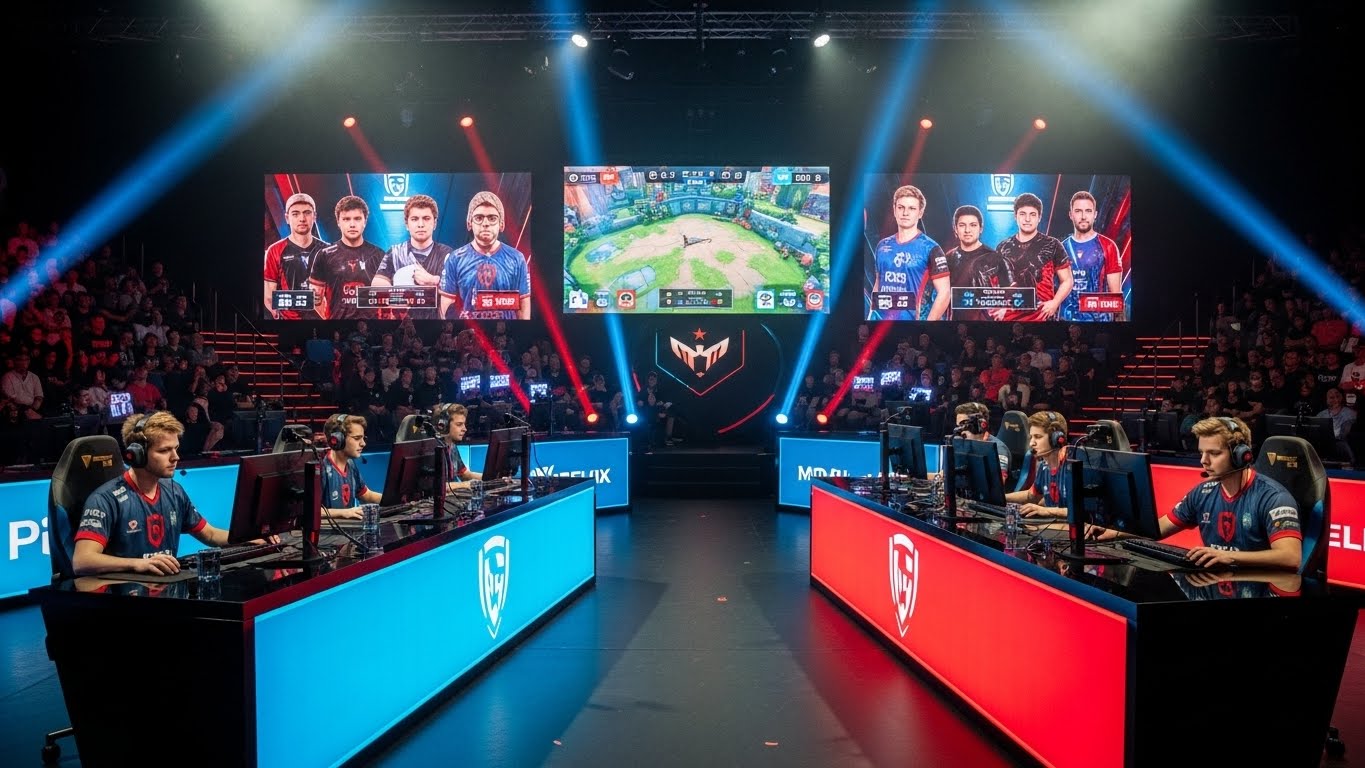
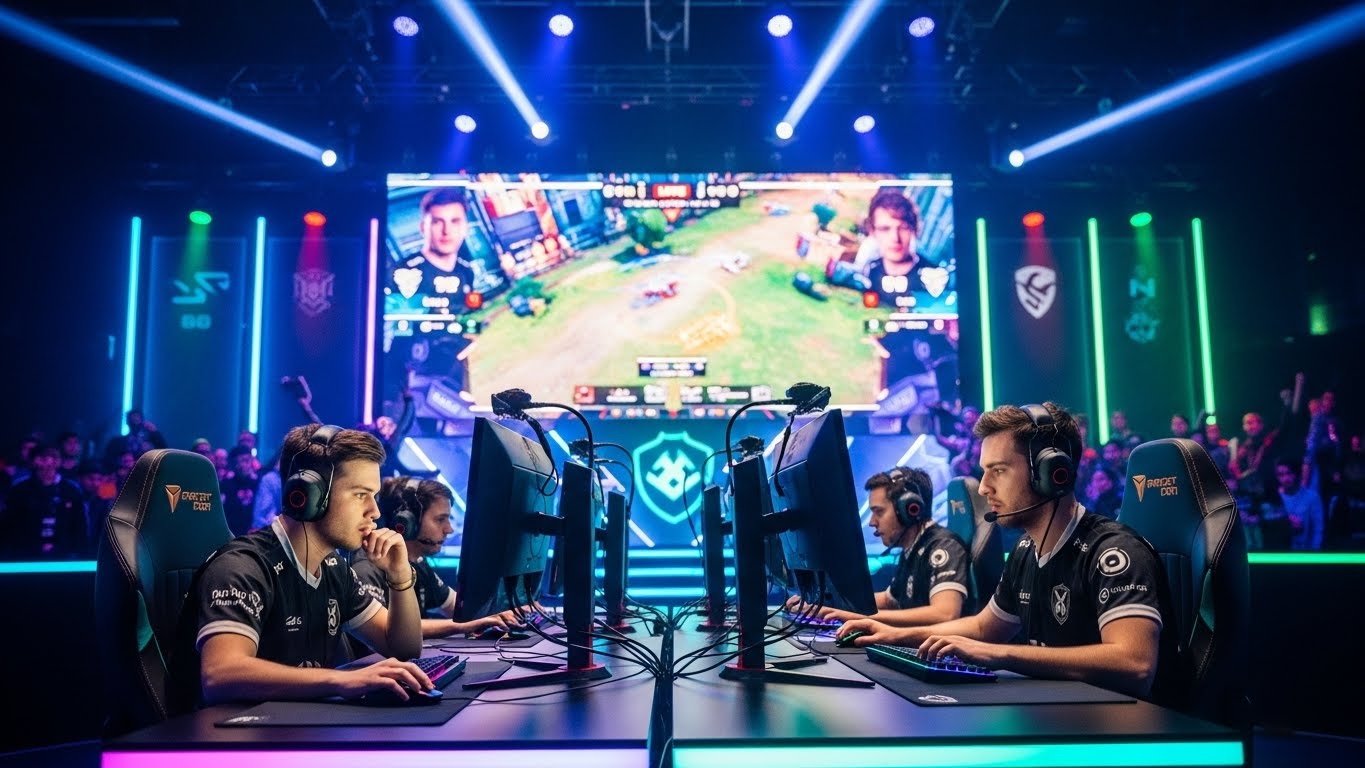
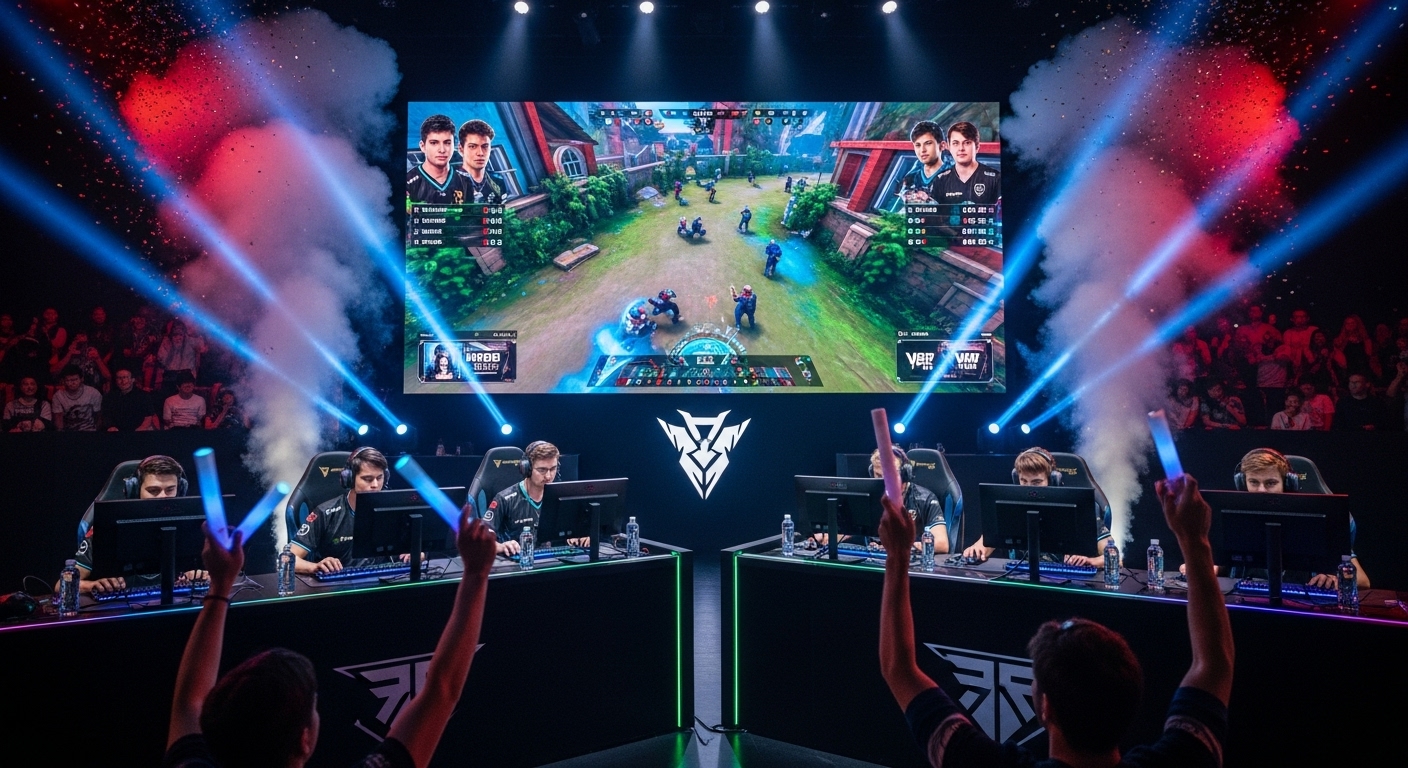
In the past decade, esports has transformed from a niche hobby into a worldwide cultural and professional phenomenon. Competitive gaming, once confined to arcades and small communities, now commands massive audiences, lucrative sponsorships, and professional leagues with global recognition. Esports encompasses video game competitions across multiple genres, from multiplayer online battle arenas to first-person shooters and sports simulations. This blog explores the rise of esports, its influence on society, the economic opportunities it generates, the technological innovations that drive it, and the challenges and future prospects of this rapidly evolving industry.
The Origins and Evolution of Esports
Competitive gaming has existed almost as long as video games themselves. In the 1970s and 1980s, players competed in arcade games such as Space Invaders and Pac-Man, often at local events or via high score rankings published in magazines. The early 1990s saw the rise of local area network tournaments and early esports competitions for games like Doom and Quake.
The turn of the millennium marked a significant shift as broadband internet expanded, enabling online multiplayer competitions. Games like StarCraft in South Korea became cultural phenomena, with televised matches drawing millions of viewers. The establishment of organized leagues, professional teams, and international tournaments solidified esports as a legitimate and structured competitive activity. Today, esports spans diverse genres including strategy, fighting, racing, and sports simulation, offering a platform for professional players, streaming personalities, and global fan communities.
Esports as a Career Path
Esports has created new career opportunities for talented players and professionals beyond traditional gaming. Professional esports athletes train rigorously, often dedicating several hours a day to practice, strategy analysis, and skill improvement. Unlike casual gaming, professional esports requires discipline, teamwork, and mental resilience comparable to traditional sports.
Careers in esports extend beyond players. Coaches, analysts, content creators, event organizers, and commentators all play critical roles in sustaining the industry. Universities now offer esports programs and scholarships, further legitimizing the profession and providing young players with opportunities to pursue gaming as a viable career path.
The Economic Impact of Esports
Esports has become a multi-billion-dollar industry with wide-ranging economic implications. Revenue streams include tournament prize money, sponsorship deals, advertising, merchandise sales, and streaming subscriptions. Major tournaments such as The International for Dota 2 or the League of Legends World Championship generate massive audiences, both online and in stadiums, providing significant revenue for organizers, teams, and sponsors.
Local economies also benefit from esports events. Hosting tournaments attracts tourism, increases spending in hospitality, and creates temporary jobs for event staff and media personnel. Beyond direct revenue, esports drives technological innovation, marketing strategies, and content creation industries, demonstrating the broader economic significance of competitive gaming.
The Role of Technology in Esports
Technology is the backbone of modern esports. High-performance computers, gaming peripherals, and high-speed internet connections enable players to compete at the highest level. Game developers continuously optimize software to support competitive play, ensuring balanced mechanics, fair matchmaking, and minimal latency.
Live streaming platforms like Twitch and YouTube Gaming have revolutionized how audiences engage with esports. Fans can watch matches in real-time, interact with players, and participate in online communities. Additionally, data analytics and performance tracking tools allow teams to analyze strategies, evaluate opponents, and enhance player performance, making esports a technologically sophisticated industry.
Emerging technologies such as virtual reality and cloud gaming also promise to expand the esports experience, allowing for immersive tournaments and broader access without the need for high-end hardware.
Esports and Global Culture
Esports has a unique ability to connect people across cultures and borders. International tournaments bring together players from diverse backgrounds, fostering cross-cultural understanding and cooperation. Fans from different countries support their favorite teams, creating a shared sense of excitement and community.
The rise of esports influencers and streamers has further embedded gaming into global culture. Popular personalities share gameplay, host discussions, and engage with fans, creating communities that blur the line between entertainment, social interaction, and fandom. Esports also influences fashion, music, and media, reflecting the tastes and preferences of a generation that grew up alongside video games.
Social Benefits of Esports
Esports offers several social benefits, particularly for younger generations. Multiplayer and team-based competitions teach collaboration, communication, and leadership skills. Players learn to strategize, delegate roles, and resolve conflicts, fostering interpersonal skills transferable to real-life situations.
Esports also provides a sense of belonging and community. Online teams, fan forums, and live events create social spaces where players and fans can connect, share experiences, and celebrate achievements. For some, esports serves as a platform for social engagement that might not be available in traditional sports or social settings.
Health and Well-being in Esports
While esports is mentally stimulating and socially engaging, it is not without health considerations. Professional players often face long hours of practice and competition, which can lead to physical strain, eye fatigue, and mental stress. Proper training routines, ergonomic setups, physical exercise, and mental health support are essential for maintaining performance and well-being.
Many esports organizations now prioritize player health, integrating physical fitness regimens, mental coaching, and wellness programs to ensure sustainable careers. This approach highlights the evolving professionalism within esports, reflecting lessons learned from traditional sports.
Challenges in the Esports Industry
Despite its rapid growth, esports faces several challenges. Regulatory oversight varies globally, leading to inconsistencies in fair play, taxation, and licensing. Issues such as match-fixing, cheating, and online harassment also threaten the integrity and safety of the industry.
Monetization and sustainability are ongoing concerns for emerging teams and players. While top-tier competitions are highly lucrative, smaller organizations often struggle with funding, sponsorship, and exposure. Establishing standardized governance, professional support systems, and ethical practices is essential to ensure long-term growth.
The Future of Esports
The future of esports is promising, with continued expansion in both audience and revenue. Advancements in virtual reality, augmented reality, and cloud gaming will create more immersive and accessible experiences. Cross-platform play and mobile esports will broaden participation, allowing more players to compete globally.
Esports is likely to see increased collaboration with education and traditional sports, with universities, schools, and sports organizations integrating competitive gaming programs. Inclusion initiatives will make esports more accessible to women, players with disabilities, and underrepresented communities, ensuring a diverse and equitable competitive landscape.
Streaming, influencer culture, and social engagement will continue to intertwine with esports, creating entertainment ecosystems that merge gaming, media, and social interaction. As technology evolves, esports will remain at the forefront of digital entertainment and global culture.
Conclusion: Esports as a Defining Phenomenon of the Digital Age
Esports has grown from small-scale competitions to a global industry that influences culture, economy, technology, and social interaction. It provides career opportunities, fosters skills, and connects millions of players and fans worldwide. By combining strategic gameplay, teamwork, and entertainment, esports has redefined what competitive sports mean in the digital age.
The industry’s continued growth depends on innovation, professionalism, and inclusivity. With technological advancements, global connectivity, and cultural engagement, esports will remain a transformative force, shaping the way people play, watch, and interact in the modern world. Esports is not just a form of entertainment—it is a reflection of society’s evolving relationship with technology, competition, and community.