Introduction: The New Age of Competitive Gaming
Esports has emerged as one of the fastest-growing phenomena in the world of entertainment and sports. What once was considered a niche hobby for video game enthusiasts has evolved into a global industry attracting millions of fans, professional players, and major corporate sponsorships. The growth of esports signifies more than just entertainment; it represents a cultural shift, a new kind of athleticism, and an innovative form of digital engagement. With international tournaments, massive prize pools, and a fanbase spanning continents, esports is no longer a pastime—it is a professional and cultural powerhouse.
The Early Beginnings of Competitive Gaming
The roots of esports can be traced back to arcade competitions in the late 1970s and 1980s. High-score contests in games like Space Invaders, Pac-Man, and Donkey Kong captured the imagination of players and fans alike. As home gaming consoles became more popular in the 1980s and 1990s, competitive gaming started to move from arcades to personal computers. Titles like StarCraft, Counter-Strike, and Warcraft pioneered organized competitions, introducing strategies, teamwork, and real-time decision-making as essential skills. These early tournaments laid the foundation for modern esports leagues, attracting not just players but spectators eager to watch competitive gameplay unfold.
Games That Shaped Esports History
While many games have contributed to esports, some titles played a pivotal role in defining the industry. Multiplayer online battle arena games, such as League of Legends and Dota 2, revolutionized competitive gaming with their complex strategies, team coordination, and global tournaments. First-person shooters like Counter-Strike Global Offensive, Overwatch, and Call of Duty highlighted precision, reaction speed, and team synergy as core elements of competition. More recently, battle royale games like Fortnite and Apex Legends introduced dynamic gameplay and attracted younger audiences. Each of these games not only entertained but also created communities, professional leagues, and media attention, establishing esports as a legitimate competitive pursuit.
The Rise of Professional Esports Athletes
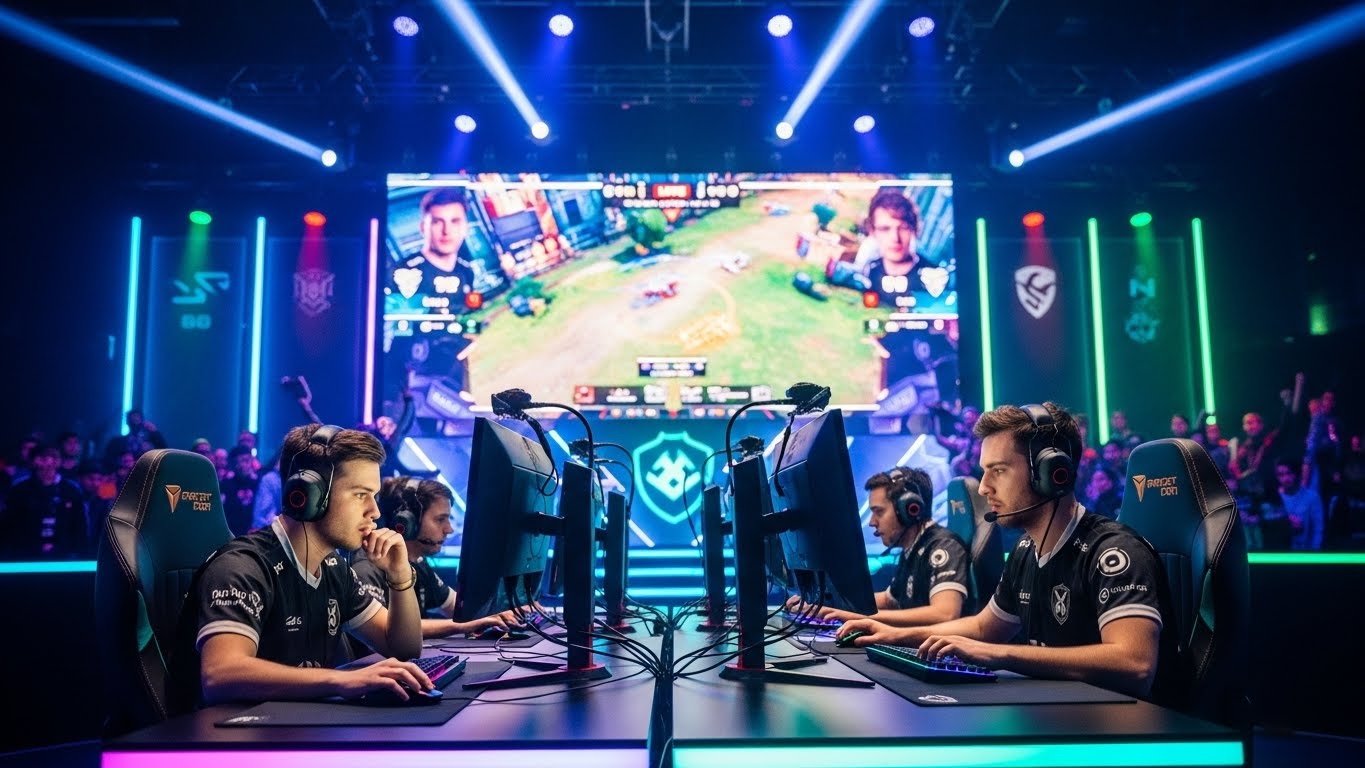
Today’s esports players are far more than casual gamers; they are professional athletes in every sense. Training regimens for esports professionals can rival those of traditional athletes, including hours of daily practice, strategy analysis, and teamwork exercises. Physical fitness and mental resilience are increasingly recognized as critical components of performance, leading many players to incorporate exercise, nutrition, and mental coaching into their routines. Teams often provide support structures including psychologists, nutritionists, and dedicated practice facilities. This professionalization of esports has raised the bar for competitive standards and established a career path for aspiring players around the globe.
The Role of Esports Organizations
Esports organizations are the backbone of the industry. Much like sports franchises, they scout talent, manage players, negotiate sponsorships, and cultivate fan engagement. These organizations are responsible for developing team identities and creating a sense of loyalty among fans. They often organize events, produce content, and collaborate with brands to generate revenue streams. As esports grows, organizations continue to innovate with branding strategies, fan experiences, and digital engagement, making them central to both the competitive and entertainment sides of the industry.
Global Tournaments and Spectator Culture
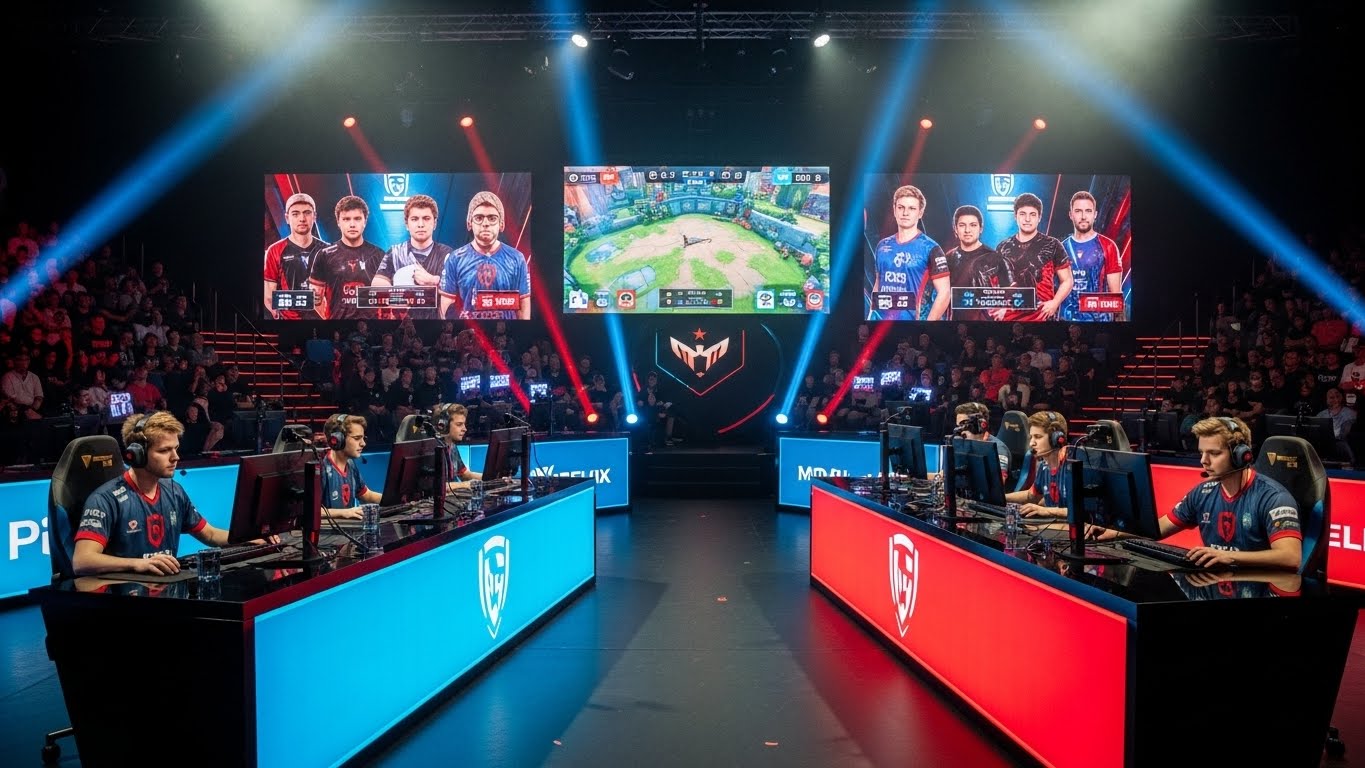
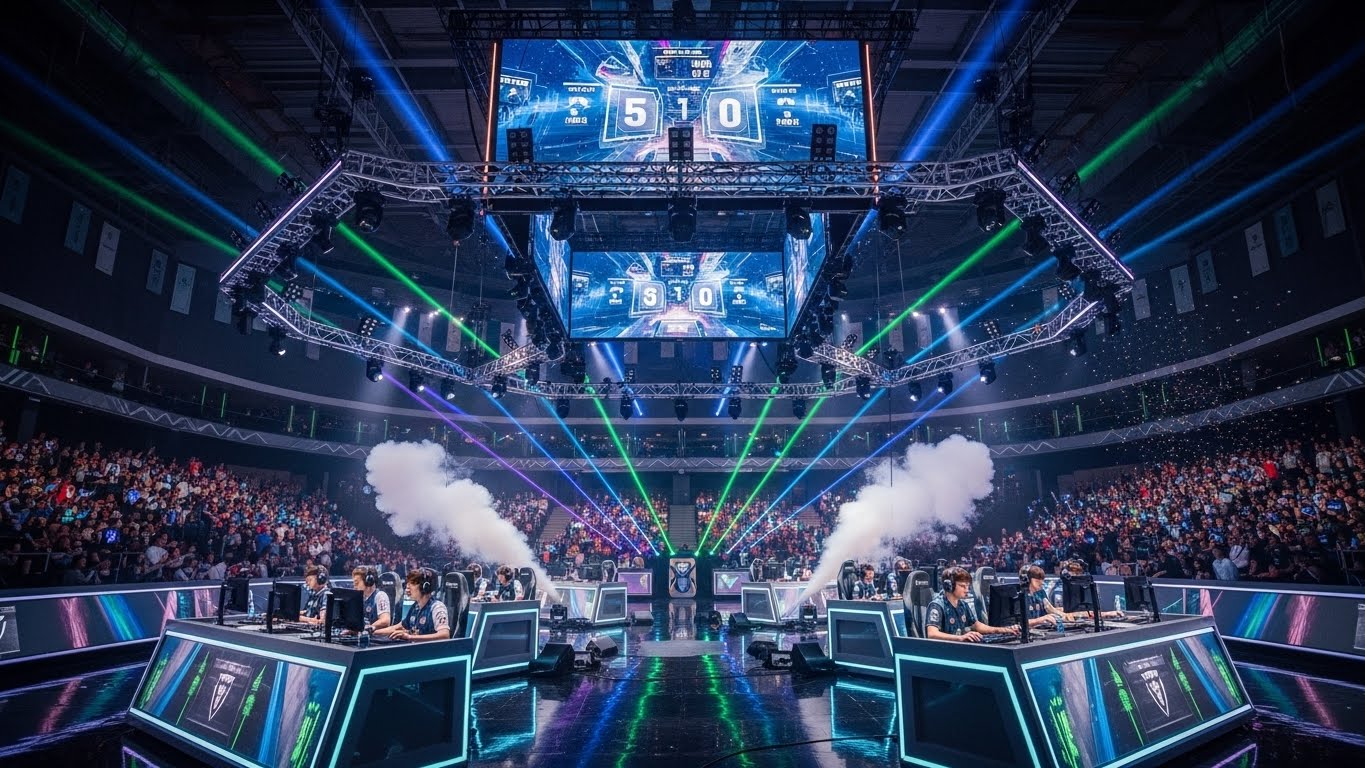
One of the defining aspects of esports is the spectator experience. Global tournaments such as The International, League of Legends World Championship, and EVO showcase elite players competing for multi-million-dollar prize pools. Streaming platforms allow fans to watch matches in real time from anywhere in the world, creating a vibrant digital community. Commentary, analysis, and live interaction enhance the viewing experience, while professional production teams create cinematic broadcasts with graphics, replays, and engaging storytelling. This combination of accessibility, entertainment, and community has helped esports reach mainstream audiences and solidify its cultural relevance.
Economic Impact of Esports
Esports is no longer a hobby; it is a significant economic driver. Prize pools for top tournaments reach tens of millions of dollars, and sponsorships from global brands contribute heavily to the industry’s revenue. Cities around the world are investing in esports arenas, hosting international events, and supporting local gaming initiatives to attract tourism and business. The industry has also created employment opportunities beyond professional players, including event organizers, coaches, analysts, marketers, and media production teams. With its expanding economic influence, esports continues to be an essential part of the digital economy and the future of entertainment industries.
The Influence of Esports on Culture
Esports has a profound impact on modern culture, especially among younger generations. Gaming communities transcend geographic and cultural boundaries, creating a sense of belonging and shared purpose. Esports influences fashion, music, and entertainment, with gaming icons collaborating with mainstream celebrities and media. Content creation, streaming, and social media engagement further amplify its cultural reach. The rise of esports celebrities has shifted public perception of gaming from casual pastime to aspirational career path, inspiring millions to pursue skills, teamwork, and personal development within the gaming world.
Challenges Facing the Industry
Despite its remarkable growth, esports faces several challenges. Player burnout is a significant concern due to long practice hours and intense competition. The industry must prioritize mental and physical health to ensure sustainable careers. Game longevity is another challenge, as popular titles may decline in viewership over time, requiring organizations and players to adapt quickly. Cheating, unfair competition, and match-fixing threaten the integrity of esports, highlighting the need for regulation and oversight. Addressing these challenges is essential for the continued growth and credibility of esports as a legitimate sport and cultural phenomenon.
Emerging Trends and Future Opportunities
The future of esports is promising and full of potential. Advancements in technology, such as virtual reality, augmented reality, and artificial intelligence, are poised to redefine the way games are played and experienced. Mobile esports is rapidly expanding, particularly in regions where smartphones dominate gaming access. Educational institutions and global sports committees are beginning to recognize esports as a legitimate competitive activity, integrating it into academic programs and international events. With innovation driving both gameplay and spectator experiences, esports is likely to expand its global reach and continue shaping the future of digital entertainment.
Why Esports Matters in the Modern World
Esports represents more than just competition; it embodies innovation, creativity, and global connectivity. It provides opportunities for players to build careers, for fans to connect over shared passions, and for communities to grow across borders. The industry fosters collaboration, critical thinking, and perseverance, skills that resonate far beyond gaming. In a digital world where technology and culture increasingly intersect, esports serves as a bridge between entertainment, professional development, and social engagement, reflecting the values and aspirations of a new generation.
Conclusion: The Ever-Expanding Horizon of Esports
Esports has transformed the concept of competition and redefined what it means to be an athlete in the digital age. From humble beginnings in arcades to packed stadiums and international broadcasts, it has become a global phenomenon with cultural, economic, and technological significance. As the industry continues to evolve, esports will inspire new generations of players, creators, and fans, offering opportunities that extend far beyond the screen. The rise of esports is a testament to human creativity, dedication, and the endless possibilities of a connected world. Its influence will only grow stronger as it continues to break barriers and redefine the future of competitive entertainment.