Esports, or competitive gaming, has grown from a niche hobby into a global phenomenon that captivates millions of players and fans worldwide. Combining technology, skill, strategy, and entertainment, esports has established itself as a legitimate industry with professional leagues, sponsorships, tournaments, and dedicated fan communities. It has transformed the perception of gaming, bridging the gap between traditional sports, digital entertainment, and social interaction. This blog explores the rise of esports, its structure, cultural impact, economic significance, technology, challenges, and future potential.
The Evolution of Esports
The concept of competitive gaming dates back decades, beginning with early arcade tournaments in the 1970s and 1980s. Games such as Space Invaders, Pac-Man, and Street Fighter became competitive platforms where players tested their skills and earned recognition. The advent of multiplayer PC games in the 1990s, including StarCraft, Quake, and Counter-Strike, laid the foundation for modern esports, introducing global competition and online connectivity.
The 2000s saw the emergence of organized leagues, professional teams, and dedicated esports events. Games like League of Legends, Dota 2, and Overwatch further propelled esports into mainstream culture. Today, esports is a multi-billion-dollar industry with professional athletes, worldwide tournaments, and streaming platforms that attract audiences rivaling traditional sports events.
Popular Esports Titles and Genres
Esports encompasses a wide variety of game genres, each with unique strategies, rules, and competitive communities.
Multiplayer Online Battle Arenas (MOBAs): Games like League of Legends and Dota 2 require strategic teamwork, communication, and in-depth knowledge of game mechanics. MOBAs are among the most popular esports genres, attracting millions of viewers and massive prize pools.
First-Person Shooters (FPS): Titles such as Counter-Strike: Global Offensive, Call of Duty, and Valorant focus on precision, reflexes, and tactical coordination. FPS games demand quick thinking, split-second decisions, and team synchronization.
Battle Royale Games: Fortnite, Apex Legends, and PUBG have popularized battle royale formats, combining survival, strategy, and competitive play. These games emphasize adaptability and solo or team-based strategy.
Fighting Games: Traditional fighting games like Street Fighter, Tekken, and Super Smash Bros. emphasize skill, timing, and execution, creating intense one-on-one competitions.
Sports Simulations: FIFA, NBA 2K, and Madden NFL allow players to compete in virtual renditions of traditional sports, blending digital gaming with real-world athletic strategies.
Structure of Esports Competitions
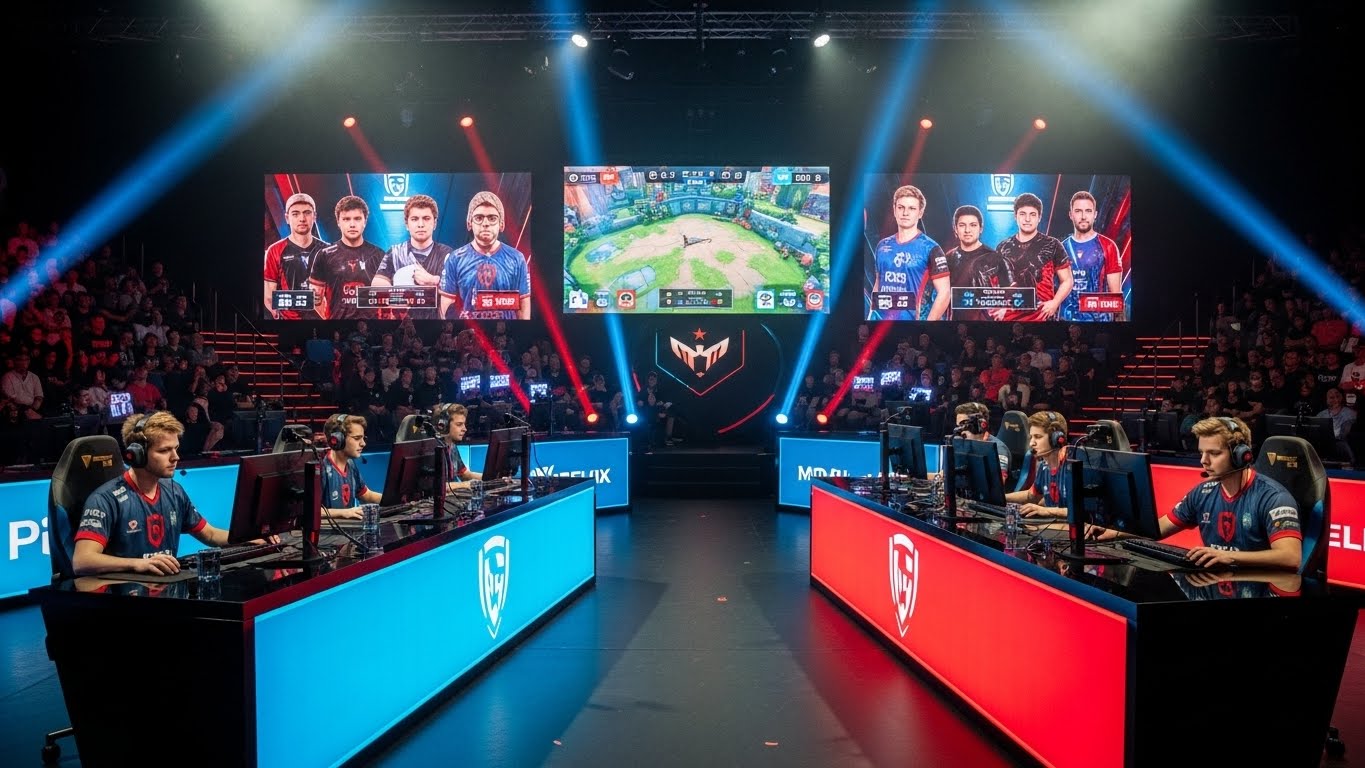
Esports competitions range from local tournaments to international events with massive audiences. Professional esports organizations manage teams, recruit players, and provide coaching, training, and sponsorship opportunities.
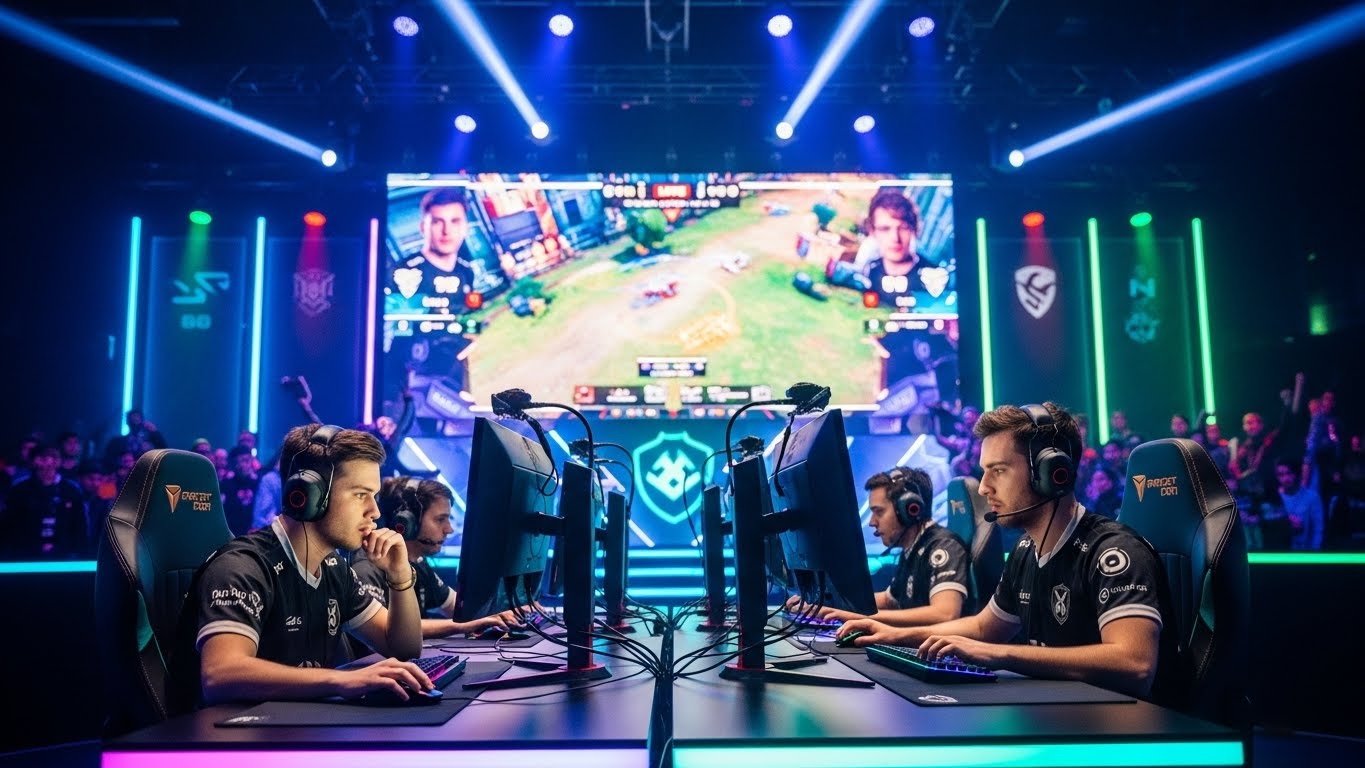
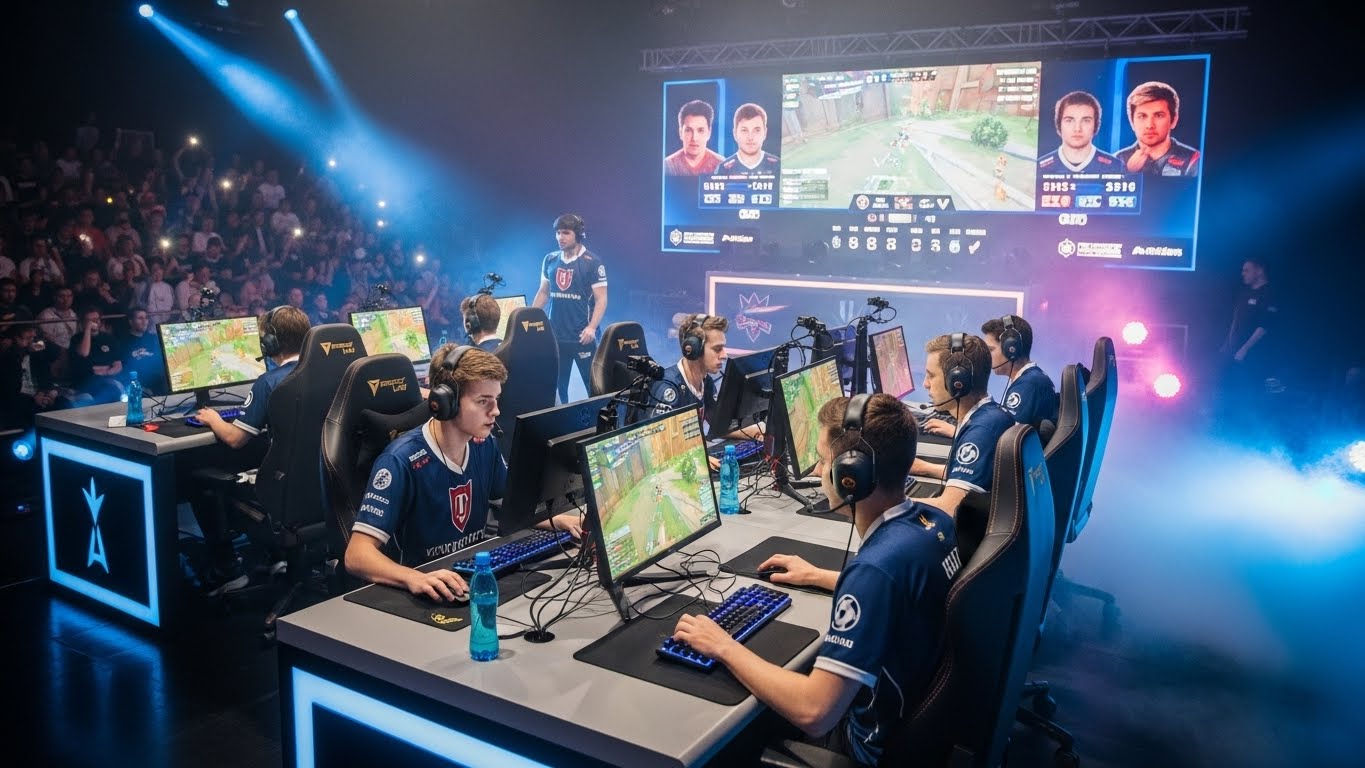
Major esports tournaments, such as The International (Dota 2), the League of Legends World Championship, and Fortnite World Cup, attract millions of viewers online and offer multi-million-dollar prize pools. Leagues like Overwatch League and Call of Duty League operate similarly to traditional sports leagues, with seasonal matches, team standings, and playoffs.
Amateur esports tournaments also play a critical role, allowing aspiring players to showcase their skills, gain recognition, and potentially join professional circuits. The structure of esports is inclusive, offering opportunities for both casual and professional players to engage in competitive gaming.
The Rise of Esports Streaming
Streaming platforms have been pivotal in the growth of esports. Platforms like Twitch, YouTube Gaming, and Facebook Gaming allow players to broadcast their gameplay live, connect with audiences, and build personal brands.
Esports streaming creates a new form of social interaction, where fans can communicate with players in real time, participate in community events, and follow professional competitions. Streamers and professional gamers can monetize content through subscriptions, sponsorships, donations, and ad revenue, creating careers solely based on digital presence.
Streaming has also introduced esports to a broader audience, including casual viewers who may not play games but enjoy the entertainment, strategy, and personalities involved in competitive gaming.
Economic Impact of Esports
Esports has become a major economic force, generating billions in revenue globally. Sponsorships, advertising, media rights, merchandise sales, ticketed events, and streaming platforms all contribute to the industry’s growth.
Professional esports teams operate similarly to traditional sports franchises, with management, coaching, marketing, and player contracts. Sponsorship deals with major brands, including technology companies, energy drinks, and apparel brands, provide financial support while increasing exposure.
Esports tournaments also stimulate tourism and local economies by attracting international players, fans, and media attention. The economic ecosystem of esports illustrates its legitimacy as a professional industry and cultural phenomenon.
Social and Cultural Impact of Esports
Esports has redefined the concept of sports and entertainment, creating new communities, cultures, and identities. Fans form tight-knit communities around teams, players, and game titles, engaging in discussions, content creation, and fan art.
Esports also promotes global connectivity. Players from different countries compete on equal footing, fostering cross-cultural interactions, teamwork, and understanding. In many ways, esports transcends traditional social boundaries, offering inclusive spaces for people of all backgrounds to participate and connect.
The rise of esports has also challenged traditional perceptions of gaming, emphasizing skill, strategy, and professionalism. Competitive gaming is no longer viewed as merely a hobby but as a legitimate career path and form of entertainment.
Health and Training in Esports
Although esports may appear primarily digital, professional players undergo rigorous training routines. High-level esports performance requires not only strategic thinking and reflexes but also physical and mental fitness.
Players often maintain exercise routines, balanced diets, and sleep schedules to optimize reaction time, concentration, and endurance during competitions. Mental conditioning, including stress management, focus training, and teamwork exercises, is also crucial. Professional esports organizations employ coaches, analysts, and psychologists to support player development and maintain peak performance.
Technological Innovations in Esports
Technology underpins every aspect of esports. High-speed internet, advanced graphics, powerful gaming hardware, and sophisticated software platforms are essential for competitive gaming.
Virtual reality and augmented reality are beginning to influence esports, creating immersive gaming experiences and new competitive formats. Artificial intelligence and analytics help teams study gameplay, develop strategies, and improve individual performance.
Cloud gaming is another emerging technology, enabling players to compete without high-end hardware, making esports more accessible to a global audience. Technology not only enhances gameplay but also expands the reach, inclusivity, and engagement of esports communities.
Challenges in the Esports Industry
Despite its rapid growth, esports faces several challenges. Player burnout and mental health concerns are significant, given the intense training, high-pressure competitions, and long hours required for professional play. Career longevity is often limited, making financial and personal planning essential.
Regulation and standardization are also areas of concern. As esports crosses borders, differences in rules, age restrictions, and legal frameworks can create inconsistencies. Ensuring fair play, ethical sponsorship, and transparency in competitions is crucial for sustaining trust in the industry.
Additionally, esports must continue to address issues such as diversity, inclusion, and accessibility to ensure that the industry is welcoming to all players and fans.
The Future of Esports
The future of esports is both promising and transformative. With technological advancements, esports will become more immersive, interactive, and accessible. Virtual reality, augmented reality, and AI-driven analytics will redefine gameplay, training, and spectator experiences.
Esports is also likely to integrate more closely with traditional sports, education, and entertainment sectors. Universities are establishing esports programs, scholarships, and research initiatives, while media companies are investing in esports broadcasting. The professionalization, globalization, and mainstream acceptance of esports suggest that its influence will continue to expand, shaping the future of digital entertainment and competitive play.
Conclusion: Esports as a Cultural and Professional Phenomenon
Esports is no longer just a hobby or pastime—it is a dynamic, global industry that combines competition, technology, and entertainment. It offers career opportunities, fosters social connections, and inspires millions of fans worldwide. From grassroots competitions to international tournaments, esports emphasizes skill, strategy, and dedication, proving that digital gaming can achieve the same excitement, professionalism, and cultural significance as traditional sports.
As technology advances, audiences grow, and professional structures evolve, esports will continue to redefine how people play, watch, and engage with games. It represents a new era of competitive entertainment, where digital skill, innovation, and community converge to create experiences that captivate generations. The esports revolution is not just transforming gaming—it is reshaping the world of sports and entertainment for the digital age.