Introduction
Esports, or competitive video gaming, has emerged as one of the fastest-growing forms of entertainment and competition in the world. What once began as casual multiplayer matches among friends has evolved into a billion-dollar industry attracting millions of fans, professional athletes, and global sponsors. Esports is no longer just a hobby; it is a cultural phenomenon that bridges technology, sportsmanship, and entertainment in a digital era. In this blog, we explore the rise of esports, its impact on society, the opportunities it creates, and the challenges it faces as it continues to redefine modern competition.
The Rise of Esports
Esports traces its roots back to the 1970s when early video game competitions began in arcades. Over the decades, with the proliferation of home consoles, PCs, and internet connectivity, competitive gaming evolved dramatically. The 2000s saw the birth of professional leagues, international tournaments, and streaming platforms, creating a global esports ecosystem.
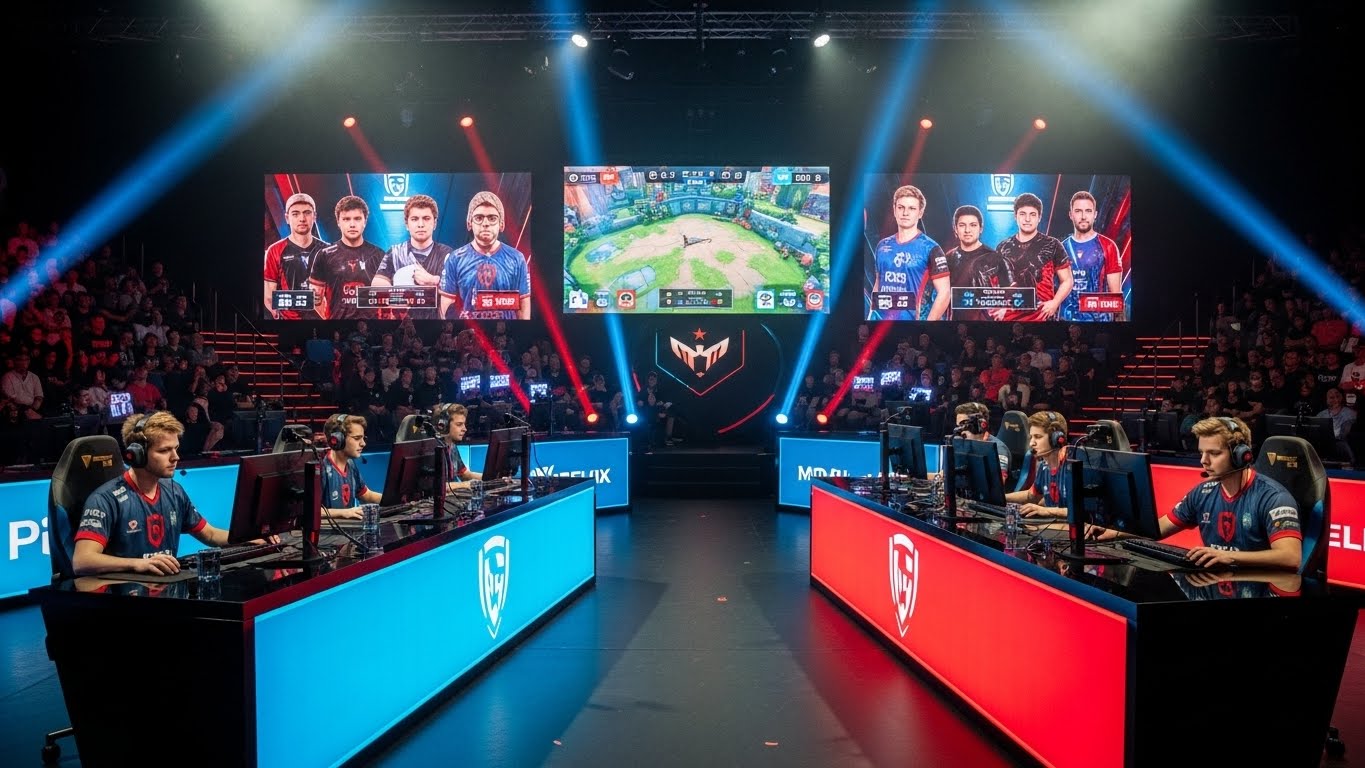
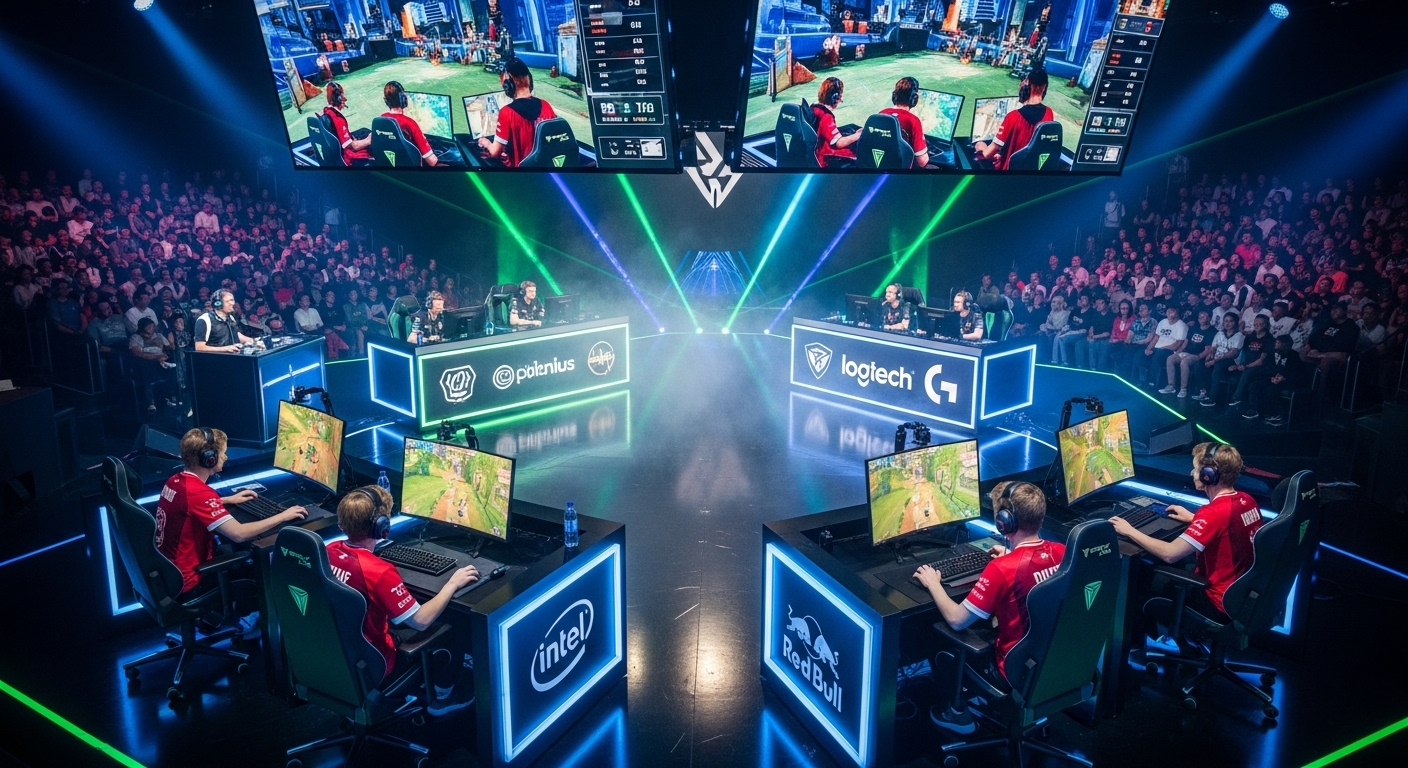
Today, esports tournaments attract millions of viewers online and in arenas, rivaling traditional sports in popularity. Titles like League of Legends, Dota 2, Counter-Strike, Fortnite, and Call of Duty dominate the competitive scene, offering players an opportunity to pursue professional careers while entertaining a worldwide audience.
The Structure of Esports Competitions
Esports competitions are organized in structured formats similar to traditional sports. They include professional leagues, regional qualifiers, seasonal tournaments, and world championships. Teams and players train rigorously, often dedicating hours every day to practice, strategy development, and teamwork.
Unlike conventional sports, esports tournaments are primarily digital, allowing global participation and streaming. Major competitions often offer substantial prize pools, sponsorship deals, and media coverage, making esports an attractive and lucrative career for skilled players.
Skills Required for Esports Success
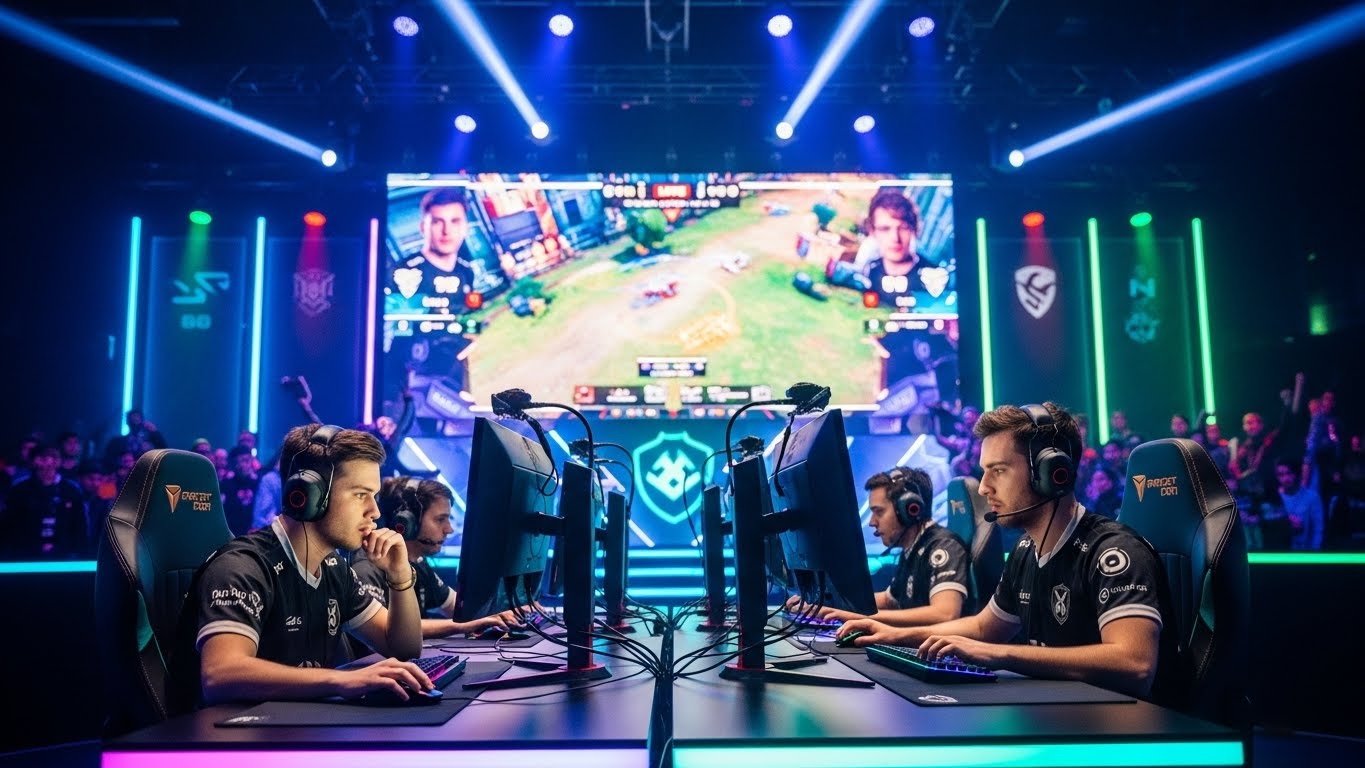
While esports is digital, the skills required are real and highly demanding. Successful players must exhibit exceptional hand-eye coordination, reaction time, strategic thinking, and adaptability. Mental focus, communication, and teamwork are critical, especially in team-based games where coordination determines victory or defeat.
Esports athletes also need discipline and resilience. The competitive environment is intense, and players must cope with pressure, setbacks, and the scrutiny of fans and analysts. Physical fitness, although less obvious than in traditional sports, plays a role in maintaining energy, reflexes, and endurance during long practice sessions or tournaments.
Esports and Technology
Technology is the backbone of esports. High-performance computers, gaming consoles, fast internet connectivity, and streaming platforms are essential for professional play and audience engagement. Innovations such as virtual reality, augmented reality, and advanced analytics are enhancing both gameplay and viewer experiences.
Streaming platforms have transformed esports into a spectator phenomenon. Fans can watch live tournaments, follow favorite players, and engage with the community in real time. This interaction strengthens fan loyalty and turns esports into a dynamic entertainment ecosystem, combining gaming, media, and social interaction.
The Global Appeal of Esports
Esports has a universal appeal that transcends borders, age groups, and cultures. From North America to South Korea, Europe, and Latin America, competitive gaming has captured the imagination of millions. Its accessibility through online platforms allows fans and players from remote regions to participate without geographic limitations.
Major tournaments attract international audiences, and professional teams often include players from multiple countries. Esports serves as a bridge across cultures, fostering collaboration, competition, and global connectivity in a way few other industries can achieve.
Economic Opportunities in Esports
Esports has become a significant economic driver. Professional players earn income through salaries, tournament winnings, sponsorships, and streaming revenue. Teams operate as professional organizations, with coaching staff, analysts, marketers, and support personnel contributing to their success.
The industry also creates opportunities for advertisers, brands, technology companies, and content creators. Sponsorship deals with gaming peripherals, energy drinks, apparel, and media platforms fuel the growth of esports. As the industry expands, it continues to create employment, stimulate technology innovation, and attract investments worldwide.
Esports as a Career Path
Esports offers diverse career opportunities beyond professional play. Players can transition into coaching, team management, content creation, broadcasting, marketing, or event organization. Analysts and strategists provide critical insights into gameplay, while commentators bring excitement and context to tournaments.
Education programs and training academies are emerging to nurture esports talent, equipping players with skills to succeed both in gaming and in other professional avenues. With structured pathways and support systems, esports is evolving into a legitimate career option comparable to traditional sports professions.
Esports and Mental Health
While esports provides opportunities, it also presents challenges, particularly regarding mental health. The intense pressure to perform, long hours of practice, and public scrutiny can lead to stress, burnout, or anxiety. Professional players must balance training with adequate rest, nutrition, and psychological support.
Many organizations now prioritize mental wellness programs, offering counseling, stress management techniques, and guidance for maintaining a healthy lifestyle. Awareness of these issues is crucial for sustainable growth and long-term success in the esports industry.
The Cultural Impact of Esports
Esports has transformed popular culture. It influences music, fashion, entertainment, and social media trends. Players are celebrated as digital celebrities, and their achievements inspire millions of young fans. Gaming conventions, online communities, and fan events create spaces for cultural exchange and shared enthusiasm.
Additionally, esports challenges traditional notions of sports and competition. It demonstrates that skill, strategy, and dedication can thrive in digital arenas, redefining what it means to be an athlete in the modern world.
Inclusivity and Accessibility in Esports
Esports is inherently inclusive. Unlike many traditional sports that require specific physical attributes, esports welcomes individuals of diverse abilities, genders, and backgrounds. Adaptive technologies and accessible platforms allow a broader population to participate competitively.
This inclusivity promotes diversity in professional teams and fan communities, fostering equality and breaking stereotypes. Esports offers opportunities for talent to shine based on skill, strategy, and dedication rather than physical limitations.
The Future of Esports
The future of esports is promising. Advancements in technology, increased investment, and growing mainstream recognition continue to elevate the industry. Virtual reality, cloud gaming, and enhanced streaming experiences are likely to transform both participation and viewership.
Education institutions and professional organizations are recognizing esports as a legitimate field, integrating it into curricula and offering structured pathways for aspiring players. With increasing corporate sponsorships and audience growth, esports is set to become a permanent fixture in global entertainment.
Challenges Facing Esports
Despite its growth, esports faces challenges. Issues such as player burnout, toxic behavior in gaming communities, and maintaining fair competition must be addressed. Regulatory frameworks for tournaments, player contracts, and esports organizations are still evolving.
Ensuring sustainability and long-term growth requires a balanced approach that considers player welfare, industry standards, and audience engagement. Collaboration between game developers, teams, organizations, and governing bodies is essential to overcome these challenges.
Conclusion
Esports is more than a trend—it is a revolution in competition, entertainment, and culture. It combines technology, skill, strategy, and community, creating experiences that resonate globally. Esports empowers players, connects fans, drives economic growth, and challenges traditional definitions of sports.
As esports continues to grow, it will redefine entertainment, foster inclusivity, and inspire new generations of digital athletes. The digital arenas of esports are proving that the spirit of competition and human potential can thrive in virtual worlds, shaping the future of sports and entertainment for decades to come.