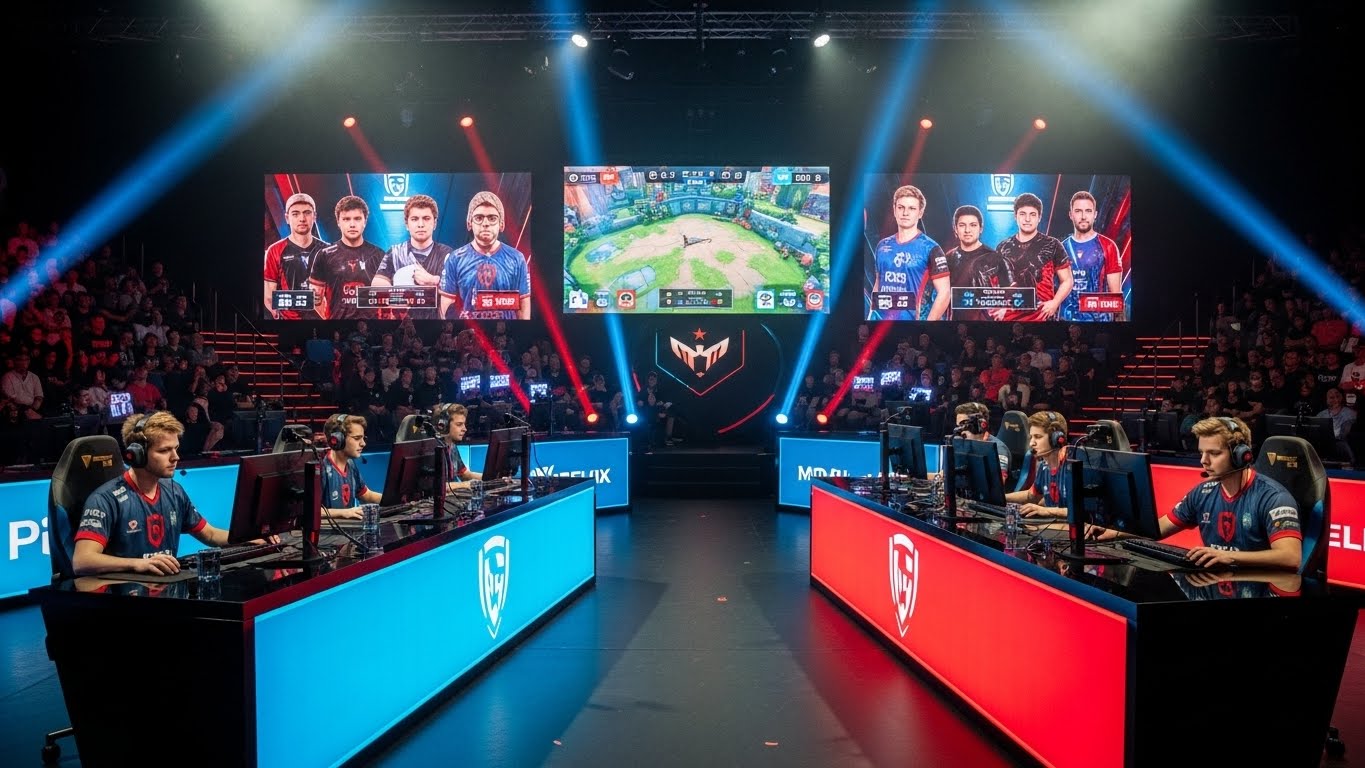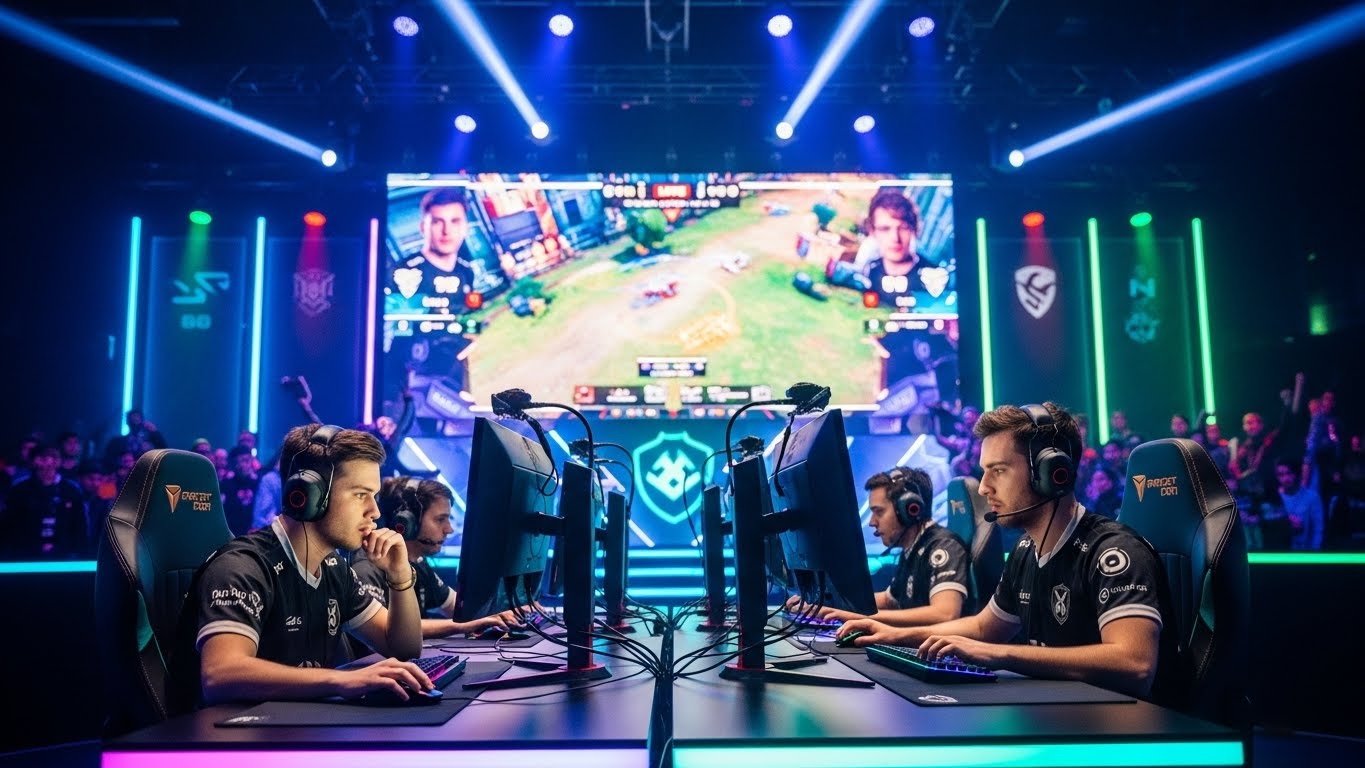
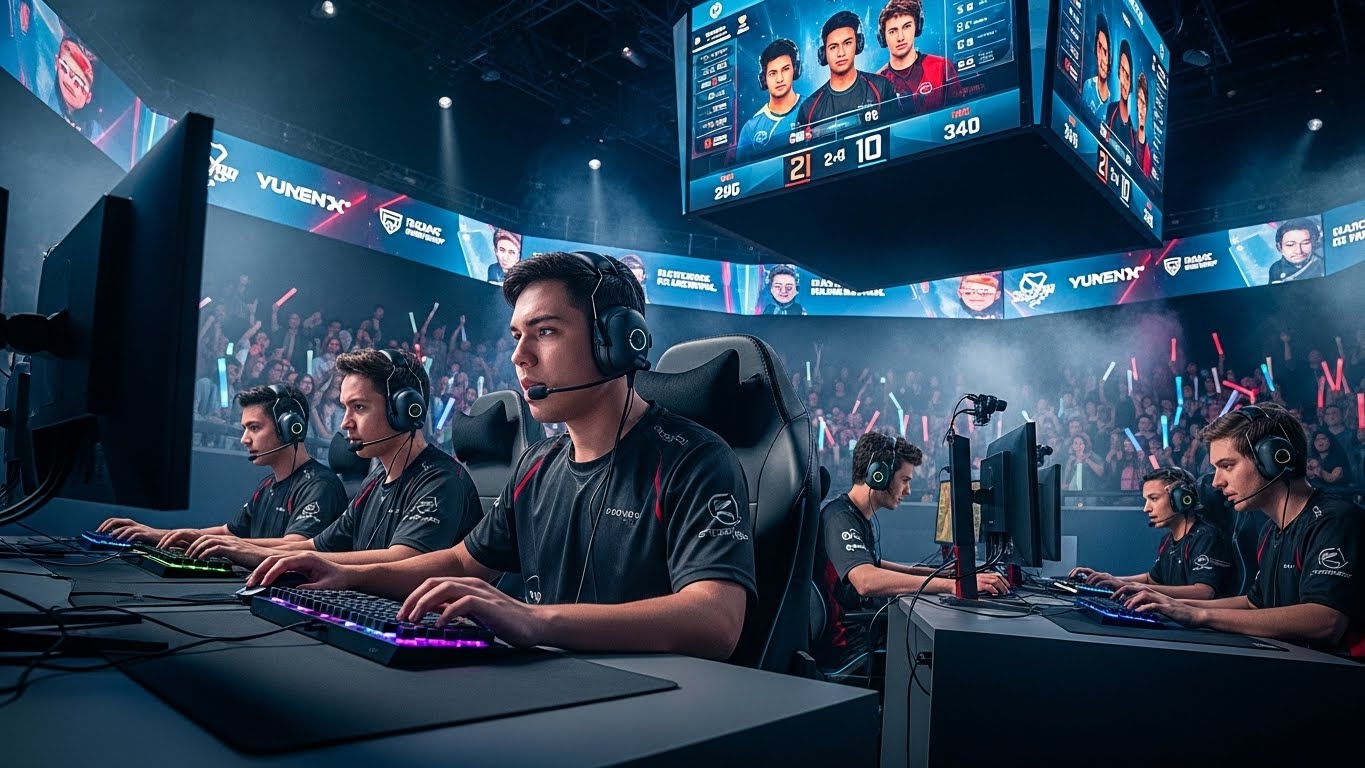
Esports, or competitive video gaming, has evolved from a niche hobby into a global phenomenon that rivals traditional sports in popularity, revenue, and cultural influence. What began as small competitions in arcades and college dorms has grown into a multi-billion-dollar industry, attracting professional players, massive audiences, and corporate sponsorships. This blog explores the rise of esports, its impact on players and communities, its psychological and social implications, and what the future holds for this dynamic sector of entertainment.
The Rise of Esports: From Arcades to Arenas
The origins of esports can be traced back to the early days of video gaming in the 1970s and 1980s. Games like Space Invaders, Pac-Man, and Street Fighter laid the foundation for competitive play, often in arcades where players challenged each other for high scores. By the 1990s, organized tournaments such as the Cyberathlete Professional League in the United States and the Red Annihilation Quake tournament became precursors to the professional esports scene.
The 2000s brought the internet revolution, which changed esports forever. Online multiplayer games like Counter-Strike, StarCraft, and Warcraft III allowed players from around the world to compete against each other in real time. Streaming platforms and video-sharing websites further amplified esports’ reach, enabling fans to watch tournaments and follow players from the comfort of their homes. Today, esports is a global industry with professional leagues, major sponsorships, and audiences that rival the Super Bowl in terms of viewership.
Popular Esports Titles and Genres
Esports encompasses a wide variety of game genres, each attracting its own dedicated fan base. Multiplayer Online Battle Arena (MOBA) games, such as League of Legends and Dota 2, are among the most popular, emphasizing strategy, teamwork, and quick reflexes. First-Person Shooters (FPS) like Counter-Strike: Global Offensive and Call of Duty test players’ precision, speed, and tactical thinking.
Real-Time Strategy (RTS) games, such as StarCraft II, focus on resource management, long-term planning, and rapid decision-making. Sports simulations like FIFA and NBA 2K recreate real-world athletic competition in digital form, appealing to fans of traditional sports. Battle Royale games, including Fortnite and PUBG, blend survival, strategy, and action, offering a fast-paced, high-stakes gaming experience. The diversity of esports titles ensures that there is something for every type of player and viewer.
The Physical and Mental Demands of Esports
Despite common misconceptions that esports is purely sedentary, professional gaming is physically and mentally demanding. Players often train for six to ten hours a day, honing their reflexes, hand-eye coordination, and strategic thinking. High-level gameplay requires intense concentration, rapid decision-making, and multitasking under pressure.
Physical health is an important aspect of esports training. Many professional players incorporate exercise routines to maintain fitness, prevent repetitive strain injuries, and improve endurance. Hand and wrist exercises, posture correction, and eye care are critical for sustaining long-term performance. Mental conditioning is equally important. Players practice mindfulness, stress management, and focus techniques to maintain composure during high-stakes matches.
The Psychological and Social Impact of Esports
Esports provides a unique blend of competition, entertainment, and social interaction. For players, it offers opportunities to develop cognitive skills such as problem-solving, strategic thinking, and quick reflexes. Participation in team-based games fosters communication, collaboration, and leadership skills.
For fans, esports offers a sense of community and belonging. Online forums, streaming platforms, and social media allow enthusiasts to connect with like-minded individuals, discuss strategies, and celebrate achievements. Spectatorship in esports can also be emotionally engaging, as fans experience excitement, suspense, and even empathy for their favorite players.
However, esports can also present psychological challenges. Intense training schedules, public scrutiny, and high-pressure environments can lead to stress, burnout, and anxiety. Maintaining a balance between professional gaming, personal life, and mental health is essential for sustainable success.
The Economic Power of Esports
Esports has emerged as a significant economic force, attracting investment from corporations, media companies, and venture capitalists. Revenue streams include tournament prize money, sponsorships, merchandise sales, advertising, and media rights. Major tournaments, such as The International for Dota 2 and the League of Legends World Championship, offer multi-million-dollar prize pools, making esports a lucrative career path for top players.
Professional teams operate like traditional sports franchises, employing coaches, analysts, and medical staff to support players. Sponsorships from technology companies, apparel brands, and energy drink manufacturers are common, highlighting the commercial appeal of esports. Streaming platforms provide additional revenue opportunities, as top players earn income through subscriptions, donations, and advertising.
Esports as an Educational and Career Path
Esports has expanded beyond entertainment to become a viable career and educational pathway. Many universities now offer scholarships for esports players, recognizing both the skill and dedication required to compete at high levels. Programs in esports management, game design, and broadcasting provide opportunities for students to pursue careers in coaching, event organization, marketing, and content creation.
Moreover, esports cultivates transferable skills applicable in other fields. Teamwork, strategic thinking, adaptability, and problem-solving are all valuable competencies in professional environments. As the industry continues to grow, esports offers pathways for diverse careers beyond just playing professionally.
The Global Reach of Esports
Esports is truly a global phenomenon. Countries in Asia, particularly South Korea and China, have long been leaders in esports development, producing professional leagues, training academies, and world-class players. North America and Europe have followed suit, with professional leagues, collegiate programs, and growing fan bases. Emerging markets in South America, the Middle East, and Southeast Asia are increasingly investing in esports infrastructure, signaling the worldwide expansion of the industry.
Global tournaments and online streaming allow players from different continents to compete and interact. This international reach fosters cross-cultural exchange, collaboration, and shared passion, making esports a unifying force in a digitally connected world.
Challenges Facing the Esports Industry
Despite its rapid growth, esports faces several challenges that must be addressed for sustainable development. Issues such as cheating, doping, match-fixing, and toxic behavior can undermine the integrity of competition. Governance structures are still evolving, with regulatory frameworks lagging behind the pace of industry growth.
Another challenge is the physical and mental well-being of players. Extended screen time, repetitive motion, and high-stress environments pose health risks that require proactive management. Inclusivity and diversity are also critical areas for improvement, as esports continues to combat gender disparities and barriers to participation for underrepresented groups.
Finally, balancing commercialization with authenticity is a concern. While sponsorships and media deals fuel industry growth, excessive monetization can compromise the community-driven and competitive spirit that makes esports unique.
The Future of Esports
The future of esports is full of potential and innovation. Advances in technology, such as virtual reality and augmented reality, may create entirely new competitive experiences. Artificial intelligence and data analytics will continue to enhance player training, strategy development, and audience engagement.
Esports is also poised to further integrate with mainstream entertainment, blurring the lines between gaming, sports, and media. Collaborations with traditional sports leagues, live events in large arenas, and expanded broadcasting opportunities will continue to raise esports’ profile. Inclusivity, health awareness, and professionalization will shape a sustainable and thriving industry for years to come.
As esports continues to evolve, it will not only entertain but also inspire, educate, and unite people worldwide. Its growth reflects the intersection of technology, culture, and human creativity, making it one of the most exciting frontiers in modern entertainment.
Conclusion
Esports is no longer a niche hobby—it is a global movement that blends competition, entertainment, and innovation. From its humble beginnings in arcades to its current status as a multi-billion-dollar industry, esports demonstrates the power of gaming to connect people, develop skills, and create economic opportunities.
The rise of esports reflects broader societal trends, including the digitalization of entertainment, the globalization of culture, and the increasing recognition of non-traditional career paths. It challenges traditional notions of sport, redefining what it means to compete, succeed, and engage with fans.
Whether as a player, fan, or industry professional, engaging with esports offers valuable experiences that extend beyond the screen. It fosters discipline, strategic thinking, teamwork, and community, while providing entertainment and inspiration on a global scale. Esports is more than just gaming—it is a dynamic, transformative force shaping the future of competition, culture, and human interaction.