Introduction: The Rise of Esports
Esports, or electronic sports, has emerged as a global phenomenon over the past two decades, transforming the way people perceive competition and entertainment. Once considered a niche hobby for gamers, esports has evolved into a multi-billion-dollar industry attracting millions of players, fans, and sponsors worldwide. From professional leagues to international tournaments, esports has developed its own culture, strategies, and communities that rival traditional sports in both popularity and intensity. This blog explores the rise of esports, its impact on players, fans, and society, and how it is reshaping the future of competitive gaming.
The Evolution of Competitive Gaming
Competitive gaming has come a long way since the early days of arcade tournaments and LAN parties. The first professional gaming competitions emerged in the 1980s and 1990s with titles like Space Invaders, Street Fighter, and StarCraft. However, the introduction of high-speed internet and streaming platforms in the 2000s accelerated esports’ growth, enabling players from different regions to compete in real time. Today, esports encompasses a wide variety of games, including first-person shooters, real-time strategy games, multiplayer online battle arenas, and sports simulations. The evolution of esports demonstrates how technology and innovation can transform entertainment into a highly competitive and organized industry.
Esports as a Career Path
Esports is no longer just a hobby; it has become a legitimate career path for many talented individuals. Professional gamers dedicate hours each day to training, strategy, and teamwork, often with support from coaches, analysts, and nutritionists. Top esports players earn substantial incomes through tournament winnings, sponsorships, streaming, and content creation. Unlike traditional sports, esports careers also offer opportunities for fans to engage directly with players through online platforms, creating unique personal brands and communities. The rise of esports careers highlights the growing recognition of gaming as a skill-based, competitive, and financially viable profession.
Mental and Cognitive Benefits of Esports
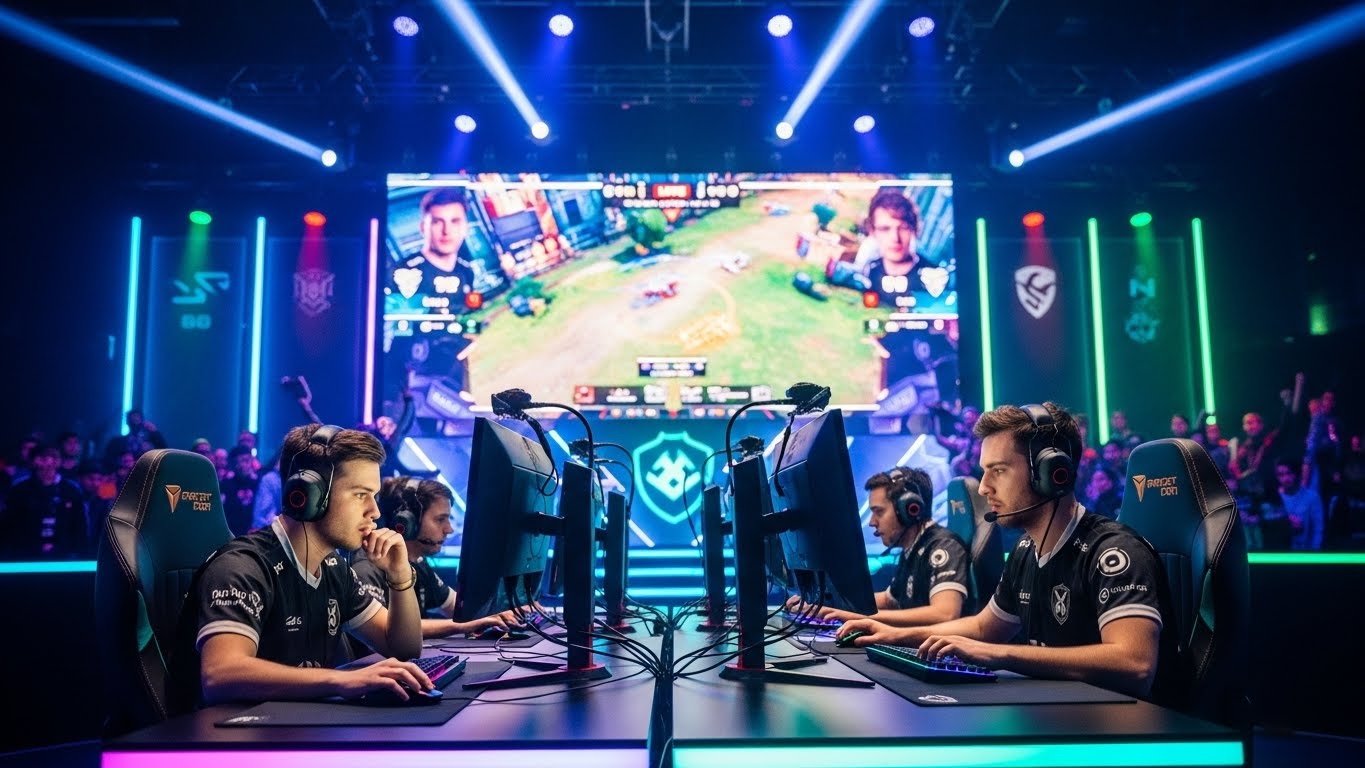
While esports may not involve physical exertion like traditional sports, it offers significant mental and cognitive benefits. Competitive gaming requires high levels of focus, quick decision-making, strategic thinking, and problem-solving. Players must analyze patterns, anticipate opponents’ moves, and adapt to rapidly changing situations, which enhances cognitive flexibility and reaction times. Additionally, teamwork and communication are essential in multiplayer games, improving social skills and collaboration. Many studies suggest that, when practiced responsibly, esports can foster critical thinking, multitasking abilities, and mental resilience, demonstrating that gaming is not just entertainment but also a form of mental exercise.
The Role of Streaming and Digital Communities
Streaming platforms and digital communities have played a critical role in the growth of esports. Platforms like Twitch and YouTube Gaming allow players to broadcast their gameplay, interact with fans, and build dedicated audiences. These streams have created a sense of community, connecting players and viewers across the globe. Fans can engage with professional players, participate in live discussions, and even influence the content they consume. Online communities also provide support networks for aspiring gamers, offering resources, mentorship, and shared knowledge. This digital ecosystem has amplified the reach of esports, transforming it into a cultural phenomenon that extends beyond competitive matches.
Esports Tournaments and Global Competitions
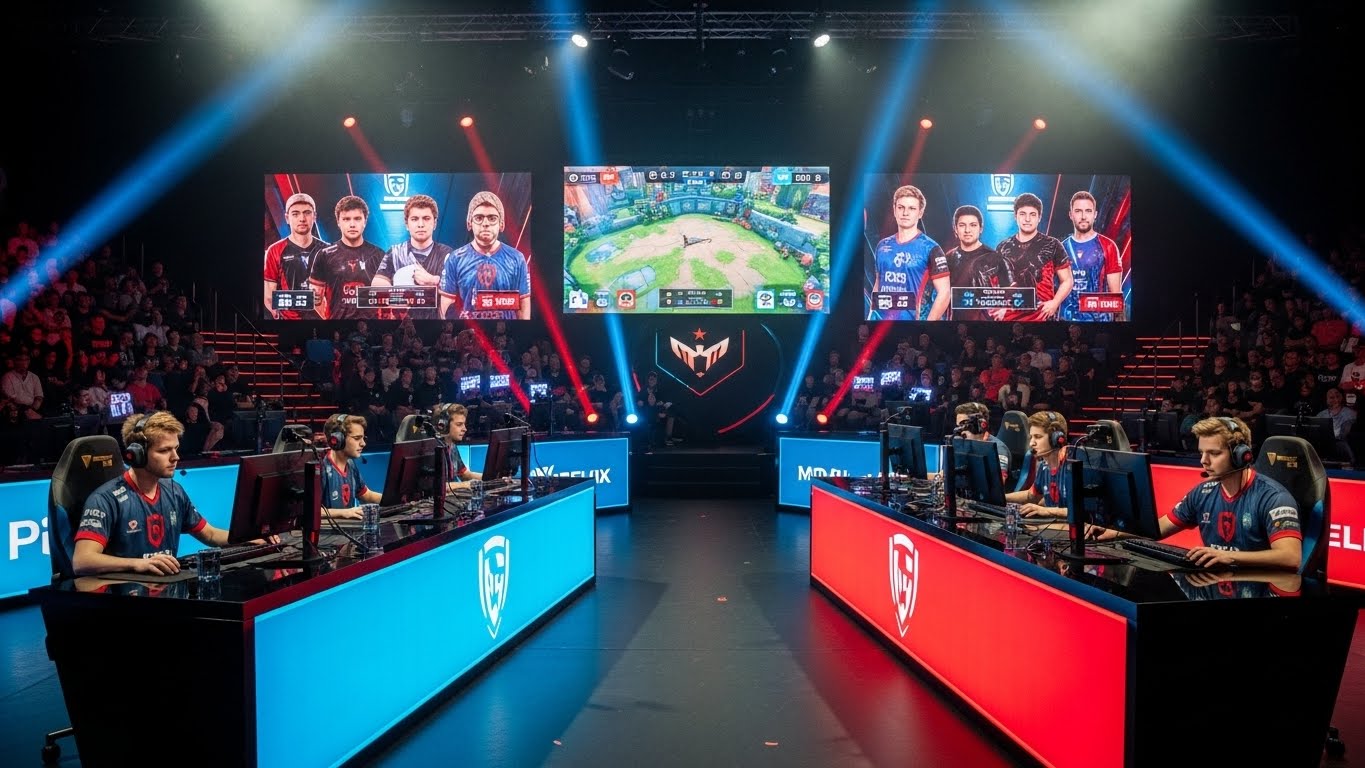
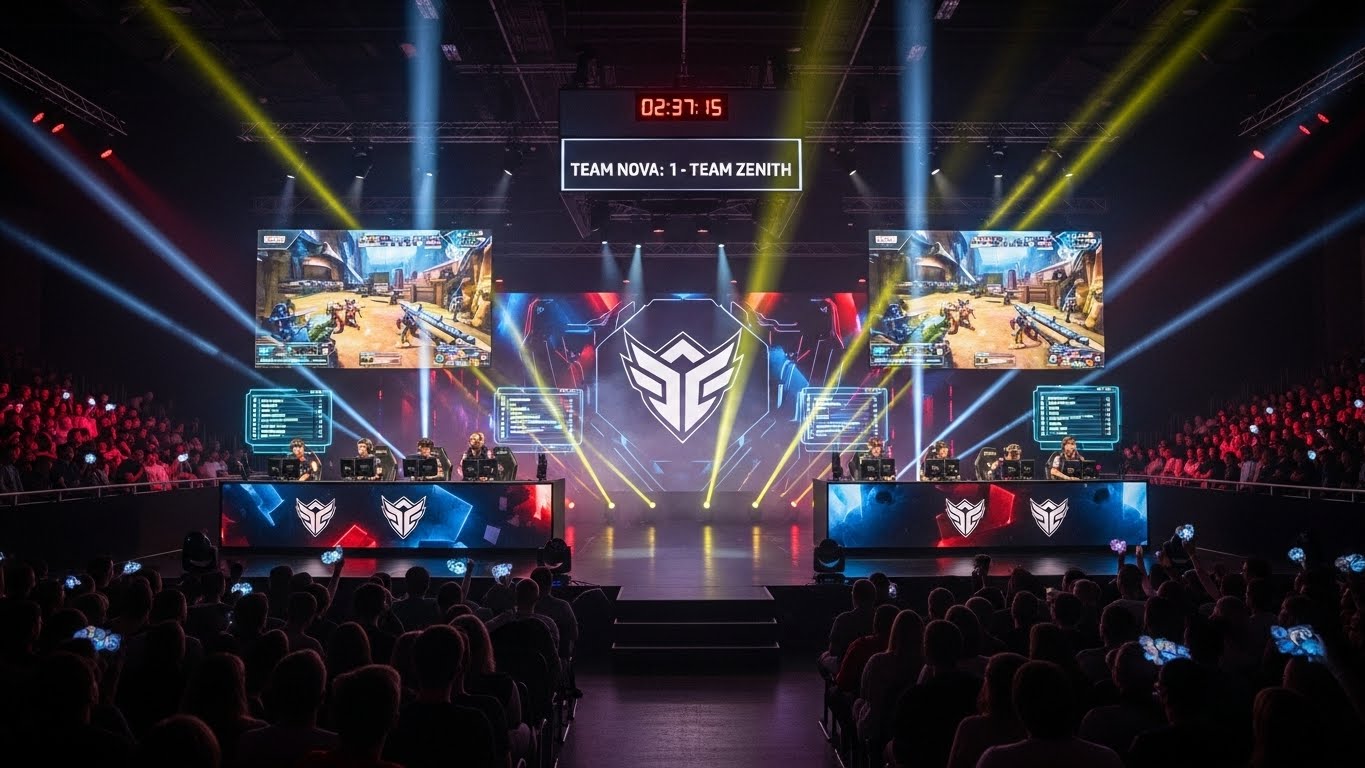
Esports tournaments are at the heart of the industry, attracting millions of viewers and significant financial investment. Events like the League of Legends World Championship, Dota 2’s The International, and the Fortnite World Cup have become global spectacles, drawing audiences comparable to major traditional sports events. These tournaments feature extensive production value, including live commentary, analysis, and entertainment segments, making them highly engaging for spectators. Players experience immense pressure, requiring both technical skill and mental toughness. The growth of international competitions demonstrates the legitimacy and mainstream appeal of esports as a professional sport.
Inclusivity and Accessibility in Esports
One of the unique strengths of esports is its accessibility. Unlike traditional sports, esports does not require physical strength, age-specific abilities, or large amounts of space. Players from diverse backgrounds, regions, and physical abilities can compete on an equal playing field. This inclusivity has allowed esports to cultivate a global community where talent is recognized regardless of socioeconomic status, gender, or geography. Additionally, the relatively low barrier to entry encourages new players to participate, experiment, and improve, fostering a culture of continuous learning and innovation.
Challenges and Controversies in Esports
Despite its rapid growth, esports faces challenges and controversies that shape the industry. Issues such as player burnout, online harassment, cheating, and mental health concerns are prevalent among competitive gamers. The intense schedules and high expectations can lead to stress and physical strain, highlighting the need for proper training, support systems, and wellness initiatives. Moreover, the esports ecosystem must address concerns regarding gambling, sponsorship ethics, and fair play to maintain credibility. By acknowledging these challenges, the industry can implement policies and resources to ensure a sustainable and positive environment for players and fans.
Esports and Traditional Sports Integration
Esports is increasingly intersecting with traditional sports, blurring the lines between physical and digital competition. Many professional sports organizations have launched esports divisions, integrating gaming into their brand strategies and fan engagement. Virtual simulations of football, basketball, and racing have gained popularity, attracting both gamers and sports enthusiasts. This convergence highlights the evolving definition of sports in the digital age and demonstrates how technology can complement and expand traditional athletic experiences. The integration also creates new business opportunities, sponsorship deals, and cross-promotional events that further elevate esports on the global stage.
The Future of Esports
The future of esports is promising, with technological advancements and societal acceptance driving continued growth. Innovations such as virtual reality, augmented reality, and artificial intelligence are poised to revolutionize the way games are played and watched. Esports may become even more immersive, interactive, and personalized, offering new ways for fans to experience competition. Educational institutions are also recognizing esports, offering scholarships, courses, and programs to develop talent and professional skills. As the industry matures, esports will continue to redefine entertainment, sportsmanship, and career opportunities, solidifying its place in mainstream culture.
Conclusion: Embracing the Esports Revolution
Esports is no longer a fringe activity; it has become a cultural and professional powerhouse with far-reaching implications. It challenges traditional notions of sports, offering unique cognitive, social, and career opportunities while fostering global communities. From local players aspiring to compete professionally to fans engaging through live streams, esports has created a dynamic ecosystem that continues to evolve. While challenges exist, the industry’s rapid growth and innovation demonstrate its resilience and potential. Embracing esports means recognizing the skill, strategy, and dedication it requires, and understanding that competitive gaming is a legitimate and transformative force in modern society. As technology and culture continue to evolve, esports is poised to redefine what it means to compete, connect, and achieve in the 21st century.