Introduction: The Rise of Competitive Gaming
Esports, once dismissed as a niche hobby for gamers, has grown into one of the most influential entertainment industries of the modern era. Competitive video gaming now fills massive arenas, attracts millions of online viewers, and generates revenues comparable to traditional sports. What began as small local tournaments has evolved into a global ecosystem involving professional players, teams, sponsors, broadcasters, and passionate fans. Esports is no longer just about playing games; it is about culture, community, and competition on an international scale.
Understanding What Esports Really Is
At its core, esports refers to organized, competitive video gaming where individuals or teams compete in structured tournaments. These competitions span multiple genres, including strategy-based games, first-person shooters, sports simulations, and multiplayer online battle arenas. Unlike casual gaming, esports demands discipline, teamwork, strategic thinking, and rapid decision-making. Players train for hours each day, analyze opponents, and work closely with coaches and analysts to improve performance. This professional approach is what separates esports from recreational gaming.
A Brief History of Esports
The roots of esports can be traced back to early gaming competitions held decades ago, where players gathered to test their skills on arcade machines or early home consoles. Over time, the rise of personal computers and internet connectivity transformed competitive gaming. Online multiplayer modes allowed players from different regions to compete, leading to larger tournaments and broader audiences. As streaming technology improved, fans could watch matches live, turning esports into a spectator sport. This accessibility played a crucial role in accelerating its global popularity.
The Games That Shaped the Industry
Esports thrives on games designed with competition in mind. These titles are balanced, constantly updated, and supported by developers who understand the importance of fair play. Strategy games emphasize long-term planning and adaptability, while action-based games reward precision, reflexes, and teamwork. Each game brings its own community, rivalries, and legends, contributing to the diversity of the esports landscape. The success of esports is closely tied to how these games evolve and how well they engage both players and viewers.
Professional Players and Team Dynamics
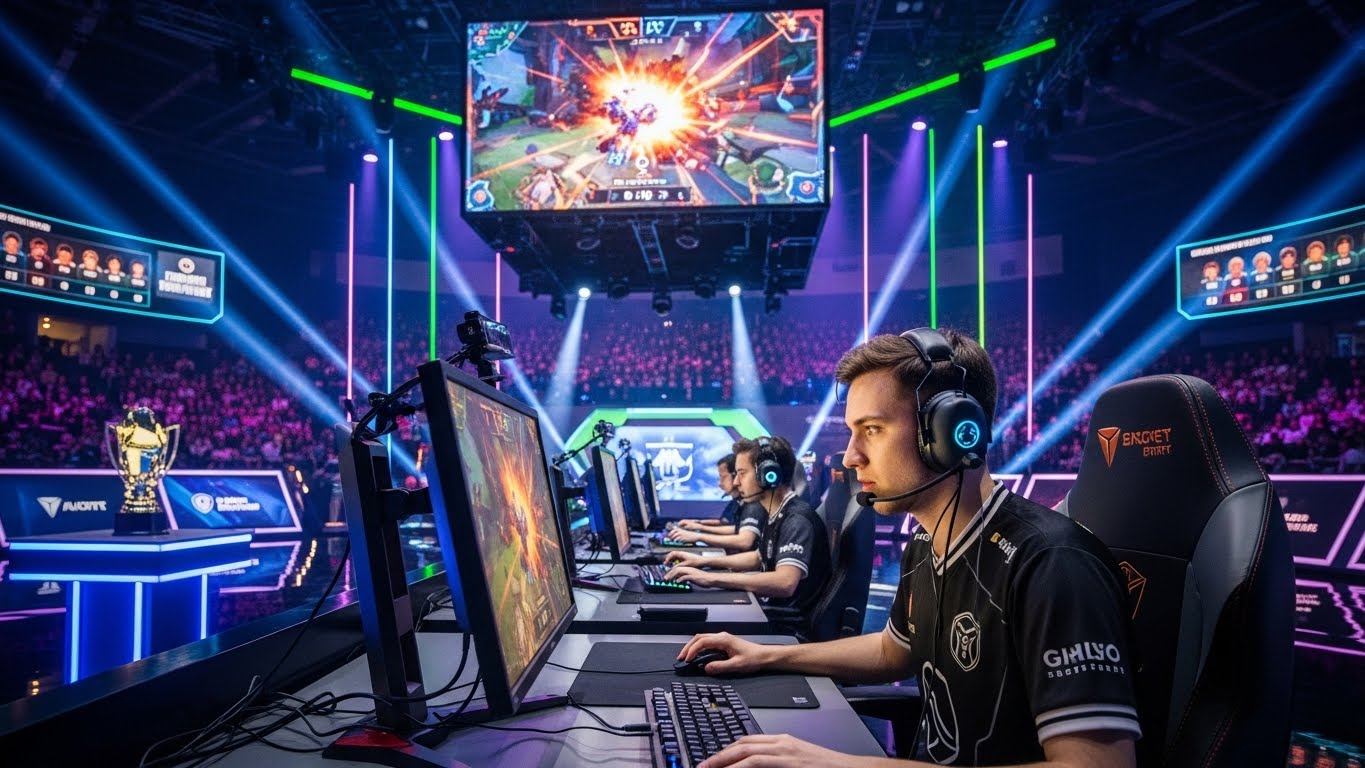
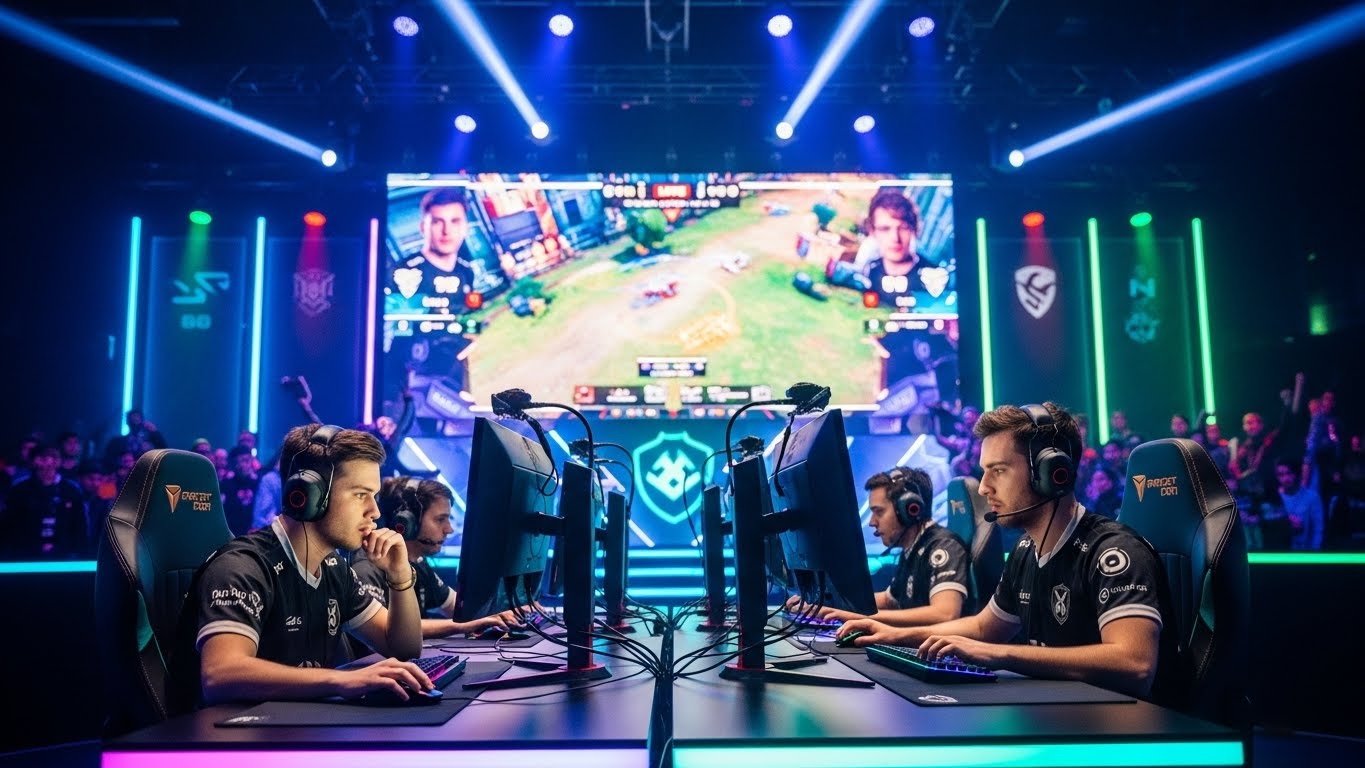
Esports athletes are often compared to traditional sports professionals, and for good reason. They follow strict training schedules, maintain physical and mental health routines, and compete under intense pressure. Teams function as cohesive units, with each player specializing in specific roles. Communication, trust, and coordination are critical, as a single mistake can change the outcome of a match. Behind the scenes, coaches, analysts, and support staff work tirelessly to prepare teams for competition, highlighting the depth and professionalism of the industry.
The Role of Technology in Esports Growth
Technology has been the backbone of esports expansion. High-speed internet, powerful gaming hardware, and advanced broadcasting tools have made it possible to host and watch competitions from anywhere in the world. Spectators can view matches from multiple angles, access real-time statistics, and engage with communities during live events. Innovations such as virtual reality and augmented reality are also beginning to influence how fans experience esports, suggesting that the future will be even more immersive.
Esports as a Spectator Experience
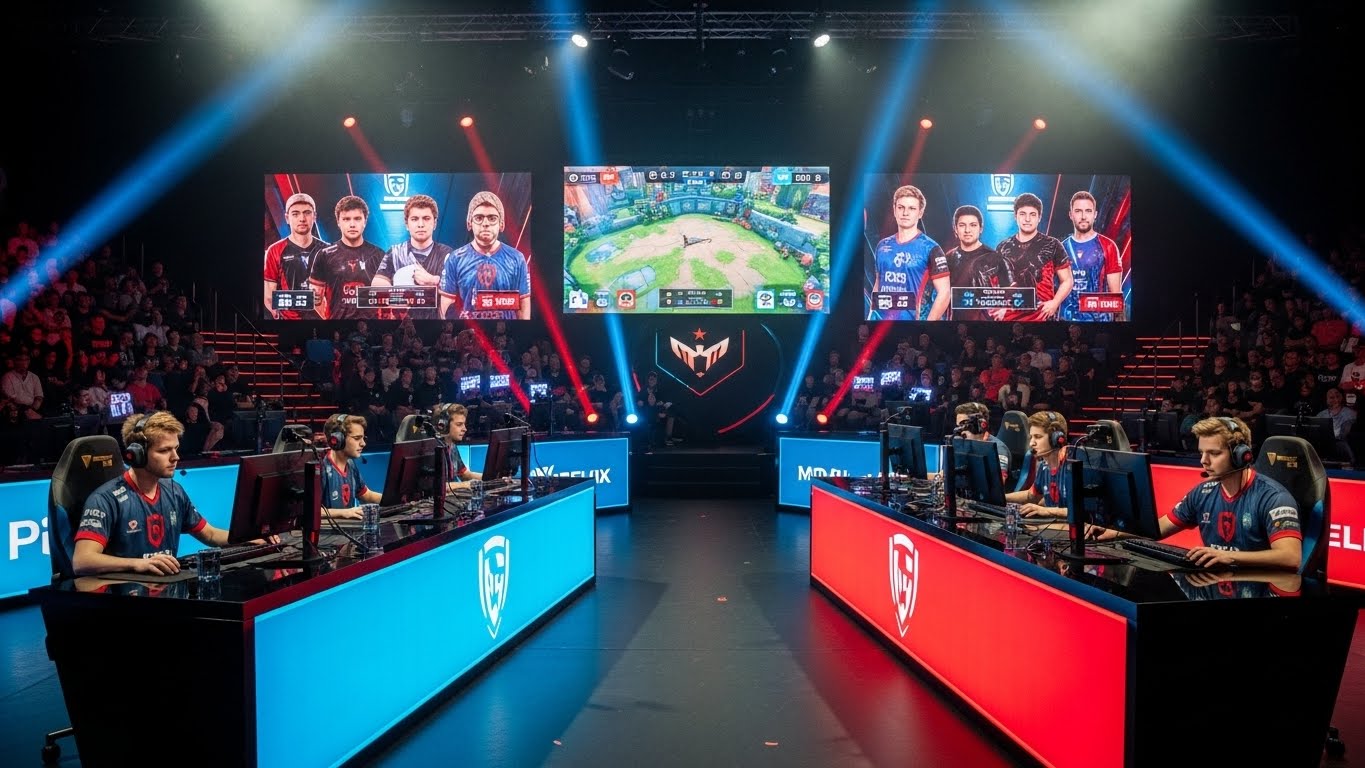
Watching esports is no longer limited to hardcore gamers. Broadcasters and event organizers have refined production quality, incorporating professional commentary, detailed analysis, and engaging storytelling. These elements help new viewers understand the action while keeping experienced fans invested. Live events create an atmosphere similar to major sporting finals, with cheering crowds, dramatic moments, and emotional victories. This shared experience strengthens the bond between fans and the esports community.
Economic Impact and Career Opportunities
The esports industry has created a wide range of career paths beyond professional playing. Opportunities exist in event management, marketing, content creation, coaching, journalism, and game development. Brands invest heavily in sponsorships, recognizing the value of reaching a young, digitally engaged audience. Prize pools for major tournaments continue to grow, reflecting the increasing financial stability of the industry. Esports has proven that passion for gaming can translate into sustainable careers.
Cultural Influence and Global Reach
Esports transcends geographical and cultural boundaries. Players from different countries compete on equal footing, united by shared rules and objectives. This global nature fosters cultural exchange and mutual respect among communities. Esports also influences fashion, music, and online culture, shaping trends that extend beyond gaming. For many young people, esports provides a sense of identity and belonging in an increasingly digital world.
Challenges Facing the Esports Industry
Despite its success, esports faces several challenges. Issues such as player burnout, fair compensation, and long-term career stability require ongoing attention. Maintaining competitive integrity is also essential, as cheating or unethical behavior can undermine trust. Additionally, the industry must continue to balance rapid growth with sustainable practices to ensure its longevity. Addressing these challenges will determine how esports evolves in the coming years.
The Future of Esports
Looking ahead, esports shows no signs of slowing down. Increased recognition from educational institutions, mainstream media, and even traditional sports organizations suggests a future of greater integration. As technology advances and audiences expand, esports will continue to redefine what competition and entertainment mean in the digital age. The next generation of players and fans will shape an industry that is still writing its story.
Conclusion: More Than Just a Game
Esports is far more than competitive gaming; it is a reflection of how technology, culture, and human ambition intersect. It has transformed screens into stadiums and players into global icons. As esports continues to grow, it challenges outdated perceptions and proves that digital competition can be just as meaningful and inspiring as any traditional sport. In doing so, esports has secured its place as a defining phenomenon of the modern era.