Introduction: The Emergence of a New Sporting World
Esports has rapidly evolved from a hobby enjoyed by a small community into a global competitive industry. What was once viewed as casual gaming has now transformed into a professional ecosystem featuring elite athletes, massive tournaments, international audiences, and significant economic impact. Esports represents the convergence of technology, entertainment, and competition, offering a new definition of what it means to be an athlete in the digital era. This blog explores the growth, structure, cultural influence, challenges, and future of esports as one of the most dynamic industries of the modern age.
The Early Foundations of Esports
The origins of esports can be traced back to early video game competitions held in arcades and universities. Players competed for high scores, recognition, and simple rewards. These early contests were informal but laid the groundwork for competitive gaming culture. As technology advanced, multiplayer gaming became more accessible, allowing players to challenge opponents beyond local settings.
The development of personal computers, gaming consoles, and internet connectivity marked a turning point. Online multiplayer modes enabled global competition, while ranking systems introduced structured progression. Competitive gaming communities began to form, and organized tournaments gained popularity, setting the stage for professional esports.
Defining Esports in the Modern Era
Esports refers to organized, competitive video gaming played at a professional level. Unlike casual gaming, esports requires disciplined practice, strategic thinking, and consistent performance. Players compete individually or in teams under standardized rules, often for rankings, championships, and financial rewards.
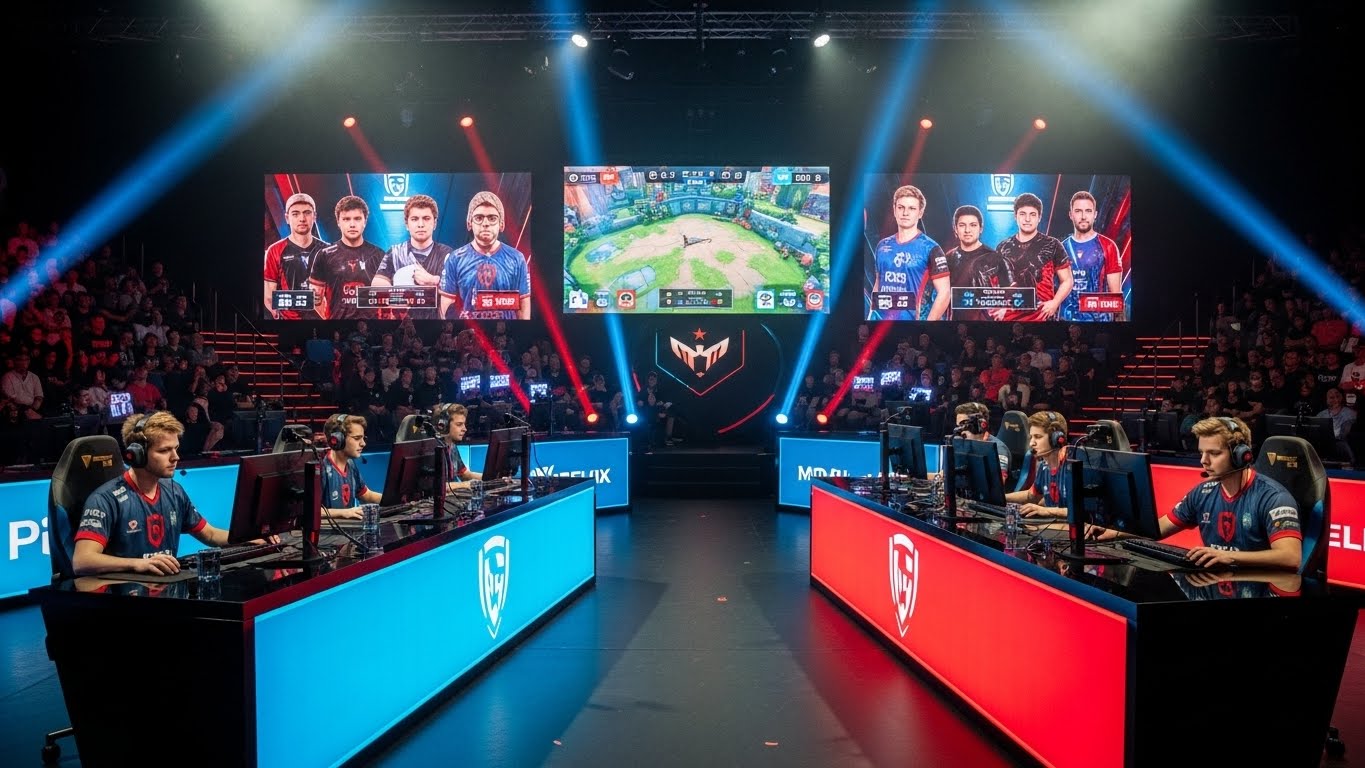
Professional esports features leagues, tournaments, coaching staff, analysts, and support teams. Matches are regulated to ensure fairness, and players are expected to adhere to codes of conduct. This structured environment mirrors traditional sports, solidifying esports as a legitimate competitive discipline.
Popular Esports Genres and Competitive Formats
Esports encompasses a wide variety of game genres, each demanding unique skills and strategies. Multiplayer online battle arena games focus on teamwork, map awareness, and strategic decision-making. First-person shooters emphasize precision, reflexes, and communication. Real-time strategy games reward long-term planning, adaptability, and resource management. Sports simulation games digitally recreate traditional athletics, blending realism with competitive depth.
The diversity of genres allows esports to attract a broad audience and player base. Each format offers a distinct competitive experience, ensuring that esports continues to evolve and remain engaging across different demographics.
The Daily Life of a Professional Esports Player
Becoming a professional esports player requires dedication and discipline. Many players begin training at a young age, spending years refining their skills. Daily routines often include extended practice sessions, reviewing gameplay footage, physical exercise, and mental training. Contrary to stereotypes, professional players maintain structured schedules to optimize performance and prevent burnout.
Team-based esports demand strong communication and cooperation. Players must understand their roles, coordinate strategies, and adapt quickly during matches. Coaches and analysts provide guidance by studying opponents, refining tactics, and helping players improve consistency. At the highest level, esports success depends on preparation as much as raw talent.
Esports as a Global Entertainment Phenomenon
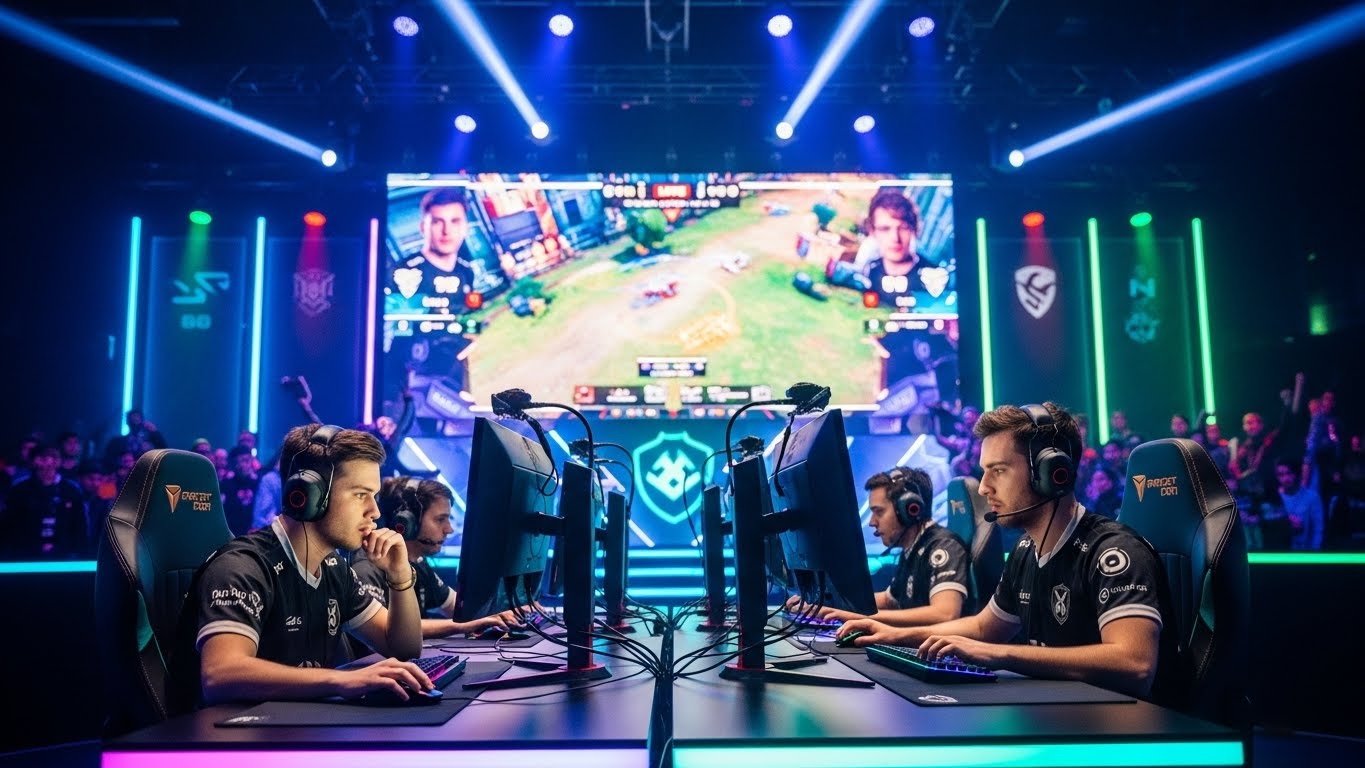
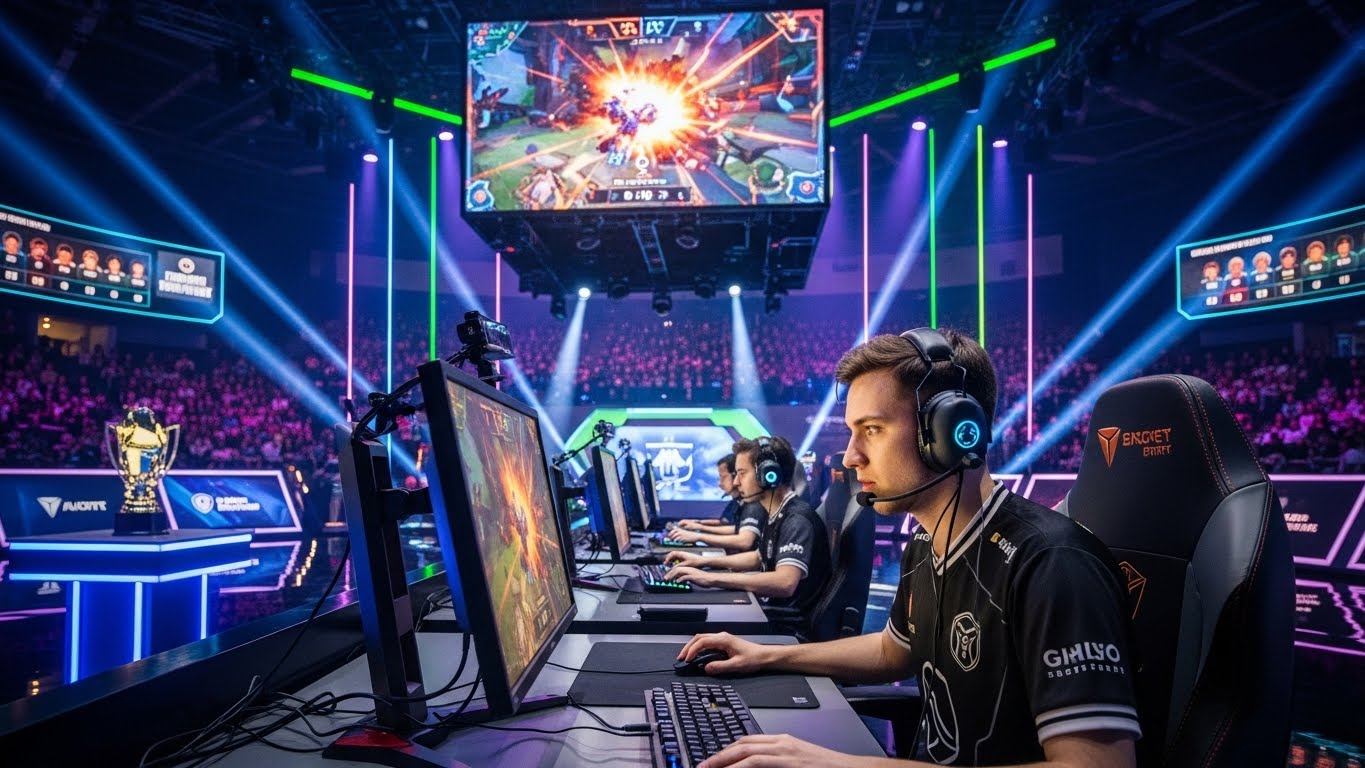
Esports has grown into a major form of entertainment, captivating millions of viewers worldwide. Spectators are drawn to intense competition, dramatic comebacks, and the personalities of elite players. Live tournaments create electric atmospheres, combining high-level gameplay with professional production, commentary, and audience engagement.
Digital platforms enable fans to watch matches in real time and interact with communities. This level of accessibility and engagement strengthens fan loyalty and creates a sense of shared experience. Esports thrives not only on competition but also on storytelling, rivalries, and evolving narratives.
Economic Growth and Industry Expansion
The esports industry has experienced remarkable economic growth. Revenue streams include sponsorships, advertising, merchandise, media rights, and ticket sales. Professional teams operate as organizations with branding strategies, management structures, and long-term business plans. Major tournaments offer substantial prize pools, attracting global talent and investment.
Beyond players, esports supports a wide range of careers. Opportunities exist in coaching, broadcasting, event management, marketing, content creation, and game development. Educational institutions now offer programs related to esports management, reflecting the industry’s growing legitimacy and sustainability.
Cultural Influence and Global Connectivity
Esports transcends cultural and geographical boundaries. Players from different countries compete on equal footing, united by shared rules and digital platforms. International tournaments showcase diverse playstyles and strategies, highlighting how culture influences competition.
Esports has also shaped modern youth culture. Gaming terminology, fashion, and online behavior have entered mainstream culture. Professional players have become role models, demonstrating dedication, resilience, and innovation. As esports gains recognition, it continues to influence how younger generations view competition and career possibilities.
Challenges Facing the Esports Industry
Despite its success, esports faces several challenges. Player burnout is a significant concern due to intense practice schedules and high expectations. Organizations are increasingly recognizing the importance of mental health support, physical fitness, and balanced lifestyles.
Maintaining competitive integrity is another critical issue. Cheating, match-fixing, and unfair practices threaten trust within the community. Strong governance, transparent rules, and ethical standards are essential to preserving esports credibility. Inclusivity and diversity also remain ongoing priorities, as the industry works to create safe and welcoming environments for all participants.
The Role of Technology in Esports Advancement
Technology is the foundation of esports. Advances in gaming hardware, software optimization, and network infrastructure ensure smooth and fair competition. Broadcasting technology enhances viewer experience through high-quality visuals, instant replays, and detailed analysis.
Emerging innovations such as artificial intelligence and data analytics are reshaping training methods. Players can analyze performance metrics, identify weaknesses, and refine strategies more efficiently. As technology continues to evolve, esports will benefit from improved performance, accessibility, and innovation.
Esports and Traditional Sports Connections
Esports and traditional sports are increasingly interconnected. Many traditional sports organizations have invested in esports teams, recognizing similarities in competition, fandom, and entertainment value. Training methods from physical sports, such as nutrition planning and mental conditioning, are being adopted by esports athletes.
This convergence highlights a shared future where digital and physical sports coexist. Rather than replacing traditional sports, esports expands the definition of athletic competition, appealing to new audiences and generations.
The Future of Esports
The future of esports is promising and dynamic. Continued technological advancement, wider acceptance, and professional regulation will drive further growth. Grassroots programs and amateur leagues will nurture new talent, ensuring a steady pipeline of future professionals.
New games, innovative tournament formats, and interactive viewing experiences will keep esports fresh and engaging. As global connectivity improves, esports will reach even broader audiences, reinforcing its position as a defining feature of digital culture.
Conclusion: Beyond Gaming
Esports is far more than competitive gaming. It represents a new form of sport shaped by technology, creativity, and global collaboration. By blending strategy, skill, and entertainment, esports challenges traditional notions of competition and opens new possibilities for athletes and fans alike.
As esports continues to evolve, it reflects humanity’s ability to adapt and innovate in a digital world. Its influence on culture, economy, and community is undeniable, proving that meaningful competition can thrive beyond physical boundaries. Esports is not just a trend; it is a lasting pillar of modern entertainment and sport.