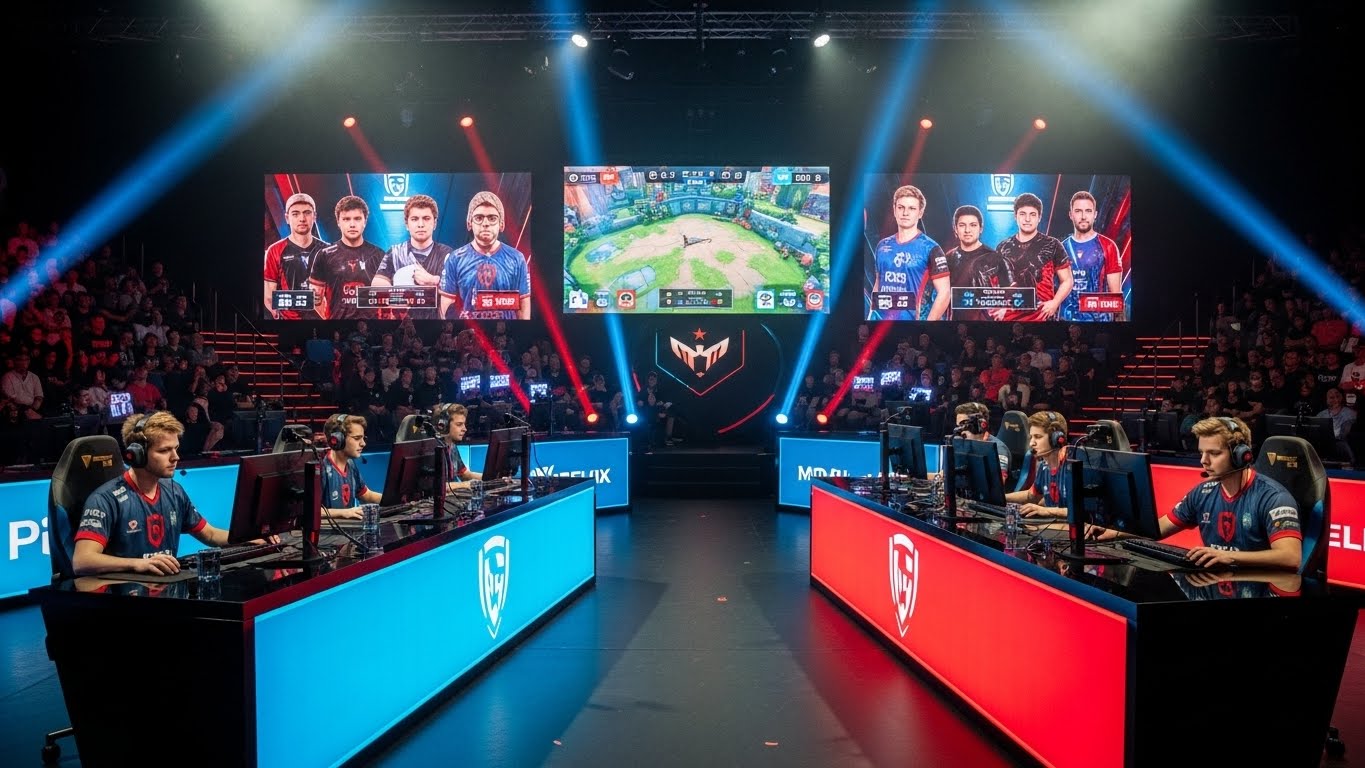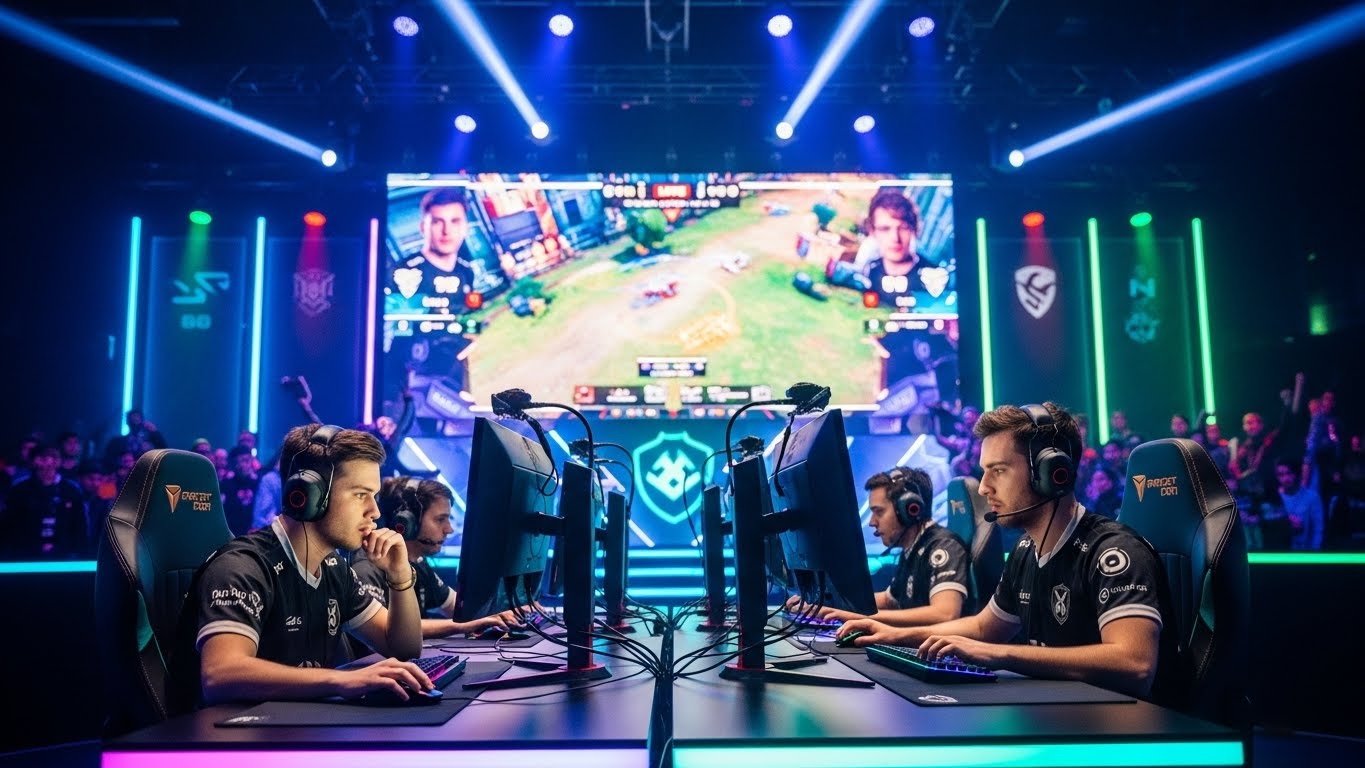
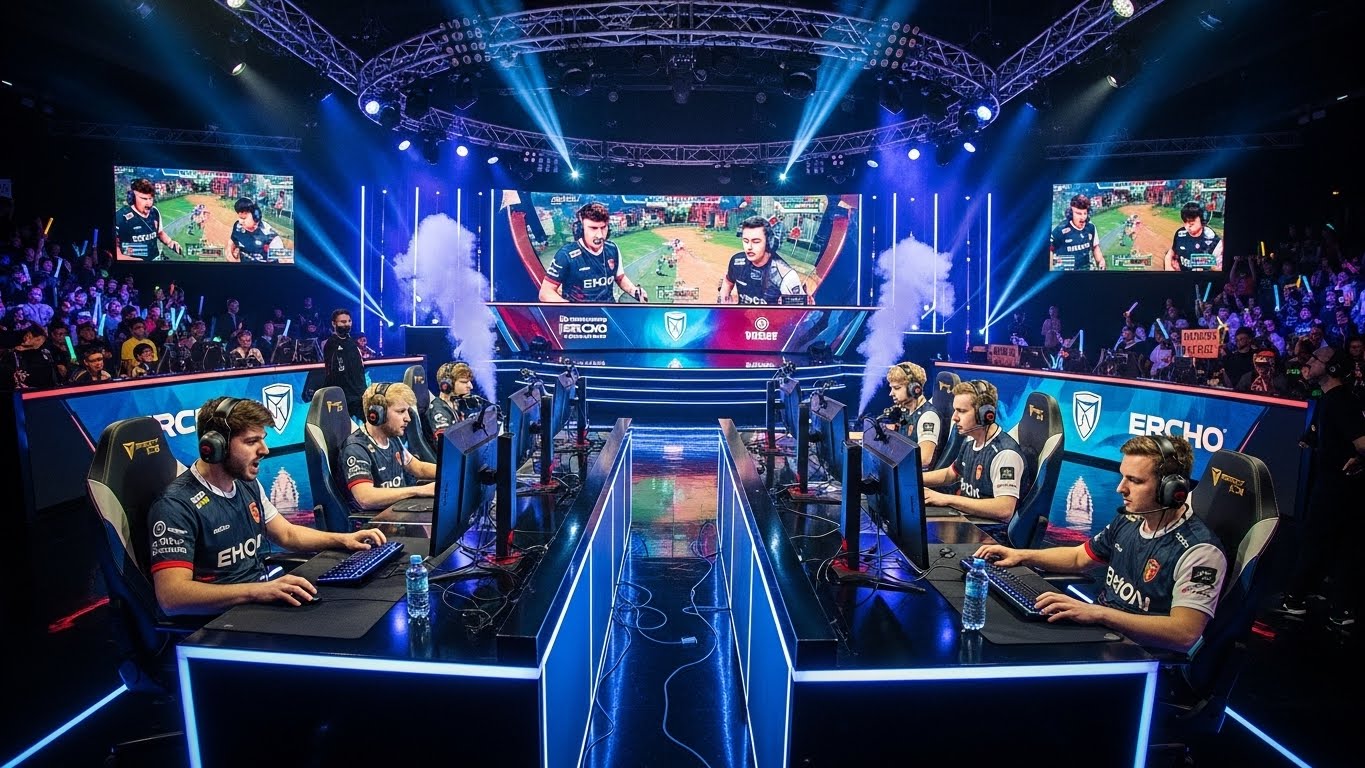
Esports has rapidly transformed from a casual digital pastime into a global competitive industry that commands massive audiences, professional organizations, and cultural respect. Once viewed as simple gaming, esports now stands at the intersection of technology, entertainment, and competition. It has redefined how people play, watch, and understand sports in the digital era. This blog explores the origins of esports, its growth, its social and economic impact, and its role in shaping the future of competitive entertainment.
Understanding Esports and Its Core Identity
Esports, short for electronic sports, refers to organized competitive video gaming where individuals or teams compete in structured tournaments. Unlike casual gaming, esports demands high-level skill, strategic thinking, and disciplined practice. Professional players train rigorously, analyze gameplay, and perform under pressure much like athletes in traditional sports.
What sets esports apart is its digital foundation. The competition occurs in virtual environments, yet the intensity, preparation, and emotional investment are very real. Esports blends mental agility, reflex precision, and teamwork, making it a modern form of athletic competition suited to a technology-driven world.
The Early Beginnings of Competitive Gaming
The roots of esports can be traced back to the early days of video games when players competed for high scores in arcades. In the late twentieth century, local gaming competitions began to emerge, fueled by the growing popularity of home consoles and personal computers. These early events were small but planted the idea that gaming could be competitive and spectator-driven.
The rise of the internet marked a turning point. Online multiplayer games allowed players from different regions to compete in real time, expanding competition beyond physical locations. As communities formed around specific games, tournaments became more organized, leading to the first professional gaming leagues. What started as informal challenges gradually evolved into a structured global industry.
Popular Esports Genres and Competitive Games
Esports includes a wide range of game genres, each offering a unique competitive experience. Multiplayer online battle arena games emphasize teamwork, strategic coordination, and fast-paced decision-making. These games require players to master individual roles while contributing to a collective objective.
First-person shooter games focus on accuracy, reaction speed, and tactical positioning. Success depends on sharp reflexes and effective communication among teammates. Real-time strategy games demand long-term planning, resource management, and mental endurance, often rewarding players with superior strategic vision.
Sports simulation games recreate real-world athletic competitions in digital form, appealing to both gamers and traditional sports fans. Battle-based survival games add unpredictability, requiring players to adapt constantly in dynamic environments. This diversity allows esports to attract a wide and varied audience.
The Skill and Discipline Behind Professional Esports
Becoming a professional esports player requires more than talent. It demands discipline, consistency, and mental resilience. Top players dedicate many hours each day to training, refining mechanics, studying opponents, and improving teamwork. Practice sessions often include reviewing gameplay footage, developing strategies, and coordinating with coaches and analysts.
Mental performance is crucial. Players must make split-second decisions under intense pressure while maintaining focus for extended periods. Emotional control plays a significant role, as confidence and composure can determine the outcome of matches. Esports professionals often work with psychologists and performance coaches to strengthen concentration and stress management.
Physical and Mental Health in Esports
Although esports is digitally based, physical health remains important. Extended gaming sessions can strain the eyes, wrists, and posture if not managed properly. Professional players increasingly adopt fitness routines, stretching exercises, and ergonomic setups to maintain long-term health.
Mental health is equally critical. The competitive nature of esports, combined with public scrutiny and high expectations, can lead to burnout and anxiety. Maintaining balance between training, rest, and personal life is essential. As awareness grows, organizations are investing more in player well-being, recognizing that health directly impacts performance.
The Social Power of Esports Communities
Esports is not just about competition; it is also about community. Fans gather to watch tournaments, discuss strategies, and support their favorite teams. Online platforms allow people from different cultures and backgrounds to connect through shared passion, creating a sense of belonging.
For many individuals, esports communities provide social interaction and identity. Team-based games encourage communication, cooperation, and mutual respect. Friendships and professional networks often form within these digital spaces, demonstrating how esports can foster meaningful social connections beyond physical boundaries.
Economic Growth and Industry Expansion
The esports industry has experienced remarkable economic growth. Revenue comes from tournament prizes, sponsorships, merchandise, advertising, and media coverage. Professional teams operate as structured organizations, employing players, coaches, analysts, and support staff.
Major tournaments fill large arenas and attract millions of online viewers. This popularity has drawn investment from major brands and entertainment companies, further fueling expansion. Esports has also created employment opportunities in areas such as event management, broadcasting, content creation, and game development.
Education and Career Opportunities in Esports
Esports has gained recognition as a legitimate educational and career pathway. Many academic institutions now offer esports programs, scholarships, and specialized courses. These programs combine gaming with education in management, technology, marketing, and communication.
Careers in esports extend far beyond playing professionally. Opportunities exist in coaching, analytics, journalism, event organization, and digital media. The skills developed through esports, such as teamwork, strategic thinking, and adaptability, are valuable across many industries.
Global Reach and Cultural Influence
Esports has a truly global presence. Competitive gaming thrives across continents, with different regions developing unique styles and strengths. International tournaments bring together players from around the world, promoting cultural exchange and mutual respect.
The influence of esports extends into mainstream culture. It has shaped fashion, language, entertainment, and digital media trends. Esports athletes are increasingly recognized as public figures, inspiring younger generations to pursue gaming with purpose and discipline.
Challenges Facing the Esports World
Despite its success, esports faces challenges. Issues such as cheating, unethical behavior, and lack of standardized regulation can threaten competitive integrity. The rapid growth of the industry has sometimes outpaced the development of governance structures.
Inclusivity is another ongoing concern. Efforts are being made to create safer, more welcoming environments for diverse participants. Addressing these challenges is essential to ensuring that esports continues to grow in a positive and sustainable manner.
The Future of Esports Competition
The future of esports is filled with possibility. Advances in technology will continue to enhance gameplay, training, and viewer experiences. As esports integrates further with mainstream entertainment, it is likely to gain even broader acceptance and recognition.
Greater focus on player health, fair competition, and community values will shape the next phase of growth. Esports has the potential to redefine competition for future generations, blending digital innovation with human ambition.
Conclusion
Esports represents a powerful shift in how competition and entertainment are experienced in the modern world. From humble beginnings to global prominence, it has proven that skill, dedication, and teamwork are not limited to physical arenas. Esports challenges traditional definitions of sport while offering new opportunities for connection, creativity, and professional growth.
As technology continues to evolve, esports will remain at the forefront of digital culture. It is more than gaming; it is a reflection of how humanity competes, collaborates, and connects in an increasingly digital age. The rise of esports is not just a trend, but a defining movement of contemporary competition.