Introduction: The Rise of Competitive Gaming
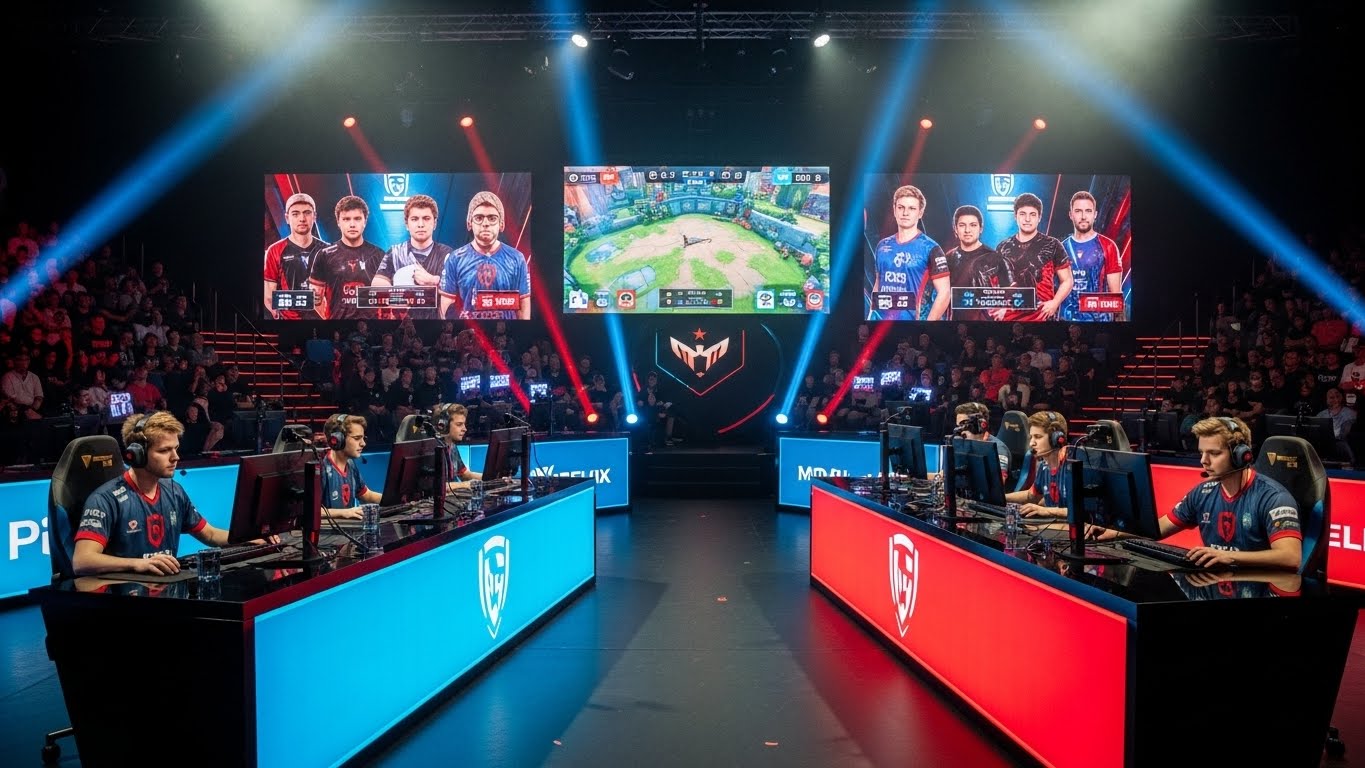
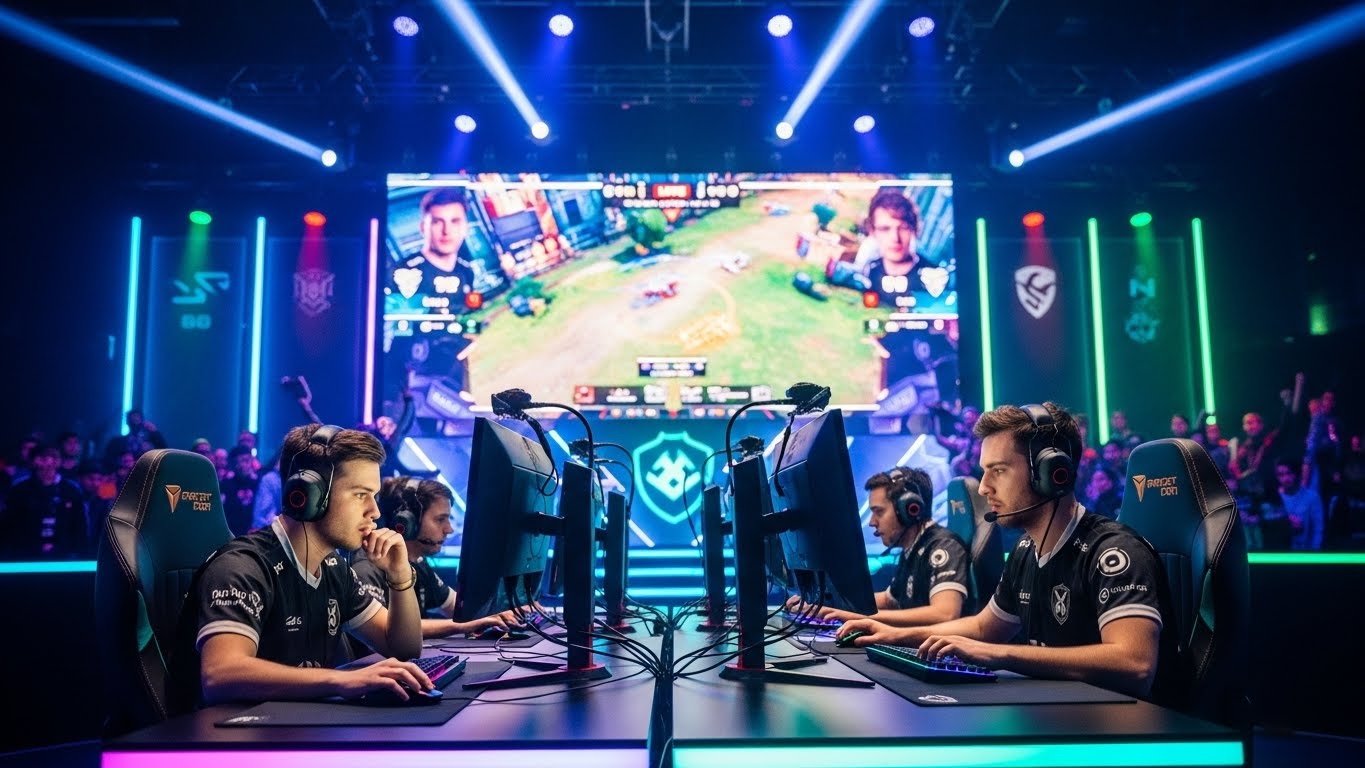
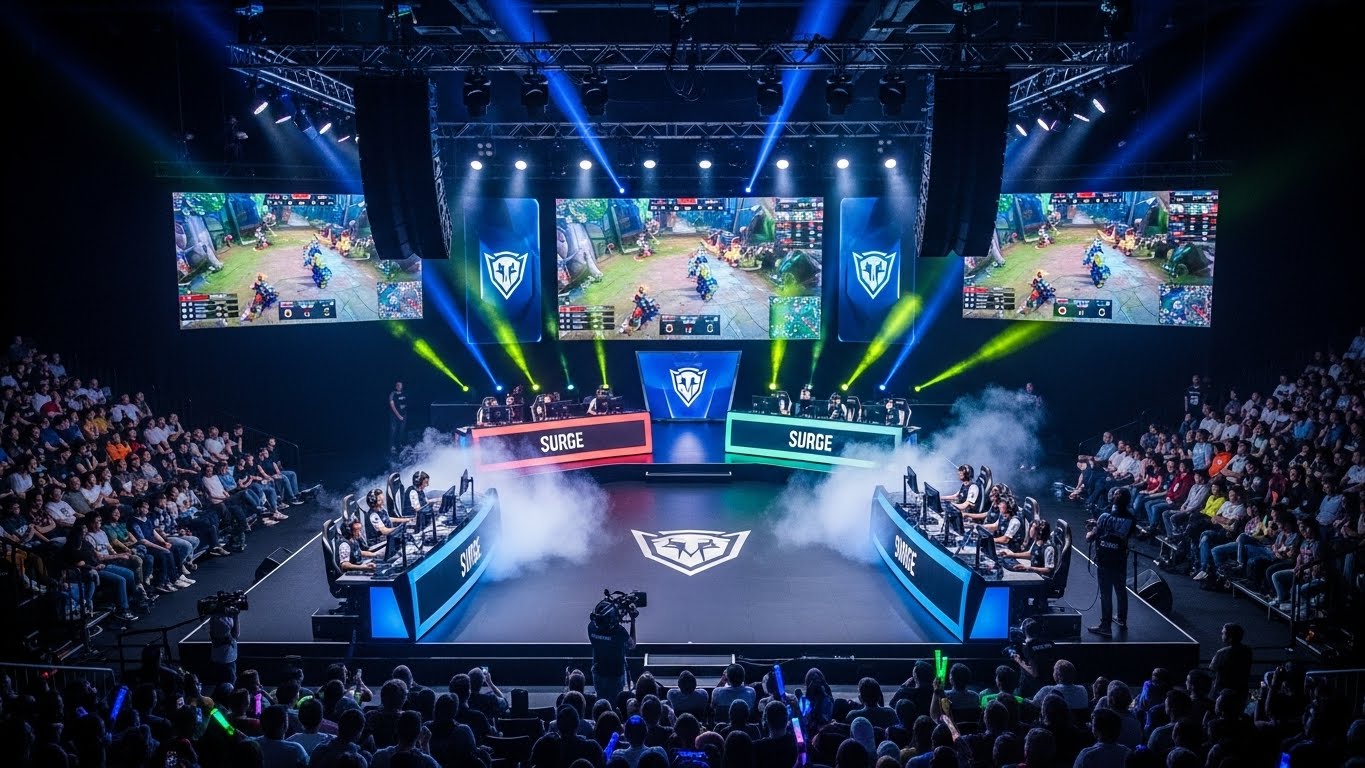
Over the last two decades, the world has witnessed a transformation in how entertainment, competition, and digital culture intersect. What began as small gatherings of gaming enthusiasts has evolved into a multibillion-dollar global spectacle known as esports. The term refers to organized, competitive video gaming where skilled players face off in tournaments watched by audiences both in person and online. Esports has grown far beyond its niche origins, becoming an industry that rivals traditional sports in viewership, cultural influence, and economic impact. This blog explores how esports developed, why it continues to expand, and what its future might hold in the evolving digital era.
The Early Days of Competitive Gaming
Esports may appear to be a modern phenomenon, but its roots trace back to the early days of video gaming. In the 1980s, arcade competitions drew crowds who marveled at high scores on simple but mesmerizing machines. As home consoles and personal computers became more affordable in the 1990s, multiplayer games enabled players to compete not just against machines but against one another. Local area network parties, where groups connected PCs in the same room, allowed games like early shooters and strategy titles to foster competitive excitement.
Despite the limitations of technology, this period planted the seeds for what would eventually become a highly structured competitive environment. Tournaments remained relatively small and lacked the funding or global reach seen today, but they sparked a growing appetite for organized digital competition.
The Internet Era: A Turning Point
The true explosion of esports arrived with widespread internet access. Online connectivity allowed players across continents to compete instantly, forming global communities around games. Titles such as strategy and multiplayer online battle arena games introduced complex mechanics that rewarded skill, coordination, strategy, and teamwork. These games were perfectly suited to competitive formats, and as player bases grew, professional structures naturally followed.
Live-streaming platforms introduced another key element: spectatorship. Esports was not just about playing; it became about watching. Thousands, then millions, began tuning in to watch skilled players perform at extraordinary levels. This shift attracted sponsors, advertisers, and organizations eager to harness the attention of an engaged, youthful audience.
The Professionalization of Esports
Today, esports resembles traditional sports in many ways. Players sign professional contracts, receive salaries, and undergo rigorous training schedules. Coaches, analysts, nutritionists, and mental-health professionals support teams the same way they might support football or basketball athletes. Esports organizations maintain dedicated training houses and high-performance facilities to help players improve reflexes, strategy, communication, and resilience.
Tournaments now award prize pools reaching millions of dollars. Professional leagues and seasonal championships provide consistent structure and storytelling throughout the year, keeping fans committed and invested. Esports has become a career path for thousands of athletes, many of whom begin training in their early teens.
The Global Appeal of Esports
One of esports’ most remarkable qualities is its universal accessibility. Unlike traditional sports, which may require specific physical attributes or geographic opportunities, esports invites anyone with a computer or console to participate. The low barrier to entry allows diverse communities and cultures to engage in competitive gaming, making esports a truly global phenomenon.
Countries across Asia, Europe, and North America have become central hubs for esports activity. Certain regions have built entire infrastructures around the industry, from training academies to dedicated arenas. The global diversity of players and fan communities fuels creativity, rivalry, and innovation, helping esports grow into a worldwide movement.
Esports as a Cultural Force
Esports influence extends beyond gaming itself. Streaming personalities, professional players, and content creators have become major cultural icons. They shape trends in fashion, technology, music, and social behavior. Younger audiences, in particular, look to esports figures as role models who represent digital talent, creativity, and perseverance.
Furthermore, esports has changed how people socialize. Online communities form around games, teams, and events. These digital spaces foster friendships, teamwork, and communication among individuals who may never meet in person. For many, esports is not just entertainment; it is a lifestyle and a cultural identity.
The Economic Impact of Esports
Behind the scenes, esports is driven by a vast economic ecosystem. Revenue flows from sponsorships, advertising, merchandise, media rights, and ticket sales for live events. Brands across technology, entertainment, food, and fashion invest heavily in esports to connect with digital-native audiences.
Esports events also stimulate local economies when held in stadiums or arenas. Cities compete to host major tournaments, generating tourism and global attention. Universities now offer scholarships for competitive gaming, further integrating esports into long-standing educational and economic structures.
Technology’s Role in Shaping the Future
Esports thrives on technological advancement, and new innovations promise to push it even further. High-speed internet, cloud computing, and advanced graphics hardware enable games to be more immersive and responsive. As technology improves, esports will continue to explore new possibilities.
Emerging fields such as virtual reality and augmented reality may create entirely new competitive formats. Artificial intelligence could enhance training methods by analyzing gameplay and providing detailed insights. As the digital landscape evolves, esports is uniquely positioned to evolve with it, continually reinventing how competition is experienced.
The Debate: Are Esports Real Sports?
A long-standing debate questions whether esports should be considered on par with traditional sports. Critics argue that competitive gaming lacks the physical intensity associated with sports. Supporters counter that esports requires extraordinary mental precision, hand-eye coordination, teamwork, strategy, emotional control, and hours of disciplined training.
Esports demands physical stamina as well, particularly from the fine-motor skills and reaction times needed to compete at elite levels. The pressure of tournaments, the need for quick decisions, and the strategic depth of games all reinforce the argument that esports is a legitimate competitive sport, simply expressed through modern technology.
The Benefits of Esports Participation
Participation in esports offers many benefits that parallel those of traditional sports. Players develop strong communication skills, problem-solving abilities, and teamwork. Many games require strategic planning, adaptability, and fast decision-making, which can translate into real-world applications.
For young players, esports can foster a sense of belonging, especially for those who may not feel drawn to traditional sports or hobbies. Academic institutions increasingly recognize these benefits, integrating esports clubs and competitive teams into their extracurricular programs.
Challenges Facing the Esports Industry
Despite its success, esports faces several challenges that must be addressed for long-term sustainability. One significant issue is player burnout. Professional gamers often train for long hours, leading to physical and mental strain. The industry must continue improving support systems to ensure player well-being.
Another challenge involves maintaining fair competition. Cheating, hacking, and performance-enhancing tools pose ongoing threats. Game developers invest heavily in anti-cheat systems, but the battle is constant.
Regulation also remains inconsistent. Unlike traditional sports, esports lacks a universal governing body, leading to varied rules across games and regions. Establishing consistent standards for contracts, player rights, and event organization will be crucial for the industry’s development.
The Future of Esports: What Comes Next
The future of esports holds limitless potential. As technology continues to evolve, competitive gaming will likely expand into new formats that blur the lines between digital and physical experience. Esports may become even more integrated with traditional sports, entertainment, and virtual events.
Educational institutions will continue adopting esports programs, preparing students for careers that go beyond gameplay itself. Fields such as game design, broadcasting, event management, marketing, and psychology all have roles within the esports ecosystem.
Esports will also continue to influence how people connect socially. Larger and more interactive virtual events may redefine how fans participate, creating experiences that blend live and digital engagement. With its adaptability and global reach, esports is poised to remain a major cultural and economic force for decades to come.
Conclusion: A Revolution in Entertainment and Competition
Esports began as simple gaming competitions and evolved into a worldwide industry that captivates millions. It has revolutionized not just gaming but entertainment, culture, and global competition. As technology advances and new generations embrace digital lifestyles, esports will continue to expand its influence. What once seemed like a hobby has now become a vibrant, professional, and transformative arena—one that reflects the future of how societies play, compete, and connect.