The world of competitive gaming, commonly known as esports, has transformed from a niche hobby into a global phenomenon over the past decade. What began as casual gaming among friends has evolved into a billion-dollar industry, drawing millions of viewers, professional players, and corporate sponsors worldwide. Esports is no longer just about playing games; it is about skill, strategy, teamwork, and entertainment. This blog explores the rise of esports, its impact on society, and why it has become one of the most influential forms of modern entertainment.
The Origins of Esports
Esports, or electronic sports, can trace its roots back to the 1970s and 1980s when arcade gaming started gaining popularity. Early competitions were small-scale, often limited to local communities or college campuses. Titles like Space Invaders and Pac-Man laid the foundation for competitive gaming, while tournaments in the 1990s began to formalize esports as a legitimate competitive activity. The rise of the internet and multiplayer games in the early 2000s, such as StarCraft and Counter-Strike, accelerated esports growth. Online connectivity allowed players from different countries to compete in real-time, creating a global network of gamers and fans.
The Evolution of Esports Competitions
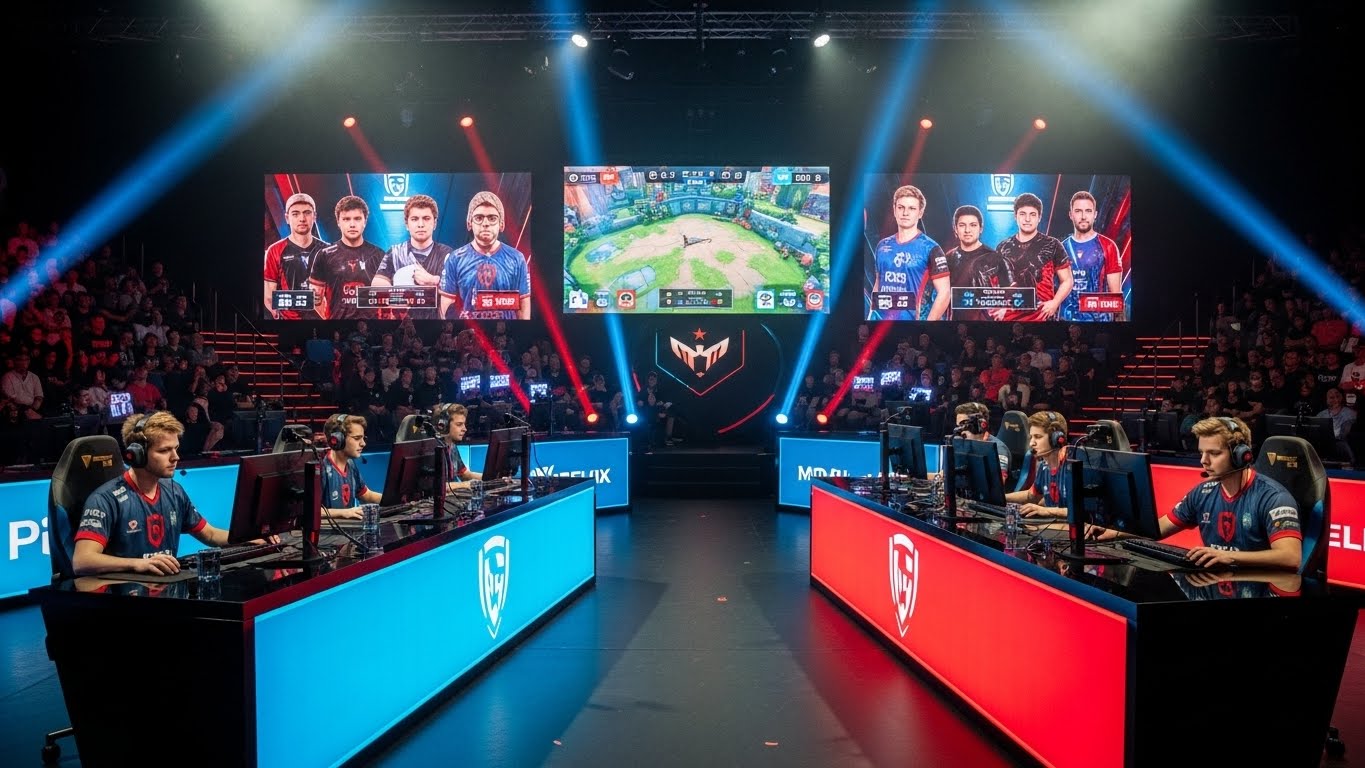
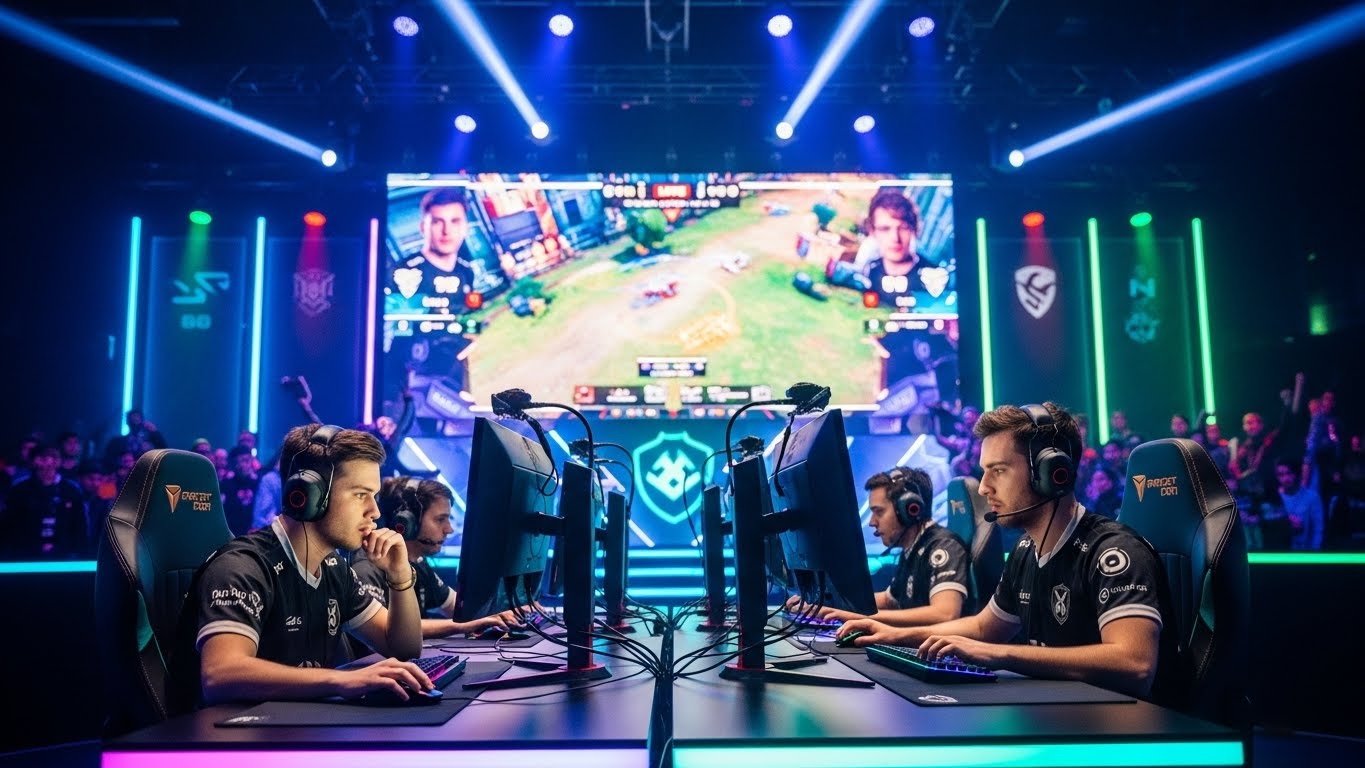
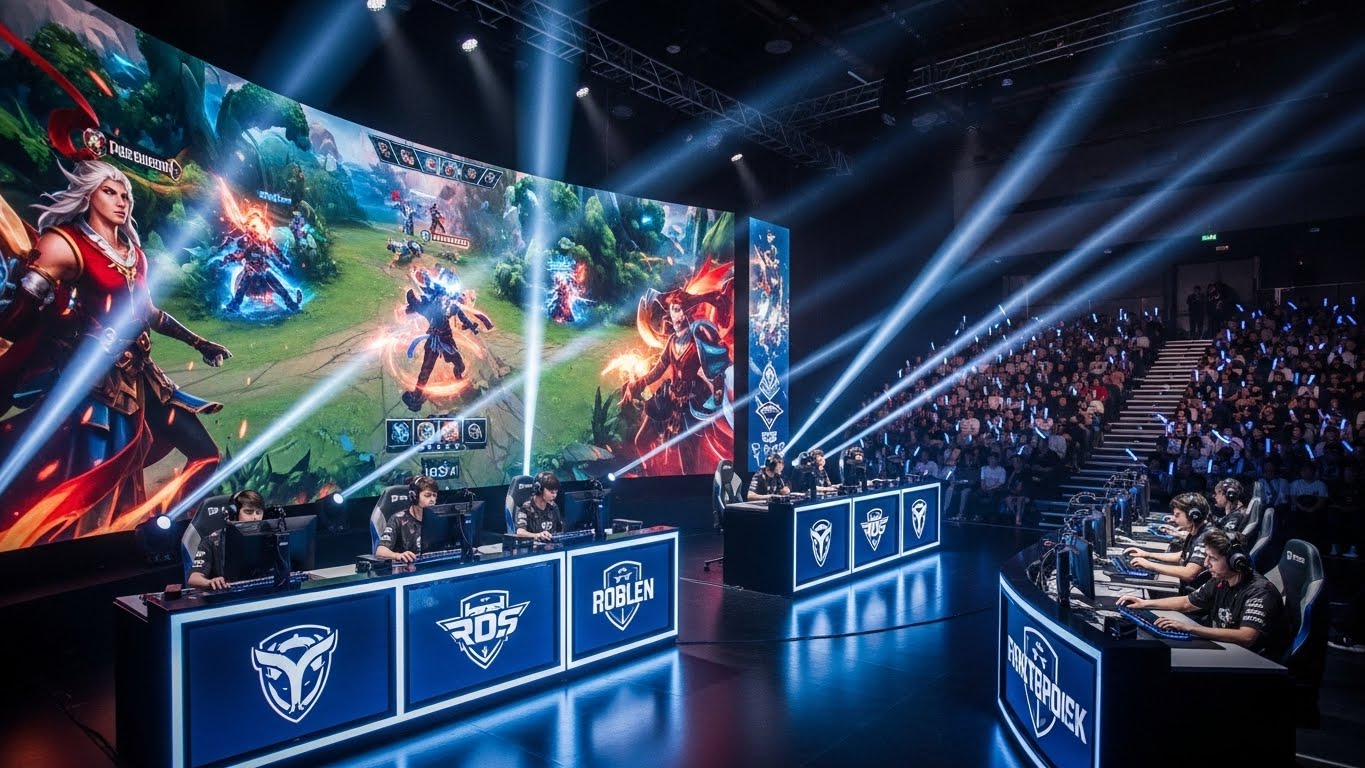
Today, esports tournaments are massive events with professional players, coaches, analysts, and commentators, mirroring traditional sports structures. Games like League of Legends, Dota 2, Fortnite, and Call of Duty dominate the competitive scene, each attracting millions of fans and offering multi-million-dollar prize pools. Major tournaments, such as the League of Legends World Championship or The International for Dota 2, are watched by audiences rivaling traditional sporting events. Esports competitions are not limited to PC gaming; console games, mobile gaming, and even virtual reality are becoming prominent in professional circuits. The structure of esports events, including leagues, qualifiers, and finals, demonstrates the maturity and legitimacy of the industry.
Esports as a Career
Professional esports has created career opportunities far beyond just playing games. Players can earn substantial incomes through tournament winnings, sponsorships, and streaming platforms. Beyond players, careers in esports include coaching, content creation, game analysis, event management, and marketing. Teams and organizations operate like traditional sports franchises, providing salaries, training facilities, and healthcare for players. This professional ecosystem has made esports a viable career path, particularly for younger generations who have grown up in a digital environment.
The Mental and Physical Demands of Esports
While esports may appear less physically demanding than traditional sports, the mental and physical requirements are significant. Players require exceptional hand-eye coordination, reflexes, and strategic thinking. Long hours of practice demand discipline, focus, and endurance. Physical fitness is also critical; many professional gamers follow exercise routines to maintain stamina and prevent repetitive strain injuries. Mental resilience is crucial as players navigate high-pressure situations, intense competition, and public scrutiny. Esports demonstrates that competitive gaming is not merely entertainment but a rigorous discipline requiring dedication and skill.
The Role of Technology in Esports
Technology plays a central role in the growth of esports. High-speed internet, advanced gaming hardware, and powerful graphics engines have made online competition seamless and immersive. Streaming platforms allow millions of fans to watch live tournaments in real-time, while analytics software enables players to study performance and improve strategies. Virtual reality and augmented reality are gradually introducing new forms of competitive gaming, creating more interactive and engaging experiences. Technology not only enhances gameplay but also transforms how audiences engage with esports, making it a dynamic and evolving industry.
Esports and Global Community
One of the most fascinating aspects of esports is its ability to build global communities. Unlike traditional sports, which often have regional fan bases, esports transcends geographic boundaries. Players from different countries collaborate on teams, and fans worldwide cheer for their favorite players or organizations. Online forums, streaming platforms, and social media provide spaces for discussion, fan art, and strategy sharing. Esports has created a sense of belonging among gamers, offering a platform for connection, collaboration, and competition on a global scale.
Educational and Social Impact of Esports
Esports is increasingly being recognized for its educational and social benefits. Many universities now offer esports scholarships, integrating gaming into academic programs and promoting teamwork, leadership, and problem-solving skills. Participating in esports can improve cognitive abilities, including critical thinking, decision-making, and multitasking. Socially, esports can help individuals develop communication skills, confidence, and resilience. It also encourages inclusivity, allowing people from diverse backgrounds to participate without traditional physical limitations. The structured environment of esports provides a safe and constructive platform for personal growth and skill development.
Esports as a Business
The business side of esports is rapidly expanding, attracting investors, sponsors, and advertisers. Major brands partner with tournaments and teams to reach younger, tech-savvy audiences. Esports merchandising, ticket sales for live events, and media rights deals contribute to a growing economy surrounding competitive gaming. Organizations invest in infrastructure, marketing, and talent development to maintain competitive advantages. The commercial success of esports has transformed it from a recreational activity into a robust industry with far-reaching economic implications.
Challenges Facing Esports
Despite its growth, esports faces several challenges. The intense schedule of professional players can lead to burnout and mental health issues. The industry is also working to combat toxic behavior in online gaming, including harassment and cheating. Regulation is still evolving, as different countries grapple with licensing, prize distribution, and taxation. Gender disparity remains a concern, with women underrepresented in professional circuits. Addressing these challenges is essential to ensure that esports remains inclusive, sustainable, and competitive while protecting the well-being of players.
Esports and Traditional Sports
Esports is increasingly intersecting with traditional sports, blurring the lines between digital and physical competition. Many professional athletes and teams have invested in esports organizations, recognizing its potential to engage younger audiences. Esports training methods, performance analysis, and fan engagement strategies often borrow from traditional sports principles. The synergy between the two industries is fostering innovation, new business models, and a broader acceptance of gaming as a legitimate competitive field.
The Future of Esports
The future of esports is bright, with technological advancements and cultural acceptance driving continuous growth. Mobile esports, virtual reality tournaments, and cross-platform competitions are expanding the possibilities for participation and viewership. Increased recognition by educational institutions and professional organizations will further legitimize esports as a career path. As the industry evolves, it will continue to break barriers, unite communities, and inspire players and fans worldwide. Esports is not just a trend; it is a defining part of the entertainment landscape, shaping the way we play, watch, and connect through gaming.
Conclusion
Esports represents a revolutionary shift in entertainment, merging competition, technology, and community in unprecedented ways. From its humble origins in arcades to billion-dollar tournaments watched by millions, esports has proven that gaming is a serious pursuit with far-reaching impacts. It offers career opportunities, educational benefits, and a platform for global community building while pushing the limits of technology and human skill. As esports continues to evolve, it will remain a powerful force that inspires, entertains, and unites people around the world. The competitive spirit, creativity, and dedication displayed in esports reflect the limitless potential of digital culture and the future of interactive entertainment.