Introduction: The Rise of Esports
In the past decade, esports has transformed from a niche hobby into a global phenomenon. What was once perceived as casual video gaming has become a professional, highly competitive industry that rivals traditional sports in viewership, prize money, and cultural impact. Esports now attracts millions of players and fans worldwide, bridging generations, cultures, and digital platforms. Beyond entertainment, esports is reshaping social interaction, career opportunities, and even the concept of sports itself.
What is Esports?
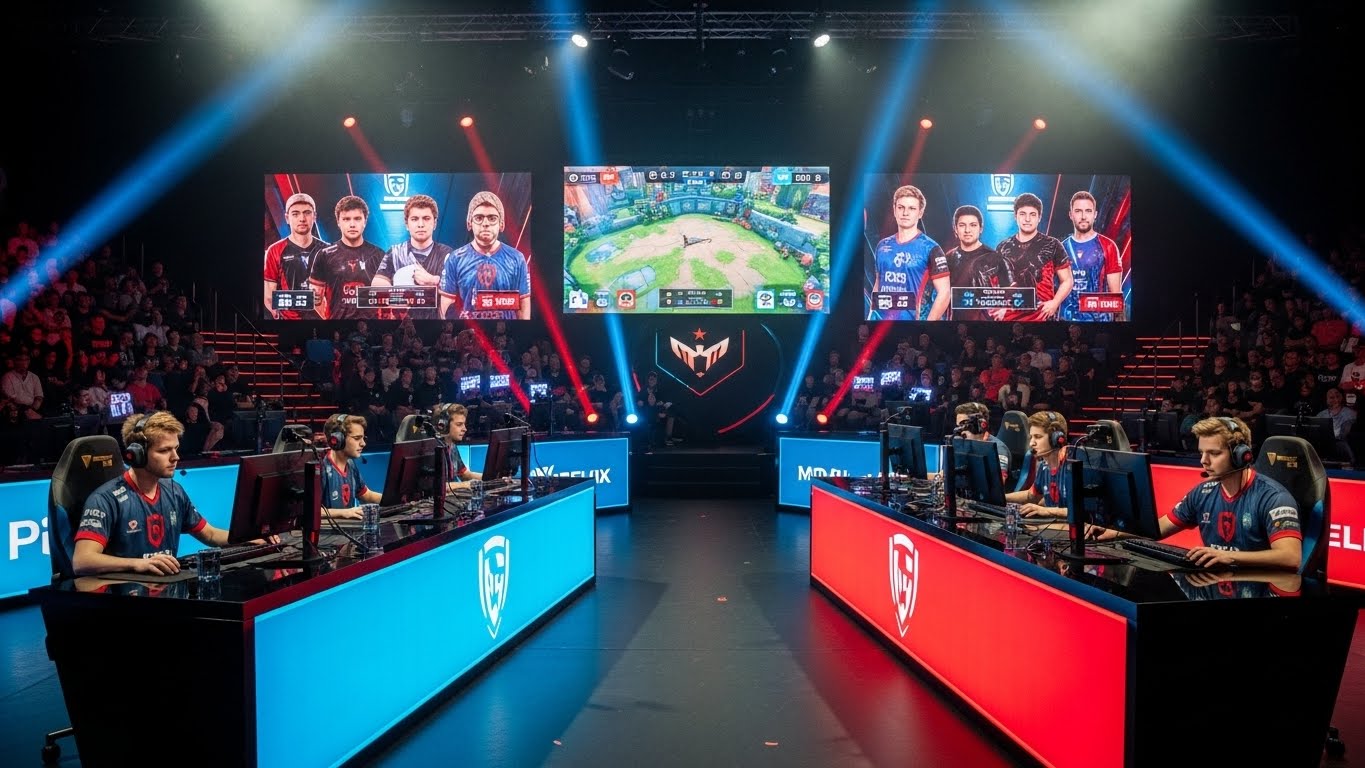
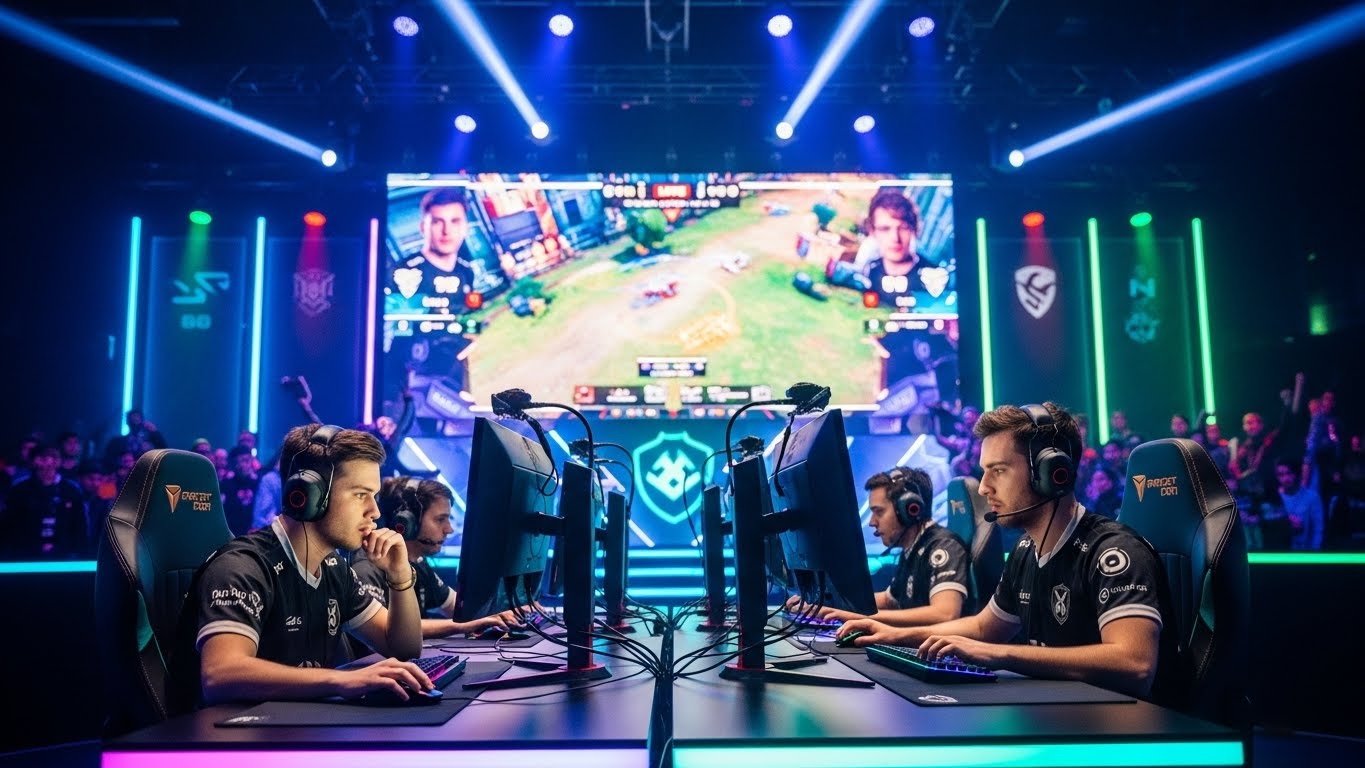
Esports, short for electronic sports, refers to organized, competitive video gaming. Players, often in teams, compete in games that range from real-time strategy and first-person shooters to multiplayer online battle arenas. Competitions are held online, locally, or in large arenas, attracting both amateur players and professional athletes.
Unlike casual gaming, esports requires dedication, strategy, teamwork, and intense training. Professional players often practice for hours daily, analyzing gameplay, refining techniques, and studying opponents. The combination of mental agility, reflexes, and communication makes esports a demanding and highly respected form of competition.
The Evolution of Esports
Esports began in the 1970s with small-scale video game competitions, often held at universities or local arcades. The rise of multiplayer games in the 1990s and early 2000s, along with improved internet connectivity, laid the groundwork for competitive gaming communities. Titles like StarCraft, Counter-Strike, and Warcraft became iconic early esports games.
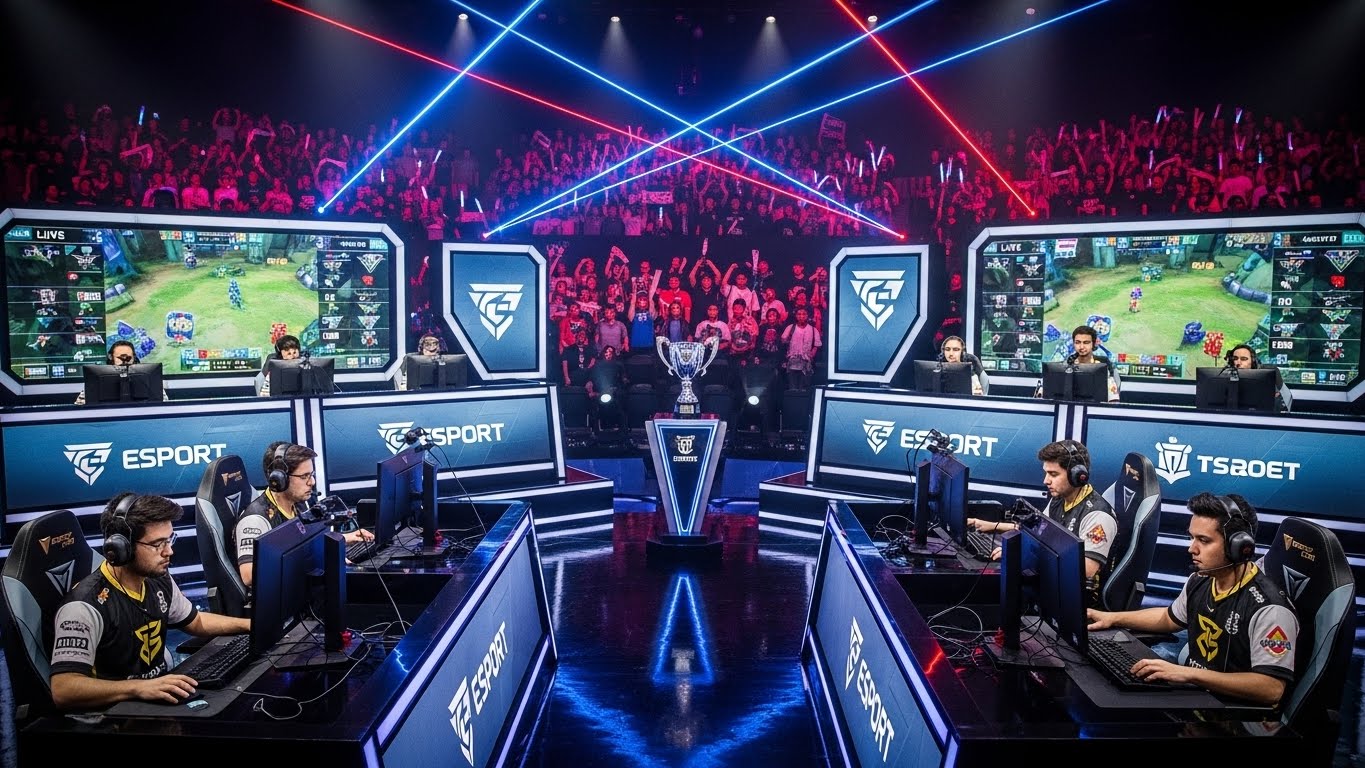
The 2010s marked a turning point as streaming platforms enabled live broadcasting of tournaments to global audiences. Games such as League of Legends, Dota 2, and Fortnite created massive followings, attracting sponsorships, media coverage, and professional leagues. Today, esports tournaments offer multi-million-dollar prize pools and fill stadiums with fans eager to witness digital battles unfold in real time.
Professional Esports Players: The New Athletes
Professional esports players are the equivalent of traditional sports athletes in terms of training, skill, and dedication. Teams employ coaches, analysts, and nutritionists to ensure players perform at their peak. Mental conditioning, strategic planning, and teamwork are crucial components of success.
These players are also public figures with influence beyond gaming. Many stream their practice sessions, interact with fans on social media, and participate in brand partnerships. Their visibility highlights the professionalization of esports and its integration into mainstream culture.
Esports as a Career Path
The esports industry offers diverse career opportunities beyond competitive play. Professional players, coaches, analysts, commentators, event organizers, and marketing specialists contribute to the ecosystem. Content creation, streaming, and sponsorship management also provide viable career paths.
Universities and academies have even begun offering scholarships for esports talent, recognizing both the skill and dedication required to succeed. This development has legitimized esports as a career, offering young gamers structured pathways to achieve professional success.
The Global Popularity of Esports
Esports has a truly global audience. Millions of fans tune in to watch tournaments live or through streaming platforms. Regions like South Korea, China, and the United States have become esports powerhouses, producing world-class players and hosting major competitions.
Global tournaments attract international participation, fostering cross-cultural exchange and collaboration. Fans not only watch competitions but engage in online communities, discussing strategies, analyzing gameplay, and celebrating shared interests. This global appeal has solidified esports as a significant cultural and entertainment phenomenon.
The Role of Technology in Esports
Technology is at the heart of esports. High-performance computers, gaming consoles, fast internet connections, and advanced peripherals are essential for competitive play. Streaming platforms, live broadcasting tools, and data analytics enhance the viewing and analytical experience for both players and fans.
Virtual reality and augmented reality are beginning to influence esports, offering immersive gameplay experiences. Artificial intelligence tools help players analyze strategies, simulate opponents, and refine skills. Technology ensures that esports is dynamic, accessible, and continuously evolving.
Mental and Physical Challenges in Esports
Although esports is a digital activity, it demands both mental and physical discipline. Players face intense pressure to perform consistently, often under the scrutiny of millions of fans. Maintaining focus, managing stress, and developing strategic thinking are vital for success.
Physical health is also important. Long hours of practice can lead to issues such as repetitive strain injuries, vision strain, and poor posture. Professional teams now incorporate fitness routines, nutrition plans, and regular health monitoring to ensure players maintain peak performance.
Esports Communities and Social Interaction
Esports thrives on community engagement. Online forums, social media groups, and streaming platforms allow fans to interact, share strategies, and celebrate their favorite players and teams. This sense of community fosters belonging and encourages collaboration among players and fans alike.
Local gaming events, tournaments, and esports conventions further strengthen these communities. Fans meet in person, participate in competitions, and connect with industry professionals, bridging the gap between digital and physical interaction.
Esports and Education
Esports has increasingly become part of educational programs. Schools and universities now offer esports clubs, courses, and scholarships, recognizing the strategic thinking, teamwork, and problem-solving skills developed through competitive gaming.
Educational programs focus on game design, event management, marketing, and analytics, equipping students with skills applicable both in esports and the broader digital industry. This integration demonstrates the educational and professional value of esports beyond mere entertainment.
Economic Impact of Esports
Esports has grown into a multi-billion-dollar industry. Revenue streams include tournament prize pools, sponsorships, merchandise, broadcasting rights, and streaming platform subscriptions. Major events generate economic activity for host cities, including tourism, hospitality, and local business opportunities.
Investment from brands and corporations reflects esports’ commercial viability. Sponsorship deals, advertising partnerships, and branded events are common, showing that esports is not only a cultural phenomenon but also an economic powerhouse.
Challenges Facing Esports
Despite its rapid growth, esports faces challenges. Issues such as online toxicity, cheating, and accessibility must be addressed to ensure fairness and inclusivity. Overemphasis on competition can also affect mental and physical health, highlighting the need for balanced approaches to training and professional development.
Regulation and governance are emerging concerns. Standardized rules, fair tournament structures, and ethical guidelines are essential to maintain credibility and sustainability. Addressing these challenges is crucial for esports to continue thriving as a professional and respected industry.
The Future of Esports
The future of esports is promising and expansive. With technological advancements, global connectivity, and increasing mainstream acceptance, esports is set to grow both in scale and influence. Virtual reality competitions, AI-driven analytics, and interactive broadcasting are likely to redefine gameplay and viewer experiences.
Esports is also expected to expand into educational, professional, and entertainment sectors, offering opportunities for talent development, career growth, and innovative content creation. Its evolution will continue to blur the line between traditional sports and digital competition, shaping the future of entertainment.
Conclusion: Esports as a Cultural and Professional Phenomenon
Esports is more than gaming; it is a revolution in entertainment, sports, and digital culture. It combines strategy, skill, teamwork, and technology, creating a global platform for competition, community, and career development.
From grassroots gamers to professional players, esports fosters discipline, creativity, and resilience. Its global reach and economic potential demonstrate that competitive gaming is not just a pastime but a legitimate professional and cultural force. As technology and society evolve, esports will continue to redefine what it means to compete, connect, and thrive in the digital era.