In the past few decades, esports has evolved from a niche hobby into a billion-dollar industry. Once considered a pastime for a small group of dedicated gamers, esports is now a global phenomenon, captivating millions of fans worldwide. From competitive gaming tournaments to professional leagues, sponsorships, and media rights deals, esports is reshaping the way we view both sports and entertainment. In this blog post, we will explore the rise of esports, its impact on gaming culture, the business behind it, and what the future holds for this rapidly growing industry.
The Origins of Esports: A Brief History
The roots of esports can be traced back to the early days of competitive gaming. As video games became more advanced, players began competing against one another in local tournaments or even informal settings. These competitions, although far less formal than today’s esports events, were the foundation for the organized, high-stakes tournaments that would later dominate the global gaming scene.
Early Competitions and the Birth of Esports
The first documented video game competition took place in 1972 at Stanford University, where a game called Spacewar was the centerpiece of a tournament. The prize for the winner was a subscription to Rolling Stone magazine, a far cry from the multi-million-dollar prizes that players today compete for. Throughout the 1980s and early 1990s, video game competitions continued to grow, but they were still relatively small, often regional or community-based events.
The first large-scale, internationally recognized tournament took place in 1997, with the launch of the Red Annihilation Tournament for Quake, a first-person shooter. The winner of the tournament, a player named Dennis “Thresh” Fong, received a Ferrari 328 GTS, marking the first time a major prize had been awarded in the esports world. This tournament helped to establish the idea of competitive gaming as a serious pursuit and laid the groundwork for future esports leagues and tournaments.
In the early 2000s, competitive gaming gained even more traction with the rise of internet cafes, where players would gather to compete against each other. Games like StarCraft, Warcraft III, and Counter-Strike became popular in competitive circles, with Blizzard Entertainment and Valve Corporation leading the charge with their support of esports.
The Rise of Major Esports Titles
The true breakthrough of esports came in the mid-2000s, with the advent of online multiplayer gaming. Titles such as League of Legends, Dota 2, and Counter-Strike: Global Offensive (CS: GO) became the backbone of the esports scene, offering games that were not only engaging but also incredibly competitive. These games allowed for large-scale, global tournaments, attracting millions of viewers and huge prize pools.
In 2011, the League of Legends World Championship was held for the first time. By 2013, the tournament had grown to include teams from all over the world, attracting over 32 million viewers for the final. This marked the beginning of esports’ massive global expansion, as professional leagues, broadcasting rights, and sponsorships began to pour in from corporate sponsors.
The Structure of Esports: Tournaments, Leagues, and Teams
As esports grew, it became more organized. Today, esports is divided into several major categories, each with its own tournaments, leagues, and competitive systems. The structure of esports differs from traditional sports in several ways, but the central idea of team-based or individual competition remains the same.
Esports Tournaments: The Heart of Competitive Gaming
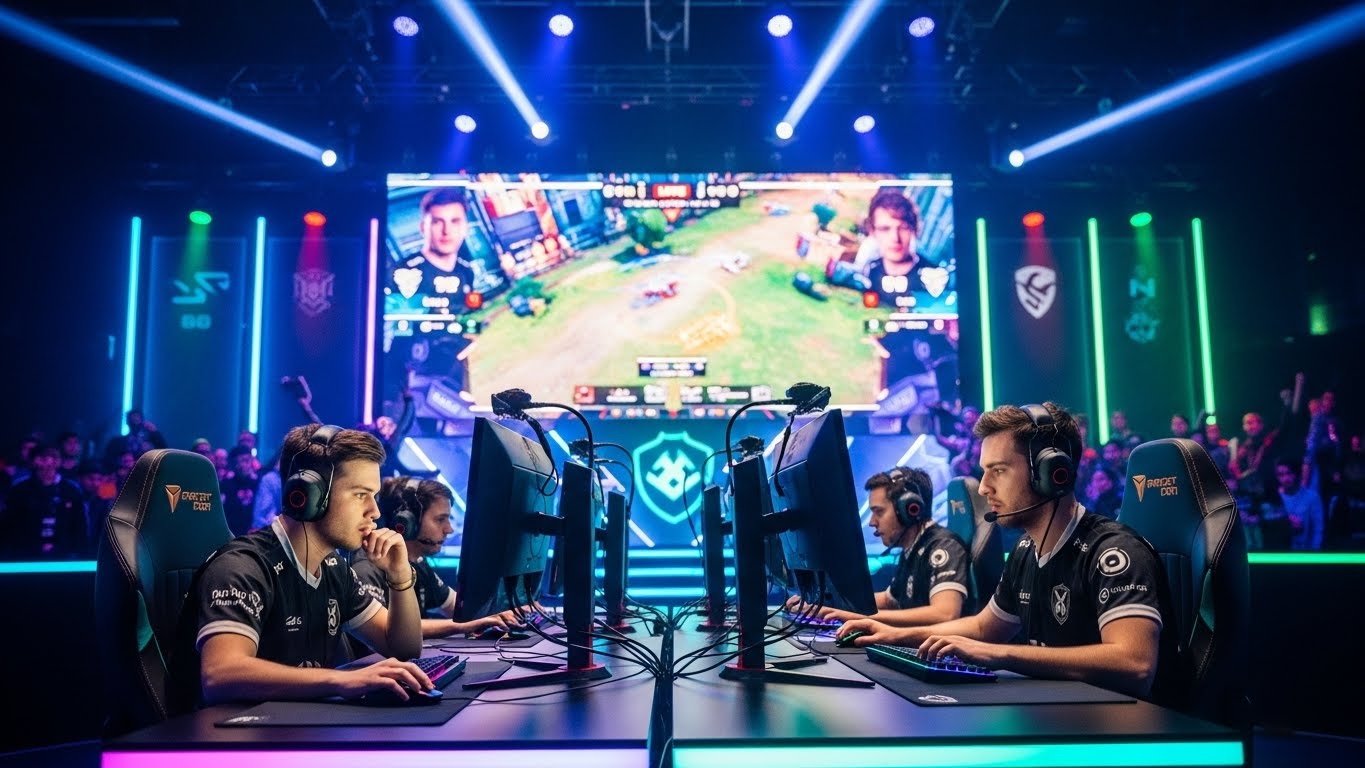
Esports tournaments are where the best players and teams from around the world come together to compete for glory and large cash prizes. These tournaments can range from local events with relatively small prize pools to multi-million-dollar global championships.
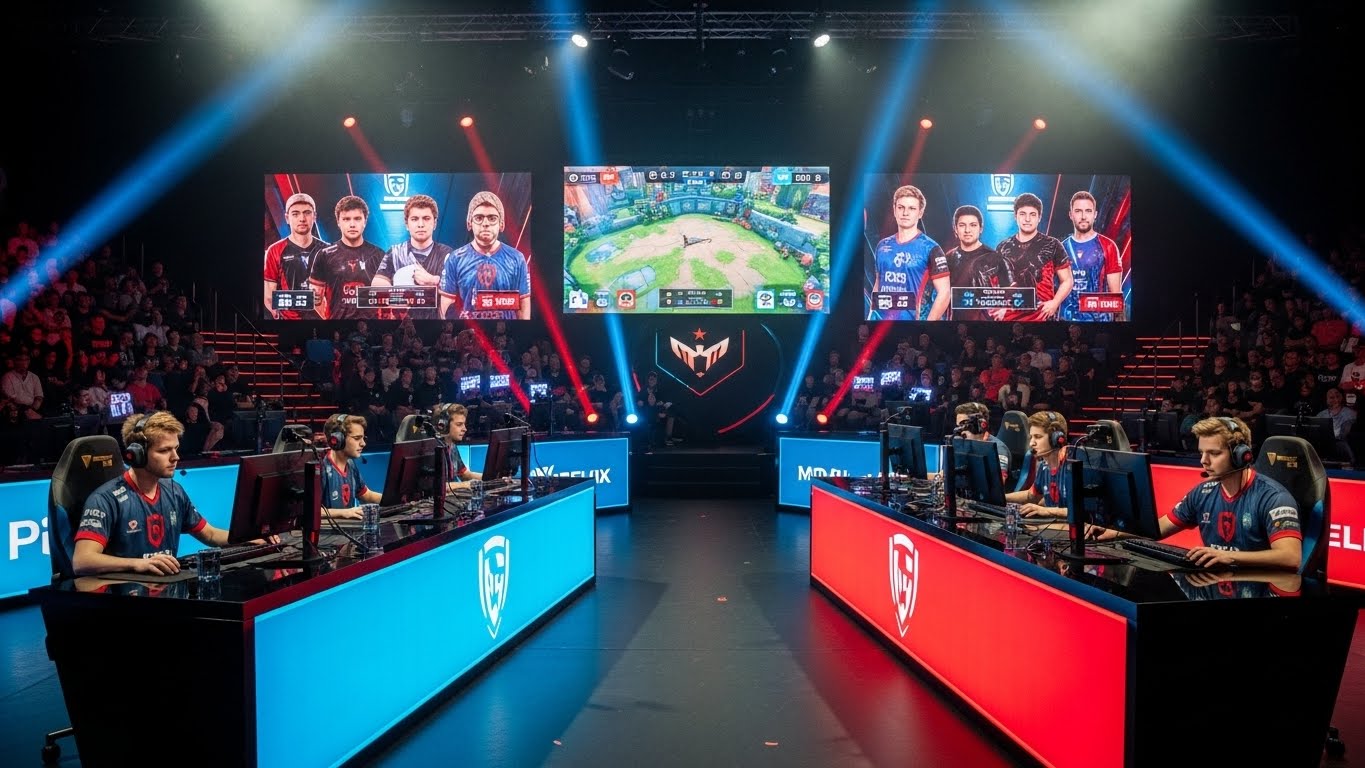
For example, The International, which is the annual tournament for Dota 2, offers one of the largest prize pools in esports, often exceeding $30 million. Similarly, League of Legends World Championship is another major event with millions of viewers tuning in each year. These tournaments are often held in large arenas, with live audiences and broadcasted online to millions of fans across the world.
Esports tournaments are often structured into regional qualifiers, with the best teams advancing to the global stage. For many games, a tournament may consist of several stages: group stages, playoffs, and finals. The intense competition, combined with the drama and excitement of high-level play, makes esports tournaments some of the most thrilling events in gaming.
Esports Leagues: The Professionalization of Gaming
Beyond one-off tournaments, esports has evolved into a fully professionalized system, with permanent leagues and regular seasons. One of the best examples of this shift is the creation of professional esports leagues such as the Overwatch League (OWL) and the League of Legends Championship Series (LCS).
These leagues function similarly to traditional sports leagues, with teams representing cities or organizations competing over a series of weeks or months for the championship title. Teams are composed of highly skilled players, coaches, and support staff, much like in traditional sports. In addition to the excitement of competition, these leagues also provide entertainment through storylines, rivalries, and individual player narratives.
The Overwatch League, for example, was launched in 2018 with a franchise-based model similar to major North American sports leagues such as the NFL or NBA. This model has been praised for its ability to create long-term stability for teams and players, while also attracting major investors and corporate sponsorships.
Professional Esports Teams: The Rise of Gaming Organizations
As esports has become more professional, the formation of organized esports teams has followed suit. These teams consist of players who specialize in certain games and often train together, much like any traditional sports team. They are managed by esports organizations, which handle everything from sponsorships and marketing to player contracts and branding.
Some of the most successful and well-known esports organizations include Team Liquid, Cloud9, Fnatic, and T1. These organizations often recruit top-tier players from around the world and provide them with support staff, including coaches, analysts, and psychologists. The rise of these professional teams has brought an increased focus on training, strategy, and player well-being.
The Business of Esports: Sponsorships, Media, and Streaming
Esports is no longer just about the players. The industry has grown into a multi-billion-dollar ecosystem with a variety of stakeholders. From media companies to sponsors, streaming platforms, and even merchandise sales, esports has become a booming business.
Sponsorships and Partnerships: The Lifeblood of Esports
One of the driving forces behind the rise of esports is its lucrative sponsorship deals. Just like traditional sports, esports organizations and tournaments have attracted big-name sponsors from industries such as technology, beverages, automotive, and even financial services. Companies like Coca-Cola, Intel, Mercedes-Benz, and Red Bull are just a few examples of global brands that have partnered with esports organizations and events.
Sponsorships and partnerships in esports typically come in the form of brand placements, team uniforms, and digital marketing campaigns. Some brands also sponsor individual players or streamers, which has led to the rise of personal branding within the esports community. Players and streamers, especially those with large social media followings, have become influencers in their own right, attracting sponsors that want to capitalize on their popularity.
The Role of Streaming Platforms: Making Esports Accessible
Another key factor in the rise of esports has been the role of streaming platforms. Services like Twitch, YouTube Gaming, and Facebook Gaming have made it possible for fans to watch esports competitions live from the comfort of their homes. These platforms have made esports more accessible than ever before, with millions of people tuning in to watch their favorite players and teams compete.
Streaming platforms also serve as a launching pad for aspiring esports professionals. Many players start their careers by streaming their gameplay, building a following, and eventually being recruited by top-tier organizations. The interaction between streamers and their fans has also created a sense of community and engagement that is unique to the esports world.
Media Rights and Broadcasting: The Evolution of Esports as a Spectator Sport
As esports grew, so too did its potential for media rights deals. Much like traditional sports leagues, esports has become a valuable property for media companies. Major television networks and digital streaming services are increasingly investing in broadcasting esports tournaments.
For example, ESL, one of the largest esports tournament organizers in the world, has partnered with TBS and ESPN to broadcast events on television. Similarly, streaming platforms like Twitch and YouTube have exclusive broadcasting deals with certain tournaments, ensuring that esports content reaches global audiences.
These media rights deals have further fueled the professionalization of esports, providing organizations with the financial resources needed to continue growing the industry.
The Cultural Impact of Esports: A New Era of Gaming and Entertainment
Esports is not just a business—it’s a cultural movement. The growth of esports has brought gaming into the mainstream and has helped reshape the way people think about competitive play.
The Rise of Esports as a Social Phenomenon
Esports has become a global social phenomenon. Gamers, fans, and players alike come together to form communities around their favorite games, teams, and tournaments. These communities are built around shared interests and passions, fostering friendships and connections that transcend geographic and cultural boundaries.
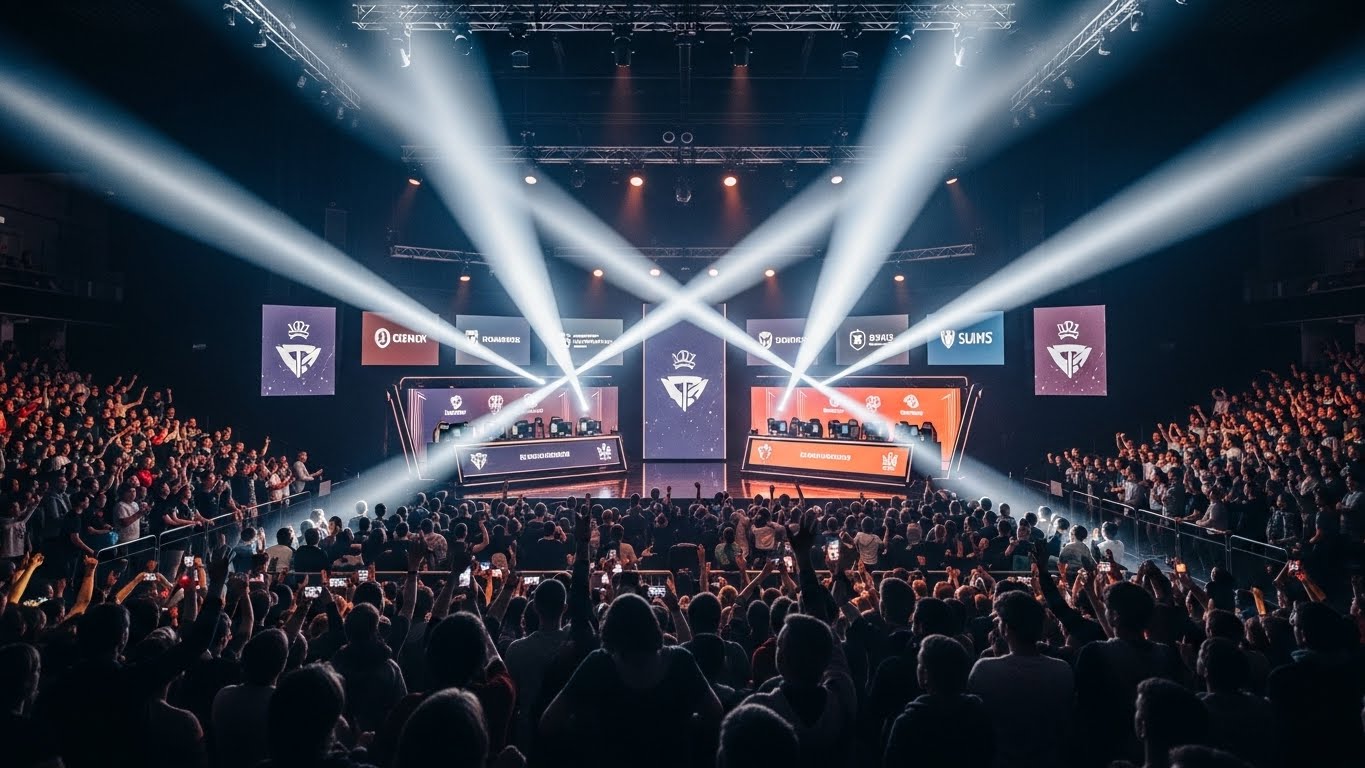
Esports has also helped to elevate gaming as a legitimate form of entertainment, much like traditional sports or even music. Major esports tournaments are often held in large arenas, with tens of thousands of spectators cheering on their favorite teams. This has helped create a sense of excitement and energy around esports events, making them feel just as significant as a live concert or