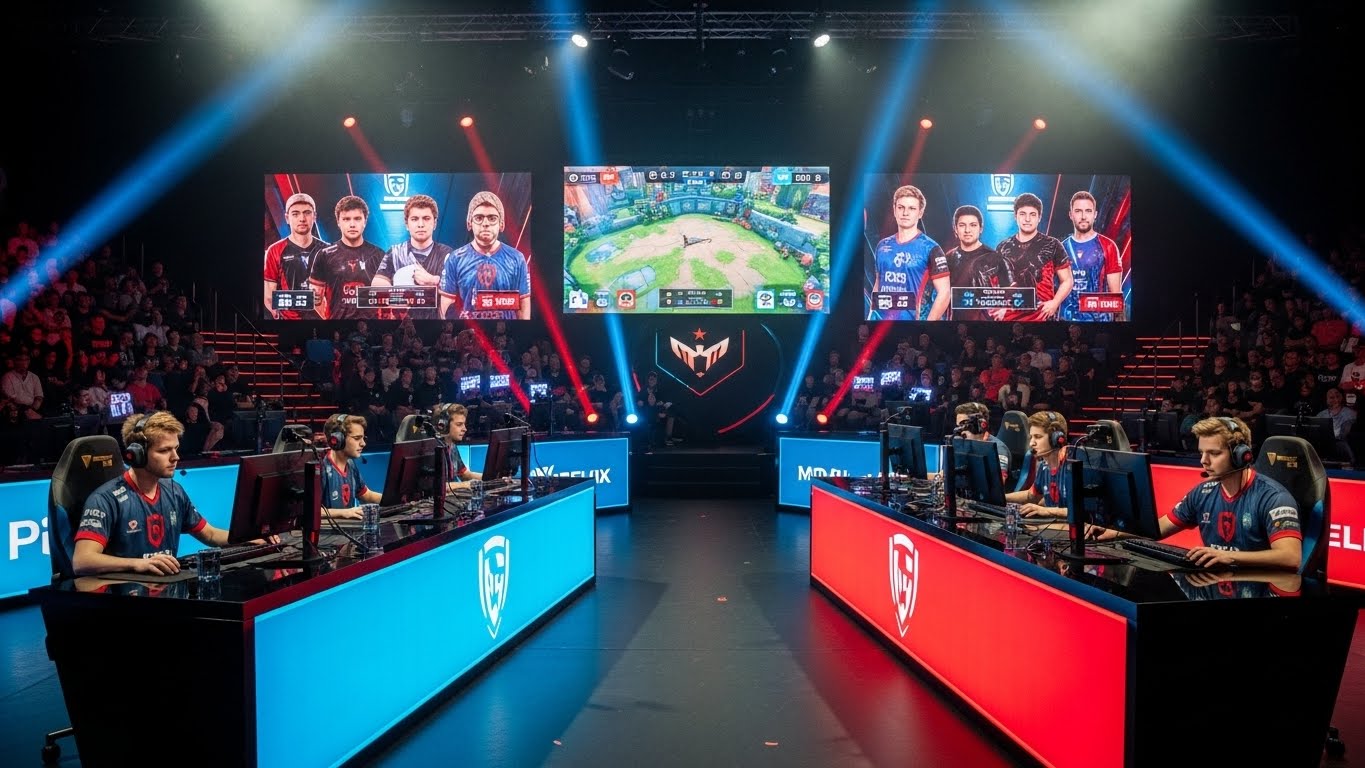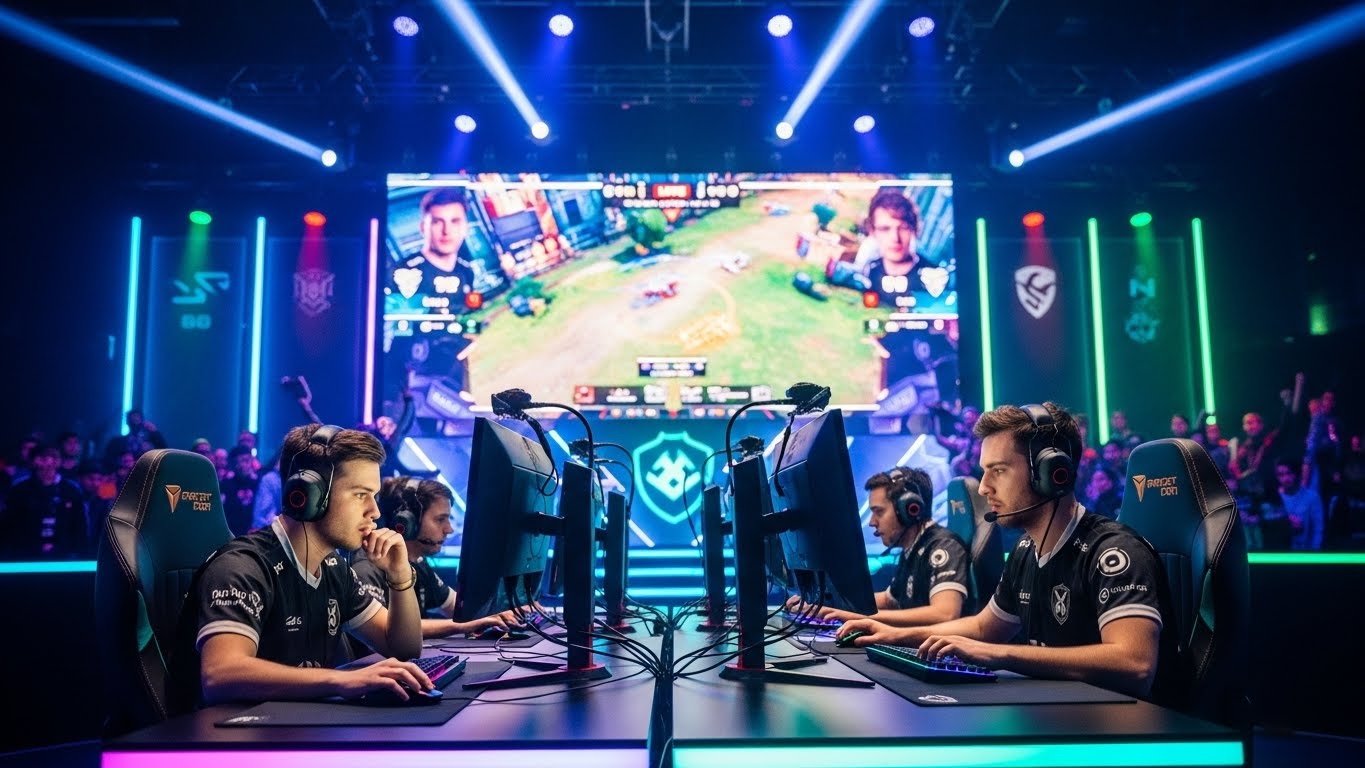
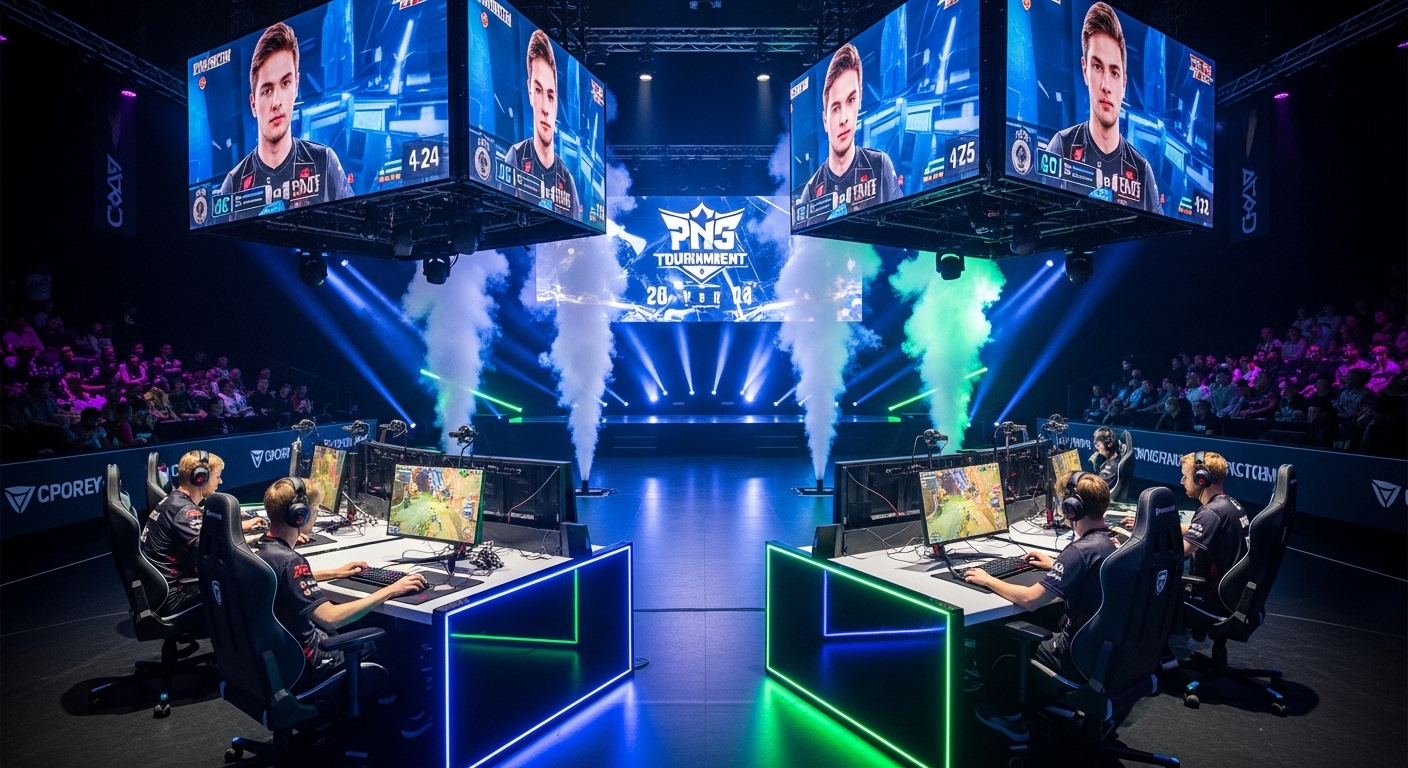
In recent years, the world of competitive gaming—also known as esports—has transformed from a niche hobby into a multi-billion-dollar global industry. What was once considered a pastime for teenagers is now a mainstream phenomenon with millions of fans, professional teams, and enormous sponsorship deals. The rapid growth of esports can be attributed to several factors, including technological advancements, the rise of live streaming platforms, and the growing acceptance of gaming as a legitimate form of entertainment and competition.
In this blog post, we will explore the history, current landscape, and future of esports. We’ll also dive into the key factors that have contributed to its rise and discuss what the future holds for competitive gaming.
The Birth of Esports: From Arcades to Online Tournaments
The origins of esports can be traced back to the 1970s and 1980s when competitive gaming began to take shape in arcades. Games like Space Invaders and Pong attracted players who sought to outdo each other and prove their skills. However, it wasn’t until the release of Street Fighter II in the early 1990s that competitive gaming began to evolve into something more formal. The first major esports event, the Red Bull LAN tournament in 1997, marked the beginning of what we now recognize as the modern era of esports.
As the internet became more widespread in the late 1990s and early 2000s, multiplayer games like Quake and Warcraft III emerged. These titles allowed players to compete with one another from the comfort of their own homes, paving the way for online tournaments and competitive gaming leagues. The establishment of events such as The World Cyber Games and ESL (Electronic Sports League) in the early 2000s helped formalize competitive gaming, drawing in professional players and organizations.
The Rise of Esports: Mainstream Popularity and Big Business
By the mid-2000s, esports began to take off, particularly in regions like South Korea, where games like StarCraft had already become cultural phenomena. The launch of League of Legends in 2009 marked another pivotal moment for the industry. The game’s massive success brought new levels of attention to esports, especially through the development of its own competitive scene, which would eventually lead to the creation of professional leagues, international tournaments, and live streams.
Esports quickly attracted major sponsors, including tech giants like Intel and Coca-Cola, who recognized the potential of this growing market. The popularity of esports grew exponentially with the rise of streaming platforms like Twitch, where fans could watch live broadcasts of tournaments and follow their favorite players. Esports was no longer confined to just a small group of dedicated enthusiasts; it had reached a global audience.
The success of esports tournaments, such as The International (the annual Dota 2 championship), League of Legends Worlds, and Counter-Strike: Global Offensive major tournaments, showed that competitive gaming was now a spectator sport. These events brought in millions of viewers, with some tournaments boasting prize pools in the tens of millions of dollars.
The Key Factors Behind Esports’ Explosive Growth
Several factors have contributed to the meteoric rise of esports in the past decade. These factors have helped transform esports from a fringe activity to a global industry with widespread cultural impact.
1. Advancements in Technology and Internet Infrastructure
The growth of esports would not have been possible without advancements in technology. The development of high-speed internet connections and more powerful gaming hardware allowed competitive gaming to become more accessible and enjoyable. Streaming platforms, which rely on fast internet speeds, also played a crucial role in this transformation.
In addition to the internet, advancements in game development have played a significant role in making esports more competitive. Games like League of Legends, Overwatch, and Valorant are designed with esports in mind, offering balanced gameplay, frequent updates, and in-game systems that promote competitive play.
2. Streaming Platforms and Social Media
The advent of streaming services like Twitch, YouTube Gaming, and Facebook Gaming revolutionized how fans interacted with esports. These platforms allowed players to broadcast their gameplay to millions of viewers, often in real-time. Fans could now watch professional gamers compete in major tournaments from the comfort of their homes, interact with their favorite players, and engage with the esports community.
Social media also played a significant role in growing the visibility of esports. Players, teams, and organizations began using platforms like Twitter, Instagram, and TikTok to promote themselves, connect with their fanbases, and keep fans updated on their progress. The combination of streaming platforms and social media created a robust ecosystem for the esports community.
3. Sponsorships, Partnerships, and Investments
Esports quickly gained the attention of traditional sports organizations, tech companies, and big brands looking to tap into the growing gaming demographic. In the early stages, companies like Intel, Coca-Cola, and Red Bull became major sponsors of esports events, providing the financial backing that helped the industry flourish.
Esports teams and players also attracted significant investments from venture capitalists and traditional sports franchises. For example, in 2017, the Dallas Cowboys owner, Jerry Jones, invested in an esports organization, Team Envy. In 2020, FaZe Clan, one of the most popular esports teams in the world, raised $40 million in funding to expand its operations.
These sponsorships and investments helped establish esports as a legitimate and lucrative business, paving the way for even larger prize pools, bigger events, and more opportunities for players to turn professional.
The Current Landscape of Esports: Professionalism and Global Reach
Today, esports has evolved into a highly professionalized industry, with dedicated leagues, team organizations, and well-established career paths for players, coaches, analysts, and content creators. Some of the biggest names in esports—such as Team Liquid, Cloud9, Fnatic, and G2 Esports—have become household names, and their players are celebrated as celebrities within the gaming community.
Tournaments like The International, League of Legends World Championship, and Valorant Champions continue to attract millions of viewers, both online and in person. Esports arenas, like the Esports Stadium Arlington in Texas and The Allianz Arena in Berlin, are now venues where fans can watch their favorite teams compete in front of live audiences.
The competitive gaming scene is also more diversified than ever. While games like League of Legends, Dota 2, and Counter-Strike remain at the forefront, new titles like Apex Legends, Fortnite, and Rocket League have introduced fresh competitive scenes. Mobile esports, such as PUBG Mobile and Mobile Legends, have also gained significant traction in markets like Southeast Asia, further expanding esports’ global reach.
The Future of Esports: What Lies Ahead?
The future of esports looks bright, with continued growth expected in both viewership and monetization. Esports is becoming increasingly integrated into traditional sports and entertainment. The concept of esports arenas—physical venues designed for gaming competitions—is gaining popularity, and major sports networks, like ESPN and NBC, have started broadcasting esports events alongside traditional sports programming.
As esports continues to grow, we can expect more collaboration between esports organizations and major entertainment entities. We may see more celebrity endorsements, partnerships with music artists, and crossover events between esports and traditional sports.
There’s also a growing trend of esports becoming a part of educational institutions, with universities and high schools across the globe starting to offer esports scholarships and create formalized esports programs. As the younger generation continues to embrace gaming, esports could soon be seen as a mainstream career choice, comparable to traditional athletics or entertainment.
Esports in the Metaverse and Virtual Reality
One of the most exciting frontiers for esports lies in the development of virtual reality (VR) and the metaverse. Companies like Oculus and HTC Vive have made VR gaming more accessible, and the potential for esports within the virtual world is enormous. Players could soon be competing in fully immersive, 3D environments, and fans could be attending virtual arenas from anywhere in the world, experiencing the action up close.
As the metaverse continues to evolve, we may see virtual tournaments that transcend traditional game boundaries, incorporating elements of multiple games and experiences. The immersive nature of VR combined with the global reach of the internet could create entirely new ways for fans to engage with esports content.
Conclusion: A Bright Future for Esports
Esports has come a long way since its humble beginnings in arcades, evolving into a global industry with millions of fans, professional teams, and massive sponsorships. The rapid rise of competitive gaming can be attributed to technological advancements, the rise of streaming platforms, and the growing acceptance of gaming as a form of legitimate competition.
As the esports industry continues to expand, its future looks incredibly promising. From the growth of mobile gaming to the potential of virtual reality, esports is poised to shape the future of entertainment. The question is not whether esports will continue to grow, but how it will adapt and evolve as new technologies and opportunities emerge. The next chapter of esports is just beginning, and it’s an exciting time to be part of the journey.